Spinal nerve compression is a common condition that affects millions of people worldwide, leading to pain, numbness, and reduced mobility. Understanding the causes, symptoms, and effective treatments is crucial for managing this condition and maintaining a good quality of life. In this article, we will explore what spinal nerve compression entails, how to recognize it, and the best ways to treat it effectively.
What is Spinal Nerve Compression?
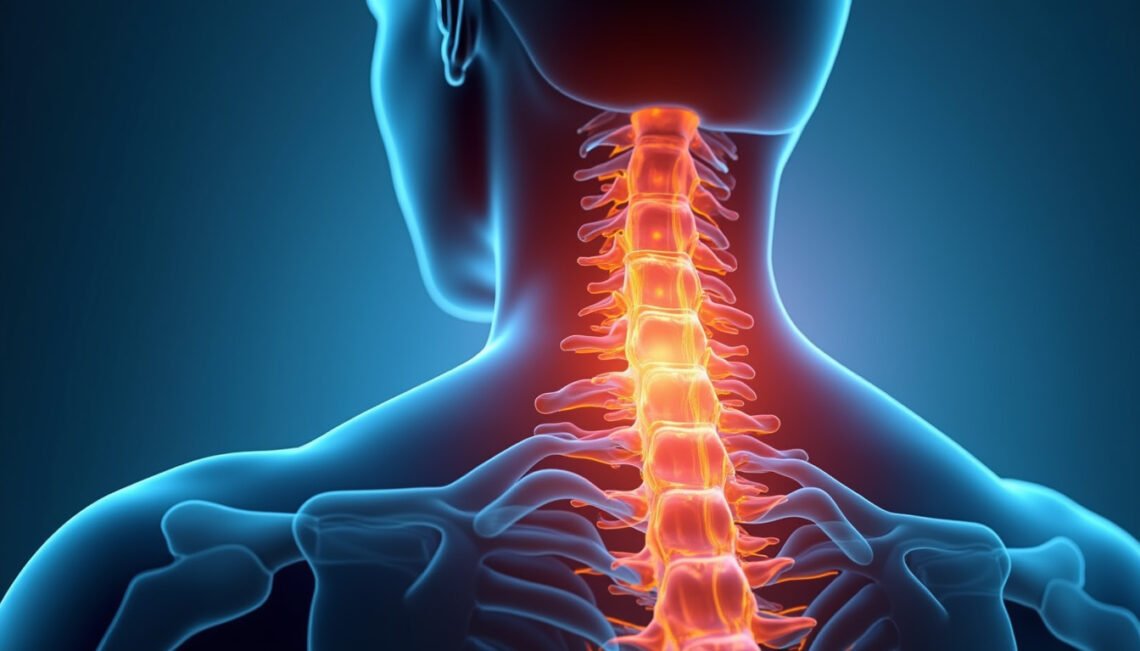
Spinal nerve compression occurs when one or more of the spinal nerves are pinched or irritated as they exit the spinal column. These nerves branch out from the spinal cord and are responsible for transmitting signals between the brain and various parts of the body. When compressed, these nerves can lead to pain, tingling, weakness, or numbness in the areas they serve.
The spinal column is made up of vertebrae with intervertebral discs between them. These discs act as cushions but can sometimes herniate or degenerate, leading to pressure on nearby spinal nerves. Additionally, bone spurs, spinal stenosis, or injury can also contribute to spinal nerve compression.
Common Causes of Spinal Nerve Compression
Understanding the root causes of spinal nerve compression is essential for both prevention and treatment. Here are some of the most common causes:
-
Herniated Disc
When the soft center of a spinal disc pushes through a crack in the tougher exterior, it can press against the spinal nerves. -
Spinal Stenosis
This condition involves the narrowing of spaces within the spine, which puts pressure on the nerves. -
Bone Spurs (Osteophytes)
Extra bone growths, often due to arthritis, can compress spinal nerves. -
Degenerative Disc Disease
Age-related wear and tear causes discs to lose cushioning ability, leading to nerve pressure. -
Injuries
Trauma or accidents can result in misalignment or swelling that compresses nerves. -
Spondylolisthesis
A condition where one vertebra slips over another, narrowing nerve pathways.
Symptoms of Spinal Nerve Compression
The symptoms can vary depending on which spinal nerve is affected, but common signs include:
- Localized Pain: Usually around the neck, back, or legs.
- Radiating Pain: Pain that spreads along the nerve pathway, such as sciatica (pain radiating down the leg).
- Numbness or Tingling: Sensations of pins and needles or loss of feeling in the extremities.
- Muscle Weakness: Difficulty lifting or using certain muscles.
- Reflex Changes: Decreased reflexes in affected areas.
Symptoms can develop gradually or suddenly, and severity may range from mild discomfort to debilitating pain.
Diagnosing Spinal Nerve Compression
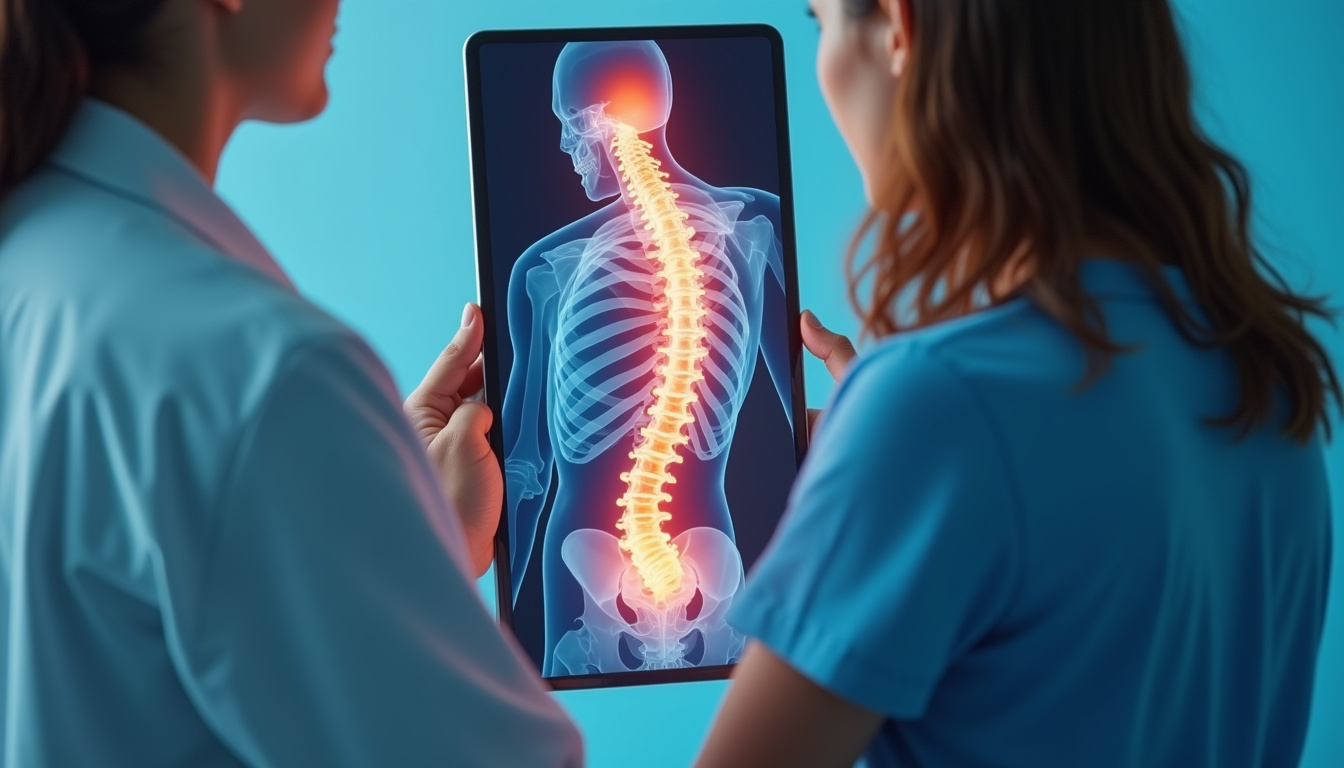
Diagnosis typically starts with a thorough medical history and physical examination, focusing on symptom patterns and neurological function. The physician may use diagnostic imaging to confirm nerve compression:
- MRI (Magnetic Resonance Imaging): Best for visualizing soft tissues, including nerves and discs.
- CT Scan: Useful for detailed images of bones.
- X-rays: Can show structural changes or fractures.
- Electromyography (EMG): Measures electrical activity of muscles to assess nerve damage.
Correct diagnosis is critical to develop an effective treatment plan.
Effective Treatments for Spinal Nerve Compression
Treatment depends on the cause, severity of symptoms, and individual patient factors. Here are effective options:
1. Conservative (Non-Surgical) Treatments
Most cases start with non-invasive methods:
- Physical Therapy: Exercises to strengthen muscles, improve posture, and relieve nerve pressure.
- Medications: Over-the-counter pain relievers, anti-inflammatory drugs, or nerve pain medications.
- Epidural Steroid Injections: Reduce inflammation around the affected nerves.
- Activity Modification: Avoiding activities that aggravate symptoms.
- Heat and Ice Therapy: Reduce pain and swelling.
2. Surgical Treatments
When conservative treatments fail or neurological function deteriorates, surgery might be necessary. Common surgical procedures include:
- Discectomy: Removal of herniated disc parts pressing on nerves.
- Laminectomy: Removal of part of the vertebra to widen the spinal canal.
- Foraminotomy: Enlarging the nerve root exit passage.
- Spinal Fusion: Stabilizing vertebrae after decompression.
Surgery aims to relieve nerve compression and prevent further damage.
Preventing Spinal Nerve Compression
Prevention strategies focus on maintaining spinal health:
- Practice good posture.
- Use ergonomic furniture.
- Maintain a healthy weight.
- Engage in regular low-impact exercise.
- Avoid heavy lifting or learn proper techniques.
- Quit smoking, as it accelerates spinal degeneration.
Quick Overview: Causes, Symptoms, and Treatments
| Aspect | Details |
|---|---|
| Causes | Herniated discs, spinal stenosis, bone spurs, injury |
| Symptoms | Pain, numbness, tingling, muscle weakness |
| Diagnostic Tools | MRI, CT scan, X-rays, EMG |
| Non-Surgical Care | Physical therapy, medications, injections |
| Surgical Options | Discectomy, laminectomy, foraminotomy, fusion |
Frequently Asked Questions (FAQ)
Q1: What are the common signs of spinal nerve compression?
A1: Common signs include localized or radiating pain, numbness, tingling, muscle weakness, and sometimes reduced reflexes in the affected area.
Q2: How is spinal nerve compression diagnosed?
A2: Diagnosis involves physical exams and imaging tests such as MRI or CT scans that reveal nerve compression. EMG may also be used to evaluate nerve function.
Q3: Can spinal nerve compression be treated without surgery?
A3: Yes, many cases respond well to conservative treatments like physical therapy, medications, and steroid injections. Surgery is considered if symptoms persist or worsen.
Why Addressing Spinal Nerve Compression Early Matters
Untreated spinal nerve compression can lead to permanent nerve damage and disability. Early diagnosis and tailored treatment can significantly improve outcomes, reduce pain, and restore mobility. Consulting a healthcare professional at the first sign of symptoms is vital.
Authoritative Insights on Spinal Nerve Compression
According to the American Academy of Orthopaedic Surgeons (AAOS), early intervention and individualized treatment plans are key to managing spinal nerve compression effectively (source). Patients are encouraged to adopt lifestyle modifications alongside medical treatment for lasting relief.
Take Charge of Your Spinal Health Today
If you’re experiencing symptoms associated with spinal nerve compression, don’t wait to seek help. Early action can prevent complications and improve your quality of life. Consult a healthcare provider to get a proper diagnosis and start an effective treatment plan tailored to your needs. With the right approach, you can relieve pain, regain strength, and return to the activities you love.
Remember, your spine supports your entire body — take good care of it!