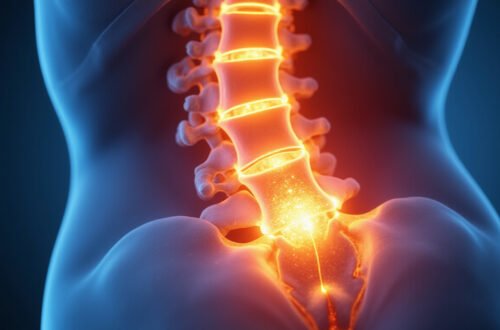
Pain management is a critical aspect of improving quality of life for millions of people dealing with chronic or acute pain. Whether the discomfort stems from an injury, medical condition, or daily stresses, effective pain management techniques can dramatically enhance daily comfort and mobility. This article explores a variety of innovative and proven methods that have revolutionized the way individuals manage pain, helping to reclaim their comfort and wellbeing.
Understanding Pain Management
Pain management refers to the practice of reducing or controlling pain through various medical and therapeutic approaches. Unlike a quick fix, effective pain management focuses on long-term strategies that address the root causes of pain while improving physical and emotional resilience. This holistic approach ensures not only symptom relief but also enhanced daily comfort and functionality.
Common Causes of Pain That Require Management
Pain can arise from diverse sources, including:
- Chronic conditions such as arthritis, fibromyalgia, and neuropathy
- Sports injuries and repetitive strain
- Post-surgical recovery
- Headaches and migraines
- Nerve damage
- Back and joint pain
Identifying the underlying cause is crucial in tailoring an effective pain management plan, which often involves a multidisciplinary approach.
Revolutionary Pain Management Techniques
1. Physical Therapy and Exercise
Regular physical therapy is a cornerstone of modern pain management. Tailored exercises can strengthen muscles, improve flexibility, and reduce stiffness, which in turn alleviates pain over time. Techniques such as aquatic therapy provide gentle resistance without putting undue strain on joints, making exercise accessible for those with severe pain.
2. Mind-Body Techniques
Stress and emotional factors often exacerbate pain sensations. Mind-body techniques are increasingly recognized as powerful tools for pain management. Methods include:
- Meditation: Helps reduce stress and increases the brain’s ability to modulate pain signals.
- Yoga: Combines stretching, breathing, and mindfulness to reduce chronic pain symptoms.
- Biofeedback: Teaches control over physiological functions to reduce pain perception.
These techniques help individuals regain control over their bodies by fostering relaxation and resilience.

3. Pharmacological Approaches
Medication remains an essential aspect of pain management, especially for moderate to severe pain. Options include:
- Over-the-counter analgesics (e.g., acetaminophen, NSAIDs)
- Prescription opioids (used cautiously due to dependence risks)
- Topical pain relievers
- Nerve pain medications like anticonvulsants and antidepressants
Effective pain management often involves combination therapy to maximize benefits while minimizing side effects.
4. Alternative and Complementary Therapies
Complementary therapies have gained popularity for their minimal side effects and holistic benefits. Among these are:
- Acupuncture: Stimulates specific points on the body to relieve pain and enhance healing.
- Chiropractic care: Focuses on spinal adjustments to improve alignment and reduce musculoskeletal pain.
- Massage therapy: Increases circulation and relaxes tense muscles, easing pain.
Such therapies often serve as valuable adjuncts to conventional treatments.
5. Innovative Technologies
Medical technology has introduced advanced options that significantly aid pain management. Examples include:
- Transcutaneous Electrical Nerve Stimulation (TENS): Delivers mild electrical currents to disrupt pain signals.
- Spinal Cord Stimulation (SCS): Implantable devices provide targeted pain relief for chronic conditions.
- Virtual reality (VR) therapy: Immersive VR programs help distract and retrain the brain’s response to pain.
These cutting-edge tools provide new hope for those with persistent pain not relieved by traditional methods.
Creating a Personalized Pain Management Plan
Pain management is highly individual. A successful approach involves:
- Assessment of pain type, intensity, and triggers
- Collaboration with healthcare professionals
- Integration of physical, psychological, and pharmacological treatments
- Regular monitoring and adjustment of the plan
Such a personalized plan ensures optimal outcomes and helps maintain daily comfort.
Benefits of Effective Pain Management
When pain is adequately controlled, individuals experience:
- Improved mobility and physical function
- Greater emotional wellbeing and reduced anxiety or depression
- Enhanced sleep quality
- Increased ability to perform daily activities and work
- Reduced reliance on high-risk medications
Ultimately, pain management empowers people to live fuller, more comfortable lives.
Frequently Asked Questions about Pain Management
Q1: What are some natural pain management techniques suitable for everyday use?
A1: Techniques like meditation, yoga, gentle stretching, and the use of heat or cold packs can provide effective natural pain relief. Incorporating these into daily routines promotes ongoing comfort.
Q2: How does physical therapy contribute to pain management?
A2: Physical therapy helps by strengthening muscles, improving joint function, and increasing flexibility, which can reduce the root causes of pain and prevent future injury.
Q3: Are there risks associated with using medications for pain management?
A3: Yes, some medications—especially opioids—carry risks of dependence and side effects. That’s why medications should be used under medical supervision and often combined with other treatments for safer, effective pain control.
Scientific Support for Pain Management Techniques
A study published by the National Institutes of Health highlights that multimodal pain management strategies, combining physical, psychological, and pharmacological methods, yield the most significant improvement in patient outcomes (source).
Conclusion: Take Control of Your Pain Today
Pain management is no longer just about masking discomfort — it’s about revolutionizing your daily comfort, restoring function, and reclaiming your life. By exploring diverse and personalized techniques—ranging from physical therapy and mind-body practices to innovative medical technologies—you empower yourself to live with less pain and more vitality. Don’t let pain dictate your day; consult with healthcare professionals and start crafting a pain management strategy that transforms your wellbeing. Take the first step to lasting comfort today.