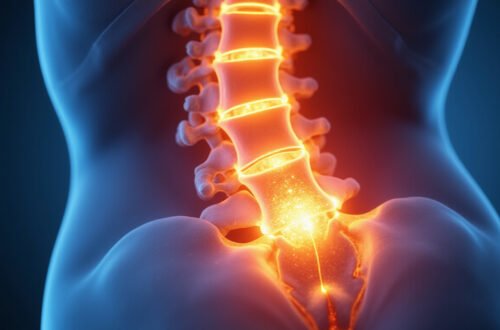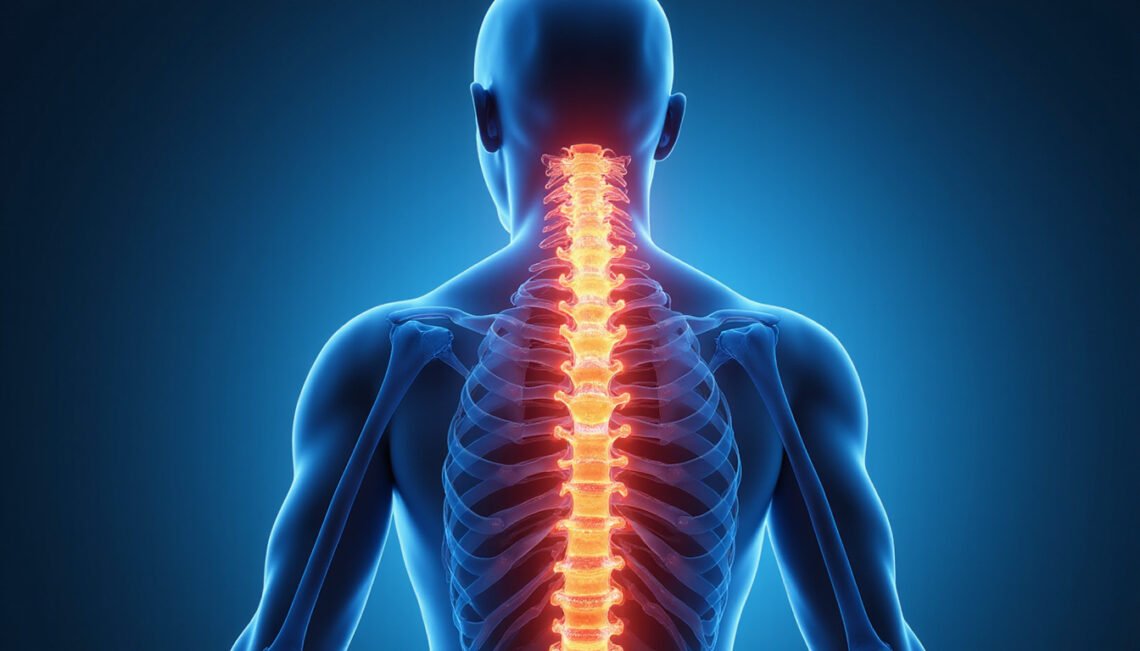
Spinal nerve pain is a common yet often misunderstood condition that can significantly impact daily life. Whether it arises suddenly or develops gradually, spinal nerve pain can cause discomfort, limit mobility, and reduce overall quality of life. In this article, we will explore spinal nerve pain in detail—examining its symptoms, causes, and effective treatments—to help you better understand this condition and find the relief you need.
What Is Spinal Nerve Pain?
Spinal nerve pain refers to discomfort or pain that originates from irritation or damage to the nerves emerging from your spinal cord. These nerves radiate through your vertebrae and extend into various parts of your body, transmitting signals for movement, sensation, and reflexes. When spinal nerves are compressed, inflamed, or injured, it can lead to symptoms like sharp, shooting pain, tingling, numbness, or weakness along the nerve’s pathway.
This condition is often associated with spinal disorders such as herniated discs, spinal stenosis, or nerve impingement and can affect individuals of all ages, especially those with physically demanding jobs or sedentary lifestyles.
Recognizing the Symptoms of Spinal Nerve Pain
Identifying spinal nerve pain early is crucial for timely treatment and better outcomes. The symptoms can vary depending on which nerve or area of the spine is affected:
- Localized pain: Pain concentrated around the spine or lower back area.
- Radiating pain: Sharp or burning pain that travels down the arms or legs, commonly called radiculopathy.
- Numbness or tingling: Pins-and-needles sensation in the extremities or affected regions.
- Muscle weakness: Difficulty in moving or controlling muscles, sometimes leading to loss of coordination.
- Reduced reflexes: Decreased responsiveness in certain muscles or joints.
If you experience any of these symptoms persistently, it’s important to consult a healthcare professional for proper diagnosis.
Common Causes of Spinal Nerve Pain
Understanding what triggers spinal nerve pain helps in managing and preventing symptoms. Here are some of the most common causes:
- Herniated or Bulging Discs: Discs act as cushions between vertebrae. When a disc herniates or bulges, it can press on nearby spinal nerves, causing pain and discomfort.
- Spinal Stenosis: This condition involves the narrowing of the spinal canal, which compresses the nerves and leads to symptoms like pain and numbness.
- Degenerative Disc Disease: Over time, discs lose hydration and elasticity, leading to wear and tear that can irritate spinal nerves.
- Spondylolisthesis: A vertebra slips forward over the one below it, potentially pinching a spinal nerve.
- Trauma or Injury: Accidents or falls may injure the spine or surrounding tissues, causing nerve pain.
- Infections or Tumors: Rarely, infections or abnormal growths in the spine can affect nerves.
Lifestyle factors such as poor posture, obesity, and lack of exercise also contribute to the likelihood of developing spinal nerve pain.
How Is Spinal Nerve Pain Diagnosed?
Diagnosing spinal nerve pain involves a thorough clinical evaluation. A healthcare provider will review your medical history, conduct a physical exam, and often recommend imaging studies such as:
- MRI (Magnetic Resonance Imaging): Provides detailed images of soft tissues, including discs and nerves.
- CT Scan: Helps visualize bone structures and detect narrowing or bone spurs.
- X-rays: Useful for spotting alignment issues or fractures.
- Electromyography (EMG): Measures electrical activity in muscles to assess nerve function.
Accurate diagnosis is essential to determine the most appropriate treatment plan.
Effective Treatments for Spinal Nerve Pain
Managing spinal nerve pain typically requires a combination of approaches tailored to the individual’s specific condition and severity of symptoms. Here are the most effective treatment options:
1. Conservative Treatments
- Physical Therapy: Customized exercises help strengthen muscles supporting the spine, improve flexibility, and relieve pressure on nerves.
- Medications: Over-the-counter pain relievers (like NSAIDs), muscle relaxants, or prescription medications may reduce inflammation and pain.
- Heat and Cold Therapy: Applying heat packs or cold compresses can alleviate muscle spasms and nerve irritation.
- Lifestyle Modifications: Weight management, ergonomic adjustments at work, and avoiding activities that exacerbate symptoms can be beneficial.
2. Interventional Treatments
- Epidural Steroid Injections: Corticosteroids injected near the affected nerve can reduce inflammation and pain temporarily.
- Nerve Blocks: These injections interrupt pain signals and provide relief.
3. Surgical Options
When conservative and interventional treatments do not provide sufficient relief, surgery might be necessary. Common procedures include:
- Discectomy: Removal of herniated disc material pressing on nerves.
- Laminectomy: Removal of part of the vertebra to widen the spinal canal.
- Spinal Fusion: Joining two or more vertebrae to stabilize the spine.
Surgery typically has a high success rate but should be considered carefully in consultation with a spine specialist.
Combining Treatments for Optimal Relief
In many cases, combining physical therapy with medication and lifestyle changes produces the best outcomes. It’s important to follow your healthcare provider’s recommendations closely and report any changes in symptoms.

Preventing Spinal Nerve Pain: Tips for a Healthy Spine
Prevention plays a key role in reducing the risk of spinal nerve pain. Here are some helpful tips to maintain spinal health:
- Practice good posture while sitting or standing.
- Use ergonomic furniture and adjust your workstation.
- Lift heavy objects properly – use your legs, not your back.
- Stay active with regular low-impact exercises like walking, swimming, or yoga.
- Maintain a healthy weight.
- Avoid prolonged sitting or repetitive motions without breaks.
- Quit smoking, as it can impair spinal disc health.
Adopting these habits can protect your spine and reduce nerve irritation.
Frequently Asked Questions About Spinal Nerve Pain
Q1: What does spinal nerve pain feel like?
Spinal nerve pain often presents as sharp, burning, or shooting pain that can radiate into the arms or legs. It may also cause numbness, tingling, or muscle weakness in affected areas.
Q2: Can spinal nerve pain go away on its own?
Mild cases of spinal nerve pain may improve with rest, physical therapy, and lifestyle changes. However, persistent or severe pain requires medical evaluation and treatment to prevent complications.
Q3: Are there any exercises to help with spinal nerve pain?
Yes. Physical therapists recommend targeted exercises that strengthen the core muscles, improve flexibility, and relieve pressure on spinal nerves. It is important to perform them under professional guidance.
For detailed guidance on managing nerve-related pain, resources from the American Academy of Orthopaedic Surgeons offer comprehensive information (source).
Take Action Today for a Pain-Free Tomorrow
Living with spinal nerve pain can be challenging, but understanding its symptoms, causes, and treatments empowers you to take control of your health. Early diagnosis and proper care can dramatically improve your quality of life and prevent long-term disability. If you’re experiencing symptoms of spinal nerve pain, don’t wait—schedule an appointment with a spine specialist or healthcare provider today. Together, you can develop a personalized treatment strategy that brings relief and restores your mobility.
Remember, your spine is the foundation of your body’s strength and flexibility. Invest in your spinal health now to enjoy a pain-free, active future.