Spinal cord injuries are life-altering events that affect thousands of people worldwide each year. The spinal cord, a vital part of the central nervous system, transmits signals between the brain and the rest of the body. Damage to this crucial structure can lead to partial or complete loss of motor function, sensation, and autonomy. In this article, we will explore the causes and symptoms of spinal cord injuries, as well as the latest breakthroughs in treatment that are providing hope to patients and their families.
Understanding the Spinal Cord and Its Importance
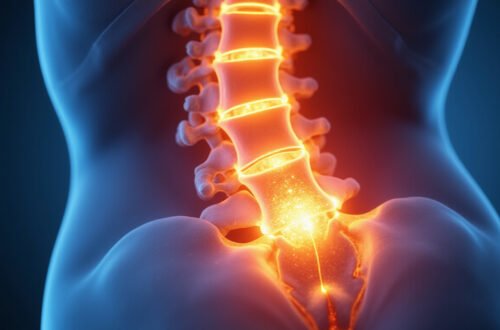
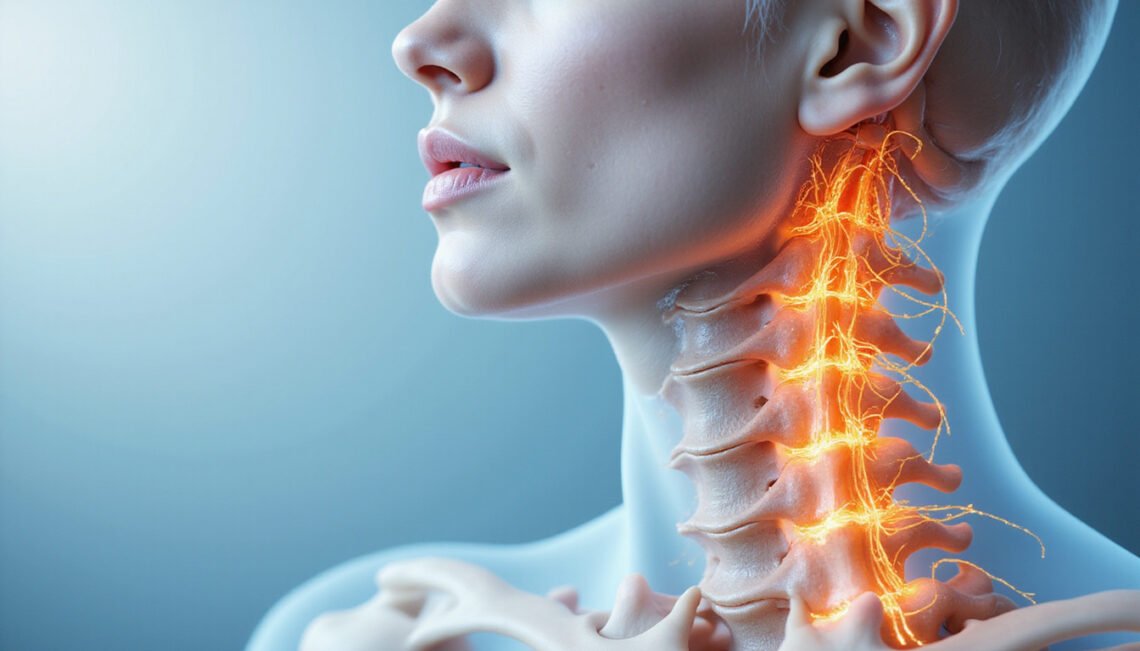
The spinal cord is a long, cylindrical bundle of nerves protected by the vertebrae of the spine. It serves as a communication highway, carrying messages from the brain to muscles and organs and vice versa. Because it is surrounded by bone and cerebrospinal fluid, the spinal cord benefits from substantial protection; however, traumatic accidents, disease, or other factors can cause injury resulting in serious impairment.
Common Causes of Spinal Cord Injuries
Spinal cord injuries occur due to several factors, often involving sudden trauma or chronic conditions:
-
Traumatic Injuries
- Motor vehicle accidents are the leading cause of spinal cord injury, accounting for nearly half of new cases annually.
- Falls, especially in elderly individuals, also represent a significant cause.
- Sports-related injuries from activities like football, diving, and skiing frequently result in spinal cord trauma.
- Acts of violence including gunshot wounds or stab injuries.
-
Non-Traumatic Causes
- Diseases such as tumors, infections, or inflammation of the spinal cord (myelitis).
- Degenerative diseases like spinal stenosis or herniated discs that compress the spinal cord over time.
- Vascular disorders affecting blood flow to the spinal cord.
Understanding the cause can help guide treatment options and rehabilitation goals.
Recognizing Symptoms of Spinal Cord Injury
Symptoms vary widely depending on the injury’s location and severity but often include:
- Loss of movement or paralysis below the injury site.
- Loss or altered sensation including numbness or tingling.
- Impaired bladder and bowel control.
- Difficulty breathing if the injury affects the upper spinal cord.
- Severe pain or pressure in the neck, back, or head at injury onset.
Symptoms may appear immediately or worsen over time if swelling or bleeding occurs.
Latest Advances in Treatment for Spinal Cord Injuries
While spinal cord injuries currently have no universal cure, recent medical advances are improving outcomes dramatically. Here are key areas of progress:
1. Acute Care and Surgical Interventions
Rapid stabilization of the spine following trauma is critical to prevent further damage. Surgery aims to remove bone fragments, relieve pressure on the cord, and stabilize vertebrae with rods or screws. Early surgical intervention is associated with improved neurological recovery.
2. Rehabilitation Technology
Rehabilitation remains central to helping patients regain function. Innovations include:
- Robotic exoskeletons that assist with walking and movement training.
- Functional electrical stimulation (FES) to activate paralyzed muscles and prevent muscle atrophy.
- Virtual reality (VR) environments to enhance neuroplasticity and engagement.
3. Stem Cell and Regenerative Therapies
Stem cell therapy holds promise for repairing spinal cord damage by promoting nerve regeneration and reducing scarring. Though still largely experimental, clinical trials have shown some improvements in sensory and motor functions. Scientists are investigating various stem cell types including neural progenitor cells and mesenchymal stem cells.
4. Neuroprotective Agents and Pharmaceuticals
Research is ongoing to develop drugs that minimize secondary damage after injury, such as inflammation and cell death. Some promising compounds include riluzole, which blocks nerve excitotoxicity, and anti-inflammatory agents that may limit tissue damage.
5. Electrical Stimulation and Neuromodulation
Recent breakthroughs involve epidural stimulation, where electrodes implanted near the spinal cord deliver electrical impulses. This stimulation can reactivate neural circuits below the injury, enabling voluntary movement and even standing or walking in some patients.
Comprehensive List: Key Treatment Modalities for Spinal Cord Injury
- Emergency spinal immobilization and stabilization
- Surgical decompression and fixation
- Physical and occupational therapy
- Robotic-assisted rehabilitation devices
- Stem cell transplantation protocols
- Pharmacological neuroprotection
- Epidural electrical stimulation (EES)
- Psychological counseling and support services
Frequently Asked Questions (FAQs)
What exactly is a spinal cord injury?
A spinal cord injury occurs when damage to the spinal cord results in loss or impairment of function such as movement or sensation. This damage can be caused by trauma, disease, or degenerative conditions affecting the spinal cord’s structure or blood supply.
Can spinal cord injuries heal naturally?
Complete healing of spinal cord injuries is rare due to the limited regenerative capacity of nerve tissue in the central nervous system. However, some individuals experience partial recovery, especially with timely treatment and rehabilitation. Emerging therapies, such as stem cell treatment and electrical stimulation, are improving the prospects for regeneration.
What are the most promising future treatments for spinal cord injuries?
Recent research highlights stem cell therapies, neuroprotective drugs, and epidural electrical stimulation as promising avenues. Clinical trials are ongoing to optimize these interventions for enhancing functional recovery in spinal cord injury patients.
Conclusion: Hope on the Horizon for Spinal Cord Injury Survivors
Spinal cord injuries present formidable challenges, but advances in medical science are changing the landscape of care. From improved surgical techniques to groundbreaking regenerative therapies and neurostimulation, patients today have better resources and hope than ever before. If you or a loved one has experienced a spinal cord injury, consulting specialists who stay abreast of these innovations is essential for the best possible outcomes.
For more detailed information about spinal cord injuries and ongoing research, visit the National Institute of Neurological Disorders and Stroke (NINDS) website (source).
Don’t wait to seek expert advice—early intervention and cutting-edge therapy can make a profound difference. Embrace the future of spinal cord injury treatment and empower your recovery journey today!