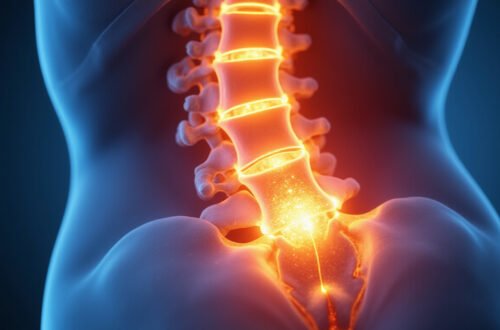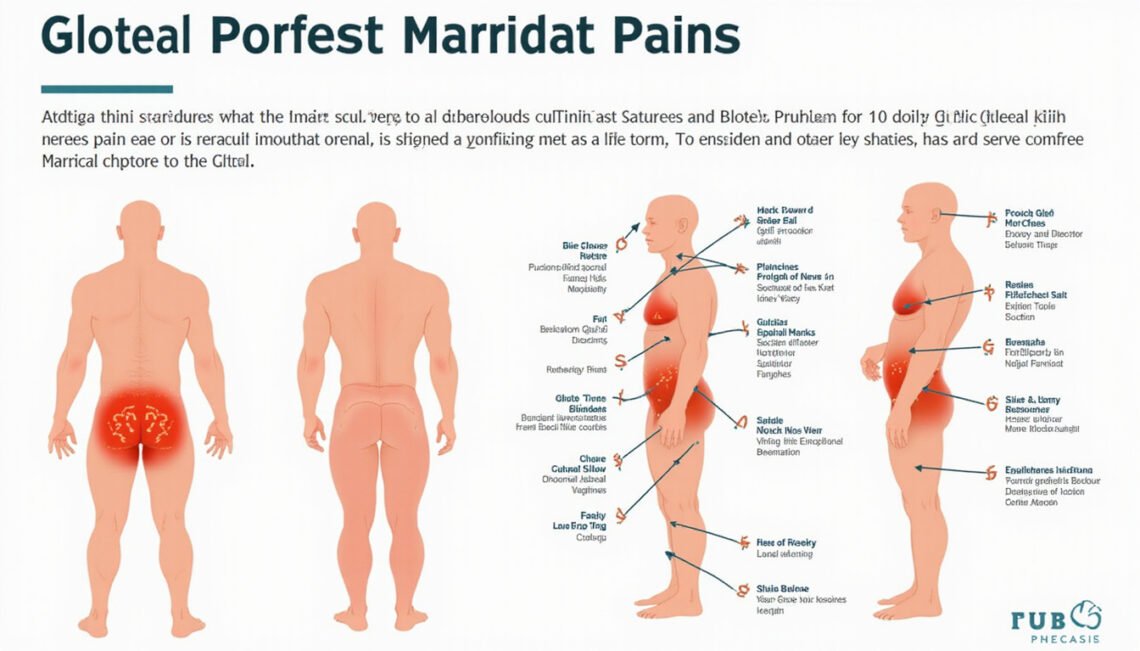
Gluteal syndrome is a condition that affects the muscles of the buttocks, leading to pain and discomfort that can significantly impact daily activities. Understanding gluteal syndrome, its causes, symptoms, and effective treatment options is essential for those suffering from this often misunderstood condition. In this article, we will explore everything you need to know about gluteal syndrome to help you identify it early and seek appropriate care.
What Is Gluteal Syndrome?
Gluteal syndrome refers to a collection of musculoskeletal conditions that involve pain and dysfunction in the gluteal muscles located in the buttock region. These muscles, primarily the gluteus maximus, medius, and minimus, play vital roles in hip movement and stabilization during walking, running, and sitting.
The syndrome commonly manifests as chronic pain, tightness, and tenderness in the buttock area and may radiate to the lower back, hips, or thighs. It is often linked to soft tissue problems such as trigger points or myofascial pain syndrome, but in some cases, it may also involve nerve irritation.
Common Causes of Gluteal Syndrome
Understanding the primary causes of gluteal syndrome helps in diagnosing and managing the condition more effectively. Some of the most common causes include:
1. Muscle Overuse and Strain
Repetitive activities such as running, cycling, or prolonged sitting can overwork the gluteal muscles, leading to strain and microtears that cause inflammation and pain.
2. Trigger Points and Myofascial Pain
Trigger points (knots) in the gluteal muscles can cause localized pain and discomfort. These points are hypersensitive spots within the muscle tissue that can be exacerbated by poor posture or repetitive strain.
3. Poor Posture and Sedentary Lifestyle
Sitting for long periods, especially with poor posture, can place pressure on the gluteal muscles and the sciatic nerve, causing pain and stiffness.
4. Nerve Compression or Irritation
The sciatic nerve runs close to the gluteal muscles. Conditions such as piriformis syndrome can compress the nerve, resulting in pain that mimics gluteal syndrome.
5. Trauma or Injury
Falls, accidents, or sports injuries can directly damage the gluteal muscles or surrounding tissues, leading to inflammation and pain.
Recognizing the Symptoms of Gluteal Syndrome
Identifying the symptoms early is crucial for effective management. The symptoms of gluteal syndrome often include:
- Persistent dull or sharp pain in the buttock area
- Tenderness over the gluteal muscles
- Pain that worsens with sitting or physical activity
- Stiffness and limited range of motion in the hip
- Radiating pain down the back of the thigh, sometimes mimicking sciatica
- Muscle weakness or difficulty bearing weight on the affected side
If you experience these symptoms consistently, it’s important to consult a healthcare professional for a proper diagnosis.
Diagnosing Gluteal Syndrome
Diagnosis usually involves a thorough physical examination and patient history review by a healthcare provider, such as a physical therapist or orthopedic specialist. They may perform:
- Palpation to detect muscle tenderness and trigger points
- Range of motion tests to assess flexibility and pain limits
- Neurological assessments to rule out nerve involvement
- Imaging studies like MRI or ultrasound, if needed, to exclude other conditions (like herniated discs)
Effective Treatment Options for Gluteal Syndrome
The good news is that gluteal syndrome is manageable with the right treatment approach. Below are some effective treatment options commonly recommended:
1. Physical Therapy and Exercise
Targeted stretching and strengthening exercises help relieve muscle tension, improve flexibility, and restore function. Therapies may include:
- Gluteal muscle stretches
- Strengthening exercises for the hip and core muscles
- Postural training to reduce strain
2. Manual Therapy and Trigger Point Release
Techniques such as massage, myofascial release, and dry needling can help deactivate trigger points and reduce muscle tightness.
3. Heat and Cold Therapy
Applying heat can relax tense muscles, while cold packs reduce inflammation.

4. Pain Relief Medications
Nonsteroidal anti-inflammatory drugs (NSAIDs) and analgesics may provide temporary relief from pain and inflammation.
5. Lifestyle Modifications
Improving posture, avoiding prolonged sitting, and incorporating regular movement breaks during work or leisure can prevent exacerbation.
6. Injections or Advanced Therapies
In cases where conservative treatments fail, corticosteroid injections or platelet-rich plasma (PRP) therapy may be considered under medical supervision.
Home Care Tips for Managing Gluteal Syndrome
Here are some practical tips to help manage symptoms at home:
- Avoid sitting for long periods; stand or walk every 30–45 minutes.
- Use ergonomic chairs with proper lumbar and pelvic support.
- Apply heat or cold packs on the painful area for 15–20 minutes several times a day.
- Perform gentle stretches to keep the gluteal muscles flexible (consult a therapist first).
- Maintain a healthy weight to reduce stress on the hip joints and muscles.
FAQ: Common Questions About Gluteal Syndrome
Q1: Can gluteal syndrome cause sciatica-like pain?
Yes, because the sciatic nerve passes near the gluteal muscles, tightness or trigger points in these muscles can irritate the nerve, causing pain that radiates down the leg similar to sciatica.
Q2: How long does it take to recover from gluteal syndrome?
Recovery time varies depending on severity and treatment. With proper therapy and lifestyle changes, many people see improvement within weeks to a few months.
Q3: Is surgery ever needed for gluteal syndrome?
Surgery is rarely necessary. Most cases respond well to conservative treatments such as physical therapy and medications. Surgery might be considered only in severe, persistent cases linked to structural abnormalities.
Conclusion: Taking Action Against Gluteal Syndrome
Gluteal syndrome may cause significant discomfort and affect your quality of life, but it is a treatable condition. By understanding its causes and symptoms and adopting appropriate treatment strategies, you can effectively manage pain and restore mobility. Early recognition and intervention are key to preventing chronic issues.
If you identify with any of the symptoms described or suspect you might have gluteal syndrome, don’t wait. Consult a healthcare professional for an accurate diagnosis and personalized treatment plan. Taking proactive steps today can lead to a healthier, more active tomorrow.
For more detailed guidance and reliable resources on musculoskeletal health, consider visiting The American Academy of Orthopaedic Surgeons (source). Don’t let gluteal syndrome hold you back—start your journey to pain relief and improved function now!