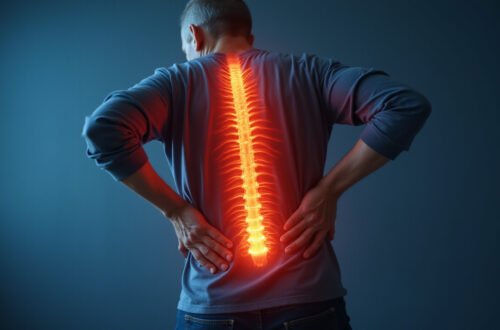
Sciatica pain can be particularly challenging for seniors, impacting mobility and quality of life. Fortunately, targeted sciatica exercises for seniors can provide significant relief, improve flexibility, and promote faster recovery. In this article, we will explore effective exercises specifically designed to address sciatica pain in older adults, helping them regain comfort and maintain independence.
Understanding Sciatica in Seniors
Sciatica is caused by irritation or compression of the sciatic nerve, which runs from the lower back down through the hips, buttocks, and legs. For seniors, common factors such as age-related degeneration, spinal stenosis, or herniated discs can exacerbate sciatic nerve issues. Pain often manifests as sharp, burning sensations or numbness and weakness in the legs.
Before beginning any exercise routine, it’s essential for seniors to consult with a healthcare professional to ensure that these movements are safe based on individual health conditions.
Benefits of Sciatica Exercises for Seniors
Regularly performing sciatica exercises for seniors offers various benefits:
- Pain Relief: Specific stretches and strengthening movements can alleviate nerve pressure.
- Improved Mobility: Increased flexibility helps maintain an active lifestyle.
- Enhanced Muscle Support: Strengthening core and lower back muscles stabilizes the spine.
- Faster Recovery: Gentle activity prevents stiffness and promotes healing.
Precautions Before Starting Sciatica Exercises
To avoid aggravating sciatica symptoms, seniors should:
- Start slowly and perform exercises gently.
- Avoid any movements that cause sharp or worsening pain.
- Use supportive equipment like a chair or mat as needed.
- Maintain proper posture throughout exercises.
- Stop immediately if symptoms worsen.
Top Sciatica Exercises for Seniors
Below are effective and safe sciatica exercises for seniors to relieve pain fast:
1. Seated Piriformis Stretch
The piriformis muscle can irritate the sciatic nerve when tight. This stretch targets the muscle and releases tension.
- Sit on a sturdy chair with feet flat on the floor.
- Place the right ankle over the left knee, creating a figure-four shape.
- Gently lean forward, keeping your back straight, until a stretch is felt in the buttock.
- Hold for 20-30 seconds, then switch sides.
- Repeat 2-3 times on each leg.
2. Knee-to-Chest Stretch
This stretch helps lengthen the lower back and gluteal muscles, relieving pressure on the sciatic nerve.
- Lie on your back on a comfortable surface.
- Bend one knee and gently pull it toward your chest using your hands.
- Keep the other leg extended and your head supported.
- Hold for 20-30 seconds, then switch legs.
- Perform 3 repetitions on each side.
3. Pelvic Tilt
Strengthening the lower back and abdominal muscles can provide stability to the spine.
- Lie on your back with knees bent and feet flat on the floor.
- Tighten your abdominal muscles and press your lower back into the floor.
- Hold for 5 seconds, then relax.
- Repeat 10-15 times.
4. Standing Hamstring Stretch
Tight hamstrings can aggravate sciatica by pulling on the pelvis.
- Stand upright with one foot slightly in front.
- Slowly bend at the hips toward the front leg, keeping the knee slightly bent.
- Reach toward your toes until you feel a stretch in the back of your thigh.
- Hold for 20-30 seconds; switch legs.
- Repeat 2-3 times per leg.
5. Cat-Cow Stretch
This yoga-inspired movement promotes spinal flexibility and reduces nerve irritation.
- Start on hands and knees with a neutral spine.
- Inhale and arch your back, lifting your head and tailbone toward the ceiling (Cow Pose).
- Exhale and round your back, tucking your chin to your chest (Cat Pose).
- Move slowly between these positions for 8-10 repetitions.
Tips for Maximizing Exercise Benefits
- Perform exercises consistently, ideally daily.
- Combine exercises with other treatments like heat therapy.
- Stay hydrated and maintain a balanced diet to support muscle health.
- Listen to your body and adjust intensity accordingly.
Helpful Equipment for Seniors Performing Sciatica Exercises
- Comfortable mats or cushions for floor exercises.
- Supportive chairs for seated stretches.
- Resistance bands for gentle strengthening (advanced exercises).
FAQ: Sciatica Exercises for Seniors
Q1: What are the safest sciatica exercises for seniors with limited mobility?
Gentle seated stretches like the piriformis stretch and pelvic tilts are safe and effective. These exercises require minimal movement and can be performed using support.
Q2: How quickly can seniors expect pain relief from sciatica exercises?
While some may feel improvements within a few days, consistent practice over several weeks typically yields significant pain relief and increased mobility.
Q3: Are there any exercises seniors should avoid with sciatica?
Seniors should avoid high-impact activities, heavy lifting, and exercises that involve sudden twisting or bending, as these can worsen nerve irritation.
When to Seek Professional Help
If sciatica pain worsens, spreads, or is accompanied by severe weakness, numbness in the legs, or loss of bladder or bowel control, immediate medical attention is necessary. Physical therapists can also provide personalized exercise programs tailored specifically to seniors’ needs.

Conclusion
Sciatica exercises for seniors are a powerful tool to relieve pain fast and improve overall quality of life. By incorporating gentle stretches and strengthening movements into daily routines, seniors can effectively manage sciatica symptoms and maintain their independence. Remember, consistency and proper technique are key to safe and successful outcomes.
For those struggling with sciatica pain, taking the first step toward an exercise routine can feel daunting—but it’s also empowering. Begin with simple movements today, stay mindful of your body’s signals, and reap the benefits of a more comfortable, active life.
For evidence-based guidelines on managing sciatica, consider consulting resources from the Mayo Clinic (source).
Take control of your sciatica pain now by trying these exercises and consulting with your healthcare provider to develop a customized pain relief plan tailored just for you. Your path to relief starts with movement!