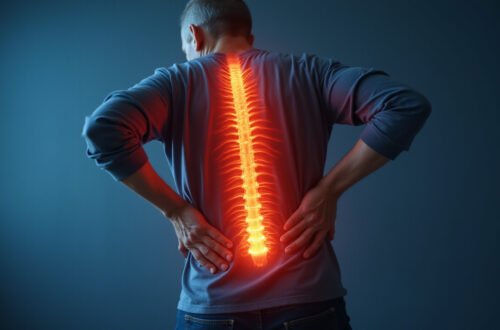
Cauda equina syndrome is a rare but serious neurological condition that requires immediate attention. Within the first 100 words, it’s important to recognize that early symptoms — such as severe lower back pain, saddle numbness, and sudden bladder or bowel problems — can signal this emergency. Delays in diagnosis and treatment increase the risk of permanent paralysis, incontinence, or sexual dysfunction. This guide explains what to look for, what happens next in the emergency setting, and the practical steps patients, family members, and first responders should take right away.
What is cauda equina syndrome?
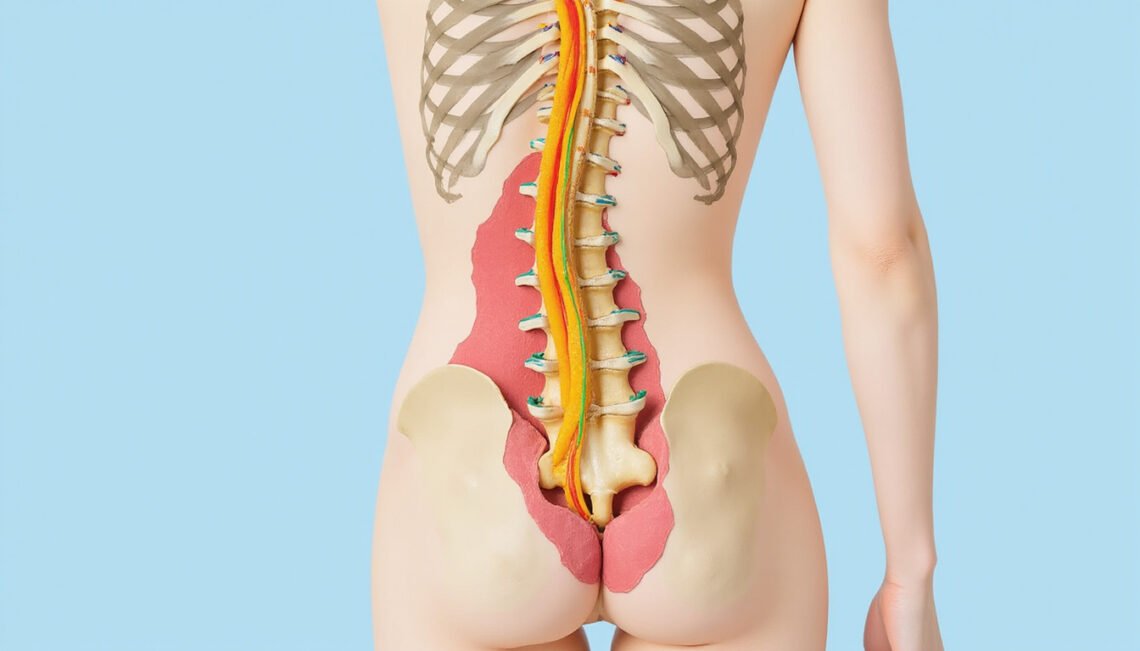
Cauda equina syndrome occurs when the bundle of spinal nerve roots at the lower end of the spinal cord (the cauda equina) becomes compressed. Those nerve roots control movement and sensation in the legs, bladder, bowel, and sexual organs. Causes include a large herniated lumbar disc, spinal stenosis, trauma, infection, tumor, or complications after spinal surgery. Because the nerve roots supply critical functions, compression can produce rapid and irreversible deficits if not treated quickly.
Early symptoms to watch for
Early recognition of cauda equina syndrome can preserve function. Symptoms often evolve quickly over hours to days and commonly include:
- Severe, progressive lower back pain that may radiate to one or both legs.
- Saddle anesthesia: numbness or tingling in the inner thighs, buttocks, perineum, or groin.
- New urinary symptoms: difficulty starting urination, weak urine stream, urinary retention, or sudden incontinence.
- Bowel dysfunction: constipation that is out of proportion to usual habits or loss of bowel control.
- Leg weakness or numbness, especially affecting both legs.
- Sexual dysfunction, such as loss of sensation or difficulty with arousal or erection.
How cauda equina syndrome progresses
The pattern of symptoms can help distinguish cauda equina syndrome from other causes of back pain. Pain may be severe and asymmetric; sensory changes are often in the “saddle” area; and autonomic dysfunction (bladder/bowel) is a red flag. Without prompt decompression of the nerve roots, nerve damage can become permanent. Recovery chances decline rapidly after 48 hours in many cases, so time is critical.
Urgent treatment steps (what to do immediately)
If you suspect cauda equina syndrome, follow these urgent steps without delay:
- Call emergency services or go to the nearest emergency department immediately — this is a neurosurgical emergency.
- Describe the red-flag symptoms to clinicians: new urinary retention or incontinence, saddle numbness, severe progressive leg weakness, or sudden bowel dysfunction.
- Avoid waiting for a scheduled outpatient appointment — insist on urgent assessment and imaging.
- In the ED, clinicians should prioritize spinal imaging (typically an urgent MRI) and neurosurgical consultation.
- If MRI is unavailable and suspicion is high, alternative imaging (CT myelogram) or transfer to a facility with MRI capability should be arranged promptly.
Diagnosis in the hospital: tests and management
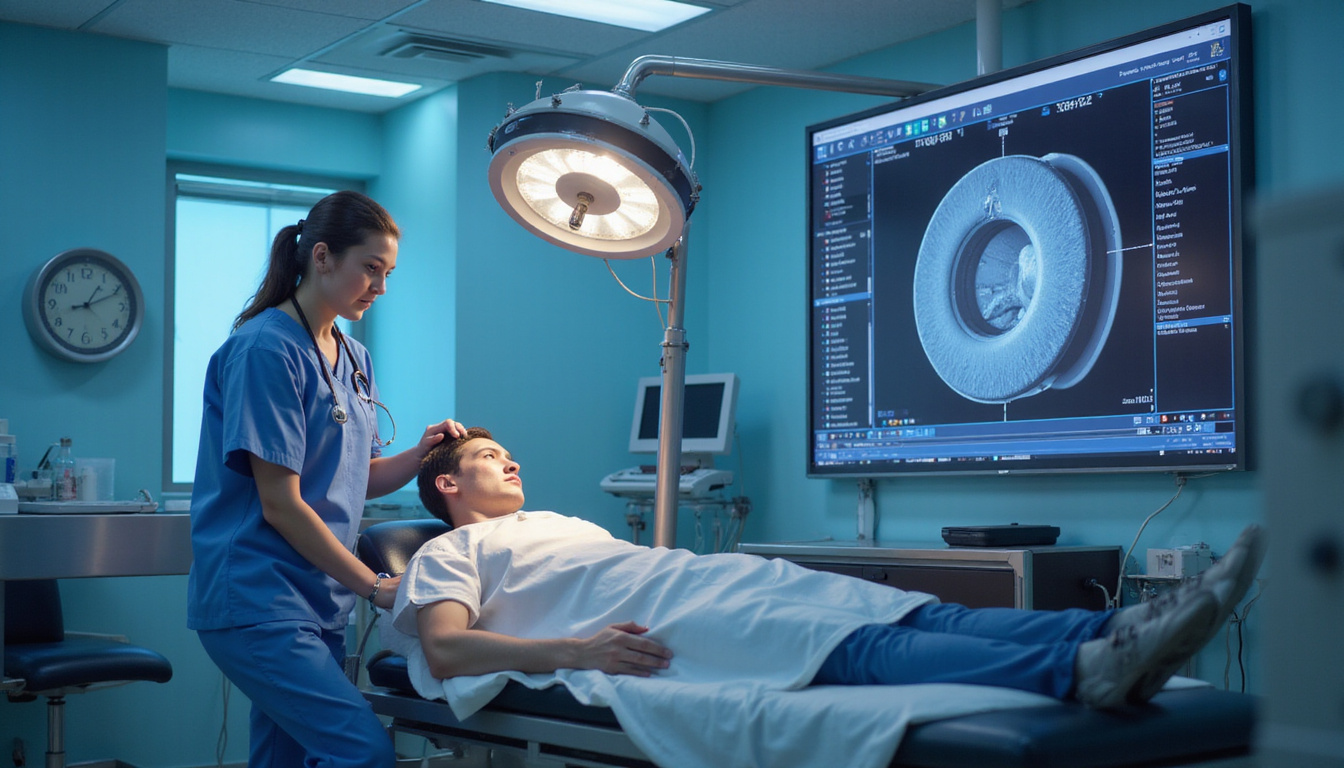
The diagnostic cornerstone is an urgent MRI of the lumbar spine to confirm compression of the cauda equina nerve roots and identify the cause (e.g., large disc herniation). Where MRI is not immediately available, CT myelogram can be used. After imaging confirms compression, neurosurgeons or spine surgeons usually recommend emergency surgical decompression — typically a laminectomy or discectomy — to relieve pressure on the nerves. Timing matters: most specialists aim to operate as soon as possible, ideally within 24–48 hours of symptom onset, to maximize the chance of recovery (source).
Medical management before and after surgery can include pain control, bladder catheterization if retention is present, and steroids in some cases (though the benefit of steroids is uncertain and should be guided by the treating team). Postoperative care focuses on monitoring neurological recovery, preventing complications, and beginning rehabilitation.
What recovery looks like
Outcomes vary depending on the severity of preoperative deficits and how quickly decompression occurs. Some patients experience significant recovery of bladder, bowel, and leg function when treated early. Others may have persistent problems such as urinary urgency, intermittent incontinence, chronic leg pain, or sexual dysfunction. Early rehabilitation — physical therapy, pelvic floor therapy, and sometimes urology or gastroenterology follow-up — improves functional outcomes. Psychological support is also important because the condition can have lasting impacts on quality of life.
Risk factors and prevention
Common risk factors include:
- Large lumbar disc herniation
- Spinal stenosis
- Recent spinal surgery or spinal injections
- Spine trauma
- Tumors or infections of the spine
- Anticoagulant use that predisposes to spinal hematoma
Preventive measures focus less on preventing cauda equina syndrome itself — since many causes are sudden — and more on prompt attention to red-flag symptoms. For people with known lumbar disc disease or recent spinal procedures, clear post-procedure instructions about when to seek emergency care can reduce delays.
When to call the doctor vs. call emergency services
- Call emergency services or go to the ER immediately if you have sudden trouble urinating, loss of bowel control, saddle numbness, or rapidly worsening leg weakness.
- Call your doctor or seek urgent outpatient care for new severe back pain without red-flag signs, progressive leg symptoms, or if conservative treatments are failing — but emphasize any new bladder/bowel changes to ensure urgent triage.
Rehabilitation and long-term follow-up
Recovery may require a multidisciplinary approach:
- Physical therapy for mobility, balance, and strength.
- Pelvic floor therapy and bladder training for urinary issues.
- Pain management clinics for chronic neuropathic pain.
- Urology or gastroenterology follow-up for persistent autonomic problems.
- Psychological support and counseling for coping with functional changes.
Authority and evidence
Clinical guidelines and reviews emphasize the urgency of diagnosis and early decompression for suspected cauda equina syndrome. For up-to-date guidance on symptoms and emergency management, reputable health services offer clear, patient-oriented information (source).
FAQ — short answers to common questions
Q: What are the main cauda equina syndrome symptoms to watch for?
A: Look for saddle numbness (numbness in the groin and inner thighs), new urinary retention or incontinence, sudden bowel dysfunction, severe leg weakness, and severe lower back pain. Any combination of these requires emergency assessment.
Q: Can cauda equina compression reverse on its own?
A: Spontaneous recovery without surgical decompression is unlikely if there is significant nerve compression. Early surgical decompression offers the best chance of reversing symptoms, so urgent evaluation is essential.
Q: Is cauda equina syndrome an emergency after spinal surgery?
A: Yes. New urinary problems, bowel incontinence, or worsening leg weakness after spinal surgery could indicate postoperative cauda equina syndrome (or a compressive hematoma) and requires immediate return to the hospital.
Final thoughts and call to action
Cauda equina syndrome is rare but urgent. Quick recognition of early symptoms — especially any urinary or bowel changes, saddle numbness, or new leg weakness — can mean the difference between full recovery and permanent disability. If you or someone you care for develops these warning signs, do not wait: seek emergency medical care immediately and request urgent spinal imaging and neurosurgical assessment. If you have chronic spine problems, speak with your clinician about clear written instructions to use after spine procedures so you and your caregivers know when to act fast. Early action saves nerves and restores lives — get help now if you suspect cauda equina syndrome.