
If you want visible, resilient midsection and better posture, core strengthening should be non-negotiable. This quick, people-first guide gives a simple 10-minute routine you can do anywhere, plus form tips, progressions, and a short FAQ so you know exactly how to make steady gains without wasting time.
Why core strengthening matters
A strong core is more than aesthetics. Core strengthening builds stability through the deep abdominal, back, and pelvic muscles that support your spine. That stability improves balance, reduces the risk of low-back pain, enhances athletic performance, and makes everyday tasks — lifting groceries, playing with kids, standing at a desk — easier and safer. Research and clinical guidance highlight core work as a key component of functional fitness (Mayo Clinic).
The 10-minute core strengthening routine
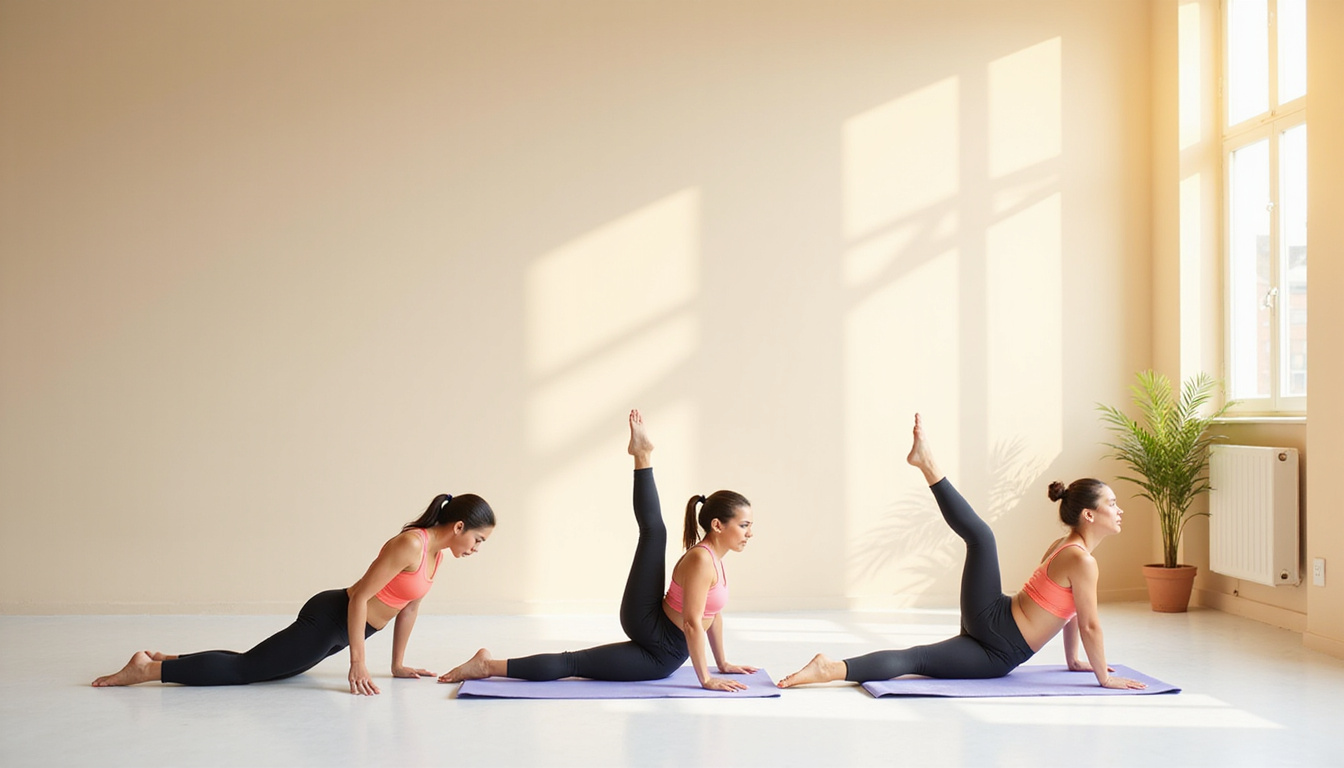
This compact routine is designed as a circuit: 40 seconds of work followed by 20 seconds of rest. Complete the circuit twice for a total of about 10 minutes. Focus on controlled movement and steady breathing rather than rushing.
- Forearm plank — 40 seconds
- Keep a straight line from head to heels, elbows under shoulders, ribs pulled down. Breathe steadily.
- Right side plank — 40 seconds
- Stack feet or stagger them for balance. Press the top hip up and avoid letting the hips sag.
- Left side plank — 40 seconds
- Same cues as the right side. Maintain a neutral neck and breathe.
- Dead bug — 40 seconds
- Lie on your back, hips and knees at 90 degrees. Lower one leg and the opposite arm slowly without arching your low back.
- Bird dog (alternating) — 40 seconds
- From hands and knees, reach opposite arm and leg. Pause at full extension to challenge stability.
- Mountain climbers (slow and controlled) — 40 seconds
- Drive knees forward one at a time with core engaged; avoid bouncing the hips.
Rest for 60–90 seconds after finishing the circuit, then repeat. On days you’re pressed for time, one round still delivers meaningful benefits.
How to perform each move safely
Good form is the backbone of effective core strengthening. Here are quick technique cues to protect your back and get maximum benefit:
- Neutral spine: think about a straight line from your head to your tailbone on planks, and avoid overarching or tucking the low back.
- Diaphragmatic breathing: inhale to prepare and exhale during the effort; never hold your breath.
- Slow and controlled: tempo matters more than speed; control the descent and the return for each rep.
- Quality over quantity: if form breaks down, reduce the hold time or slow the movement.
Modifications and progressions
If you’re new to core strengthening, reduce hold times to 20–30 seconds, perform one circuit, or switch full planks to knee planks. For more challenge, increase holds to 60 seconds, add a light weight to reverse crunches, or incorporate unstable surfaces (like a BOSU) sparingly to increase demand on stabilizers.
Common mistakes to avoid
A few recurring errors will blunt results and increase injury risk:
- Letting the lower back sag during planks — this shifts load off the abs and onto the spine.
- Using hip flexors (front of the hips) to do “abs” — if you feel this in your hips more than your belly, reduce range or change the exercise.
- Holding your breath or rushing reps — steady breathing and controlled tempo engage deeper muscles and build endurance.
Why consistency beats duration
You don’t need long workouts to progress. Short, frequent core strengthening sessions (3 times per week) reliably build endurance and stability over time. Consistent practice with correct form wins over occasional long sessions. For foundational exercise recommendations and additional variations, see guidance from the Mayo Clinic (Mayo Clinic).
How to combine with cardio and strength training
Core work pairs well with full-body strength sessions. Include this 10-minute circuit after resistance training or on active recovery days. For balanced fitness:
- Do compound strength training 2–3 times per week.
- Add the 10-minute core circuit 2–4 times per week depending on your goals.
- Keep separate high-intensity cardio sessions and core sessions so fatigue doesn’t compromise form.
Sample weekly plan
This plan makes core strengthening frequent but manageable:
- Monday: Full-body strength + 10-minute core circuit
- Tuesday: Light cardio or mobility work
- Wednesday: 10-minute core circuit + short HIIT or walk
- Thursday: Rest or yoga
- Friday: Full-body strength + 10-minute core circuit
- Weekend: Active play, hike, or one extra core circuit if you like
Simple progressions: after 4–6 weeks, increase to three total rounds, slow down the tempo, or swap in harder variations (e.g., plank to pike).
One compact, consistent habit can transform posture, reduce back discomfort, and reveal a firmer midsection — without hours in the gym.
FAQ
Q: How often should I do core strengthening exercises?
A: Aim for 2–4 short sessions per week. Two focused 10-minute routines spread across the week can deliver meaningful improvements in stability and endurance. If you’re recovering from injury, consult a professional first.
Q: Will strengthening your core help with lower back pain?
A: Yes — strengthening your core muscles can improve spinal support and reduce certain types of low-back pain when done with proper technique. Pair core exercises with mobility work and posture improvements for the best results.
Q: What’s the difference between core strength and core strengthening exercises?
A: Core strength is the outcome — the ability of your trunk muscles to stabilize and generate force. Core strengthening exercises are the practices (planks, dead bugs, bird dogs, etc.) you use to build that strength. A consistent plan turns exercises into lasting core strength.
One trustworthy resource for exercise guidance is the Mayo Clinic, which outlines safe core exercises and tips for progression (Mayo Clinic).
Start today: 10 minutes to better posture and a stronger midsection
Ready to make core strengthening part of your routine? Set a 10-minute timer, pick a quiet spot, and run through the circuit once. Track how many rounds you complete and aim to add one extra round or an extra 10 seconds per hold each week. Small, consistent steps build measurable strength and confidence. Try this routine three times next week — if you stick with it, you’ll notice better posture, easier movement, and firmer abs in just a few weeks. Want a printable version of the routine or a video walkthrough? Click through to get the downloadable guide and start today.