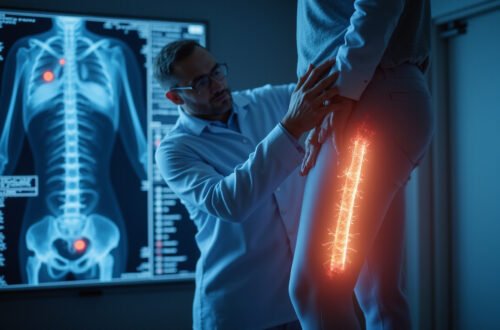
Pregnancy sciatica can turn simple daily activities—walking, standing, or getting out of bed—into painful challenges. If you’re reading this, you’re likely experiencing that sharp, radiating pain that runs from your lower back through your buttock and down one leg. Fortunately, many safe, doctor-approved strategies can reduce discomfort and help you move more comfortably during pregnancy.
What is pregnancy sciatica and why it happens
Pregnancy sciatica refers to pain caused by irritation or compression of the sciatic nerve during pregnancy. Hormonal changes, a shifting center of gravity, increased lumbar lordosis (inward curve of the lower back), and the growing uterus can all place extra pressure on the lower spine and pelvic nerves. Sometimes a tight piriformis muscle in the buttock compresses the nerve (piriformis syndrome), and in other cases, a preexisting disc issue may flare during pregnancy.
Common symptoms to watch for
- Sharp, burning, or electric-shock pain that travels from the lower back or buttock down the back of one leg
- Numbness, tingling, or weakness in the affected leg or foot
- Pain that worsens with prolonged sitting, standing, coughing, or sneezing
If symptoms are severe, sudden, or paired with fever, bowel or bladder changes, or progressive weakness, contact your healthcare provider immediately.
8 doctor-approved safe relief tips for pregnancy sciatica
Below are eight practical, evidence-based strategies commonly recommended by obstetricians, physical therapists, and midwives. These tips are safe for most pregnant people, but always check with your provider before beginning any new exercise or therapy.
-
Prenatal physical therapy and targeted exercises
A prenatal physical therapist can tailor a program that strengthens the core and pelvic stabilizers while stretching tight muscles like the hamstrings and piriformis. Gentle exercises—pelvic tilts, knee-to-chest stretches, and modified cat-cow—often ease pressure on the sciatic nerve. Guided therapy ensures you’re doing moves safely for your trimester. -
Use heat and ice strategically
Applying a warm pack to the lower back or buttock for 15–20 minutes can relax tight muscles. Cold packs applied for short periods may reduce inflammation after activity. Alternate heat and ice based on what feels better, and never apply heat directly to the abdomen. -
Maintain good posture and body mechanics
Stand tall with shoulders back, engage your abdominal muscles gently, and keep hips level. Avoid locking knees and distribute weight evenly on both feet. When lifting, squat with your knees and keep the object close to your body. Proper mechanics reduce strain on the lower back and pelvic nerves. -
Sleep and sitting adjustments
Sleep on the side opposite the painful leg with a pregnancy pillow between your knees to keep hips aligned. When sitting, choose firm chairs with lumbar support and avoid sitting for long stretches—stand up, walk, or perform gentle stretches every 30–45 minutes. -
Supportive maternity gear
A well-fitting maternity belt or pelvic support can decrease pelvic instability and take pressure off the lower back. Choose a belt designed for pregnancy and follow your provider’s advice on how long to wear it each day. -
Gentle hands-on therapies
Chiropractic care and licensed massage therapists experienced in prenatal care can offer relief. Look for practitioners who specialize in pregnancy and use modified techniques. Manual therapies can reduce muscle tension and improve alignment, but communicate your condition and trimester to your therapist. -
Modify daily activities
Small adjustments—like avoiding twisting while reaching, taking stairs slowly, breaking household tasks into shorter segments, and using long-handled tools—can reduce repetitive strain that worsens pregnancy sciatica. -
Safe medication options and pain control (as directed)
If pain is significant, your obstetrician may recommend acetaminophen (paracetamol) as a first-line option. Nonsteroidal anti-inflammatory drugs (NSAIDs) are usually avoided later in pregnancy, and stronger medications should be used only under medical supervision. Discuss the risks and benefits with your provider before taking any medication.
Additional supportive strategies
- Low-impact cardio: Swimming, stationary cycling, and prenatal yoga can improve circulation and reduce stiffness without jarring the spine.
- Breathing and relaxation: Controlled breathing and mindfulness can lower pain perception and make movement easier.
When to call your healthcare provider
Contact your clinician if you experience severe, worsening, or bilateral leg weakness; loss of bladder/bowel control; or sudden, severe back pain. These symptoms could indicate a more serious condition that needs prompt evaluation.
What to expect from medical evaluation
Your provider will take a pregnancy-safe history and may perform a physical exam, including neurological testing of reflexes and muscle strength. Imaging is rarely necessary in pregnancy but may be used if symptoms are severe or atypical. Most cases improve with conservative management.
Evidence and expert guidance
Many obstetric organizations and clinicians recommend conservative, noninvasive treatments for back and pelvic pain in pregnancy—exercises, posture modification, and physical therapy. For general guidance on pregnancy-related pain and safe treatments, refer to trusted sources like the American College of Obstetricians and Gynecologists (ACOG) (https://www.acog.org/womens-health/faqs/back-pain-during-pregnancy) (source).
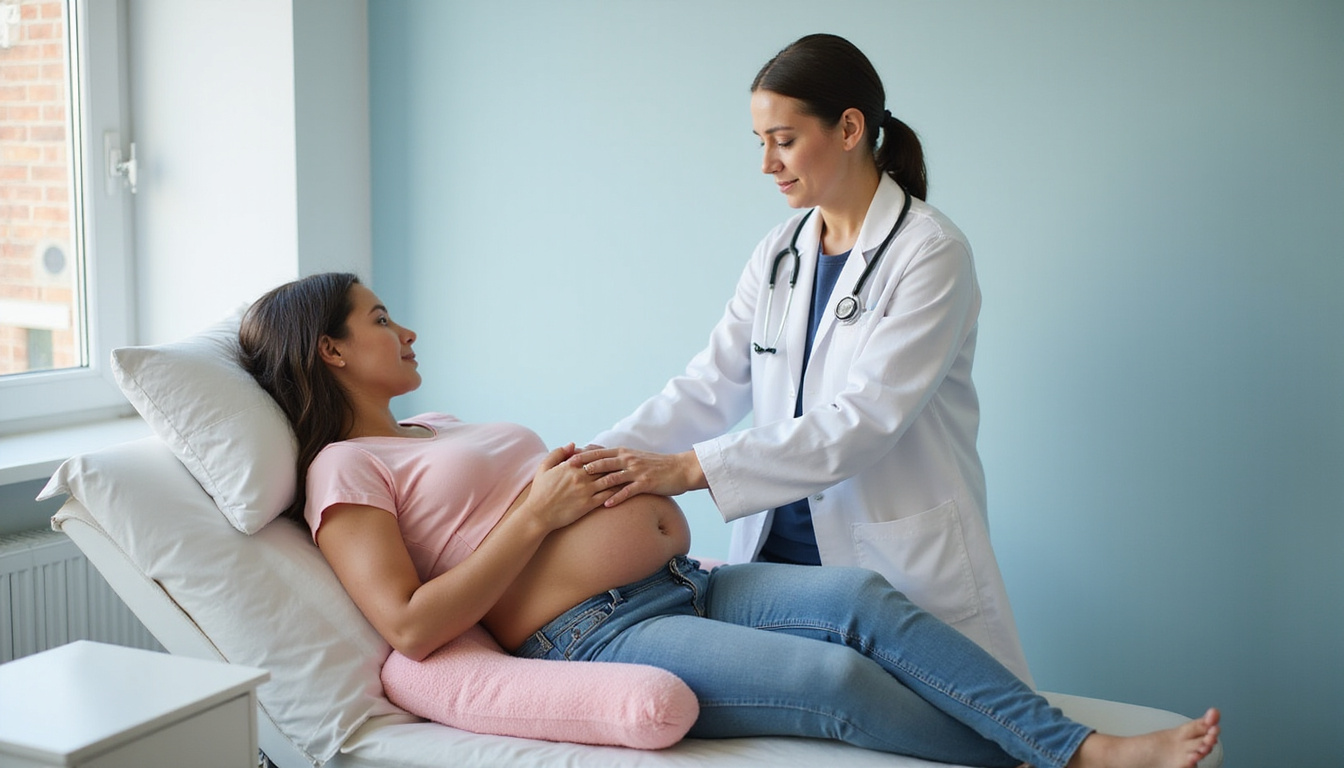
Quick checklist: daily self-care for pregnancy sciatica
- Perform prescribed stretches/exercises 2–3 times daily
- Use heat or ice after activity, as needed
- Wear lumbar or pelvic support during long days
- Take breaks every 30–45 minutes when sitting
- Sleep on your side with a pillow between knees
- Avoid heavy lifting and twisting motions
- Try low-impact exercise like swimming or prenatal yoga
- Consult your provider or a prenatal physical therapist if pain persists
FAQ — common questions about pregnancy sciatica
Q: Is pregnancy sciatica normal?
A: Sciatic-type pain during pregnancy is common due to mechanical and hormonal changes, but “normal” pain still merits attention. If it limits function or causes severe symptoms, seek evaluation and treatment.
Q: How can I relieve sciatica during pregnancy at home?
A: Home relief often includes gentle stretching for the piriformis and hamstrings, heat or ice, posture adjustments, pelvic support, and short walks or swimming. If home measures don’t help, ask your clinician about prenatal physical therapy.
Q: Can sciatica harm my baby?
A: Sciatica affects the mother’s nerves and muscles and does not harm the baby. However, severe or sudden neurological symptoms require prompt medical assessment to rule out other causes.
Safety reminders
- Always coordinate new exercises or therapies with your prenatal care team.
- Avoid treatments or medications not explicitly approved for pregnancy.
- Seek immediate care for red-flag symptoms like sudden weakness, numbness in both legs, or changes in bladder/bowel function.
Final thoughts and call to action
Pregnancy sciatica can be discouraging, but it is usually manageable with the right combination of safe, doctor-approved strategies. Start with gentle stretches, posture changes, and prenatal physical therapy if needed. Use supportive gear, modify daily tasks, and don’t hesitate to talk with your provider about pain control options. If you’d like, schedule an appointment with your obstetrician or a prenatal physical therapist today to create a personalized, trimester-safe plan so you can enjoy your pregnancy with less pain and more mobility.