Conservative Treatment Methods to Heal Knee Pain and Regain Mobility
Knee pain can disrupt everything from your daily walks to your favorite sports. Before considering injections or surgery, most doctors recommend conservative treatment—non-surgical options designed to reduce pain, restore function, and help you move confidently again. When approached systematically, these methods can be highly effective for arthritis, overuse injuries, and many common knee problems.
Below is a practical, evidence-informed guide to conservative approaches that can help you heal knee pain and regain mobility.
What Is Conservative Treatment for Knee Pain?
In orthopedics, conservative treatment refers to non-surgical methods used to manage pain and improve function. The main goals are:
- Reduce inflammation and pain
- Restore strength and flexibility
- Improve joint mechanics and mobility
- Prevent further damage and delay or avoid surgery
These approaches are often the first line of care for conditions like osteoarthritis, patellofemoral pain syndrome (runner’s knee), meniscus irritation (without major tear), tendonitis, bursitis, and mild ligament strains.
Step 1: Activity Modification – Reducing Stress Without Stopping Movement
Stopping all activity usually isn’t the answer. Instead, smart activity modification lets your knee recover while you stay as active as possible.
Adjust, Don’t Just Rest
- Avoid high-impact activities: Temporarily reduce or stop running, jumping, deep squats, and lunges that aggravate pain.
- Switch to low-impact cardio: Try cycling, swimming, elliptical, or walking on flat surfaces instead of hills or stairs.
- Limit prolonged positions: Avoid sitting or standing for long periods; change positions regularly to reduce stiffness.
- Use the pain rule: Mild discomfort (1–3/10) during or after movement can be acceptable, but stop or modify activity if pain spikes or lingers the next day.
Small changes can significantly decrease joint stress while keeping blood flow, muscle activity, and joint nutrition optimal.
Step 2: Conservative Treatment with Physical Therapy and Exercise
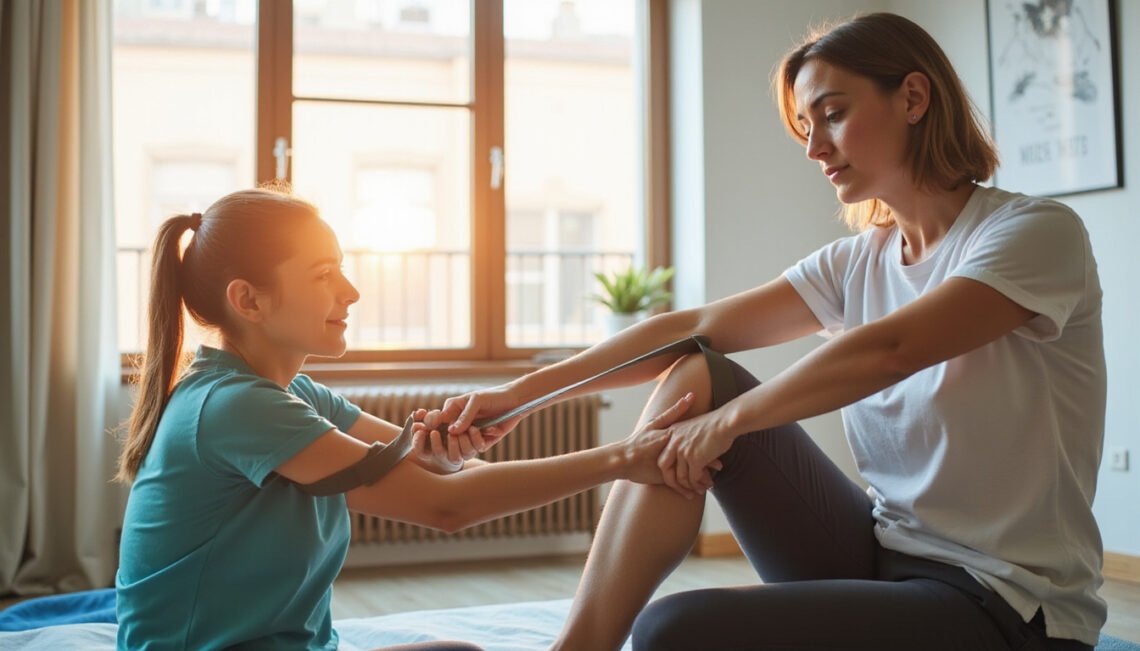
Targeted physical therapy is one of the most effective forms of conservative treatment for knee pain. A skilled physical therapist will assess strength, mobility, and movement patterns, then design a program for you.
Key Components of a Knee-Focused Exercise Program
-
Quadriceps Strengthening
Strong quads stabilize the knee and reduce load on the joint.- Straight-leg raises
- Wall sits
- Short-arc quads (mini-knee extensions)
-
Hip and Glute Strengthening
Weak hips can cause the knee to collapse inward, increasing pain.- Side-lying leg raises
- Clamshells with or without a band
- Bridges and single-leg bridges
-
Hamstring and Calf Strengthening
These muscles help control knee motion and absorb impact.- Hamstring curls (lying or with a band)
- Calf raises on flat ground, progressing to a step
-
Flexibility and Mobility Work
Tight muscles around the knee can change alignment and increase strain.- Quadriceps stretches (standing or side-lying)
- Hamstring stretches (seated or with a strap)
- Calf stretches against a wall
-
Balance and Proprioception
Improving your body’s awareness of joint position helps prevent re-injury.- Single-leg stands
- Single-leg stands on a cushion or balance pad
- Dynamic balance exercises once your pain improves
A structured program is usually performed 3–5 days per week for at least 6–12 weeks. Consistency is critical; conservative treatment works over time, not overnight.
Step 3: Weight Management to Reduce Knee Load
Excess body weight significantly increases pressure on the knees. Research shows that for every pound of body weight, the knee can feel roughly four pounds of extra load during activities like stair climbing (source: Arthritis Foundation).
How Weight Management Supports Recovery
- Reduces everyday joint stress
- Slows progression of osteoarthritis
- Improves response to physical therapy and exercise
Working toward a modest weight loss of 5–10% of your body weight, if recommended by your healthcare provider, can meaningfully reduce symptoms and enhance mobility. A combination of nutrition changes and low-impact movement is usually most sustainable.
Step 4: Conservative Pain Relief Methods (Non-Surgical)
Several non-invasive pain relief options can support your recovery while you strengthen and rehabilitate the knee.
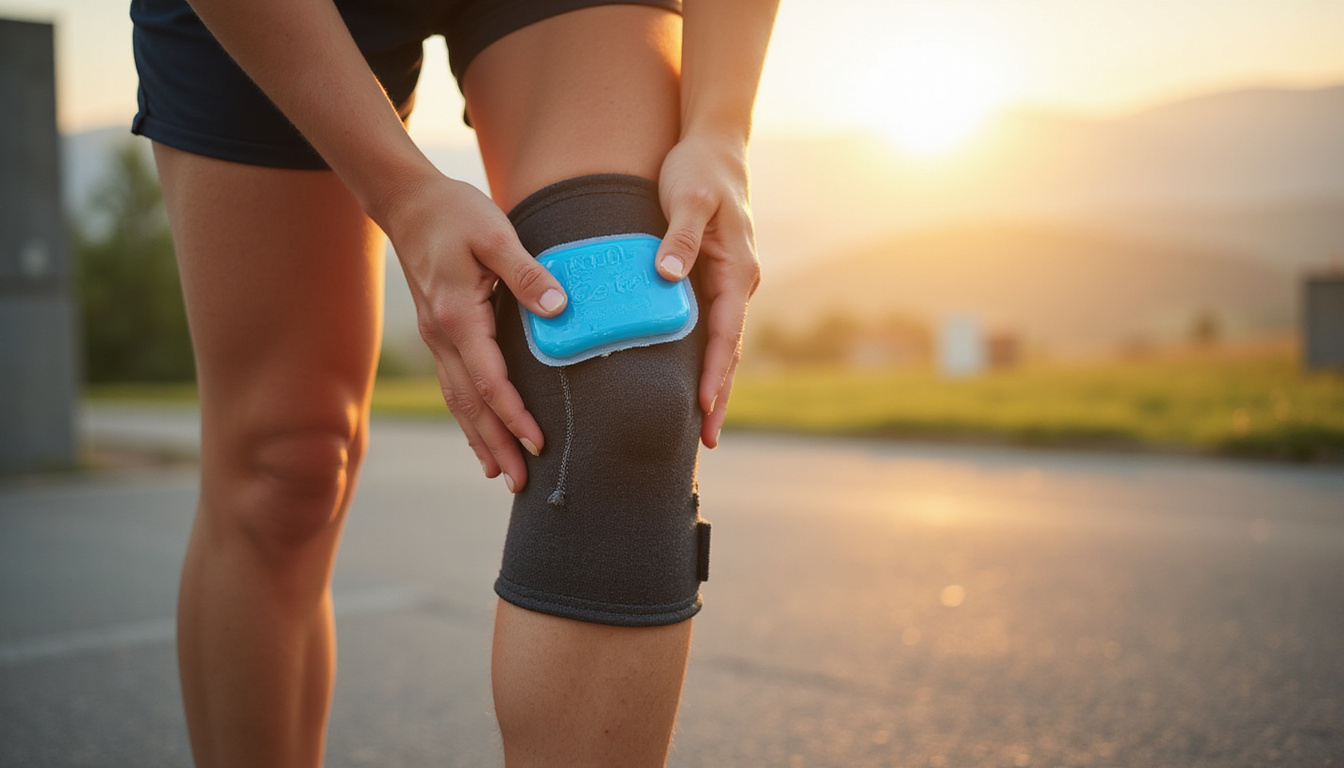
Cold and Heat Therapy
- Ice: Best within the first 48–72 hours of a flare-up or after activity to reduce inflammation.
- Heat: Useful before exercise or activity to relax tight muscles and improve blood flow.
Use either for about 15–20 minutes at a time, always protecting the skin with a cloth.
Over-the-Counter Medication
Commonly used as part of conservative treatment:
- Acetaminophen (paracetamol) can help relieve pain.
- NSAIDs (ibuprofen, naproxen) can reduce both pain and inflammation.
Use the lowest effective dose for the shortest possible time, and always follow label instructions or your doctor’s guidance—especially if you have kidney, heart, or gastrointestinal conditions.
Topical Treatments
- Topical NSAID gels can provide localized pain relief with fewer systemic side effects.
- Capsaicin creams can help some people with chronic knee pain, especially from arthritis.
Step 5: Supports, Braces, and Taping
External supports can be an important part of a conservative treatment plan by helping alignment, reducing strain, and providing a sense of stability.
Braces
- Sleeve braces: Provide mild compression and warmth; good for general aches and swelling.
- Patellar tracking braces: Help guide the kneecap in people with patellofemoral pain syndrome.
- Unloader braces: Designed for knee osteoarthritis affecting one side of the joint; they shift load away from the painful compartment.
A healthcare professional or physical therapist can help you choose the right brace for your condition.
Taping
- Kinesiology taping or rigid taping can:
- Help guide the patella
- Provide light support
- Increase body awareness of the joint
Taping is often used short term, especially during sports or higher-level activities.
Step 6: Footwear and Orthotics
What’s under your foot affects what happens at your knee. Addressing footwear is a subtle but powerful conservative treatment strategy.
Footwear Choices
- Choose supportive shoes with good arch support and shock absorption.
- Avoid very worn-out shoes that tilt your foot inward or outward.
- For some people, minimalist shoes can help, but they should be introduced carefully and ideally with guidance.
Orthotics
- Over-the-counter insoles can help correct mild alignment issues and improve comfort.
- Custom orthotics may be recommended in more complex cases (e.g., significant flat feet or leg length discrepancies).
Improving alignment from the ground up can reduce abnormal forces traveling up to the knee.
Step 7: Lifestyle Habits That Support Healing
Conservative treatment isn’t just about exercises and equipment; your everyday habits matter.
Build Movement Into Your Day
- Take short walking breaks every 60 minutes if you have a desk job.
- Use stairs in moderation—avoid them during bad flare-ups, but don’t avoid them forever if they’re part of your normal life.
- Try gentle joint “motion snacks” throughout the day: bending and straightening your knee within a comfortable range.
Prioritize Recovery
- Sleep: Aim for 7–9 hours; tissue repair happens when you rest.
- Hydration: Staying hydrated supports joint health and overall function.
- Anti-inflammatory nutrition: A diet rich in vegetables, fruits, whole grains, lean proteins, and healthy fats (like olive oil and fatty fish) can help reduce systemic inflammation.
Step 8: When Conservative Treatment Should Include Professional Help
While many conservative strategies can be started at home, some signs mean you should seek medical evaluation:
- Severe pain or sudden swelling after an injury
- Inability to bear weight or a feeling that the knee “gives out”
- Locking (knee gets stuck and won’t fully bend or straighten)
- Visible deformity or major instability
- Fever, redness, and intense warmth around the joint
- Knee pain that persists or worsens after 6–8 weeks of consistent conservative care
A physician, sports medicine doctor, or orthopedic specialist can diagnose the underlying problem with a physical exam and, if needed, imaging. They may refine your conservative treatment plan or, when appropriate, discuss injections or surgical options.
Putting It All Together: A Sample Conservative Treatment Plan
A well-rounded conservative plan often includes several elements at once. For example:
- Modify activity: Replace running with cycling or swimming for 4–6 weeks.
- Begin physical therapy: 2–3 visits per week initially, with home exercises 3–5 days per week.
- Use ice and/or heat: Ice after activity; heat briefly before exercise.
- Consider a brace or taping: Especially during higher-demand tasks.
- Review shoes: Switch to supportive footwear; add simple insoles if needed.
- Address weight and nutrition: If appropriate, work with a dietitian or use a structured plan.
- Reassess: If there’s no meaningful improvement after 6–12 weeks, revisit your provider to adjust the plan.
FAQ: Conservative Treatment for Knee Pain
1. How long should I try conservative treatment for knee pain before considering other options?
Most experts recommend a dedicated trial of conservative treatment for knee pain for at least 6–12 weeks. That means consistent exercise, activity modification, and pain management strategies. If after this period there is little or no progress—or your pain worsens—see your doctor to reassess.
2. Can conservative treatment for knee osteoarthritis really delay surgery?
Yes. Many people with knee osteoarthritis can significantly reduce pain and improve function through conservative treatment for knee osteoarthritis, including weight management, strength training, braces, and lifestyle changes. While it may not reverse arthritis, it can often delay or even avoid the need for knee replacement for some individuals.
3. Is conservative management of knee injury safe to do at home?
For mild to moderate strains, overuse injuries, or gradual-onset pain, conservative management of knee injury—like rest from aggravating activities, ice, basic strengthening, and supportive footwear—is usually safe. However, if you have severe pain, major swelling, a clear injury event, or instability, you should seek medical evaluation before relying solely on home care.
Take the Next Step to Heal Your Knee and Move Freely Again
Knee pain doesn’t have to control your life—or automatically lead to injections or surgery. With a thoughtful, consistent conservative treatment plan built around activity modification, targeted exercise, weight management, pain relief strategies, and supportive lifestyle habits, many people regain mobility, strength, and confidence in their knees.
If knee pain is limiting your daily life, don’t wait for it to “just go away.” Reach out to a qualified healthcare provider or physical therapist, get a clear diagnosis, and start a structured conservative program tailored to your needs. The sooner you begin, the sooner you can get back to walking, climbing stairs, and enjoying the activities you love with less pain and more freedom.