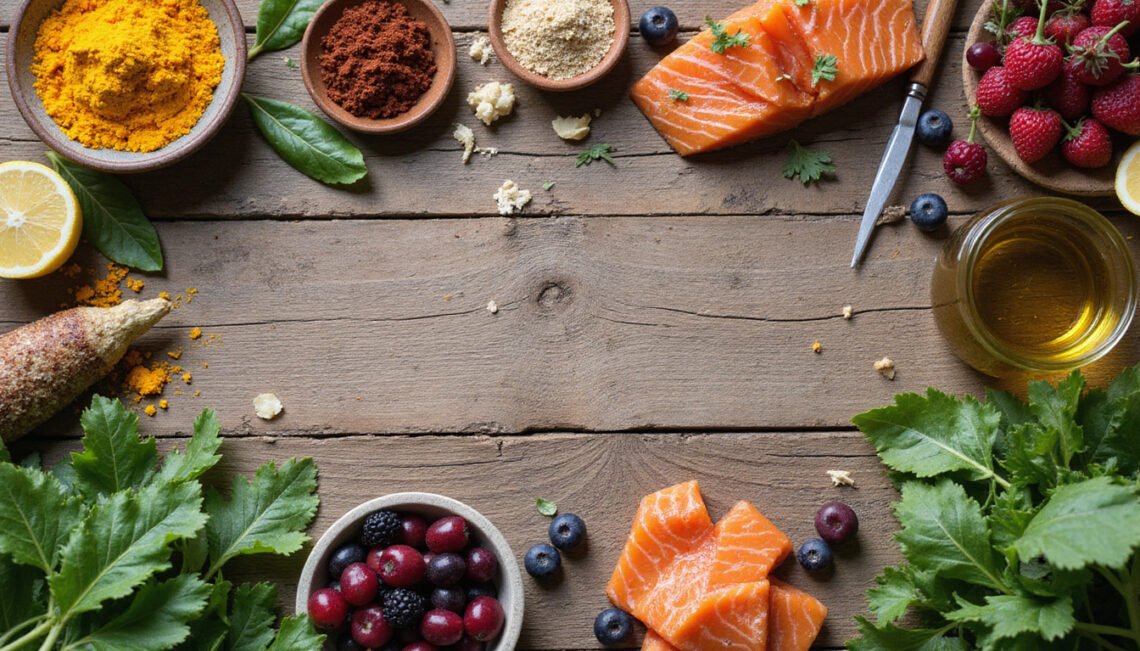
An anti-inflammatory diet is more than a short-term eating plan—it’s a long-term strategy to reduce chronic inflammation, support your immune system, and protect your heart, brain, joints, and gut. Inflammation itself isn’t the enemy; your body uses it to heal injuries and fight infections. The problem is chronic, low-grade inflammation triggered by poor diet, stress, lack of sleep, and environmental factors. The good news: your daily food choices and lifestyle habits can dramatically change that.
Below are eight powerful, science-backed habits to help you build an effective anti-inflammatory diet and lifestyle that’s realistic, enjoyable, and sustainable.
1. Fill Half Your Plate With Colorful Plants
If there’s a single foundation for an anti-inflammatory diet, it’s plants—especially colorful fruits and vegetables. Their pigments (like carotenoids and flavonoids) act as antioxidants, helping neutralize free radicals that drive inflammation and cell damage.
Aim for a “color spectrum” every day:
- Reds (tomatoes, strawberries, red peppers): rich in lycopene and anthocyanins
- Oranges/Yellows (carrots, squash, mango, oranges): high in beta-carotene and vitamin C
- Greens (spinach, kale, broccoli, bok choy): packed with vitamins K, C, folate, and magnesium
- Blues/Purples (blueberries, blackberries, purple cabbage): loaded with anthocyanins and polyphenols
- Whites/Browns (garlic, onions, mushrooms, cauliflower): contain sulfur compounds and prebiotic fibers
Practical goal:
At lunch and dinner, visually fill half your plate with vegetables (raw, roasted, steamed, or sautéed in olive oil). Add one serving of fruit to breakfast and one as a snack.
2. Choose Healthy Fats Over Inflammatory Oils
Fat composition is a major driver of inflammation. A modern Western diet tends to be overloaded with omega-6 fats from processed foods and refined oils (like corn, soybean, and sunflower oils). Excess omega-6—without enough omega-3—can promote inflammatory pathways.
An anti-inflammatory diet focuses on:
- Monounsaturated fats (olive oil, avocado, nuts)
- Omega-3 fats (fatty fish, flax, chia, walnuts)
These fats help reduce inflammatory markers like C-reactive protein (CRP) and support cardiovascular health (source: Harvard T.H. Chan School of Public Health).
Practical swaps:
- Replace butter or margarine with extra-virgin olive oil for most cooking.
- Trade chips and crackers for a handful of nuts and seeds.
- Choose avocado instead of creamy processed dressings.
- Limit deep-fried foods and products listing vegetable oil blends, “shortening,” or “partially hydrogenated” fats.
3. Prioritize Omega-3-Rich Foods Several Times a Week
Omega-3 fatty acids are among the most studied anti-inflammatory nutrients. They help regulate immune function, blood clotting, brain health, and heart health. The three main types are EPA, DHA (found in marine sources), and ALA (from plants).
Best omega-3 food sources:
- Fatty fish: salmon, sardines, mackerel, herring, trout
- Plant sources: ground flaxseed, chia seeds, hemp seeds, walnuts
- Fortified foods: some eggs, milk, and yogurts are enriched with omega-3s
Practical goal:
Aim for two to three servings of fatty fish per week. If you’re plant-based, include ground flaxseed or chia daily and walnuts several times per week. Talk to your healthcare provider before starting omega-3 supplements, especially if you’re on blood-thinning medications.
4. Make Whole, Fiber-Rich Carbs Your Default
Refined carbohydrates and added sugars can spike blood sugar and insulin, which over time promotes inflammation and increases the risk of insulin resistance, type 2 diabetes, and cardiovascular disease. An anti-inflammatory diet emphasizes slow-digesting, fiber-rich carbohydrates.
Choose:
- Whole grains: oats, quinoa, brown rice, buckwheat, barley, farro
- Legumes: lentils, chickpeas, black beans, kidney beans
- Root vegetables: sweet potatoes, carrots, beets
- Intact grains instead of flours when possible (e.g., steel-cut oats vs instant flavored packets)
Limit:
- Sugary cereals, pastries, and white bread
- Sweetened drinks and energy drinks
- Refined pasta and white rice as daily staples
Practical goal:
For most meals, make at least half of your grain choices whole grains, and include beans or lentils several times per week. The fiber feeds your gut microbiome, which plays a key role in modulating inflammation throughout the body.
5. Upgrade Your Protein: Plant-Forward and Minimally Processed
Not all protein sources are equal when it comes to inflammation. Highly processed meats (like sausages, bacon, and deli meats) and charred meats are linked with increased oxidative stress and chronic disease risk.
An anti-inflammatory diet favors:
- Fish and seafood (especially fatty fish)
- Legumes: lentils, beans, peas, soy foods (tofu, tempeh, edamame)
- Poultry: skinless chicken and turkey
- Eggs and fermented dairy: yogurt, kefir (if tolerated)
- Nuts and seeds: as snacks or in meals
Practical strategies:
- Plan one or two meatless days per week, using beans or lentils as your main protein.
- Replace processed meats with grilled fish, baked chicken, or tofu stir-fries.
- Combine plant proteins (like rice and beans) over the course of the day for a complete amino acid profile.
This approach supports lower inflammation while also benefiting your heart, weight, and long-term metabolic health.
6. Harness the Power of Herbs, Spices, and Fermented Foods
An anti-inflammatory diet is not bland. In fact, many of the most anti-inflammatory foods are herbs and spices traditionally used in flavorful cuisines.

Anti-inflammatory flavor boosters:
- Turmeric (with black pepper to boost absorption of curcumin)
- Ginger
- Garlic and onions
- Cinnamon and cloves
- Rosemary, thyme, oregano, basil
Use these liberally in curries, soups, marinades, and roasted vegetables.
Don’t forget your gut:
The gut microbiome is tightly linked to chronic inflammation. Fermented foods provide beneficial bacteria and bioactive compounds that can help maintain a healthy gut environment.
Include:
- Yogurt or kefir (unsweetened)
- Sauerkraut and kimchi
- Miso and tempeh
- Kombucha (low-sugar options)
Practical goal:
Add at least one fermented food daily and use herbs and spices in every savory meal. You’ll improve flavor and support your immune and digestive systems at the same time.
7. Cut Back Strategically on Sugar, Alcohol, and Ultra-Processed Foods
You don’t need to be perfect, but consistent reduction of major pro-inflammatory triggers will make a noticeable difference in how you feel.
Focus first on:
- Sugary drinks: sodas, sweet teas, energy drinks, and many coffee-shop beverages.
- Ultra-processed snacks: chips, candies, packaged baked goods, flavored instant noodles.
- Excess alcohol: regular heavy drinking is strongly linked with higher inflammation.
Simple, sustainable tactics:
- Replace sugary drinks with water, sparkling water with lemon, or herbal tea.
- Keep nuts, fresh fruit, carrots, and hummus on hand so you’re not relying on vending machines.
- If you drink alcohol, follow recommended guidelines (e.g., up to 1 drink/day for women and 2 for men) and have several alcohol-free days per week.
This habit isn’t about restriction for its own sake; it’s about removing frequent “hits” to your immune system so your body can stay in a calmer, more balanced state.
8. Support Your Anti-Inflammatory Diet With Lifestyle Habits
Food is powerful, but it works best alongside lifestyle choices that also lower inflammation. Chronic stress, poor sleep, and inactivity promote inflammatory processes—even if your diet is solid.
Key supportive habits:
-
Move regularly
- Aim for at least 150 minutes/week of moderate aerobic exercise (brisk walking, cycling, swimming) plus 2 days of strength training.
- Movement improves insulin sensitivity, circulation, and reduces inflammatory markers.
-
Prioritize sleep
- Aim for 7–9 hours of quality sleep.
- Poor sleep is associated with higher levels of inflammatory cytokines and increased risk for chronic disease.
-
Manage stress
- Practice deep breathing, meditation, yoga, journaling, or even short nature walks.
- Chronic stress hormones like cortisol can keep inflammation elevated over time.
-
Avoid smoking and vape use
- Tobacco smoke and many vaping products generate oxidative stress and inflammation throughout the body.
An anti-inflammatory lifestyle is a package: what you eat, how you move, how you sleep, and how you cope with stress all interact.
Sample One-Day Anti-Inflammatory Meal Template
To see how these habits look in real life, here’s a simple framework you can customize:
- Breakfast
- Overnight oats made with rolled oats, chia seeds, cinnamon, berries, and unsweetened yogurt or kefir.
- Snack
- A small handful of walnuts and an apple.
- Lunch
- Large salad with mixed greens, cherry tomatoes, cucumber, shredded carrots, chickpeas, avocado, olive oil + lemon dressing, topped with grilled salmon or tofu.
- Snack
- Carrot and bell pepper sticks with hummus.
- Dinner
- Baked turmeric-ginger chicken or lentil stew, served with quinoa and a side of sautéed kale and garlic.
- Evening
- Herbal tea and a few squares of dark chocolate (70%+ cocoa), if desired.
Use this as a starting point, not a strict rulebook. The best anti-inflammatory diet is one you can enjoy and maintain long term.
FAQ: Anti-Inflammatory Diet Questions Answered
1. What is an anti-inflammatory eating plan and who is it for?
An anti-inflammatory eating plan is a way of eating focused on whole, minimally processed foods that help reduce chronic, low-grade inflammation. It emphasizes vegetables, fruits, whole grains, healthy fats, and lean or plant-based proteins while limiting sugar, refined carbs, and ultra-processed foods. It can benefit most people, especially those concerned about heart disease, arthritis, metabolic syndrome, or general long-term health.
2. How long does it take for an anti-inflammatory meal plan to make a difference?
Some people notice changes in energy, digestion, and joint stiffness within a few days to a couple of weeks of consistently following an anti-inflammatory meal plan. Markers like blood lipids or CRP usually require several weeks to a few months to show measurable change, and they depend on your overall lifestyle (sleep, stress, movement) as well.
3. Is a Mediterranean diet the same as an anti-inflammatory diet?
The Mediterranean diet is one of the best-researched examples of an anti-inflammatory eating pattern. It includes olive oil, fish, vegetables, fruits, legumes, whole grains, nuts, and herbs, with limited red meat and sweets. While an anti-inflammatory diet can take many forms (including plant-based versions), the Mediterranean style is a widely accepted template for reducing inflammation and chronic disease risk.
Turn These Anti-Inflammatory Habits Into Your New Normal
You don’t need an extreme cleanse or a rigid rulebook to lower inflammation. Start with one or two habits from this guide—maybe swapping refined carbs for whole grains, adding fatty fish twice a week, or filling half your plate with vegetables—and build from there.
If you’d like help designing a personalized anti-inflammatory diet and lifestyle plan that fits your preferences, medical history, and schedule, consider working with a registered dietitian or qualified health professional. Your body responds quickly to consistent, supportive choices. Begin today with your next meal, and let these eight powerful habits steadily transform your health from the inside out.