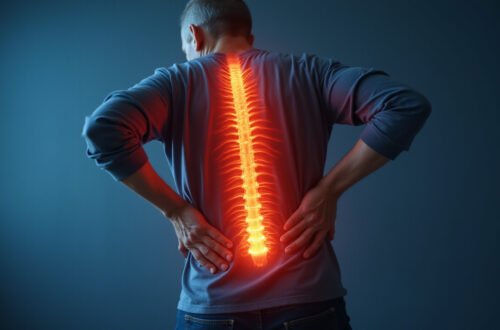
If you’re considering radiofrequency ablation, you’re likely looking for long-term relief from chronic pain or a heart rhythm problem that hasn’t responded to other treatments. Understanding how the procedure works, what it feels like, and how to recover safely can make the entire experience less stressful and more successful.
This guide walks you through what to expect before, during, and after radiofrequency ablation, the most common risks, and practical recovery tips you can use right away.
What Is Radiofrequency Ablation?
Radiofrequency ablation (RFA) is a minimally invasive procedure that uses heat generated by radiofrequency energy to destroy tiny, targeted areas of tissue that are causing symptoms.
It’s most commonly used in two major ways:
- Pain management (nerve ablation): To “turn off” small nerves that are sending chronic pain signals—often in the spine (neck or lower back), sometimes in joints like the knee, hip, or sacroiliac joint.
- Cardiac ablation: To treat certain abnormal heart rhythms (arrhythmias) by disrupting the faulty electrical pathways in the heart.
Because radiofrequency ablation is focused and controlled, it can provide longer-lasting relief than injections or medications, and it often helps people reduce their reliance on pain pills or antiarrhythmic drugs.
Conditions Commonly Treated with Radiofrequency Ablation
Your doctor may recommend radiofrequency ablation if conservative treatments such as physical therapy, anti-inflammatory medications, or injections have not provided enough relief.
For Pain Management
RFA can be used to manage:
- Chronic neck pain from cervical facet joints
- Chronic low back pain from lumbar facet joints
- Sacroiliac (SI) joint pain
- Some types of knee, hip, or shoulder pain
- Certain cancer-related pain syndromes
In these procedures, the target is usually a small sensory nerve that carries pain signals to the brain. By heating and disabling this nerve, those signals are reduced or stopped.
For Cardiac Conditions
Cardiac radiofrequency ablation is commonly used for:
- Supraventricular tachycardia (SVT)
- Atrial flutter
- Many cases of atrial fibrillation (AFib)
- Certain ventricular tachycardias (in select patients)
In the heart, radiofrequency ablation targets the tiny areas of tissue that are causing abnormal electrical signals, restoring a more normal heart rhythm.
How to Prepare for Radiofrequency Ablation
Preparation can vary slightly depending on whether your procedure is for pain or for a heart rhythm problem, but the general principles are similar.
Medical Evaluation and Tests
Your healthcare provider will typically:
- Review your medical history, medications, and allergies
- Perform a physical exam
- Order imaging (X-ray, MRI, CT) or diagnostic nerve blocks for pain procedures
- For cardiac ablation, order EKGs, echocardiograms, Holter monitoring, or imaging of the heart
For pain procedures, doctors often perform diagnostic nerve blocks first. If numbing the suspected nerve temporarily relieves your pain, it’s a good sign that radiofrequency ablation in that area may help.
Medication and Fasting Instructions
Follow your provider’s specific directions, but common instructions include:
- Blood thinners: You may need to stop or adjust certain blood-thinning medications several days before the procedure. Never change these on your own—always follow your specialist’s guidance.
- Diabetes medications: If you are fasting, your diabetes regimen may need temporary adjustment.
- Food and drink: For many RFA procedures, you’ll be asked not to eat or drink for 6–8 hours beforehand, especially if sedation will be used.
Wear comfortable clothing and arrange a ride home, as you may be drowsy or uncomfortable after the procedure.
What to Expect During Radiofrequency Ablation
The exact steps differ between pain-focused and cardiac procedures, but most radiofrequency ablation treatments follow a similar overall pattern.
During a Pain-Management RFA
These procedures are usually done in an outpatient clinic or hospital procedure room.
-
Check-in and preparation
- You’ll change into a gown.
- An IV may be started if you’re receiving sedation.
- Your skin will be cleaned thoroughly and sterilized at the treatment site.
-
Positioning and local anesthesia
- You’ll be positioned on a table—often on your stomach for back procedures.
- The doctor injects local anesthetic (numbing medicine) into the skin and deeper tissues. You may feel brief stinging or pressure.
-
Needle placement under imaging
- Using X-ray (fluoroscopy) or ultrasound guidance, the doctor places thin needles near the target nerve(s).
- You may feel pressure, but the anesthetic helps minimize discomfort.
-
Test stimulation
- Before applying heat, the doctor may send small electrical pulses through the needle.
- You might feel a tapping or buzzing sensation; this helps confirm the needle is in the right spot.
-
Applying radiofrequency energy
- Once positioned correctly, the radiofrequency generator delivers controlled heat (often around 80–90°C) for 60–90 seconds at each site.
- You may feel warmth or mild discomfort. Additional local anesthetic or light sedation can help.
-
Completion and bandaging
- Needles are removed and small bandages are applied.
- You’ll rest in a recovery area for a short time before going home.
Most pain-management radiofrequency ablation procedures take 30–90 minutes from start to finish.
During Cardiac RF Ablation
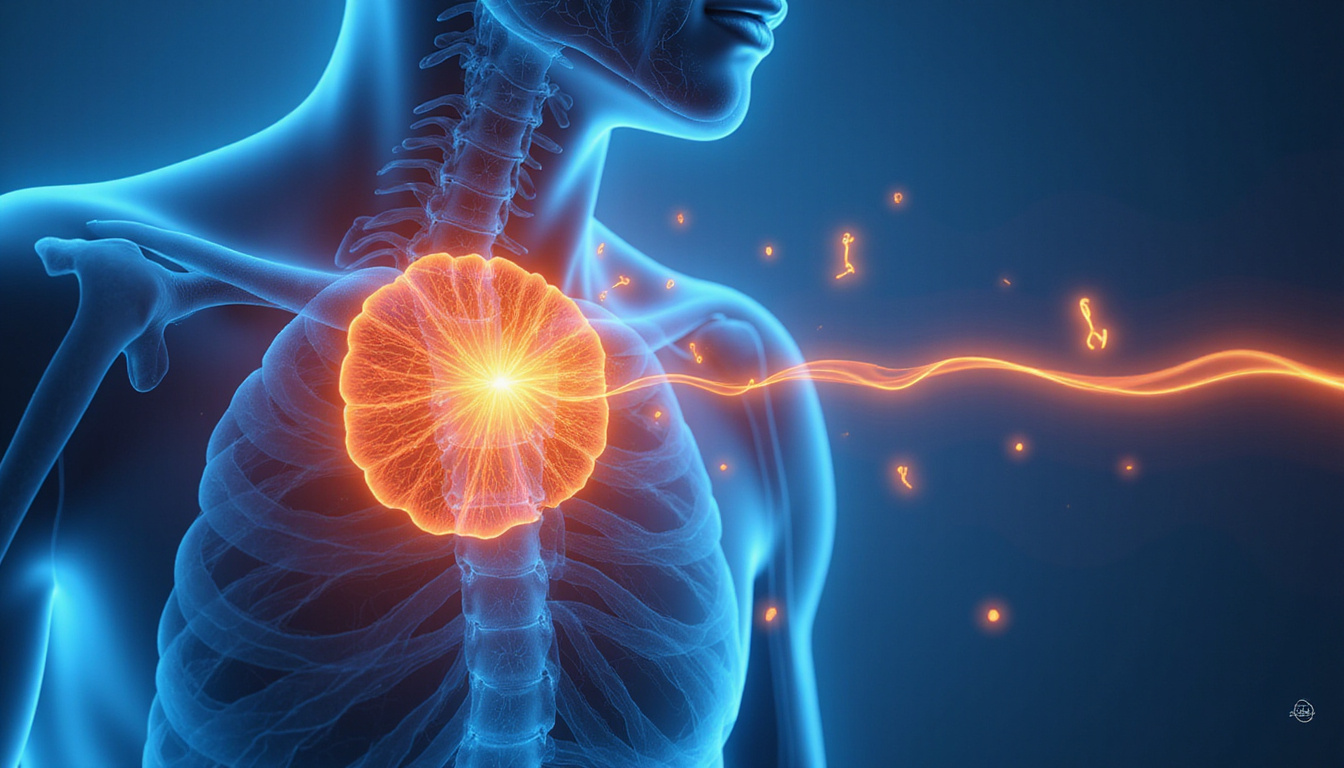
Cardiac ablation is more complex and usually performed in a specialized electrophysiology (EP) lab.
- You’ll lie on an X-ray table and be connected to monitors.
- Sedation or general anesthesia is typically used.
- Catheters (thin tubes) are inserted into blood vessels, usually in the groin, and guided into your heart.
- The electrophysiologist maps your heart’s electrical system to identify abnormal circuits.
- Radiofrequency energy is then delivered through the catheter tips to ablate the problem spots.
- The procedure can take 2–4 hours or longer, depending on the complexity of your arrhythmia.
Risks and Potential Complications of Radiofrequency Ablation
Radiofrequency ablation is generally considered safe and is widely used, but like any medical procedure, it carries some risks.
Common, Usually Mild Side Effects
For pain procedures:
- Temporary increase in pain or soreness at the treatment site
- Bruising or mild swelling
- Numbness or tingling near the area
- Fatigue or grogginess from sedation
For cardiac ablation:
- Sore throat (from breathing tube, if used)
- Mild chest discomfort
- Bruising in the groin area where catheters were inserted
- Fatigue for several days
These effects typically improve on their own within a few days.
Less Common but More Serious Risks
While uncommon, potential complications can include:
- Bleeding or infection at the needle or catheter insertion site
- Nerve injury causing new or different pain, weakness, or numbness
- Allergic reaction to contrast dye, anesthetics, or other medications
- Damage to nearby structures (e.g., blood vessels or organs)
For cardiac radiofrequency ablation specifically, rare but serious complications include:
- Blood clots or stroke
- Cardiac tamponade (fluid around the heart)
- Narrowing of pulmonary veins (in certain AFib ablations)
- Heart block that may require a pacemaker
Your doctor will review your individual risk profile and take steps to minimize these risks. For perspective, major complications from catheter ablation for atrial fibrillation occur in a small minority of patients, often estimated around 2–5% in large studies depending on the type of procedure and patient population (source: American Heart Association).
Recovery Timeline: How Long Does It Take to Feel Better?
Recovery from radiofrequency ablation depends on the type of procedure, your overall health, and the treated area.
After Pain-Management RFA
-
First 24–72 hours:
- Soreness or a “sunburn-like” feeling at the site is common.
- Some people experience a temporary flare of pain before improvement begins.
-
First 1–2 weeks:
- Pain typically starts to decrease.
- Many can resume light activities within a day or two, depending on your doctor’s instructions.
-
4–6 weeks and beyond:
- Full benefits are often felt by this time.
- Pain relief can last 6–12 months or longer; in some cases, up to 2 years, though nerves may eventually regenerate.
After Cardiac RF Ablation
-
Hospital stay:
- Many patients go home the same day or after an overnight stay, depending on the complexity of the procedure and your condition.
-
First week:
- Fatigue and mild chest discomfort are common.
- Bruising in the groin area may occur.
- Light walking is usually encouraged; avoid heavy lifting as directed.
-
First 1–3 months (“blanking period” in AFib):
- It’s not unusual to have some irregular heartbeats as the heart heals.
- Your doctor will schedule follow-up visits and may adjust medications.
Symptoms and recovery times vary widely; always follow the specific guidance of your treating specialist.
Practical Recovery Tips After Radiofrequency Ablation
You can improve your recovery and results by taking some simple, proactive steps.
1. Follow Activity Restrictions
- Limit heavy lifting, bending, or twisting for several days after pain procedures.
- Avoid strenuous exercise until your doctor clears you.
- For cardiac ablation, follow your care team’s instructions about driving, working, and exercise—these may be more specific and extended.
2. Care for the Procedure Site
- Keep bandages clean and dry for the recommended period.
- Avoid soaking in baths, pools, or hot tubs until your provider says it’s safe.
- Watch for signs of infection: redness, warmth, pus, increasing pain, or fever.
3. Manage Pain and Discomfort
- Use ice packs (wrapped in a cloth) on the area for 15–20 minutes at a time during the first 24–48 hours, if recommended.
- Over-the-counter pain relievers may be used if your doctor approves.
- Avoid NSAIDs or blood thinners if your specialist has advised against them.
4. Support Your Overall Health
- Stay hydrated and eat balanced, nutrient-rich meals.
- For spinal or joint pain, keep working on physical therapy or gentle exercises if prescribed.
- For heart procedures, adopt heart-healthy habits: no smoking, moderate alcohol, regular movement, and a diet rich in fruits, vegetables, and whole grains.
5. Know When to Call Your Doctor
Contact your healthcare provider promptly if you notice:
- Worsening pain that doesn’t improve with recommended medications
- New weakness, numbness, or difficulty controlling your bladder or bowels (for spinal procedures)
- Chest pain, shortness of breath, or fainting (for cardiac ablations)
- Fever, chills, or any sign of infection at the insertion site
- Rapid or irregular heartbeats that are new, severe, or concerning
Pros and Cons of Radiofrequency Ablation
To help you weigh your options, here’s a concise overview:
Potential Benefits
- Minimally invasive; usually no large incisions
- Often performed as an outpatient procedure
- Can reduce or eliminate chronic pain or arrhythmias
- May lower the need for long-term medications
- Recovery is typically faster than open surgery
- Long-lasting relief for many patients
Potential Drawbacks
- Not a cure for all types of pain or arrhythmias
- Nerves may regenerate, and symptoms can return
- Multiple treatments may be needed over time
- Possibility of temporary pain flare after the procedure
- Small risk of serious complications, as with any invasive procedure
Discuss these points carefully with your provider in the context of your specific diagnosis and goals.
FAQ About Radiofrequency Ablation and Recovery
1. How long does radiofrequency ablation pain relief last?
Pain relief from radiofrequency ablation for spinal or joint pain commonly lasts 6–12 months, and sometimes longer. Because nerves can slowly regrow, some people experience a return of pain over time and may be candidates for repeat procedures. Your individual duration of relief depends on the underlying cause of your pain, your overall health, and how well you follow your rehabilitation plan.
2. Is radiofrequency nerve ablation safe, and who is a good candidate?
Radiofrequency nerve ablation is generally considered safe when performed by an experienced specialist, with relatively low rates of serious complications. Good candidates typically are those with chronic, localized pain who have responded well to diagnostic nerve blocks but haven’t achieved lasting relief from physical therapy, medications, or injections. People with certain bleeding disorders, uncontrolled infections, or specific neurological conditions may not be suitable candidates and need careful evaluation.
3. What is recovery like after cardiac radiofrequency catheter ablation?
Recovery after cardiac radiofrequency ablation usually involves a short hospital stay, followed by a few days of taking it easy at home. Most patients can walk the same or next day but should avoid heavy lifting for about a week (or as advised). Mild chest discomfort, fatigue, and groin bruising are common at first. Irregular heartbeats can occur during the first few months while the heart heals. Regular follow-up with your cardiologist or electrophysiologist is essential to monitor your rhythm, adjust medications, and evaluate the long-term success of the procedure.
Moving Forward: Is Radiofrequency Ablation Right for You?
Radiofrequency ablation offers many people a meaningful return to activities they love—less pain, fewer disruptive heart rhythms, and a reduced dependence on medications. It’s not the right answer for everyone, but when chosen carefully and paired with a thoughtful recovery plan, it can be a powerful part of long-term management.
If you’re dealing with persistent pain or an ongoing heart rhythm problem, your next step is to discuss radiofrequency ablation in detail with a qualified specialist. Bring your questions, your treatment history, and your goals for recovery. Together, you can decide whether this minimally invasive procedure aligns with your health needs and quality-of-life priorities—and, if so, how to prepare for the smoothest possible experience from procedure to full recovery.