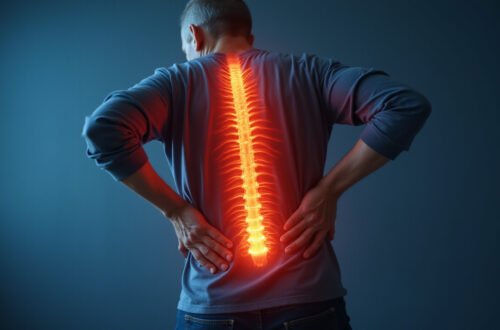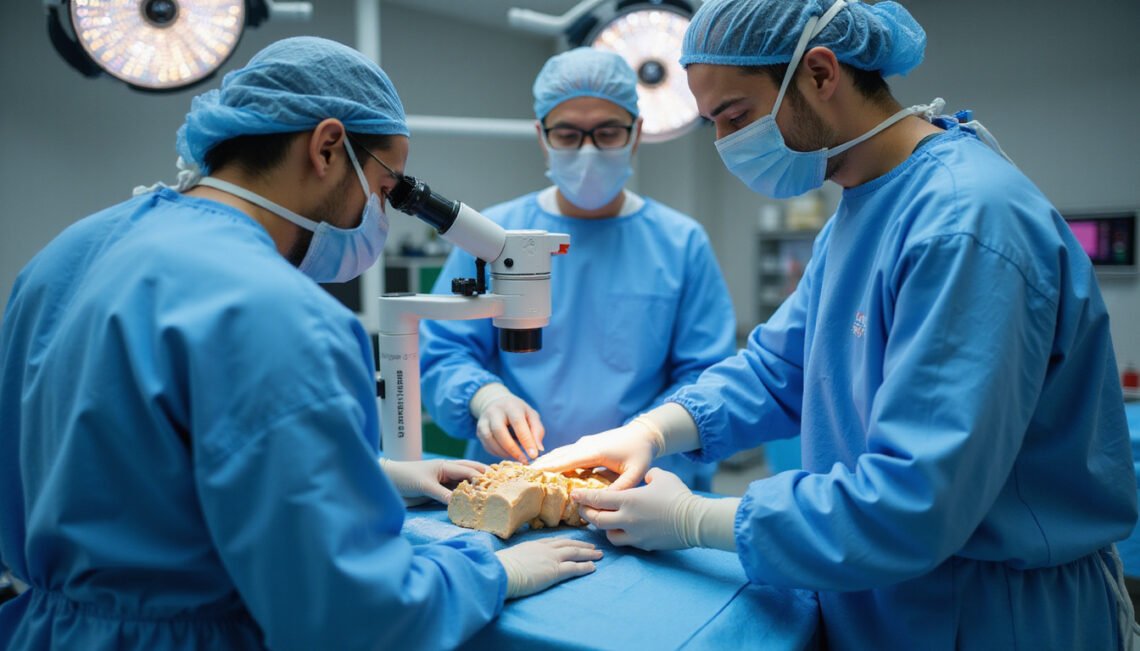
If you’ve been struggling with nerve pain from a pinched nerve in your neck or lower back, your doctor may have mentioned a foraminotomy as a possible solution. Understanding what this surgery involves, what to expect before and after, and how to optimize your recovery can help you make a confident decision and prepare effectively.
What Is a Foraminotomy?
A foraminotomy is a type of spine surgery designed to relieve pressure on a spinal nerve. It’s named after the “foramen,” which are small openings between the bones of your spine where nerve roots exit the spinal canal. Over time, these openings can become narrowed (foraminal stenosis) due to:
- Herniated or bulging discs
- Bone spurs from arthritis
- Thickened ligaments
- Degenerative disc disease
- Past injuries or spinal instability
In a foraminotomy, the surgeon enlarges the foramen by removing bone and/or soft tissue that’s compressing the nerve. This creates more space, reducing irritation and often relieving pain, tingling, numbness, and weakness.
A foraminotomy can be done in different parts of the spine:
- Cervical foraminotomy – in the neck
- Thoracic foraminotomy – mid-back (less common)
- Lumbar foraminotomy – lower back
It may be performed alone or combined with other procedures, such as a laminectomy or spinal fusion, depending on your individual condition.
When Is Foraminotomy Recommended?
Not everyone with back or neck pain needs surgery. Typically, a foraminotomy is considered only after conservative treatments haven’t provided enough relief. These may include:
- Physical therapy and targeted exercises
- Anti-inflammatory or pain medications
- Steroid injections
- Activity modification and rest
Your doctor may recommend a foraminotomy if you have:
- Persistent arm or leg pain from nerve compression (radiculopathy)
- Numbness, tingling, or weakness linked to a specific nerve root
- Imaging (MRI, CT, or X-ray) showing foraminal stenosis or nerve compression
- Difficulty walking, lifting, or performing daily tasks due to nerve symptoms
- Symptoms that haven’t improved after 6–12 weeks of non-surgical treatment
In some urgent cases—such as progressive weakness, severe pain, or issues with bladder/bowel control—surgery may be recommended more quickly.
Types of Foraminotomy Procedures
Your surgeon will choose the technique that best matches your anatomy and the cause of your nerve compression.
Open Foraminotomy
This is the traditional approach, involving a larger incision and more muscle dissection:
- A single, longer incision is made over the affected area of the spine.
- Muscles are moved aside to expose the vertebrae.
- Bone, disc material, or thickened ligaments are removed to widen the foramen.
Open foraminotomy may be preferred in complex cases or when combined with other procedures, such as fusion.
Minimally Invasive Foraminotomy
Many patients are candidates for minimally invasive techniques:
- Smaller incisions, often 1–2 cm
- Special tubular retractors and surgical microscopes or endoscopes
- Less disruption of muscles and soft tissues
Potential benefits can include smaller scars, less blood loss, and possibly faster initial recovery, though long-term outcomes are similar when the procedure is performed well.
Cervical vs. Lumbar Foraminotomy
- Cervical foraminotomy often targets nerve roots that cause radiating pain down the arms and hands. It can be done from the back (posterior) or front (anterior) of the neck, depending on the location of compression.
- Lumbar foraminotomy typically addresses pain, numbness, or weakness radiating down the buttocks and legs (sciatica-like symptoms). It may be done with you lying face down, with a small incision in your lower back.
How to Prepare for a Foraminotomy
Good preparation can reduce risks and improve your recovery.
Medical Evaluation and Imaging
You’ll typically have:
- MRI or CT scans to pinpoint nerve compression
- X-rays to assess alignment and stability
- A physical and neurological exam
- Possible blood tests, EKG, or other pre-op clearance tests
Be ready to review all medications, supplements, and allergies with your surgical team.
Medications and Lifestyle
Your surgeon may ask you to:
- Stop blood thinners (e.g., warfarin, aspirin, certain NSAIDs) before surgery
- Avoid certain supplements that increase bleeding risk (like fish oil or ginkgo)
- Quit smoking or vaping, if possible, to support healing
- Optimize conditions like diabetes or high blood pressure
Ask specifically which medications you should take or skip on the morning of surgery.
Planning for After Surgery
- Arrange for a ride home and someone to stay with you at least the first 24–48 hours.
- Prepare your home with easy-to-reach essentials, a firm chair, and clear walking paths.
- Set up any needed support devices (walker, raised toilet seat, grab bars), if recommended.
What to Expect on the Day of Surgery
While details differ by hospital, the general steps are similar:
-
Check-in and Pre-op
- You’ll change into a gown.
- Nurses will check vital signs, place an IV, and review your history.
- You’ll speak with your surgeon and anesthesiologist.
-
Anesthesia
- Most foraminotomies use general anesthesia, so you’ll be asleep and pain-free.
-
The Procedure
- Incision(s) are made over the affected level(s) of your spine.
- Muscles are gently retracted to access the vertebrae.
- The surgeon removes a small portion of bone, disc, or ligament to open the foramen and free the nerve root.
- The incision is closed with sutures or staples and covered with a dressing.
-
Post-Anesthesia Care
- You’ll wake up in the recovery area.
- Nurses monitor your breathing, blood pressure, and pain level.
- Many patients go home the same day; some stay overnight, especially for more extensive procedures or if other health issues are present.
Typical operating time ranges from 1–3 hours, depending on the complexity and number of levels treated.

Risks and Possible Complications of Foraminotomy
Every surgery carries some risks. Understanding them helps you weigh benefits against potential downsides.
General Surgical Risks
- Infection at the incision site or deeper in the spine
- Bleeding or blood clots
- Adverse reactions to anesthesia
Procedure-Specific Risks
- Nerve injury – Rare but can cause worsening pain, numbness, or weakness.
- Dural tear (CSF leak) – A small tear in the membrane covering the spinal cord or nerves, which may require repair.
- Persistent or recurrent symptoms – Some or all symptoms may remain, or return later if degeneration continues.
- Spinal instability – Removing too much bone can, in rare cases, affect spinal stability and lead to the need for fusion.
Complication rates are generally low in experienced hands. According to major spine centers, most patients experience meaningful pain relief and functional improvement after appropriately indicated foraminotomy (source: American Association of Neurological Surgeons).
Recovery Timeline: What Happens After a Foraminotomy?
Recovery after a foraminotomy is usually shorter than after more extensive spinal surgeries, but it still requires patience and adherence to instructions.
Immediately After Surgery (Days 1–3)
- Pain and soreness around the incision and in the muscles are common.
- Many people notice that their arm or leg pain is significantly improved or even gone right away; others experience gradual improvement over weeks.
- You’ll be encouraged to get up and walk short distances as soon as it’s safe.
Early Recovery (Weeks 1–4)
- You’ll gradually increase your walking and light activities.
- Avoid heavy lifting, bending, or twisting as directed.
- You may return to desk work in 1–3 weeks, depending on pain control and job demands.
- You’ll have a follow-up appointment to check your incision and progress.
Intermediate Recovery (Weeks 4–12)
- Formal physical therapy often begins, if not started earlier.
- Focus is on gently improving strength, flexibility, and posture.
- Many people can return to more regular activities, including driving and light exercise, as cleared by their surgeon.
Long-Term (3–12 Months)
- Nerve healing can continue for many months; residual numbness or weakness may keep improving slowly.
- You’ll work toward a sustainable exercise routine and ergonomic habits to protect your spine.
Timelines vary based on your age, overall health, smoking status, the extent of surgery, and how well you follow restrictions.
Tips for a Successful Foraminotomy Recovery
You play a major role in your outcome. These strategies can help you get the best possible results from your foraminotomy.
1. Follow Activity Guidelines Closely
Your surgeon will give specific “do’s and don’ts,” such as:
- No lifting over 5–10 pounds initially
- Avoid bending, twisting, or reaching overhead excessively
- Use proper body mechanics when standing and sitting
These rules protect the surgical site while it heals and help prevent setbacks.
2. Stay Moving—But Smartly
- Take short, frequent walks throughout the day.
- Gradually increase distance and pace as tolerated.
- Avoid prolonged bed rest, which can weaken muscles and increase clot risk.
3. Commit to Physical Therapy
A structured rehab plan is one of the most important success factors:
- Core strengthening for back support
- Postural training to reduce stress on your spine
- Stretching to preserve flexibility
- Functional training for daily activities and work tasks
Ask your therapist for a home exercise plan and stick with it consistently.
4. Optimize Your Habits
- Quit smoking – Nicotine impairs blood flow and healing.
- Maintain a healthy weight – Reduces stress on your spine.
- Improve ergonomics – Set up your workstation and home environment to minimize strain.
- Sleep well – Use a supportive mattress and pillows that keep your spine aligned.
5. Manage Pain Wisely
- Use medications exactly as prescribed; taper opioids as soon as feasible.
- Ice packs and proper positioning can help early on.
- Over-the-counter anti-inflammatories may be recommended later, if appropriate for you.
6. Know When to Call Your Surgeon
Contact your care team promptly if you notice:
- Fever, chills, or redness, swelling, and drainage at the incision
- Sudden increase in pain that doesn’t respond to medication
- New or worsening numbness, tingling, or weakness
- Loss of bladder or bowel control
Rapid reporting can prevent minor issues from becoming serious problems.
FAQ About Foraminotomy and Nerve Decompression
1. How successful is a foraminotomy for nerve pain relief?
Success rates are generally high when a foraminotomy is performed for the right reasons and at the correct level. Many studies report significant improvement in arm or leg pain and function for a majority of patients. However, factors like the duration of symptoms, the extent of nerve damage, and your overall health can influence your individual outcome.
2. What is the difference between a foraminotomy and a laminectomy?
Both are decompression surgeries, but they target different structures. A foraminotomy focuses on enlarging the foramen (the side openings where nerves exit), while a laminectomy removes part or all of the lamina (the back portion of the vertebra) to widen the main spinal canal. Some patients need both, depending on whether their compression is mainly in the canal, the foramen, or both areas.
3. Is a minimally invasive foraminotomy better than open surgery?
Minimally invasive foraminotomy often leads to smaller incisions, less muscle disruption, and potentially quicker early recovery. However, the “best” approach depends on your anatomy, the complexity of your spinal problem, and your surgeon’s expertise. Outcomes are more strongly tied to correct diagnosis and precise decompression than to incision size alone.
Take the Next Step Toward Relief
Living with chronic neck, back, or radiating arm or leg pain can drain your energy and restrict your life. A foraminotomy isn’t the right choice for everyone, but for many people with confirmed nerve compression and persistent symptoms, it can offer lasting relief and a return to the activities they enjoy.
If you’re considering this surgery, talk with a board-certified spine specialist about your imaging, your symptoms, and all available options. Ask questions, understand the risks and benefits, and explore both conservative and surgical paths. With a clear plan, realistic expectations, and a strong commitment to your recovery, you can give yourself the best possible chance of success—and take a meaningful step toward getting your life back.