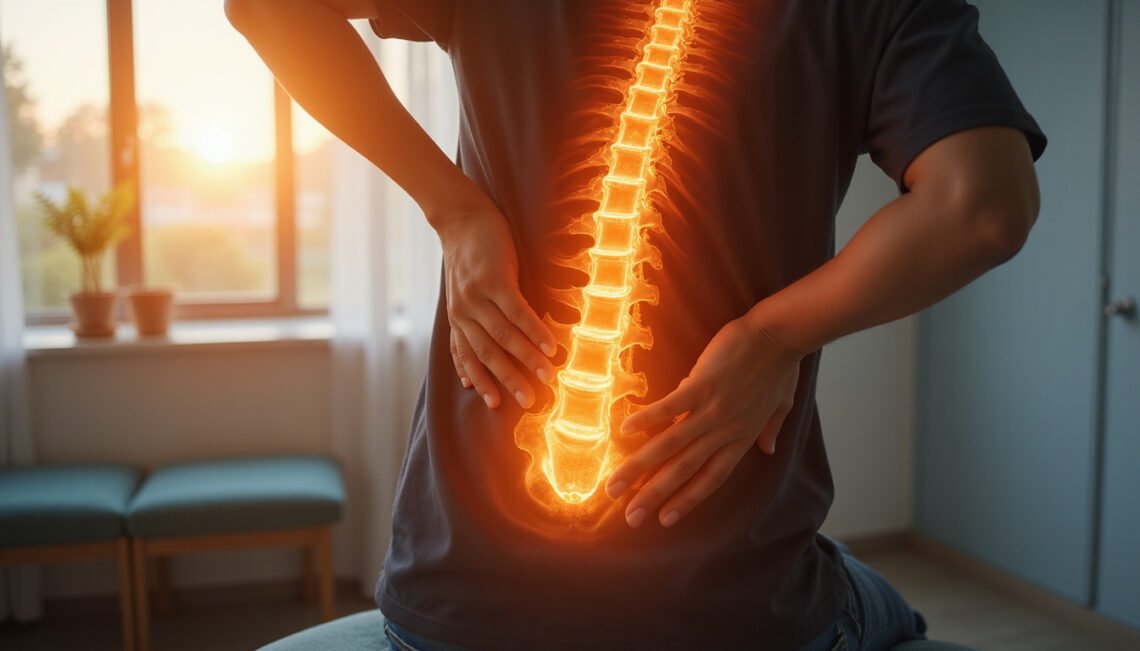
If you’ve been living with stubborn, recurring back pain, you’ve probably tried everything from painkillers to stretching videos. Yet one powerful, often misunderstood technique—spinal mobilization—can offer surprisingly fast relief when done correctly and consistently. Unlike aggressive “cracking” or surgery, spinal mobilization is a gentle, targeted way to restore motion to stiff joints and calm irritated nerves, which can quickly reduce pain and improve how your back feels and moves.
Below, you’ll learn what spinal mobilization really is, how it works, who it’s best for, and the specific techniques and strategies that make it so effective for chronic back pain.
What is spinal mobilization?
Spinal mobilization is a hands-on therapy where a clinician uses slow, controlled, passive movements to improve the motion of your spinal joints and surrounding tissues. It’s:
- Gentle: No high-velocity “thrusts” or forceful cracking.
- Rhythmic: Repeated oscillating movements at specific spinal segments.
- Targeted: Aimed at areas that are stiff, painful, or not moving well.
You’ll most commonly experience spinal mobilization from:
- Physical therapists
- Chiropractors
- Osteopathic physicians (DOs)
- Some physiatrists and manual therapy–trained MDs
The goal is not just to “loosen the back,” but to restore normal joint motion, reduce muscle guarding, and send pain-calming signals to your nervous system.
How spinal mobilization eases chronic back pain
Chronic back pain often has several overlapping causes: stiff segments, irritated joints, tight muscles, and an over-sensitized pain system. Spinal mobilization addresses many of these layers at once.
1. Restoring joint motion
Chronic pain often goes hand in hand with stiffness. When joints don’t move well:
- Nearby muscles tighten to protect the area.
- Load and stress get concentrated on a few segments.
- Everyday movements become more painful.
By gently moving the involved spinal joints through small ranges of motion, mobilization:
- Improves glide and rotation between vertebrae
- Reduces mechanical stress on irritated areas
- Helps redistribute movement more evenly along your spine
This can quickly decrease the “locked up” feeling many people associate with chronic back pain.
2. Calming muscle spasm and guarding
Your body naturally braces around painful areas. Over time, that protection turns into chronic muscle tension and spasm, which then feeds more pain.
Spinal mobilization:
- Encourages muscles to relax through repeated, gentle movement
- Reduces protective guarding so you can move more freely
- Improves local blood flow, bringing oxygen and nutrients to irritated tissues
Many people feel a sense of “unwinding” or lightness after a session, even without a loud pop or crack.
3. Modulating pain signals in the nervous system
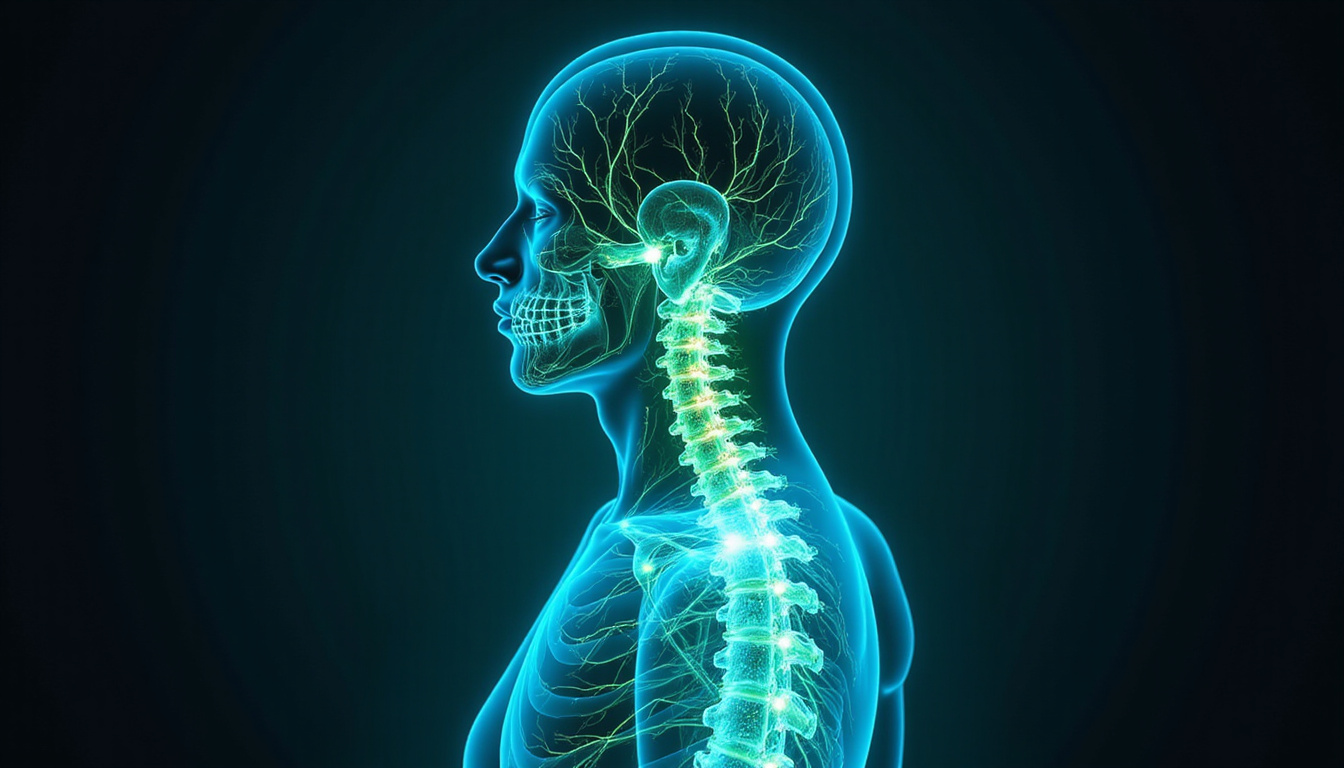
Chronic pain is not just about tissues; it’s also about how your nervous system processes danger signals. Gentle mobilization stimulates specialized nerve receptors in your joints (mechanoreceptors) that send non-painful movement signals to the spinal cord and brain.
That input can:
- Compete with pain signals (the “gate control” theory of pain)
- Help reset overly sensitive pathways
- Reduce your brain’s perceived threat from movement
This is a big reason why relief from spinal mobilization can sometimes feel almost instant.
Spinal mobilization vs. spinal manipulation (the “crack”)
Many people confuse spinal mobilization with spinal manipulation. They’re related but different.
Spinal mobilization:
- Low force, slow speed
- Repeated, small movements
- Minimal or no popping sounds
- Often better for people with chronic pain, older adults, or those who are anxious about forceful adjustments
Spinal manipulation:
- Higher speed, quick thrust
- Often produces a popping or cracking sound (cavitation)
- Can be effective for some mechanical issues but not ideal for everyone
For chronic back pain—especially if you’re sensitive, nervous, or medically complex—mobilization is often the safer, more comfortable entry point recommended in many clinical guidelines (source: American College of Physicians).
Who is spinal mobilization best for?
Spinal mobilization may help if you have:
- Chronic mechanical low back pain (non-specific back pain)
- Degenerative disc disease or mild arthritis
- Facet joint irritation
- Postural-related pain from prolonged sitting or standing
- Stiffness after minor injuries (once serious issues are ruled out)
- Back pain associated with mild scoliosis or spinal asymmetry
It is often not appropriate as a standalone fix for:
- Severe, progressive neurological symptoms (like rapidly worsening leg weakness)
- Suspected fractures, infections, or tumors
- Significant instability or recent major trauma
Always rule out red flags—such as unexplained weight loss, fever, history of cancer, loss of bladder/bowel control, or severe night pain—before assuming spinal mobilization is right for you.
What a spinal mobilization session feels like
A typical session with a skilled practitioner will be:
-
Assessment first
They’ll ask about your history, examine posture and movement, and gently test how individual spinal segments move. This helps identify where to focus. -
Comfortable positioning
You may lie on your back, side, or stomach, or even sit. The practitioner will position you so your muscles can relax. -
Gentle, repeated movements
They use their hands or sometimes a small device to move one or more vertebrae in a controlled, rhythmic way. Movements are usually small and may feel like:- Rocking or oscillating
- Gentle stretching
- Subtle pressure and release
-
Immediate feedback
You’re often asked about your comfort. Good mobilization should feel tolerable, sometimes pleasant, and not sharply painful. -
Reassessment
After a set of mobilizations, they’ll recheck motion and pain with specific movements (like bending, twisting, or sitting/standing).
Many people notice:
- Reduced pain intensity
- Easier movement (bending or standing feels smoother)
- Less tightness or guarding
Types of spinal mobilization techniques
Practitioners may use a mix of approaches depending on your condition and comfort level.
Central and unilateral PA mobilizations
- PA = Posterior-to-Anterior
- The therapist applies slow, rhythmic pressure from back to front on specific vertebrae.
- Useful for general stiffness and segmental pain.
Side-lying segmental mobilization
- You lie on your side; the therapist stabilizes one part of your spine while gently rotating or gliding another part.
- Helpful for localized joint restrictions and facet joint pain.
Traction-based mobilization
- Gentle pulling along the length of the spine.
- May reduce pressure on discs and nerve roots.
- Often used for people with pain radiating into the leg (sciatica) when appropriate.
Mobilization with movement (MWM)
- Combines gentle joint mobilization with active movement from you.
- Example: While the therapist supports and glides a spinal segment, you slowly bend or rotate.
- Very effective for restoring pain-free movement patterns.
How fast can spinal mobilization relieve chronic back pain?
Relief can be surprisingly quick, but it varies:
- Immediate: Many feel less pain and more ease of movement right after the first session.
- Short term (1–3 weeks): Noticeable improvements in stiffness, daily function, and tolerance for sitting/standing.
- Long term (6–12 weeks and beyond): Best results come when mobilization is combined with exercise, posture changes, and lifestyle adjustments.
Think of spinal mobilization as a catalyst: it reduces pain and stiffness so you can move better, and that improved movement—through exercise and activity—helps maintain progress.
Self-care steps that boost the effects of spinal mobilization
To make your sessions work harder for you, combine them with smart daily habits:
-
Keep moving (within reason)
Gentle walking, light stretching, and frequent position changes prevent your spine from “locking up” again. -
Use micro-breaks
Every 25–30 minutes of sitting, stand up and move for 1–2 minutes. Even simple marching in place or shoulder rolls help. -
Strengthen key muscle groups
- Deep abdominal muscles
- Gluteal muscles
- Mid-back/postural muscles
Strong support reduces overload on spinal joints.
-
Prioritize sleep and stress management
Poor sleep and high stress can amplify pain. Relaxation techniques, breathing exercises, and a regular sleep schedule support your nervous system’s ability to calm pain signals.
Simple home-friendly spinal mobility exercises
These are not a substitute for professional spinal mobilization, but they complement it by maintaining motion and reducing stiffness. Stop any exercise that causes sharp or worsening pain.
-
Cat–Cow (on hands and knees)
- Inhale as you gently arch your back (cow), lifting your chest.
- Exhale as you round your spine (cat), tucking your chin and pelvis.
- 10–15 slow repetitions.
-
Pelvic tilts (on your back)
- Lie on your back, knees bent, feet flat.
- Gently flatten your lower back into the floor, tightening your lower abs.
- Relax and allow a slight arch.
- 10–15 reps, moving slowly with your breath.
-
Knee-to-chest rocking
- On your back, bring one or both knees toward your chest.
- Gently rock side to side for 30–60 seconds.
- Focus on comfort, not range.
-
Seated gentle rotation
- Sit tall in a chair.
- Rotate your torso slightly to one side while keeping hips facing forward.
- Hold 10–15 seconds; repeat other side.
- 5–10 slow reps per side.
When spinal mobilization is not enough on its own
Spinal mobilization is powerful, but not magic. Chronic back pain often needs a multi-pronged plan, which may include:
- Individualized strengthening and conditioning
- Ergonomic changes at work/home
- Weight management where relevant
- Psychological support (e.g., CBT for pain) if fear and anxiety about movement are high
- Medical management for underlying conditions
If you’re not seeing improvement after several sessions, it may be time to:
- Reassess your diagnosis
- Adjust the treatment mix
- Investigate other contributing factors (hip mobility, core strength, walking pattern, etc.)
How to find a qualified spinal mobilization provider
Look for a practitioner who:
- Has formal training in manual therapy (PT, DC, DO, etc.)
- Performs a thorough history and examination before touching your spine
- Explains what they’re doing and why
- Encourages your questions and feedback
- Combines mobilization with exercise and education—not just passive care
- Respects your pain levels and avoids forcing movements
Ask specifically whether they use spinal mobilization (not just manipulation) and how they integrate it into a broader treatment plan.
Quick reference: spinal mobilization essentials
It is a gentle, hands-on technique to restore joint motion and reduce pain.
- It works by affecting joints, muscles, and the nervous system simultaneously.
- It’s particularly useful for chronic mechanical back pain and stiffness.
- Best results occur when combined with exercise, movement, and lifestyle changes.
- It should be individualized and comfortable, not forceful or frightening.
FAQ about spinal mobilization and back pain
1. Is spinal mobilization effective for chronic lower back pain?
Yes, research and clinical guidelines support spinal mobilization as one of several effective non-drug options for chronic low back pain, especially when combined with strengthening exercises and education. It can improve pain, function, and mobility for many people.
2. What’s the difference between spinal mobilization therapy and chiropractic adjustments?
Spinal mobilization therapy uses slow, low-force, repetitive movements, usually without popping sounds. Chiropractic adjustments typically involve faster, high-velocity thrusts that may produce a crack. Many chiropractors use both, but mobilization is often preferred for people with chronic pain, older adults, or those who are uncomfortable with forceful techniques.
3. Can I do spinal mobilization exercises at home for back pain relief?
You can safely perform spinal mobility exercises (like cat–cow, pelvic tilts, and gentle rotations) at home to maintain movement and reduce stiffness. However, true spinal mobilization is a skilled, hands-on technique done by a trained professional. Home exercises complement, but don’t replace, expert manual care.
Regaining control over chronic back pain starts with the right kind of movement—and spinal mobilization can be a powerful first step. If you’re tired of living around your pain, consider booking an evaluation with a qualified manual therapist or spine specialist who uses spinal mobilization as part of a comprehensive plan. With the right guidance, you can start easing pain, restoring confidence in your body, and getting back to the activities that matter most.