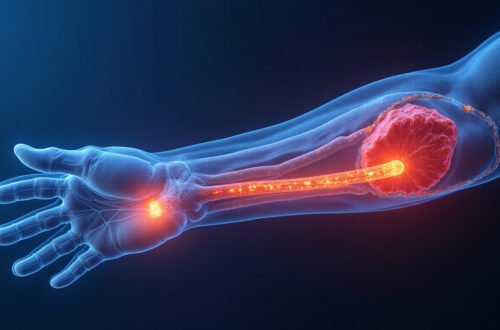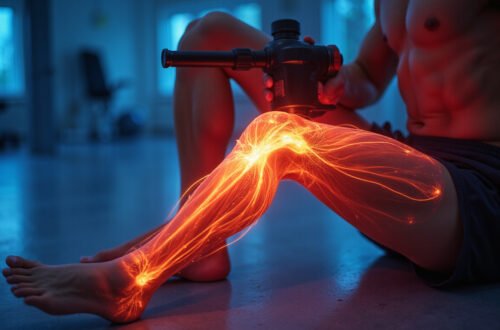
Acute sciatica can be frightening and overwhelming. One day you move the wrong way, and suddenly a sharp, burning pain shoots from your lower back down your leg. Walking, sitting, even sleeping becomes a challenge. The good news: while acute sciatica is intensely painful, there are practical, evidence-informed steps you can take at home to reduce pain fast, protect your nerves, and speed up recovery.
Below you’ll find simple, safe strategies you can start today, plus guidance on when to seek medical help.
What is acute sciatica, exactly?
Acute sciatica describes sudden-onset pain caused by irritation or compression of the sciatic nerve, the large nerve that runs from your lower back through your hips and down each leg. Unlike chronic sciatica, which lasts longer than 12 weeks, acute sciatica typically:
- Starts suddenly, often after lifting, twisting, or prolonged sitting
- Causes sharp, burning, or electric pain down one leg
- May include numbness, tingling, or weakness in the leg or foot
- Lasts days to a few weeks, in most cases
Common underlying causes include:
- Herniated or “slipped” lumbar disc
- Lumbar spinal stenosis (narrowing of the spinal canal)
- Degenerative disc disease
- Piriformis syndrome (muscle spasm compressing the sciatic nerve)
- Sudden strain from heavy lifting or awkward movement
Most cases of acute sciatica improve significantly within 4–6 weeks with conservative care (source: Mayo Clinic).
Step 1: Reduce nerve irritation with smart rest and movement
It’s tempting to lie in bed for days when pain flares up, but complete rest usually makes acute sciatica worse, not better. The key is relative rest: protecting your back while staying gently mobile.
Find pain-reducing positions
Experiment with positions that take pressure off the sciatic nerve:
-
On your back with knees elevated
Lie on your back and place your lower legs on a chair or stack of pillows so your hips and knees are bent at 90 degrees. This can reduce lower back pressure. -
Side-lying with pillow between knees
Lie on the pain-free side, hips slightly bent, with a pillow between your knees to keep your spine aligned. -
Reclined sitting
If sitting upright increases leg pain, try a slightly reclined position with good back support and feet supported.
Stay in any position that eases symptoms, but avoid staying in one posture too long—change positions every 20–30 minutes if possible.
Keep moving—gently
Short, frequent walks are often better than long periods of sitting or lying down. Aim for:
- Several 5–10 minute walks spaced through the day
- Smooth, relaxed strides
- Stopping before pain spikes dramatically
If walking increases pain sharply (especially down the leg), reduce distance or try walking in a pool if you have access to one.
Step 2: Use cold and heat wisely for acute sciatica
Cold and heat can both help, but timing and technique matter.
When to use cold
In the first 48–72 hours after a flare begins—especially if it’s linked to a strain or sudden movement—cold packs can calm inflammation and numb pain.
- Apply a cold pack or bag of frozen peas wrapped in a thin towel
- Place over the painful area of the lower back or buttock (not directly on skin)
- Use for 15–20 minutes at a time, up to several times per day
- Take at least 1 hour between applications
When to switch to heat
After the initial acute phase, many people find heat more soothing. Heat helps relax tight muscles that may be compressing the sciatic nerve.
- Use a heating pad on low–medium, a hot water bottle, or warm shower
- Apply for 15–20 minutes, up to 3–4 times daily
- Avoid sleeping with a heating pad on
Some people benefit from alternating cold and heat—try 10 minutes of cold followed by 10 minutes of heat to see which gives better relief.
Step 3: Try targeted sciatica stretches (only what your body tolerates)
Gentle stretching can reduce muscle tension around the sciatic nerve and improve mobility. During an acute sciatica flare, the rule is: no forcing, no bouncing, stop if pain shoots down the leg.
Here are a few simple options many people tolerate well:
1. Reclined hamstring stretch (with strap or towel)
- Lie on your back with one leg bent, foot on the floor.
- Loop a towel or strap around the foot of your painful leg.
- Slowly straighten that leg toward the ceiling until you feel a gentle stretch in the back of the thigh—not sharp pain.
- Hold 15–20 seconds, repeat 2–3 times.
2. Figure-4 piriformis stretch (on back)
- Lie on your back, knees bent, feet on floor.
- Cross the ankle of your painful side over the opposite knee, forming a “4.”
- Gently pull the uncrossed leg toward your chest until you feel a stretch in the buttock/hip of the crossed leg.
- Hold 20–30 seconds, repeat 2–3 times.
3. Supported child’s pose
- Start on hands and knees.
- Sit back toward your heels, sliding your hands forward and resting your chest on a pillow or stack of cushions.
- Allow your spine to lengthen gently.
- Hold for up to 30 seconds if comfortable, breathing slowly.
If any stretch causes sharp, electric, or worsening leg pain, stop immediately and try a different position or wait a day or two before retrying.
Step 4: Over-the-counter pain relief (used carefully)
For many people with acute sciatica, short-term use of over-the-counter (OTC) medications can make movement and sleep more manageable. Always check with a doctor or pharmacist first if you have other health conditions or take regular medications.
Common OTC options include:
- NSAIDs (e.g., ibuprofen, naproxen): help reduce pain and inflammation
- Acetaminophen: helps with pain but not inflammation; can be combined (staggered) with NSAIDs if a doctor approves
- Topical options: creams or gels with menthol, lidocaine, or NSAIDs applied directly to the painful area
Follow label instructions carefully:
- Don’t exceed maximum daily doses
- Avoid NSAIDs if you have kidney issues, stomach ulcers, or certain heart conditions unless cleared by a doctor
- Limit use to the shortest necessary period
If OTC medicines don’t touch the pain, or you find you need them continuously for more than a week or two, consult a healthcare provider.
Step 5: Protect your back in everyday activities
Small changes to daily habits can significantly reduce irritation of the sciatic nerve during an acute episode.
Use spine-safe body mechanics
-
When getting out of bed:
Roll onto your side, drop your legs over the edge, and push up with your arms instead of jackknifing forward. -
When lifting anything:
Bend at the hips and knees, keep the object close to your body, and avoid twisting. If it feels too heavy, don’t lift it. -
When sitting:
- Use a chair with good lumbar support
- Keep feet flat on the floor, hips slightly higher than knees
- Avoid sitting on soft, sagging couches for long periods
- Stand up and move at least every 20–30 minutes
Avoid your personal “triggers” during a flare
Common triggers to minimize during acute sciatica:
- Prolonged sitting, especially in low or unsupportive chairs
- Deep forward bending (e.g., touching toes)
- Heavy or awkward lifting
- High-impact exercise and running
- Twisting motions, such as swinging heavy objects
Protecting your back early can shorten the duration and intensity of the episode.
Step 6: Know when to seek professional help for acute sciatica
While many cases of acute sciatica improve with self-care, it’s important to recognize red-flag symptoms that require urgent medical attention.
Seek emergency or same-day care if you have:
- Sudden or progressive weakness in your leg or foot (e.g., foot drop)
- Loss of bladder or bowel control, or difficulty starting urination
- Numbness in the saddle area (between the legs, inner thighs, buttocks)
- Severe pain after a serious fall, accident, or trauma
- Fever, chills, or unexplained weight loss along with back/leg pain
These can indicate serious conditions like cauda equina syndrome or spinal infection and need immediate evaluation.
Make a non-urgent appointment if:
- Pain from acute sciatica is severe and not improving after 1–2 weeks
- OTC medications aren’t helping you function
- Pain keeps you from sleeping or working
- You’ve had multiple sciatica episodes in the last year
A doctor or specialist may recommend:
- Prescription medications (stronger anti-inflammatories, nerve pain meds, muscle relaxants)
- Physical therapy for tailored exercises and manual therapy
- Imaging (MRI, CT scan) if symptoms are severe or persistent
- In selected cases, steroid injections or surgical consultation
Step 7: Prepare for faster recovery and fewer future flares
Even though you’re dealing with acute sciatica right now, a few proactive steps can help you recover faster and reduce the chance of another episode.
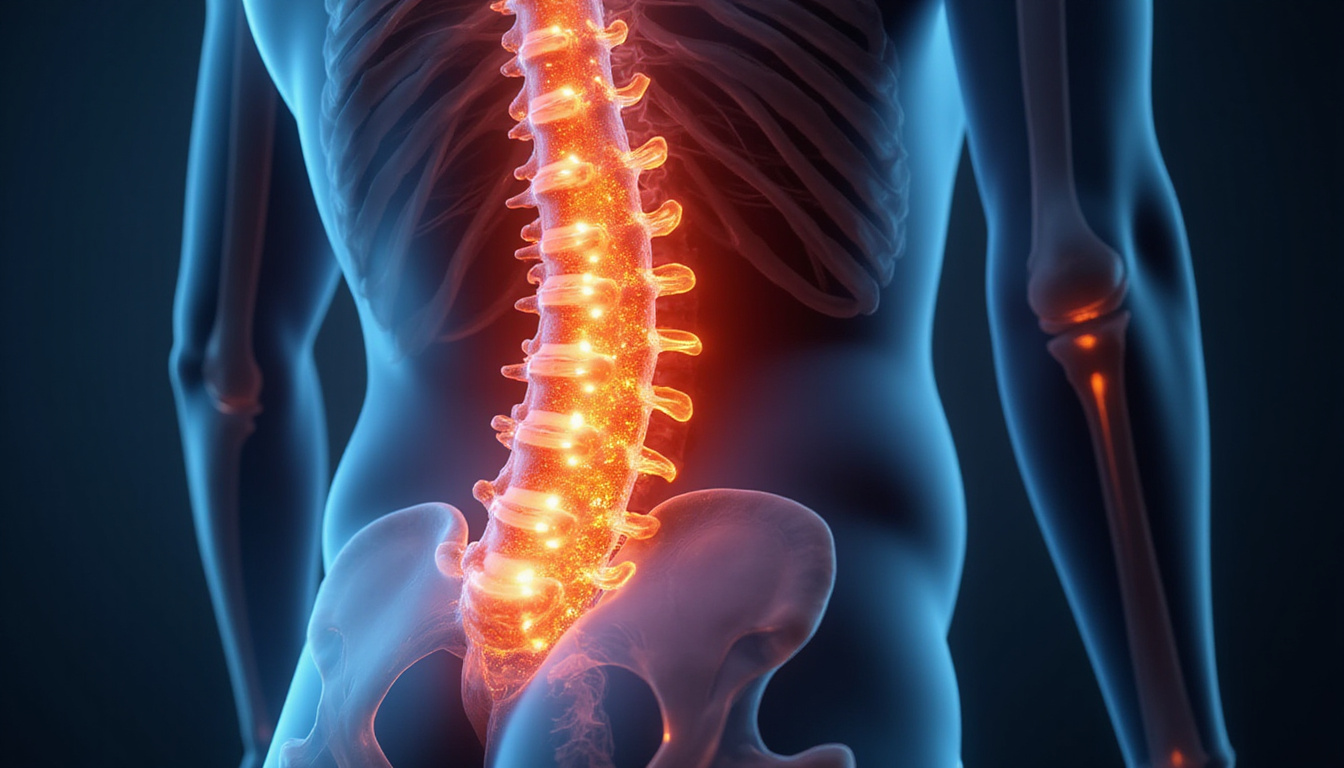
Build a sciatica-friendly routine (once pain begins to ease)
Work with a physical therapist or follow a safe program to gradually include:
-
Core strengthening
Exercises targeting the deep abdominal and back muscles (e.g., modified planks, dead bugs) to stabilize your spine. -
Hip and glute strengthening
Bridges, clamshells, and side steps to reduce strain on the lower back. -
Flexibility work
Gentle stretches for hamstrings, hip flexors, and piriformis. -
Low-impact cardio
Walking, stationary cycling, or swimming to improve circulation and reduce stiffness.
Everyday habits that protect your sciatic nerve
- Maintain a healthy weight to reduce pressure on the spine.
- Avoid smoking, which impairs blood flow to spinal structures.
- Use a supportive mattress and pillows that keep your spine neutral.
- Set up an ergonomic workstation if you sit for long hours—monitor at eye level, chair with lumbar support, feet flat on floor or footrest.
Quick-reference checklist: practical steps for acute sciatica relief
When acute sciatica flares, this simple checklist can guide you through the first days:
- Find a pain-relieving position (on back with legs elevated, or side-lying with pillow between knees).
- Use cold for the first 48–72 hours, then consider switching to heat.
- Take short walks several times per day, avoid staying in one position too long.
- Try only gentle, pain-free stretches—stop if pain shoots down the leg.
- Use OTC pain relief as directed, if appropriate for your health status.
- Protect your back with good body mechanics; avoid heavy lifting and prolonged sitting.
- Watch for red-flag symptoms, and seek medical help promptly if they appear.
- As pain eases, start guided strengthening and flexibility exercises to prevent recurrence.
FAQ about acute sciatica and fast pain relief
1. How long does acute sciatica pain usually last?
Acute sciatica pain often improves noticeably within 1–2 weeks and may resolve in 4–6 weeks with conservative care. However, the exact duration depends on the cause (like a herniated disc), your activity levels, and how quickly you start supportive measures such as gentle movement, proper posture, and targeted exercises.
2. What is the best position to sleep in for sciatica pain relief?
For many people with acute sciatic nerve pain, sleeping on the non-painful side with a pillow between the knees helps keep the spine aligned and reduces pressure. Others do better on their back with a pillow under the knees. Avoid sleeping on your stomach, which often increases lower back strain and can aggravate sciatic pain.
3. Can acute sciatica go away on its own without treatment?
Yes, acute sciatica often improves without invasive treatment, particularly when caused by minor disc irritation or muscle spasm. However, “on its own” should still include smart self-care: gentle movement, postural changes, pain management, and, when needed, physical therapy. If acute sciatic pain is severe, not improving, or accompanied by weakness or bowel/bladder changes, seek medical assessment promptly.
Acute sciatica can make everyday life feel impossible, but you’re not powerless. By combining smart rest, gentle movement, targeted stretching, over-the-counter pain strategies, and back-safe habits, you can often calm symptoms quickly and protect your sciatic nerve as it heals.
If your current pain is intense, persistent, or you’re unsure which steps are safe for your specific situation, don’t wait: reach out to a healthcare professional or physical therapist today. A personalized plan for your acute sciatica can accelerate relief, help you avoid complications, and give you the tools to keep this from becoming a recurring problem.