Femoral nerve pain can be frightening and disruptive, especially when it suddenly affects your ability to stand, walk, or climb stairs. The femoral nerve is one of the largest nerves in your leg, and when it’s irritated or compressed, it can cause sharp pain, weakness, or numbness from the groin down the front of the thigh. Understanding what’s going on, how it’s diagnosed, and which treatments work best is the first step toward getting relief and protecting your long‑term mobility.
What is the femoral nerve and what does it do?
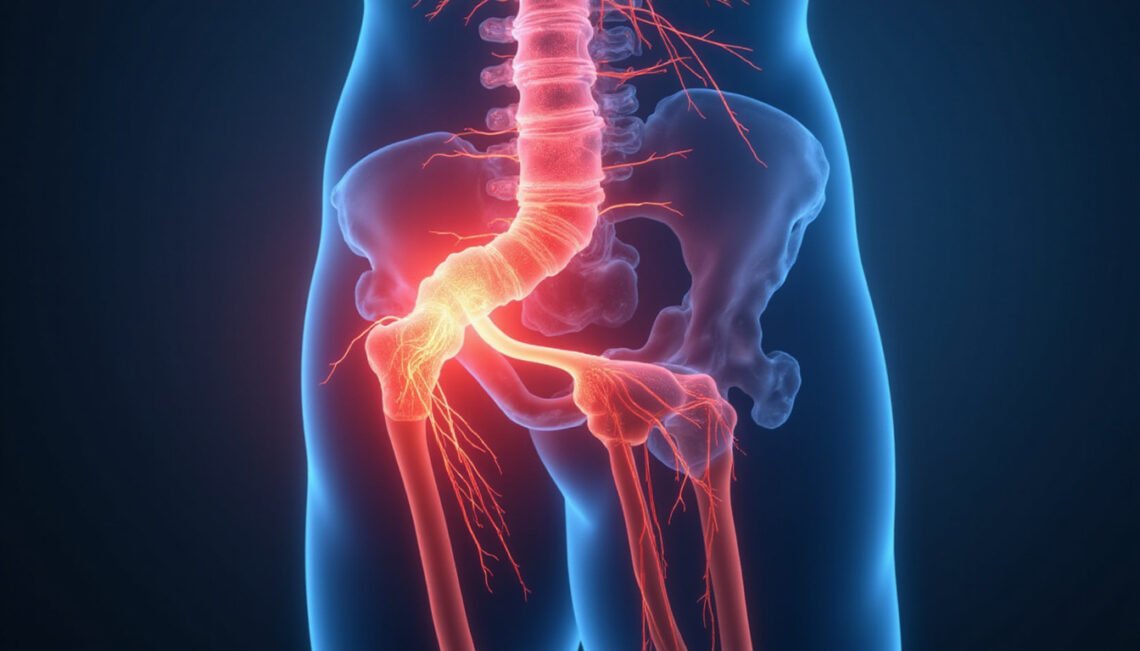
The femoral nerve is a major peripheral nerve that starts in your lower spine (lumbar region), travels through your pelvis, and runs down the front of your thigh. It is responsible for:
- Powering key muscles that straighten your knee (like the quadriceps)
- Helping flex the hip (lifting your leg forward)
- Providing sensation to the front and inner part of your thigh and part of the lower leg
Because the femoral nerve is involved in both movement and sensation, any damage or irritation can lead to a mix of pain, weakness, and numbness.
Common causes of femoral nerve pain
Femoral nerve pain most often comes from compression, stretching, or injury along the nerve’s path. Some of the most frequent causes include:
1. Femoral neuropathy (nerve damage or dysfunction)
Femoral neuropathy is a general term for problems affecting the femoral nerve. It can occur due to:
- Diabetes (nerve damage from long-term high blood sugar)
- Prolonged pressure on the groin or pelvis (tight belts, casts, or braces)
- Prolonged bed rest or immobility
- Direct trauma to the thigh or pelvis
2. Surgical or procedural injury
Because the femoral nerve runs close to major blood vessels in the groin, it may be affected by:
- Hip replacement surgery
- Pelvic or abdominal surgery
- Vascular procedures in the groin
- Improperly placed catheters or needles
Even when care is taken, swelling or scar tissue afterward can compress the nerve.
3. Herniated disc or spinal issues
Although more commonly associated with the sciatic nerve, a herniated disc in the upper lumbar spine can press on nerve roots that form the femoral nerve, leading to:
- Radiating pain from back to groin/front thigh
- Weakness with knee extension
- Numbness or tingling in a femoral nerve distribution
Spinal stenosis (narrowing of the spinal canal) in the lumbar area can have a similar effect.
4. Pelvic masses or bleeding
Anything that increases pressure in the pelvis can irritate or entrap the femoral nerve, such as:
- Tumors or cysts
- Enlarged lymph nodes
- Retroperitoneal hematoma (internal bleeding behind the abdominal cavity), often after trauma or blood-thinning medications
5. Pregnancy and weight gain
Increased abdominal pressure and postural changes in late pregnancy or with significant weight gain can sometimes contribute to femoral nerve irritation or compression, especially if combined with prolonged standing or sitting.
Symptoms: how femoral nerve pain typically feels
While symptoms vary, femoral nerve involvement tends to create a recognizable pattern:
-
Pain location
- Groin or front of hip
- Front and inner thigh
- Sometimes down toward the inner lower leg
-
Type of pain
- Sharp, shooting, or burning pain
- Aching or throbbing in the thigh
- Worsening with walking, climbing stairs, or extending the knee
-
Sensation changes
- Numbness or “pins and needles” on the front/inner thigh
- Hypersensitivity to touch in affected areas
- Reduced ability to sense temperature or light touch
-
Weakness
- Difficulty straightening the knee
- Trouble climbing stairs, standing from a seated position, or squatting
- Knee buckling or giving way
-
Reflex changes
- Diminished or absent knee-jerk (patellar) reflex
Red-flag symptoms—such as sudden severe thigh pain after trauma, increasing weakness, or loss of bladder/bowel control—require urgent medical attention.
How doctors diagnose femoral nerve problems
Accurate diagnosis is crucial because femoral nerve pain can mimic hip, knee, or lower back disorders. A healthcare provider will usually follow these steps:
Detailed history and physical exam
Your clinician will ask about:
- When the pain began and what makes it better or worse
- Recent surgeries, injuries, new activities, or changes in medication
- Existing conditions like diabetes or blood clotting disorders
During the exam, they’ll:
- Test muscle strength, especially knee extension (quadriceps)
- Check sensation on the front and inner thigh and lower leg
- Assess the patellar reflex (knee-jerk)
- Move your hip and knee to see what reproduces pain
Imaging tests
If the cause isn’t obvious, imaging can clarify what’s pressing on or injuring the femoral nerve:
- MRI of the lumbar spine or pelvis to look for disc herniation, tumors, or soft-tissue abnormalities
- CT scan of the abdomen/pelvis if bleeding, masses, or bone issues are suspected
- Ultrasound in some cases, especially for superficial masses or vascular concerns
Nerve conduction studies and EMG
Electrodiagnostic tests often play a major role:
- Nerve conduction studies (NCS) examine how well signals travel along the femoral nerve
- Electromyography (EMG) evaluates electrical activity in muscles supplied by the femoral nerve
These tests help confirm femoral neuropathy, distinguish it from spinal root issues, and estimate the severity and timing of nerve damage (source: Cleveland Clinic).
Top treatments for femoral nerve pain
Treatment depends on the underlying cause, symptom severity, and how long the problem has been present. Many cases improve with non-surgical management, but early care improves outcomes.

1. Medications for pain and inflammation
Commonly used options include:
- NSAIDs (ibuprofen, naproxen) to reduce inflammation and mild–moderate pain
- Acetaminophen for pain control when NSAIDs aren’t appropriate
- Neuropathic pain medications, such as:
- Gabapentin or pregabalin
- Certain antidepressants (e.g., duloxetine, amitriptyline) at low doses
- Short-term opioids may be used for severe acute pain, but are typically limited due to side effects and dependency risks
If diabetes is involved, tight blood sugar control is essential to prevent further nerve damage.
2. Physical therapy and targeted exercises
Physical therapy is often the cornerstone of recovery from femoral nerve injury. A therapist will tailor a program to:
- Maintain or restore range of motion in the hip and knee
- Strengthen the quadriceps and hip flexors without aggravating the nerve
- Improve gait pattern and balance
- Correct posture and movement patterns that may compress the nerve
Common components:
- Gentle stretching of hip flexors and quadriceps
- Isometric (static) contractions early on to avoid joint stress
- Progressive resistance training using bands or weights
- Core strengthening to support the lumbar spine
- Gait training and use of temporary aids (cane or brace) if knee buckling is present
3. Activity modification and lifestyle changes
Reducing stress on the femoral nerve gives it a chance to heal:
- Avoid prolonged standing or sitting with hips flexed tightly
- Take frequent breaks to change position and gently stretch
- Avoid tight belts, heavy tool belts, or constrictive clothing around the groin
- Adjust workstation or seating to support hips and lower back
- Manage weight through diet and low-impact activity to reduce pelvic and spinal load
4. Injections and interventional procedures
In certain cases, your clinician might suggest:
- Corticosteroid injections near the nerve or in the spine (if a lumbar root is involved) to reduce inflammation
- Nerve blocks to temporarily interrupt pain signals and confirm diagnosis
- In specialized settings, radiofrequency ablation or other advanced pain procedures may be considered for chronic, refractory pain.
5. Surgery
Surgery is reserved for specific, clearly identified causes such as:
- Tumor or mass compressing the femoral nerve
- Large hematoma (bleeding) in the pelvis or thigh
- Severe disc herniation not responding to conservative care
- Structural entrapment of the nerve
Procedures may involve decompression, removal of masses, or stabilization of spinal structures. The timing of surgery matters: earlier intervention in severe compression often leads to better nerve recovery.
Recovery timeline: what to realistically expect
Nerves heal slowly. The recovery timeline for femoral nerve issues can vary from a few weeks to many months, depending on:
- The underlying cause (e.g., temporary compression vs. structural damage)
- How quickly treatment started
- The severity and duration of symptoms before diagnosis
- Age and overall health
General expectations:
- Mild irritation or compression: Improvement within weeks; near full recovery in 2–3 months.
- Moderate neuropathy: Symptom reduction over 3–6 months; ongoing gains possible up to 12–18 months.
- Severe damage or long-standing compression: Partial recovery may occur; some weakness or numbness can be permanent.
Consistency with physical therapy, home exercises, and medical follow-up plays a big role in outcomes.
Self-care and home strategies to support femoral nerve healing
In addition to medical treatment, you can support recovery and reduce symptom flare-ups with simple strategies:
-
Follow prescribed exercise plans
- Do your home exercises exactly as recommended.
- Avoid “overdoing it” on good days; slow, steady progress beats big spikes in activity.
-
Use heat and cold wisely
- Cold packs for 10–15 minutes can help with acute pain or inflammation.
- Gentle heat (warm pack or bath) can relax tight muscles around the nerve.
- Always protect your skin and avoid extreme temperatures.
-
Prioritize ergonomic positioning
- Avoid sitting with hips sharply flexed for long periods.
- Use chairs with good lumbar support.
- When lying down, a pillow under the knees may reduce lumbar strain.
-
Protect your knee
- If weakness is significant, a brace or support may prevent buckling.
- Use a handrail on stairs and consider a cane temporarily for safety.
-
Manage chronic conditions
- Keep diabetes, high blood pressure, and cholesterol well-controlled.
- Quit smoking, as it impairs blood flow and nerve healing.
Quick checklist: When to see a doctor urgently
Seek immediate medical care if you experience:
- Sudden, severe thigh or groin pain after an injury or procedure
- Rapidly worsening weakness in the leg, especially if the knee is giving way
- Loss of knee reflex along with intense pain or numbness
- Fever, unexplained weight loss, or night sweats with leg symptoms
- Loss of bladder or bowel control, or numbness in the saddle area (emergency)
Femoral nerve pain FAQs
1. How long does femoral nerve damage take to heal?
Healing time depends on the cause and severity. Mild compression of the femoral nerve may improve within a few weeks, while more significant femoral neuropathy can take several months to a year or more. Nerves regenerate slowly—often estimated at about 1–3 millimeters per day—so improvements can be gradual. Regular follow-up with your provider helps track progress and adjust treatment.
2. What exercises help femoral neuropathy?
Exercises that strengthen the quadriceps and hip flexors without overstressing the nerve are most helpful. Examples include:
- Isometric quad holds (tightening the thigh muscle without moving the knee)
- Straight leg raises (as tolerated)
- Gentle hip flexor and quadriceps stretches
- Core strengthening (bridges, gentle planks)
These should be guided by a physical therapist, especially if you have significant pain or weakness, to avoid worsening nerve irritation.
3. Can a herniated disc cause femoral nerve symptoms?
Yes. A herniated disc in the upper lumbar spine can compress the nerve roots that form the femoral nerve, leading to pain, numbness, and weakness in the front of the thigh and knee. This is sometimes called lumbar radiculopathy with a femoral pattern. MRI imaging and nerve tests help distinguish this from peripheral femoral nerve entrapment around the pelvis or groin.
Take the next step toward relief
Femoral nerve pain doesn’t have to control your life or permanently limit your mobility. The earlier you understand the cause and begin targeted treatment, the better your chances of a strong recovery. If you’re struggling with groin or front-thigh pain, weakness climbing stairs, or unexplained numbness, schedule an appointment with your primary care provider, neurologist, or orthopedic specialist. Ask specifically whether your symptoms could involve the femoral nerve and whether imaging, nerve testing, or physical therapy is appropriate.
With the right diagnosis, a personalized treatment plan, and consistent follow-through on exercises and lifestyle adjustments, you can protect your femoral nerve, reduce pain, and confidently return to the activities you enjoy.