Glute activation is the foundation of stronger, firmer hips, better posture, and more powerful movement in everyday life and workouts. If your glutes aren’t firing properly, other muscles—like your lower back, hamstrings, and hip flexors—tend to compensate. Over time, this can lead to nagging pain, poor performance, and stalled progress in the gym. This guide walks you step-by-step through why glute activation matters, how to do it correctly, and the most effective exercises to wake up and strengthen your glutes.
Why glute activation matters (and how to know if you need it)
Many people spend hours sitting each day, which can cause the glute muscles to become “underactive” while the hip flexors and lower back tighten and overwork. That’s where focused glute activation comes in: it helps your brain reconnect with your glute muscles and teaches them to do their fair share of the work.
Signs your glutes may be underactive
You may benefit from dedicated activation work if you notice:
- Lower back tightness or pain during squats or deadlifts
- Feeling exercises mostly in your quads or hamstrings instead of your glutes
- Knee pain during running, lunges, or going downstairs
- A hard time “feeling” your glutes engage during workouts
- One side that feels weaker or less stable than the other
Research shows that good glute strength and activation support hip stability, reduce the risk of knee injuries, and improve running and jumping performance (source: NCBI).
Understanding your glute muscles
To get the most out of glute activation, it helps to know what you’re targeting.
- Gluteus maximus: The largest muscle; responsible for hip extension (driving the leg backward) and outward rotation. Crucial for deadlifts, hip thrusts, and sprinting.
- Gluteus medius: Located on the side of the hip; stabilizes the pelvis and controls hip abduction (moving leg out to the side). Key for preventing knee collapse and improving balance.
- Gluteus minimus: Deep muscle that works with glute medius to stabilize the hip and pelvis during walking, running, and single-leg work.
A well-rounded glute activation routine targets all three, not just the glute max.
How to warm up properly for glute activation
Before you jump into activation drills, spend 3–5 minutes increasing blood flow and loosening up tight areas.
Step 1: Light full-body warm-up (3–5 minutes)
Choose one:
- Fast walking or incline treadmill
- Easy cycling
- Jumping jacks or low-impact step jacks
- Dynamic marching in place (high knees, butt kicks, leg swings)
Step 2: Loosen tight hip flexors and quads
Tight hip flexors can “shut down” the glutes. Do:
- Half-kneeling hip flexor stretch – 30 seconds each side
- Standing quad stretch – 30 seconds each side
Now you’re ready for focused glute activation exercises.
Core glute activation exercises: beginner-friendly
These exercises are gentle but powerful ways to teach your glutes to switch on. Move slowly, focus on feeling the glutes, and keep tension there throughout each rep.
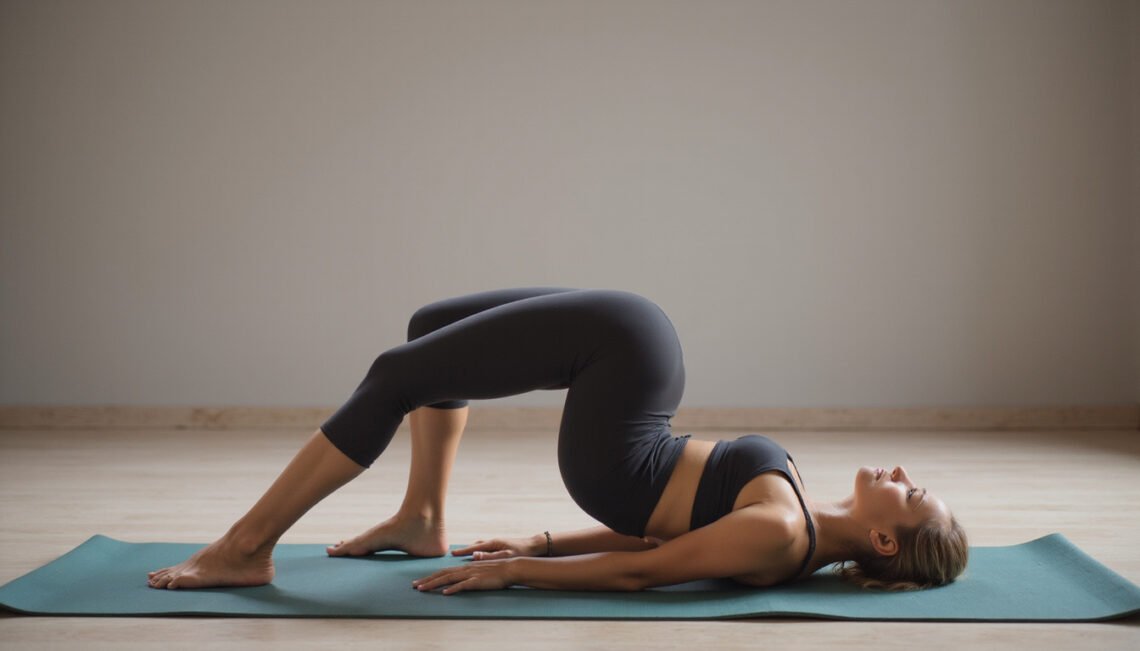
1. Glute bridge
Targets: Glute max, hamstrings, core stabilizers
How to:
- Lie on your back, knees bent, feet hip-width apart, flat on the floor.
- Brace your core and tilt your pelvis slightly so your lower back is neutral (not arched).
- Drive through your heels and squeeze your glutes to lift your hips until your body forms a straight line from shoulders to knees.
- Hold for 1–2 seconds, then lower with control.
Reps: 2–3 sets of 10–15 reps
Coaching keys:
- Think “squeeze the glutes” rather than “push with the back.”
- Don’t hyperextend your lower back at the top.
2. Clamshell
Targets: Glute medius and minimus (side of the hip), hip stability
How to:
- Lie on your side, knees bent about 90°, hips stacked, feet together.
- Keep your hips still and core braced.
- Open the top knee towards the ceiling like a clamshell, keeping feet together.
- Pause, then lower with control.
Reps: 2–3 sets of 12–15 reps per side
Coaching keys:
- Don’t let the top hip roll backward.
- You should feel the burn in the side of the hip, not your lower back.
3. Quadruped hip extension (donkey kicks)
Targets: Glute max, core stability
How to:
- Start on all fours, hands under shoulders, knees under hips.
- Brace your core and keep your lower back neutral.
- Lift one leg, knee bent 90°, driving your heel toward the ceiling.
- Stop when your thigh is in line with your torso; don’t arch your back.
- Lower gently and repeat.
Reps: 2–3 sets of 10–15 reps per side
Coaching keys:
- Move slowly and avoid swinging the leg.
- The motion comes from the hip, not from arching the back.
4. Side-lying hip abduction
Targets: Glute medius, hip abductors
How to:
- Lie on your side, legs straight, hips stacked.
- Flex the foot of your top leg (toes pointing forward).
- Lift the top leg up and slightly back, keeping it in line with your body.
- Pause, then lower slowly.
Reps: 2–3 sets of 12–15 reps per side
Coaching keys:
- Don’t let your leg drift forward; that takes load off the glutes.
- Avoid swinging—control the lift and the lowering.
Banded glute activation: level up the challenge
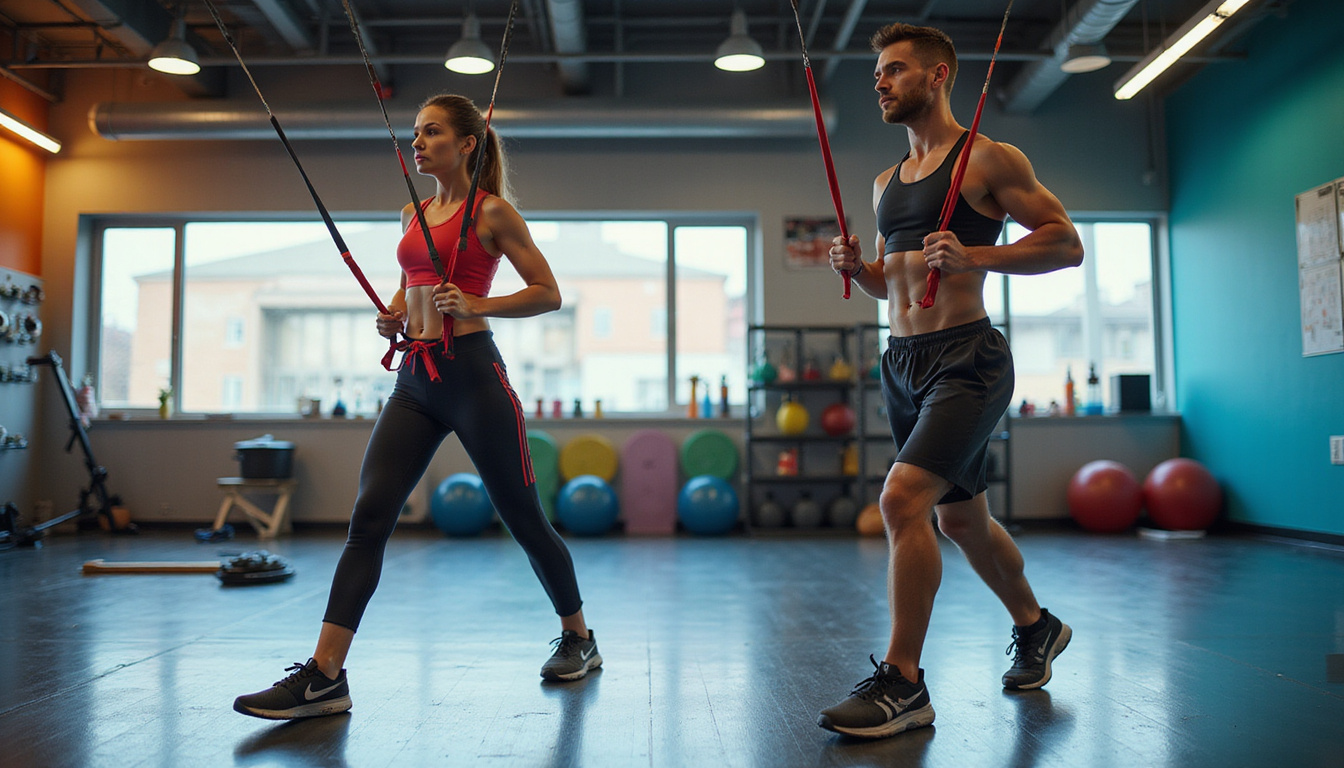
Once you can feel your glutes working in the basic drills, add a mini-band for extra resistance. This boosts engagement and prepares you for heavier lifts.
5. Banded lateral walks (monster walks/side steps)
Targets: Glute medius, hip stabilizers
How to:
- Place a mini-band around your lower thighs (easier) or ankles (harder).
- Stand tall, feet hip-width apart, slight bend in knees, hips back in an athletic stance.
- Step out to the side with one foot, then bring the other foot in, keeping tension on the band.
- Continue stepping sideways for several steps, then reverse.
Reps: 2–3 sets of 8–12 steps each direction
Coaching keys:
- Keep your hips level; don’t sway side to side.
- Don’t let your knees cave in—press them out slightly into the band.
6. Banded glute bridge
Targets: Glute max, glute medius
How to:
- Loop a mini-band around your thighs, just above your knees.
- Get into glute bridge position (as above).
- Press your knees slightly out into the band to create tension.
- Drive through your heels, squeeze your glutes, and bridge up.
- Hold for 1–2 seconds; keep pushing out against the band.
Reps: 2–3 sets of 10–15 reps
This variation hits both the big glute max and the side glutes for a more comprehensive activation.
7. Banded clamshell
Targets: Glute medius/minimus
How to:
- Place a mini-band just above your knees.
- Get into clamshell position as before.
- Open and close the top knee under band tension.
Reps: 2–3 sets of 12–20 reps per side
Use slow, deliberate reps; the band should feel challenging by the final repetitions.
Integrating glute activation into your workouts
Consistency is more important than intensity. You don’t need to exhaust your glutes before training; you just need to “wake them up” and make them the primary drivers of your lower-body work.
When to do glute activation
- Before lower-body workouts (squats, deadlifts, lunges, hip thrusts)
- Before running or sports that involve sprinting or cutting
- On rest or light days as part of injury prevention and posture work
Aim for 5–10 minutes, 3–5 days per week.
Sample glute activation warm-up (5–10 minutes)
- Glute bridges – 2 x 12
- Clamshells – 2 x 12/side
- Banded lateral walks – 2 x 8 steps each direction
- Quadruped hip extensions – 1–2 x 10/side
You should feel a noticeable “burn” in your glutes, not pain in your knees or lower back.
From activation to building stronger, firmer hips
Glute activation is step one. To actually build firmer, stronger hips, you’ll progress to more challenging strength exercises while keeping good activation and muscle awareness.
Progression ideas
- Move from bodyweight glute bridges to hip thrusts with weight.
- After mastering clamshells and band walks, add lateral lunges and single-leg Romanian deadlifts.
- Combine activation drills with compound lifts like squats and deadlifts for maximal strength and muscle gain.
A simple structure:
- Activate (5–10 minutes)
- Lift heavy with good form (20–40 minutes)
- Cool down and stretch (5–10 minutes)
Over time, you’ll notice improved glute size, shape, and firmness, alongside better posture and reduced discomfort in your back and knees.
Common glute activation mistakes to avoid
To get the most from your glute activation work, watch out for these pitfalls:
- Rushing the reps: Fast, sloppy reps teach your body nothing. Slow down and feel the muscle work.
- Using too much resistance too soon: Heavy bands can cause compensations and shift load to other muscles. Start light.
- Letting your lower back take over: If you feel bridging or donkey kicks mostly in your low back, reduce range of motion and brace your core harder.
- Neglecting one side: If one glute is weaker, add 1–2 extra sets on that side to help balance things over time.
- Skipping activation on “non-leg” days: Desk jobs, long drives, and general inactivity can benefit from short, daily glute activation sessions.
FAQ: Glute activation and stronger hips
How long should a glute activation routine take?
A focused glute activation routine usually takes 5–10 minutes. That’s enough time to get the muscles warm, switched on, and ready to support your heavier lifts or cardio. If you’re just starting or feel very “switched off,” you might spend closer to 10–15 minutes, but you shouldn’t be exhausted before your main workout.
Is glute activation necessary every day?
You don’t have to do glute activation every single day, but doing it 3–5 days per week brings great benefits. On intense lower-body days, treat it as your warm-up. On off or upper-body days, a short routine can help maintain good hip function, reduce stiffness from sitting, and support ongoing glute strength gains.
Which glute activation exercises are best for beginners?
For beginners, the best glute activation exercises are glute bridges, clamshells, side-lying hip abductions, and quadruped hip extensions. These moves are joint-friendly, easy to learn, and highly effective at teaching your brain to use the glutes properly. As you get stronger, you can add banded variations and lateral band walks for more challenge.
Start your glute activation routine today
Stronger, firmer hips don’t start with heavy weights—they start with smart glute activation. By regularly waking up your glutes with simple, targeted exercises, you’ll build a solid foundation for better performance, improved posture, and a more sculpted lower body.
Set aside just 5–10 minutes before your next workout to run through a short glute activation sequence from this guide. Stick with it for a few weeks, notice how your squats, deadlifts, and runs feel different, and then progress to heavier strength work as your glute power grows. Your hips, knees, and lower back will thank you—and you’ll be one big step closer to the stronger, firmer glutes you’re aiming for.