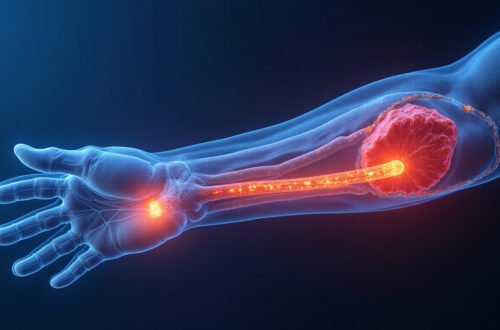
For millions of people living with relentless nerve pain, the dorsal root ganglion (DRG) has rapidly become one of the most exciting targets in modern pain medicine. Once a relatively obscure structure known mainly to neuroscientists, the DRG is now at the center of cutting-edge therapies that promise longer-lasting relief, fewer side effects, and more personalized treatments for chronic neuropathic pain.
This article breaks down what the dorsal root ganglion is, why it matters so much in nerve pain, and the key breakthroughs that could change how we diagnose and treat chronic pain in the coming years.
What Is the Dorsal Root Ganglion?
The dorsal root ganglion is a cluster of sensory nerve cell bodies located just outside the spinal cord, in the openings (foramina) between each vertebra. You can think of it as a critical relay station where sensory signals from the body first gather before entering the spinal cord and traveling up to the brain.
Each DRG:
- Contains cell bodies of sensory neurons (touch, pain, temperature, vibration, etc.).
- Sits in bony protection near each spinal nerve root.
- Helps filter, modulate, and transmit sensory information.
Why this matters: when nerves are injured or irritated—after surgery, trauma, shingles, diabetes, or other conditions—the neurons in the dorsal root ganglion can become hyperactive, misfiring pain signals even without a clear physical trigger. That hyperactivity is a core feature of many forms of chronic neuropathic pain.
Why the DRG Is Central to Chronic Nerve Pain
Researchers have learned that the dorsal root ganglion isn’t just a passive relay; it’s an active control center for pain processing. In chronic pain states, several changes can occur:
- Increased excitability: DRG neurons can become hypersensitive, firing more easily.
- Inflammation: Immune cells and inflammatory molecules gather in and around the DRG.
- Ectopic firing: Neurons start sending pain signals spontaneously, without any actual injury.
- Gene expression changes: Ion channels and receptors involved in pain transmission are upregulated or altered.
These changes can cause ongoing burning, shooting, or electric shock-like pain, often out of proportion to any visible damage. Conditions commonly linked to DRG dysfunction include:
- Complex regional pain syndrome (CRPS)
- Post-surgical neuropathic pain (e.g., after hernia repair, spine surgery)
- Diabetic peripheral neuropathy
- Post-herpetic neuralgia (shingles-related nerve pain)
- Radiculopathy and nerve root compression
- Certain cancer-related pains
The recognition that the DRG is a powerful “choke point” in the pain pathway has led to a wave of therapies aimed directly at modulating its activity.
DRG Stimulation: A Game-Changer in Neuromodulation
One of the most significant breakthroughs is dorsal root ganglion stimulation (DRG-S), a form of neuromodulation that uses tiny electrical impulses to calm overactive DRG neurons.
How DRG Stimulation Works
A DRG stimulation system typically includes:
- Leads (thin wires): Placed with minimally invasive techniques so the electrodes rest near the targeted dorsal root ganglion.
- Implantable pulse generator (IPG): A battery-powered device, often implanted under the skin, that sends programmed electrical pulses through the leads.
- External controller: Allows clinicians and patients to adjust settings within prescribed parameters.
By delivering precisely targeted electrical signals, DRG stimulation can:
- Reduce the abnormal firing of pain-signaling neurons.
- Modulate local circuits that amplify pain.
- Provide focused pain relief to specific areas (like the foot, groin, or knee) that are hard to treat with traditional spinal cord stimulation.
Evidence for DRG Stimulation
Clinical trials have shown promising results, especially for conditions like CRPS and focal neuropathic pain. In one pivotal study comparing DRG stimulation to traditional spinal cord stimulation, patients with CRPS had:
- Higher rates of significant pain relief.
- Better treatment specificity (more accurate targeting of the painful area).
- Sustained benefits over time (source: National Institutes of Health).
Other reported benefits include improved sleep, mobility, and reduced dependence on opioids for some patients.
Next-Generation DRG Stimulation Technologies
The first generation of DRG stimulation systems already represents a major leap, but new advances are making them smarter, safer, and more adaptable:
-
Closed-loop systems
Future devices may automatically sense neural activity or physiological markers and adjust stimulation in real time, maintaining optimal pain control with less manual reprogramming. -
Improved lead design
Thinner, more flexible, and more durable leads are being developed to reduce complications like migration or breakage, while improving targeting of the dorsal root ganglion. -
Expanded indications
Trials are exploring DRG stimulation for:- Pelvic and groin pain
- Phantom limb pain
- Pain after joint replacement
- Thoracic and abdominal wall pain
-
Lower-energy waveforms
New stimulation patterns (burst, high-frequency, or ultra-low energy modes) may improve comfort, reduce paresthesias (tingling sensations), and extend battery life.
Gene and Molecular Therapies Targeting the DRG
Another frontier involves changing how DRG neurons behave at a molecular level, potentially offering longer-term or even disease-modifying relief.
Gene Therapy Approaches
Gene therapy could deliver genetic material directly to the dorsal root ganglion to:
- Reduce excitability: By downregulating specific sodium or calcium channels involved in pain signaling.
- Boost natural pain control: By increasing production of inhibitory neurotransmitters or endogenous opioid-like molecules.
- Protect neurons: Through genes that reduce inflammation or prevent degeneration.
Animal studies using viral vectors (like AAV – adeno-associated virus) to target DRG neurons have already reduced neuropathic pain behaviors in models of nerve injury and diabetic neuropathy.

RNA-Based Strategies
Researchers are also investigating:
- siRNA and antisense oligonucleotides (ASOs): Short nucleic acid sequences that can selectively switch off pain-related genes in DRG neurons.
- mRNA therapies: Potentially used to temporarily boost protective or anti-inflammatory proteins in the dorsal root ganglion.
While these therapies are largely preclinical, the DRG is a particularly attractive target because it is anatomically accessible and contains concentrated populations of pain-relevant neurons.
Precision Drug Delivery to the Dorsal Root Ganglion
Traditional pain medications circulate throughout the body, often causing side effects while delivering only partial relief. Targeted delivery to the DRG may allow powerful pain control with much smaller doses.
Emerging strategies include:
- Microscale injections: Using image-guided needles to deliver anesthetics, steroids, or biologic agents directly around a specific dorsal root ganglion.
- Nanoparticle carriers: Tiny drug-loaded particles engineered to home in on DRG tissue or release medication slowly over time.
- Biodegradable depots: Implants or gels placed near the DRG that gradually release anti-inflammatory or anti-neuropathic agents.
These localized approaches could be especially beneficial for patients with pain isolated to a single nerve distribution, such as groin, foot, or facial neuropathies.
Imaging and Mapping the DRG: Better Diagnosis, Better Outcomes
Until recently, the dorsal root ganglion was difficult to evaluate directly. Advances in imaging and neurophysiology are changing that.
High-Resolution Imaging
- MRI and CT improvements now allow clearer visualization of DRG swelling, compression, or structural abnormalities.
- Diffusion tensor imaging (DTI) and similar techniques can map nerve fiber integrity and may reveal subtle DRG-related pathology that standard scans miss.
Electrophysiological Testing
- Microneurography and advanced nerve conduction methods can capture abnormal DRG activity.
- These tools help distinguish dorsal root ganglion–driven neuropathic pain from musculoskeletal, vascular, or central nervous system causes.
Better diagnostics mean clinicians can target interventions—like DRG blocks or stimulation—more accurately, improving success rates and reducing unnecessary procedures.
Understanding Risks and Limitations
Despite the excitement around DRG-targeted therapies, there are important considerations:
- Procedural risks: Any intervention near the dorsal root ganglion (injections, stimulation leads) carries risks of infection, bleeding, nerve damage, or lead migration.
- Not a cure-all: DRG therapies may not work for everyone, especially if central nervous system changes (in the spinal cord or brain) are the primary drivers of pain.
- Cost and access: Advanced neuromodulation and gene-based treatments can be expensive and may not yet be widely covered by insurance.
- Long-term data: For newer approaches, real-world long-term safety and effectiveness are still being collected.
Decisions about DRG-focused treatments are best made with pain specialists, neurosurgeons, or neurologists who have specific experience with dorsal root ganglion interventions.
When to Ask About DRG-Focused Treatments
You might consider talking to a specialist about dorsal root ganglion–based options if:
- Your pain is clearly neuropathic (burning, shooting, electric, pins-and-needles).
- Symptoms are localized to a specific region (such as foot, groin, or one limb).
- You have failed multiple medications (e.g., gabapentin, duloxetine, TCAs, opioids).
- Nerve blocks or other localized procedures give temporary relief.
- You have a diagnosis like CRPS, post-surgical neuropathic pain, or post-herpetic neuralgia.
A comprehensive evaluation can determine whether you’re a candidate for DRG stimulation, targeted injection, or enrollment in a clinical trial for emerging dorsal root ganglion therapies.
Quick Summary: Key DRG Breakthroughs to Watch
- Dorsal root ganglion stimulation: Precise neuromodulation with strong evidence for focal neuropathic pain.
- Advanced devices: Smarter, more durable, and expanding to more pain conditions.
- Gene and RNA therapies: Experimental approaches to reprogram DRG neurons and reduce pain at its source.
- Targeted drug delivery: Localized injections, nanoparticles, and depots focused around the ganglion.
- Improved imaging and testing: Better identification of DRG pathology and more personalized treatment plans.
FAQ: Dorsal Root Ganglion and Chronic Nerve Pain
Q1: What does the dorsal root ganglion do in nerve pain?
The dorsal root ganglion acts as a hub for sensory nerve cells just outside the spinal cord. In chronic nerve pain, DRG neurons can become overactive and inflamed, sending ongoing pain signals to the spinal cord and brain even without ongoing injury.
Q2: How is dorsal root ganglion stimulation different from spinal cord stimulation?
Spinal cord stimulation targets broader regions in the spinal cord, often covering large areas of pain like the whole leg or back. Dorsal root ganglion stimulation focuses directly on specific DRGs, allowing more precise targeting of small, hard-to-treat areas such as the foot, knee, or groin, often with improved relief in focal neuropathic pain.
Q3: Can dorsal root ganglion treatments cure neuropathic pain?
Most current DRG treatments—like stimulation or injections—aim to control symptoms rather than permanently cure the underlying condition. However, early-stage research into gene and molecular therapies targeting the DRG is exploring the possibility of longer-lasting or disease-modifying effects in some types of neuropathic pain.
Take the Next Step Toward Better Pain Control
If chronic nerve pain has taken over your life, emerging therapies that target the dorsal root ganglion offer new hope beyond “try another pill.” From advanced DRG stimulation systems to precision injections and promising gene-based research, the field is moving quickly toward more effective, personalized solutions.
Ask your pain specialist, neurologist, or spine physician whether a dorsal root ganglion–focused evaluation makes sense for your situation. With the right assessment and a tailored plan, you may be much closer than you think to regaining control over your pain—and your life.