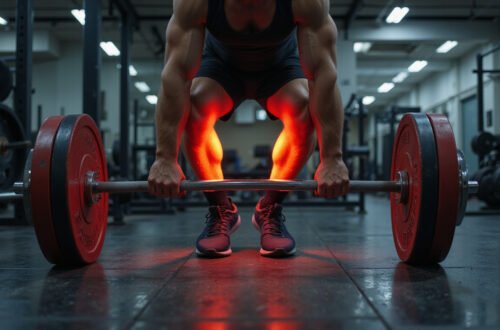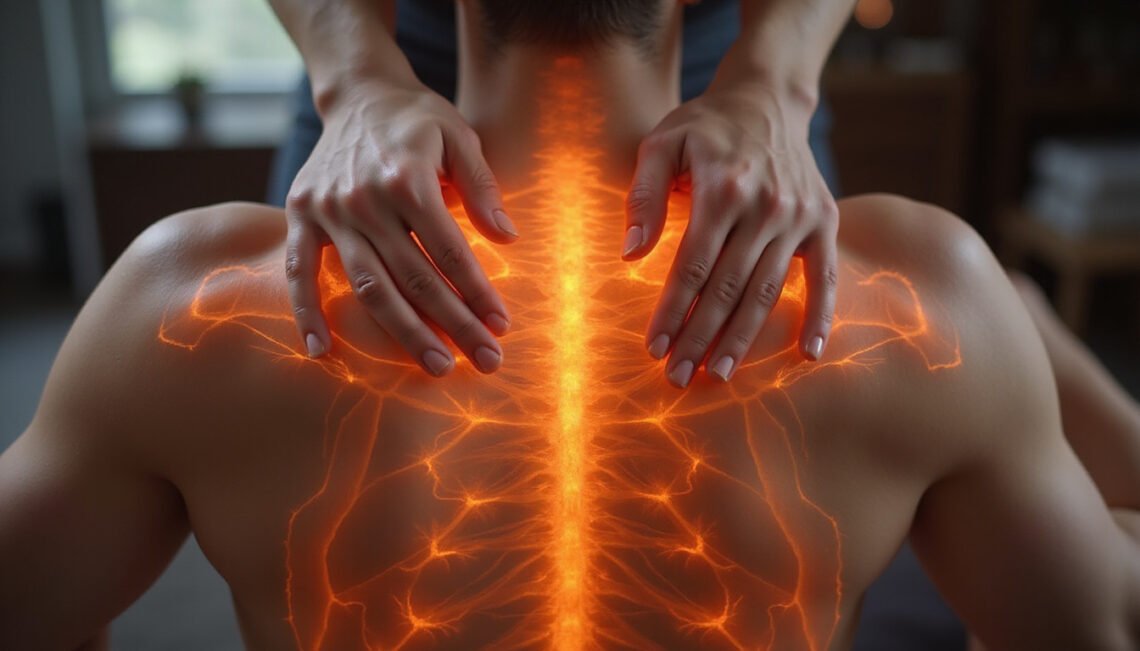
If you’re struggling with stubborn muscle tightness, nagging tendon pain, or slow healing after an injury, Active Release techniques may be the missing link in your recovery. This hands-on, movement-based therapy is used by chiropractors, physical therapists, athletic trainers, and other providers to break up scar tissue, restore mobility, and help the body move the way it’s supposed to—without chronic pain holding you back.
Below, you’ll learn what Active Release is, how it works, who it helps, and what to expect if you decide to try it.
What Is Active Release?
Active Release (often referred to as Active Release Techniques or ART®) is a patented soft-tissue treatment system designed to:
- Relieve pain caused by muscles, tendons, ligaments, fascia, and nerves
- Improve range of motion and flexibility
- Speed up recovery from both acute and chronic injuries
During an Active Release session, the practitioner uses their hands to apply targeted pressure to specific soft-tissue structures while guiding you through precise movements. Each movement-shortens and lengthens the tissue under tension to help:
- Break up adhesions (knots and scar tissue)
- Reduce nerve entrapment
- Restore normal gliding of muscles and connective tissue
Unlike passive approaches where you simply lie on a table, Active Release is interactive and movement-based. You are an active participant in your own treatment.
How Does Active Release Work?
To understand how Active Release works, it helps to know what happens inside your soft tissues when they’re injured or overused.
The Problem: Adhesions and Scar Tissue
When muscles or tendons are stressed—through repetitive motion, trauma, or poor posture—the body tries to repair the damage with scar tissue. Over time, this can create:
- Adhesions: Areas where fibers stick together instead of sliding freely
- Shortened muscles: Leading to tightness and stiffness
- Reduced blood flow: Slowing healing and increasing fatigue
- Nerve irritation: Causing numbness, tingling, or burning
These changes can lock you into a cycle of pain and compensation, where one area becomes overloaded because another isn’t working well.
The Solution: Tension Plus Movement
Active Release targets these problem spots with a combination of:
- Manual contact: The practitioner locates a specific structure (e.g., a muscle or nerve pathway) and applies focused pressure.
- Guided movement: You actively move a joint or limb through a defined range of motion, often from a shortened position to a lengthened one.
This combination of tension and movement helps:
- Mechanically break up adhesions and scar tissue
- Restore normal fiber alignment
- Improve sliding between muscles and fascia
- Reduce tension on irritated nerves
Research on manual therapy in general shows that hands-on treatment can improve pain, mobility, and function when targeted appropriately and combined with active rehab (source: National Institutes of Health).
Active Release is a specific, structured way of applying these principles.
Conditions That Respond Well to Active Release
Many common pain issues are rooted in soft-tissue dysfunction. Active Release is often used to treat:
Sports and Overuse Injuries
- Runner’s knee (patellofemoral pain)
- IT band friction syndrome
- Shin splints
- Achilles tendonitis
- Plantar fasciitis
- Hamstring and hip flexor strains
- Rotator cuff pain
- Golfer’s and tennis elbow
Office and Repetitive Strain Problems
- Carpal tunnel–like symptoms
- Mouse and keyboard overuse injuries
- Neck and upper back tightness from poor posture
- Tension headaches from tight neck and shoulder muscles
Nerve Entrapment Issues
- Sciatic-like leg pain from piriformis or deep hip tightness
- Thoracic outlet–like symptoms (numbness or tingling in the arm)
- Nerve irritation from tight forearm, calf, or foot muscles
Post-Injury and Post-Surgery Recovery
While not a substitute for medical clearance, Active Release can complement rehab by:
- Addressing stubborn scar tissue
- Restoring motion around surgical sites
- Helping re-balance movement patterns after immobilization
If your pain seems to “move around,” gets worse with specific repetitive motions, or is tied to muscle tightness instead of deep joint pain, you may be a strong candidate for Active Release.
What an Active Release Session Is Like
Knowing what to expect can make trying something new a lot less intimidating.
Initial Assessment
A typical Active Release session begins with:
- History: Your provider asks about your pain, activities, and prior injuries.
- Movement tests: You may be asked to bend, twist, walk, squat, or perform sport-specific motions.
- Palpation: The practitioner feels for tight bands, knots, or tender spots in muscles and fascia.
The goal is to pinpoint which tissues are contributing to your symptoms, not just where you feel pain.
The Treatment Itself
During Active Release treatment:
- You’ll usually remain clothed, but the provider may need direct access to the area (shorts or a tank top can help).
- The practitioner places a hand or thumb on a specific tissue (for example, the hip flexor or forearm flexors).
- You actively move a joint through a defined path—often to stretch the tissue under the applied tension.
- Each pass takes only a few seconds, but multiple passes are done on different structures.
You can expect:
- Discomfort, not damage: It may feel intense or “good hurt,” but tolerable.
- Immediate feedback: You might feel a noticeable change in tightness or motion right away.
Sessions typically last 15–30 minutes when done as focused treatment, sometimes longer if integrated into a full rehab visit.
How Many Sessions Are Needed?
The number of Active Release sessions varies based on:
- How long the problem has been present
- The severity of tissue damage
- Your activity level and goals
Some people notice improvement after 1–3 sessions; more chronic or complex cases may need 6–10 visits combined with exercise and lifestyle changes.
Active Release vs. Other Soft-Tissue Techniques
There are many manual therapies out there. Here’s how Active Release compares to some common options.

Active Release vs. Traditional Massage
- Massage tends to focus on general muscle relaxation and circulation.
- Active Release is highly specific, targeting individual muscles, tendons, or nerve pathways with defined movement patterns.
Both can be useful, but Active Release is more corrective and problem-focused, while massage is often more about overall relaxation and maintenance.
Active Release vs. Stretching
- Static stretching pulls on the muscle as a whole.
- Active Release aims to break up adhesions within and between muscles and fascia.
If scar tissue and nerve irritation are involved, stretching alone may not address the root issue; Active Release adds that targeted mechanical input.
Active Release vs. Joint Manipulation
Chiropractic adjustments and other manipulations focus on joints and spinal alignment. Active Release mainly targets soft tissues:
- Joint manipulation: Restores motion between bones.
- Active Release: Restores motion within and between muscles, tendons, and fascia.
Many providers combine the two when appropriate.
Who Should Consider Active Release?
Active Release may be a good fit if you:
- Have recurring soft-tissue injuries despite rest and stretching
- Notice that pain starts or worsens with specific repetitive motions
- Feel “stuck” or restricted in particular joints or muscle groups
- Experience nerve-like symptoms (tingling, numbness) linked to posture or movement
- Are an athlete trying to prevent injury or speed up recovery between events
You should talk with a healthcare professional before starting if you have:
- Recent fractures or surgery not yet cleared for manual therapy
- Severe osteoporosis
- Active infection, open wounds, or blood clots
- Unexplained weight loss, fever, or systemic symptoms
Active Release is a therapeutic tool, not a replacement for proper diagnosis. If red flags are present, imaging or a medical workup is essential first.
How to Get the Most Out of Active Release
Active Release works best as part of a bigger strategy for healing and performance.
Combine It With Targeted Exercise
Breaking up scar tissue without retraining movement is like clearing a path without deciding where it should lead. Most providers will recommend:
- Corrective exercises for weak or inhibited muscles
- Mobility drills to reinforce new range of motion
- Strength training to build resilience
This helps make your results last.
Pay Attention to Daily Habits
Soft-tissue overload often comes from:
- Poor desk ergonomics
- Too much sitting and too little movement
- Imbalanced training plans (e.g., only running, no strength work)
- Inadequate rest or recovery
Your provider can help you identify and change the habits that keep re-creating your problem.
Be Honest About Symptoms
During Active Release sessions, communicate clearly:
- When pressure is too intense
- Where pain travels or radiates
- How you feel after each visit
This allows the practitioner to fine-tune your treatment and avoid over-irritating sensitive tissues.
Simple Signs Active Release Might Help You
You don’t need to self-diagnose, but these clues often point toward soft-tissue dysfunction that responds well to Active Release:
- A “knot” that never fully releases with foam rolling
- Pain that eases with movement but returns with repetitive tasks
- Tightness that seems to “shift” from one area to another
- Nerve-like symptoms (tingling, burning) without a clear spinal injury
- Recurrent “pulls” or strains in the same muscle group
If these sound familiar, discussing Active Release with a trained practitioner could be a logical next step.
FAQ About Active Release and Related Therapies
1. Is Active Release therapy painful?
Active Release therapy can be uncomfortable, especially when working on very tight or irritated tissues. However, the intensity should always stay within your tolerance. Most people describe it as a “good hurt” that eases as the tissue releases. You should never feel sharp, alarming pain—tell your provider so they can adjust pressure or technique.
2. How is Active Release different from other manual release techniques?
While many therapies use hands-on pressure, Active Release techniques are highly specific and combine tension with guided motion. The practitioner follows defined protocols for each muscle, tendon, ligament, or nerve pathway. That specificity and the active movement component set Active Release apart from more general soft-tissue work.
3. Can Active Release help with chronic pain from old injuries?
Yes, many people seek Active Release treatment for chronic pain tied to old sprains, strains, or overuse injuries. Scar tissue and adhesions from years ago can still limit motion and irritate nerves. By targeting those restrictions, Active Release can often reduce long-standing pain and improve function—especially when paired with a solid rehab and strengthening plan.
Ready to Try Active Release for Your Pain or Performance?
Chronic tightness, recurring soft-tissue injuries, and nagging aches don’t have to be your new normal. Active Release offers a precise, movement-based way to break up scar tissue, free trapped nerves, and restore healthy motion so your body can finally heal and perform at its best.
If you’re tired of temporary fixes and want a more targeted approach, consider scheduling an evaluation with a provider trained in Active Release techniques. Ask about how they integrate ART® with exercise, ergonomics, and long-term injury prevention. With the right combination of hands-on treatment and smart movement, you can move out of pain and back into the activities you love—faster and more confidently than you might think.