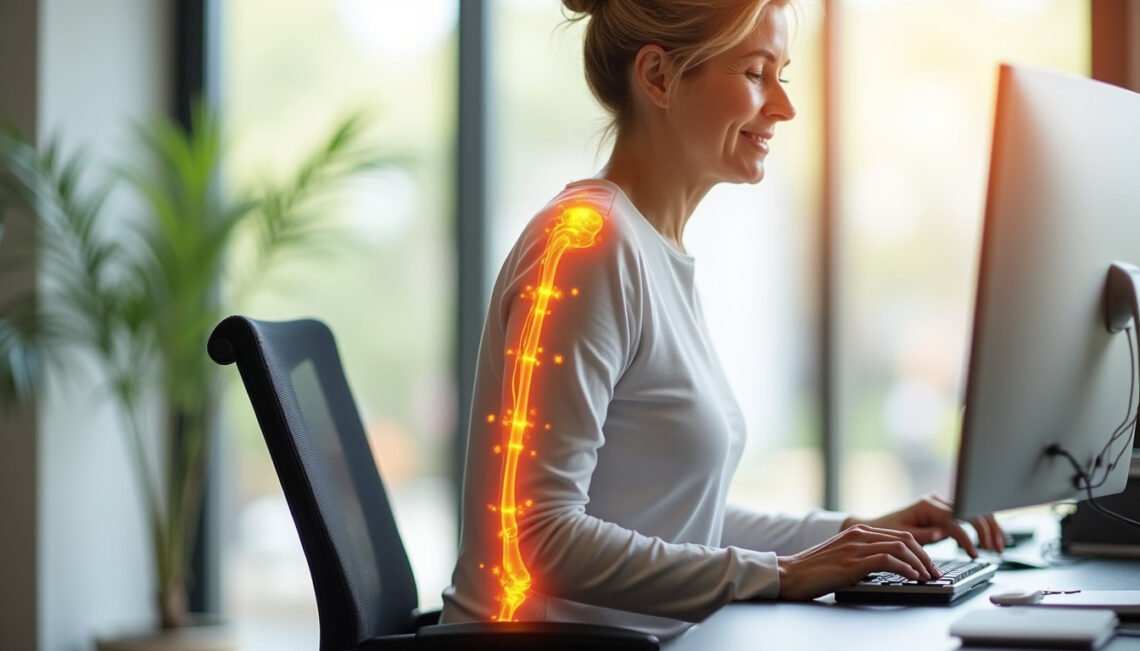
Activity Modification Strategies to Reduce Pain and Boost Mobility
Living with pain or limited movement can feel frustrating and discouraging, especially if you’re used to being active or independent. The good news: activity modification—small, strategic changes to how you move, work, exercise, and complete daily tasks—can significantly reduce pain and improve mobility without giving up the activities you love.
This guide explains what activity modification is, why it works, and practical strategies you can start using today, whether you’re managing arthritis, back pain, a sports injury, or general age-related stiffness.
What Is Activity Modification?
Activity modification means adjusting the way, amount, intensity, or timing of your activities to decrease pain, reduce stress on irritated tissues, and improve function.
Instead of “stop doing this,” activity modification says:
- “Do this a little differently,” or
- “Do it less often,” or
- “Break it into smaller pieces,” or
- “Swap it temporarily for a gentler option.”
Activity modification is a core principle in physical therapy, sports medicine, and chronic pain management. It allows you to stay as active as possible while letting painful or injured areas calm down and heal.
Why Activity Modification Works
Pain often arises when the load placed on your body (through movement, posture, or repeated tasks) exceeds what your tissues can currently handle.
Activity modification helps by:
- Reducing excessive load on joints, muscles, and tendons
- Breaking pain cycles caused by repeated irritation
- Improving movement mechanics, so the right muscles work in the right ways
- Preserving fitness and strength while letting injured areas rest
- Building resilience over time by gradually reintroducing activities
Major organizations such as the CDC and the American College of Sports Medicine recommend modified physical activity as a safe way to manage chronic pain and maintain function (source: CDC Physical Activity Guidelines).
Core Principles of Safe Activity Modification
Before diving into specific strategies, keep these principles in mind:
-
Pain is information, not the enemy
Mild discomfort can be okay, but sharp, escalating, or lingering pain is a sign to adjust. -
Modify, don’t quit
Completely stopping movement can lead to stiffness, weakness, and more pain later. The goal is to adapt, not become inactive. -
Short-term changes, long-term strategy
Some modifications are temporary (during a flare or recovery), while others become long-term habits that protect your body. -
Progress gradually
As pain improves, carefully increase intensity, duration, or complexity. “Too much, too soon” is a common cause of setbacks. -
Individualization matters
The ideal activity modification plan should reflect your condition, job, fitness level, and goals. When possible, work with a physical therapist or healthcare provider.
Strategies to Modify Daily Activities and Reduce Pain
1. Adjusting Postures and Positions
Persistent or extreme positions often aggravate pain—especially in the back, neck, hips, and knees.
Try these posture-based activity modification ideas:
- Alternate sitting and standing
Use a sit-stand desk or set a reminder to stand up and move every 20–30 minutes. - Support your spine
Use a small lumbar roll or folded towel behind your lower back when sitting. - Change your sleeping positions
- Side sleepers: Place a pillow between your knees to ease hip and back tension.
- Back sleepers: Put a pillow under your knees to reduce low back strain.
- Kneel or half-kneel instead of bending at the waist
When reaching low shelves or the floor, bend your knees or squat instead of rounding your back.
These small modifications can significantly reduce repetitive strain on sensitive joints and tissues.
2. Pacing and Planning: Controlling Volume and Frequency
Doing “all the things” on a good day often leads to a pain flare the next. Pacing is a powerful form of activity modification, especially for chronic pain and fatigue conditions (like arthritis, fibromyalgia, or chronic low back pain).
Pacing strategies:
- Break tasks into chunks
Instead of cleaning the entire house in one go, do one or two rooms, then rest. - Use the 50–80% rule
If you could do something for 30 minutes before feeling pain, start with 15–20 minutes and build up. - Alternate heavy and light tasks
Pair a physically demanding task (e.g., vacuuming) with a lighter one (e.g., folding laundry). - Schedule movement breaks
Set timers to stand, walk, or stretch briefly, especially during screen time or desk work.
The goal: maintain a steady, sustainable level of activity instead of cycling between overdoing and crashing.
3. Modifying Exercise and Sports Without Stopping
For many, the thought of quitting exercise or a beloved sport feels devastating. You usually don’t have to quit—it’s about adapting.
Ways to modify exercise intensity and impact:
- Swap high-impact for low-impact
- Replace running with cycling, swimming, or elliptical training.
- Trade jumping exercises for step-ups, marches, or controlled squats.
- Shorten and split workouts
Instead of one 45-minute session, try two 20–25 minute sessions. - Lower resistance and increase control
Use lighter weights with slower, more controlled movements and higher reps. - Change range of motion
Pain with deep squats? Try partial squats or sit-to-stands from a higher surface. - Reduce frequency temporarily
If you exercised 6 days a week, drop to 3–4 while symptoms calm, then rebuild.
This form of activity modification helps you maintain strength, cardiovascular health, and mental well-being while protecting painful structures.

4. Using Tools and Supports to Decrease Strain
Adaptive equipment and ergonomic tools are not “crutches”—they’re smart strategies to reduce unnecessary stress and preserve your energy.
Helpful supports and tools:
- Braces or sleeves for knees, wrists, or ankles during aggravating tasks
- Cushioned or orthotic insoles to reduce impact on feet, knees, and hips
- Reach tools or grabbers to avoid repeated bending or overreaching
- Ergonomic handles on gardening tools to reduce wrist and hand strain
- Rolling carts or backpacks instead of carrying heavy bags or loads
- Shower chairs or grab bars for stability and reduced fatigue in the bathroom
Used correctly and often in consultation with a professional, these aids are a practical part of a long-term activity modification plan.
5. Technique Tweaks for Everyday Tasks
Changing your movement technique can dramatically reduce pain, especially in the back, neck, and shoulders.
Try these task-specific modifications:
- Lifting objects
- Keep the object close to your body.
- Bend at hips and knees, not just your lower back.
- Avoid twisting while holding a heavy load—pivot your feet instead.
- Carrying groceries
- Distribute weight evenly between both hands.
- Use a rolling cart or multiple small trips instead of one heavy load.
- Housework
- Use long-handled mops or dusters to avoid repeated bending.
- Lunge or squat when reaching low, instead of rounding your back.
- Computer use
- Place the top of the monitor at or slightly below eye level.
- Keep keyboard and mouse close, with elbows near your sides.
- Rest feet flat on the floor or a footrest.
These simple technique-based changes are powerful activity modification tools that can meaningfully cut down on daily discomfort.
6. Activity Modification for Specific Body Regions
While your situation is unique, some patterns are common. Here are examples of how activity modification might look for common problem areas.
For Knee Pain
- Choose flat or gently sloped routes instead of steep hills or stairs.
- Sit on a higher chair or bed to reduce deep knee bending when standing up.
- Use handrails on stairs; take one step at a time if needed.
- Avoid long periods of kneeling or squatting; use kneeling pads when necessary.
For Low Back Pain
- Roll to your side and use your arms to help push up when getting out of bed.
- Avoid long static standing; place one foot on a small stool occasionally.
- Raise work surfaces to waist height for tasks like food prep or hobbies.
- Hold objects close, and avoid twisting with a load.
For Shoulder Pain
- Keep frequently used items at waist to chest height to avoid overhead reaching.
- Use a step stool instead of overreaching for high shelves.
- Limit prolonged reaching away from your body (e.g., heavy pans at arm’s length).
- Modify gym exercises: swap overhead presses for landmine presses or incline presses.
Example: A Simple Activity Modification Plan
Imagine someone with chronic knee and back pain who enjoys walking and gardening. A basic weekly activity modification plan might include:
-
Walking
- Switch from hilly outdoor routes to a flat track or treadmill.
- Walk 15–20 minutes, 5 days per week instead of 45 minutes, 3 days per week.
- Wear cushioned shoes and use walking poles for additional support.
-
Gardening
- Use raised garden beds to reduce bending.
- Garden in 10–15 minute blocks, with short sitting or lying-down breaks.
- Use a kneeling pad and alternate kneeling and sitting on a low stool.
-
Daily tasks
- Break heavy chores into smaller tasks across several days.
- Use a rolling cart for laundry instead of carrying heavy baskets.
- Adjust work setup to reduce prolonged sitting without support.
Over time, as pain improves and strength builds, they can gradually increase walking time, complexity of tasks, or intensity of exercise.
Quick Checklist: Signs Your Activity Modification Is Working
You’re on the right track if you notice:
- Pain is less intense during or after activities.
- Pain episodes are shorter and less frequent.
- You can do more before pain appears.
- You feel less drained or exhausted after daily tasks.
- Mobility and confidence in movement are slowly improving.
If pain is getting worse, lasting longer, or interfering with sleep or basic function, it’s time to adjust your strategy and consult a professional.
FAQ: Activity Modification and Pain Management
1. What is activity modification for chronic pain?
Activity modification for chronic pain means adapting daily tasks, exercise, and work duties to reduce stress on painful areas while keeping you as active as possible. Instead of stopping movement, you change how long, how hard, or how often you do things so pain is better controlled.
2. How does activity modification help with arthritis?
For arthritis, activity modification might include choosing low-impact exercise (like swimming or cycling), avoiding deep squats or kneeling, breaking chores into shorter blocks, using assistive devices, and adjusting joint positions. These changes help decrease joint irritation while maintaining strength and range of motion.
3. Can activity modification replace physical therapy?
Activity modification on its own can be very helpful, but it’s most effective when combined with a targeted exercise program designed by a physical therapist or qualified professional. Physical therapy can address underlying weakness, stiffness, or movement patterns while activity modification protects you in everyday life.
Take the Next Step Toward Less Pain and Better Mobility
You don’t have to choose between living with pain and giving up the activities that matter to you. Thoughtful activity modification—changing how you move, how much you do, and the tools you use—can help you reduce pain, prevent flares, and reclaim mobility.
Start by picking one or two strategies from this guide to apply this week—perhaps pacing your chores, adjusting your workspace, or modifying your exercise routine. Then, as you notice what helps, build on those changes.
If you’re unsure where to begin or your pain is persistent, consider working with a physical therapist or healthcare professional who can design a personalized activity modification plan for your body and your goals. The sooner you adapt your activities strategically, the sooner you can move with more comfort, confidence, and freedom.