Back Brace Buying Guide: Choose the Best Support for Pain
Finding the right back brace can be the difference between constant discomfort and finally getting through the day with manageable pain. But with so many designs, materials, and claims, choosing a back brace that truly supports your needs is not always simple. This back brace buying guide walks you through how back braces work, the different types available, and how to pick the best option for your pain, posture, and lifestyle.
How a Back Brace Helps With Pain
A back brace is a wearable support that stabilizes your spine and surrounding muscles. It can:
- Limit painful movements (bending, twisting, or lifting)
- Support weak or injured muscles
- Encourage proper posture and spinal alignment
- Reduce load on specific parts of the spine
For many people with lower back pain, sciatica, herniated discs, muscle strains, or postural issues, a well-chosen back brace can reduce symptoms and make daily activities more manageable.
Clinical guidelines typically recommend using a back brace as part of a broader treatment plan—alongside physical therapy, exercise, and ergonomic changes—rather than as a standalone fix (source: American Academy of Orthopaedic Surgeons).
Common Reasons to Use a Back Brace
Before choosing a back brace, be clear on why you want one. Different conditions benefit from different levels of support and design.
Typical uses include:
- Chronic lower back pain: Degenerative disc disease, spinal arthritis, or general low back pain.
- Acute injury: Muscle strains, sprains, or minor sports injuries.
- Herniated or bulging disc: To restrict painful motions and support the lumbar region.
- Sciatica: To help stabilize the lower back and reduce nerve irritation.
- Post-surgery recovery: After spinal fusion or other procedures, under medical supervision.
- Posture correction: To prevent slouching, especially in the upper back and shoulders.
- Heavy lifting or work support: For warehouse, construction, or caregiving jobs.
If your pain is new, severe, or associated with symptoms like numbness, weakness, fever, or bowel/bladder changes, consult a doctor before using a back brace.
Types of Back Braces and Their Uses
Choosing the right type of back brace is the most important step. Each style is designed for specific regions of the spine and levels of support.
1. Lumbar Back Brace (Lower Back Support)
Best for: Lower back pain, muscle strain, disc issues, sciatica, mild-to-moderate support.
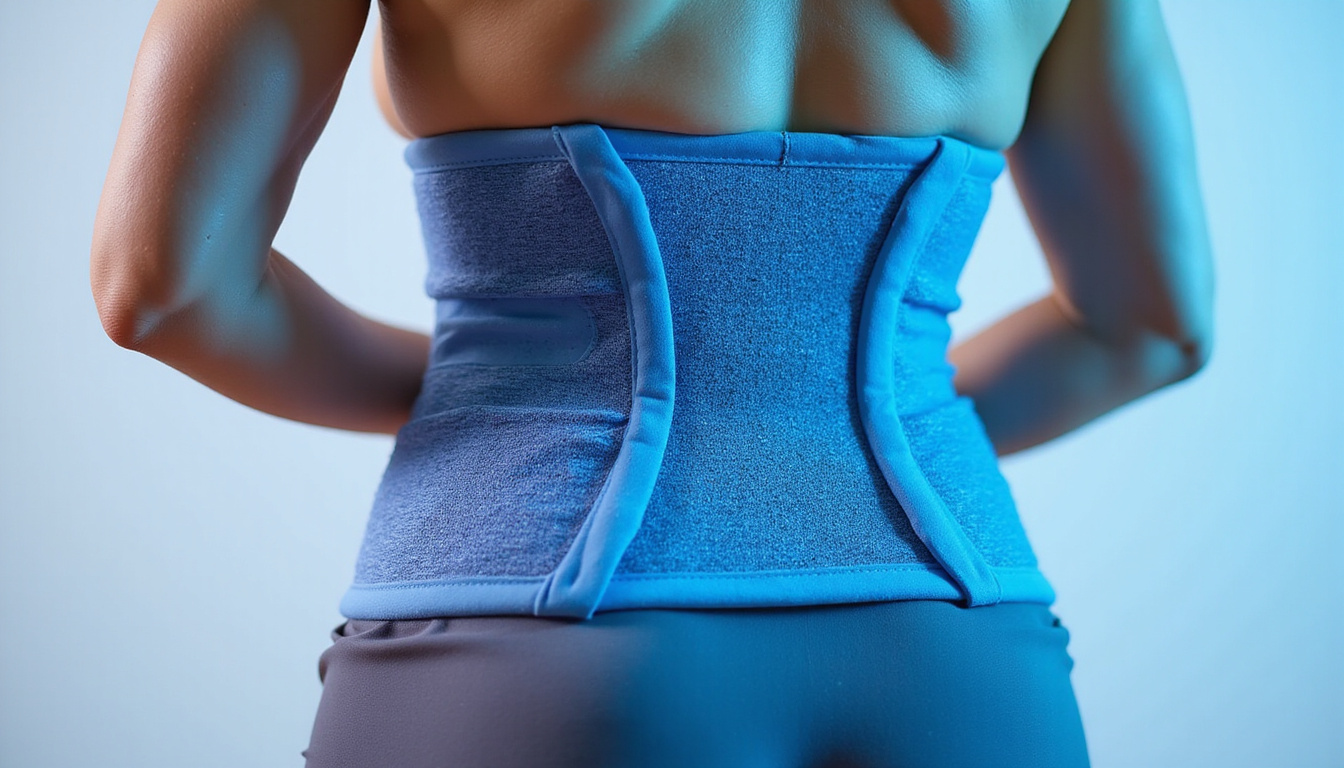
These wrap around the waist, covering from just above the hips to the mid- or upper-lumbar spine. They often use elastic or neoprene with adjustable straps for compression.
Pros:
- Easy to put on and adjust
- Flexible enough for daily activities
- Offers firm yet comfortable support
Cons:
- May ride up or roll if not fitted well
- Not designed for upper back or posture issues
2. Rigid or Semi-Rigid Back Braces
Best for: Serious spinal conditions, fractures, post-surgery, or when prescribed by a doctor.
These feature hard plastic panels or metal stays, combined with straps or Velcro closures. They significantly limit motion.
Pros:
- Strong stabilization
- Effective for protecting healing structures
Cons:
- Bulky and less comfortable
- Typically used short-term and under medical guidance
3. Posture Corrector Braces
Best for: Upper back, shoulder rounding, mild mid-back discomfort, desk workers.
These focus on the thoracic spine and shoulders, gently pulling them into alignment.
Pros:
- Light and discreet under clothing
- Good reminder to sit and stand upright
Cons:
- Minimal lower back support
- Can feel restrictive around shoulders if over-tightened
4. Maternity Back Braces (Pregnancy Support Belts)
Best for: Lower back and pelvic discomfort during pregnancy.
These belts sit under the belly and wrap around the lower back to redistribute weight and support abdominal and back muscles.
Pros:
- Reduce lumbar strain from growing belly
- Often adjustable as pregnancy progresses
Cons:
- Must be chosen carefully for comfort and circulation
- Not intended for heavy lifting or high-impact exercise
5. Industrial or Lifting Back Support Belts
Best for: Workers who repeatedly lift or move heavy objects.
These wide belts provide compression and may have suspenders. They’re designed to encourage safe mechanics, not to replace proper lifting technique.
Pros:
- Helpful cue to brace the core
- Widely available and relatively affordable
Cons:
- Over-reliance can promote poor body mechanics
- Mixed evidence on injury prevention if used alone
Key Features to Consider When Buying a Back Brace
Once you know which type of back brace you need, compare specific features to find the best match for your body and lifestyle.
1. Level of Support and Rigidity
Think in terms of light, moderate, and firm support.
- Light support: Thin, stretchy materials; good for mild pain, posture awareness, and all-day wear.
- Moderate support: Elastic plus stays or double-pull straps; good for chronic pain and active use.
- Firm support: Rigid panels or tight cross-straps; for serious conditions and limited wear unless directed by a clinician.
If you’re unsure, moderate support braces are often a practical middle ground.
2. Fit and Sizing
Proper fit is crucial. A back brace that is too tight can restrict breathing and circulation; too loose and it won’t support you.
- Measure your waist or hip circumference where the brace will sit.
- Check the brand’s size chart—sizes vary widely.
- If between sizes, most people do better sizing up, especially if you’ll wear it over clothes.
- Look for adjustable straps, Velcro closures, or dual-pull systems to fine-tune compression.
In general, the brace should feel snug and supportive but still allow normal breathing and movement.
3. Materials and Breathability
Comfort will determine whether you actually wear your back brace.
Common materials:
- Neoprene: Warm and supportive, but can get hot and sweaty.
- Elastic/nylon blends: Lightweight, more breathable, flexible.
- Cotton or cotton-blend liners: Softer against skin, better for sensitive skin.
- Mesh panels: Improve airflow during exercise or in hot climates.
If you live in a warm area or plan on wearing your brace during physical activity, prioritize breathability.
4. Adjustability and Ease of Use
Look for:
- Front closures so you can put it on by yourself.
- Dual-pull or cross-straps for more precise adjustment and extra support.
- Removable stays or panels if you want to customize rigidity.
- Low-profile design if you plan to wear it under clothing.
If you struggle with hand strength or dexterity (e.g., arthritis), avoid complicated buckle systems and narrow, hard-to-grip straps.
5. Coverage Area
Decide how much of your back needs coverage:
- Lower back only: Standard lumbar brace.
- Lower and mid-back: Tall lumbar brace or braces labeled “lumbo-sacral.”
- Full back: Thoracolumbar orthoses or posture-type braces with lumbar support.
Longer braces can offer more support but may feel bulkier when sitting or bending.
6. Activity Level and Intended Use
Match the brace to your lifestyle:
- For desk work/posture: Lighter, flexible brace or posture corrector, comfortable while seated.
- For physical work or sports: Durable materials, good range of motion, sweat-wicking, secure fit.
- For recovery or more serious pain: Higher support level, possibly semi-rigid; consult a healthcare provider.
How to Wear a Back Brace Safely and Effectively
Using a back brace correctly matters as much as picking the right one.
- Follow medical advice. If your doctor or physical therapist gives wearing instructions, prioritize those.
- Don’t overtighten. You should be able to breathe normally and move without pain from the brace itself.
- Limit wear time. For most people, 1–4 hours at a time is enough. Avoid wearing it all day every day unless instructed, to prevent muscle weakening.
- Pair with exercise. Strengthening your core, hips, and back muscles helps you rely less on the brace over time.
- Inspect your skin. Check for redness, sores, or irritation—especially in hot weather or if you sweat a lot.
- Keep it clean. Follow washing instructions to prevent odor and skin irritation.
If your pain gets worse while wearing a brace, or if you experience numbness, tingling, or swelling, stop using it and consult a professional.
Who Should Talk to a Professional Before Using a Back Brace?
While many over-the-counter back braces are safe for general use, certain people should get guidance before using one:
- Individuals with osteoporosis or known spinal fractures
- Those recovering from back surgery
- People with severe scoliosis or deformities
- Anyone with circulation issues, diabetes-related neuropathy, or fragile skin
- Pregnant individuals needing support beyond a standard maternity belt
A physical therapist, orthopedist, or sports medicine doctor can help choose the most appropriate brace and integrate it into a comprehensive treatment plan.
Quick Checklist: What to Look for in a Back Brace
Use this list when comparing options online or in-store:
- [ ] Type matches your need (lumbar, posture, rigid, maternity, lifting)
- [ ] Correct size for your measurements
- [ ] Appropriate support level (light, moderate, firm)
- [ ] Breathable, skin-friendly materials
- [ ] Adjustable straps and easy-to-use closures
- [ ] Comfortable to wear while sitting and standing
- [ ] Low-profile enough for your clothing style (if needed)
- [ ] Clear instructions and reasonable return policy
FAQs About Choosing a Back Brace
1. What is the best back brace for lower back pain?
The best back brace for lower back pain typically is a lumbar brace that offers moderate support and adjustable compression. Look for a design that covers the area from your tailbone up to the mid-back, with dual-pull straps for fine-tuning tightness. If your pain is due to a specific condition like a herniated disc or spinal stenosis, ask a healthcare provider which type of lumbar support is most appropriate.
2. Can a back support brace help improve posture?
Yes, a back support brace designed for posture—often called a posture corrector—can gently pull your shoulders back and encourage a more upright position. Some lumbar braces also promote better posture by supporting the natural curve of your lower spine. However, they should be used as a training tool alongside strengthening exercises, not as a permanent crutch.
3. How long should I wear a back brace each day?
For most over-the-counter back braces, wearing them during activities that trigger pain (like standing, walking, lifting, or working at a desk) for a few hours at a time is sufficient. Many clinicians recommend avoiding full-day use to prevent your core muscles from becoming overly dependent on the brace. Always follow your doctor’s or physical therapist’s specific guidance if you have one.
Choosing the right back brace is ultimately about matching support to your unique body and daily demands. When you understand your pain pattern, pick the proper type of brace, and pay attention to fit and comfort, you can transform a simple device into a powerful tool for relief and recovery.
If you’re ready to take control of your back pain instead of letting it control you, start by defining your needs—then compare a few well-reviewed braces that match this guide’s criteria. When in doubt, bring your top choices to a physical therapist or doctor and ask which one best supports your condition. Taking a thoughtful, informed approach now can help you move with more confidence and less pain for years to come.