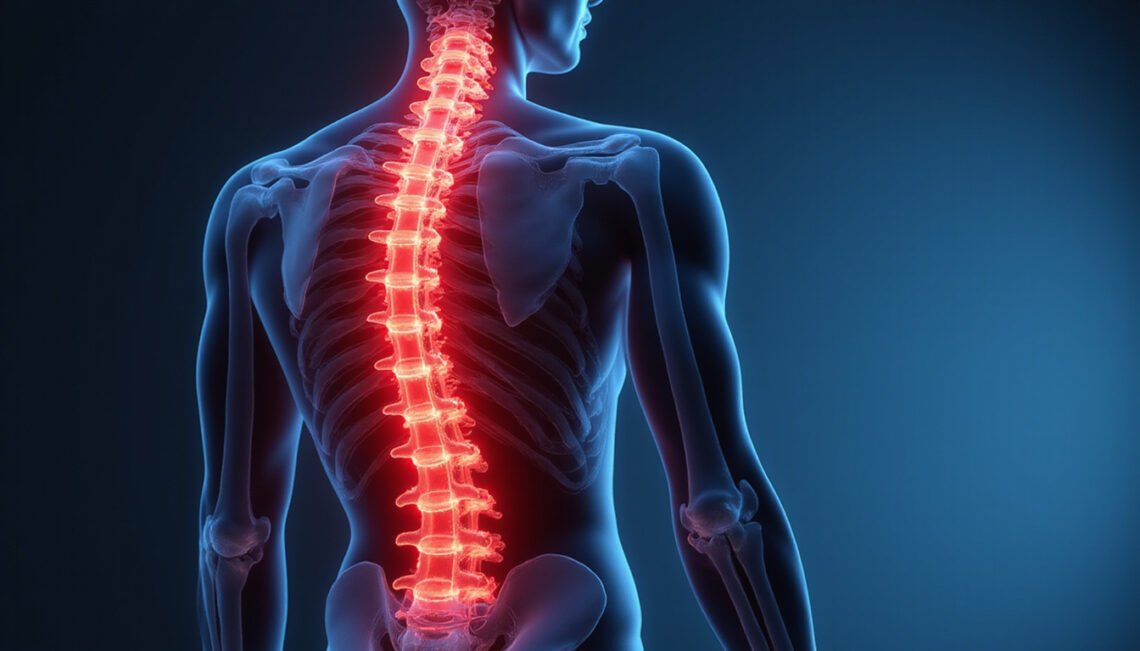
Back pain is one of the most common reasons people miss work or visit a doctor—and often, the real back pain causes aren’t what you’d expect. While injuries and aging get most of the blame, many everyday habits, hidden health issues, and lifestyle choices quietly strain your spine until it finally protests.
This guide walks you through 10 surprising triggers behind back pain and what you can do—starting today—to find fast, practical relief.
Why Understanding Back Pain Causes Matters
When you know what’s really driving your discomfort, you can target the right solution instead of chasing temporary fixes. Back pain isn’t just about muscles or bones; it’s typically a mix of:
- Mechanical issues (posture, movement patterns)
- Lifestyle factors (work setup, stress, sleep)
- Underlying medical conditions (arthritis, disc issues, nerve involvement)
Research suggests that up to 80% of people will experience back pain at some point in their lives (source: NIH). Understanding lesser-known back pain causes can help you correct them before pain becomes chronic.
1. Your Chair and Desk Setup
One of the most overlooked back pain causes is a poorly designed workspace. Even a “comfortable” office job can be hard on your back if your posture is off for 8+ hours a day.
Common ergonomics mistakes:
- Chair too low or too high
- Monitor below eye level, making you crane your neck
- No lower-back (lumbar) support
- Leaning forward toward the screen
Fast relief tips:
- Adjust chair height so your feet are flat on the floor and knees are at hip level or slightly lower.
- Keep monitor at eye level and at arm’s length distance.
- Use a small pillow or rolled towel behind your lower back.
- Stand up and walk for 2–3 minutes at least once every hour.
2. Weak Core Muscles
Many people blame heavy lifting or “sleeping wrong,” but a weak core is often the underlying culprit. Your core includes not just your abs, but also deep stabilizing muscles in your back, sides, and pelvis. When these are weak, your spine takes on more load than it should.
How weak core strength contributes to back pain:
- Poor posture and slouching
- Extra strain on spinal discs and joints
- Reduced stability when you bend, twist, or lift
Fast relief tips:
- Start with gentle core exercises: dead bugs, bird-dogs, glute bridges, and planks.
- Aim for 5–10 minutes of core work 3–4 times per week.
- Focus on slow, controlled movements rather than intensity.
3. Emotional Stress and Tension
Stress is one of the more surprising back pain causes because the link isn’t always obvious. Chronic stress triggers muscle tension—especially in the shoulders, neck, and lower back—and can heighten your perception of pain.
Signs your back pain might be stress-related:
- Pain worsens during busy or emotionally intense periods
- Morning stiffness that eases as you relax
- No clear physical trigger, like injury or overuse
Fast relief tips:
- Practice diaphragmatic (belly) breathing for 5 minutes twice a day.
- Try gentle yoga or stretching before bed.
- Build short “stress breaks” into your day—walks, stretching, or simply closing your eyes and breathing.
4. Poor Sleep Quality and Mattress Issues
Sleep and back pain have a two-way relationship: pain can disrupt sleep, and bad sleep can worsen pain. One of the sneaky back pain causes is a mattress that’s too soft, too firm, or simply worn out.
Clues your bed might be to blame:
- You wake up with more stiffness than when you went to sleep.
- Your pain improves as the day goes on.
- Your mattress is more than 7–10 years old, or visibly sagging.
Fast relief tips:
- If you’re a side sleeper, place a pillow between your knees.
- If you’re a back sleeper, use a small pillow under your knees to reduce lumbar stress.
- Consider a medium-firm mattress, which studies often associate with better back support.
- Avoid sleeping on your stomach, which can strain the lower back and neck.
5. Sitting Too Much (Even If You Exercise)
You can work out daily and still suffer from back pain if you spend most of your day sitting. Prolonged sitting is a leading lifestyle-related back pain cause because it:
- Shortens hip flexors, pulling on your lower back
- Weakens glute muscles, which support the spine
- Compresses spinal discs, especially if you slouch
Fast relief tips:
- Use a timer to remind you to stand and move every 30–60 minutes.
- Try a sit–stand desk or improvise with a countertop for part of your workday.
- Incorporate hip flexor and hamstring stretches into your routine.
- Walk for at least 5–10 minutes after long sitting periods.
6. Footwear and Gait Problems
Your back is part of a chain that starts at your feet. Unsupportive shoes—or subtle gait issues—can be unexpected back pain causes because they misalign your entire posture.
Problem footwear can include:
- High heels that tilt your pelvis forward
- Completely flat shoes with no arch support
- Old, worn-out sneakers that no longer cushion impact
Fast relief tips:
- Choose footwear with adequate arch support and cushioning.
- Limit high heels and save them for short durations.
- If you suspect gait issues, see a podiatrist or physical therapist for an assessment and potential orthotics.
7. Hidden Dehydration and Poor Nutrition
Hydration and nutrition don’t usually come to mind when thinking about back pain, but they play a role in the health of your spinal discs and muscles. Intervertebral discs are partly made of water; dehydration may reduce their ability to cushion and absorb shock.

Meanwhile, a highly inflammatory diet (heavy in processed foods, sugar, and trans fats) can worsen chronic pain.
Fast relief tips:
- Aim for clear or pale yellow urine as a simple hydration check.
- Prioritize whole foods: vegetables, fruits, lean proteins, healthy fats, and whole grains.
- Include anti-inflammatory foods like fatty fish, berries, leafy greens, and turmeric.
8. Smartphone and Screen Posture
Tech neck doesn’t just affect your neck; it can contribute to mid- and upper-back pain as well. Constantly looking down at your phone or laptop places extra strain on your spine.
Signs tech posture is one of your back pain causes:
- Pain between the shoulder blades
- Aching upper back after scrolling or texting
- Stiff neck and headaches that accompany back pain
Fast relief tips:
- Hold your phone at eye level as often as possible.
- Raise your laptop with a stand and use an external keyboard if you can.
- Do a “posture reset” every hour: roll your shoulders back, tuck your chin slightly, and lengthen your spine.
9. Underlying Medical Conditions
Sometimes, the causes of back pain are related to underlying health issues that aren’t immediately obvious, such as:
- Arthritis (osteoarthritis or inflammatory types)
- Herniated or bulging discs
- Spinal stenosis (narrowing of the spinal canal)
- Sacroiliac joint dysfunction
- Osteoporosis (weak, brittle bones that may fracture)
While these may not be “surprising” in the medical sense, many people don’t realize they have them until back pain becomes frequent or severe.
Fast relief tips:
- Consult a healthcare professional if pain persists more than a few weeks, is severe, or affects daily activities.
- Watch for red flags that require immediate medical attention: back pain with fever, unexplained weight loss, loss of bladder/bowel control, or pain following major trauma.
- Follow prescribed treatment plans, which may include physical therapy, medication, or targeted exercises.
10. Everyday Micro-Movements and Habits
Sometimes the most surprising back pain causes are the tiny habits you barely notice, like:
- Always carrying a bag on the same shoulder
- Twisting to reach something behind you instead of turning your whole body
- Bending from the waist instead of at the hips and knees
- Brushing your teeth or doing dishes with a rounded, slouched back
Over time, these micro-movements can irritate muscles and joints.
Fast relief tips:
- Alternate shoulders for bags, or use a backpack with two straps.
- Turn your whole body instead of twisting your spine.
- Bend with your hips and knees when lifting or picking things up.
- Be mindful of staying tall and neutral during standing tasks.
Simple Daily Routine to Ease Back Pain
To tie these back pain causes and tips together, consider adopting this quick daily routine:
-
Morning (5–10 minutes)
- Gentle cat–cow stretches
- Hip flexor stretch
- 1–2 light core exercises (e.g., bird-dog, glute bridge)
-
Workday habits
- Posture checks every hour
- Stand and walk for 2–3 minutes each hour
- Screen and chair adjusted for ergonomics
-
Evening wind-down (5–10 minutes)
- Light yoga or stretching (hamstrings, hips, back)
- 5 minutes of deep breathing or relaxation
-
Lifestyle basics
- Supportive footwear
- Hydration and anti-inflammatory foods
- Sleep position and mattress awareness
Small, consistent steps are more effective than occasional intense efforts.
FAQ: Common Questions About Back Pain Causes
1. What are the most common lower back pain causes?
Common lower back pain causes include poor posture, weak core muscles, prolonged sitting, improper lifting techniques, and underlying issues like herniated discs or arthritis. Lifestyle factors—such as lack of exercise, stress, and poor sleep—often amplify these triggers.
2. Can upper back pain causes be different from lower back pain causes?
Yes. Upper back pain causes more often involve posture, muscle tension, and tech-related strain (like looking down at screens), as well as shoulder and neck mechanics. Lower back pain tends to be more related to the lumbar spine, hips, and sacroiliac joints, though some factors (like sitting too long) affect both areas.
3. Are there serious medical back pain causes I should watch for?
Certain symptoms can signal more serious back pain causes, such as infections, fractures, or nerve damage. Seek immediate medical care if back pain is accompanied by fever, unexplained weight loss, loss of bladder or bowel control, severe weakness, or if it follows a major accident or fall.
Take Control of Your Back Health Today
You don’t have to accept back pain as a normal part of life. By uncovering these often-overlooked back pain causes—your workspace, stress levels, daily habits, sleep, footwear, and more—you can make small but powerful changes that add up to lasting relief.
Start today: pick two or three triggers that sound most like your situation, apply the fast relief tips, and give them a week or two. If pain persists, worsens, or limits your daily activities, partner with a qualified healthcare professional or physical therapist to get a personalized plan.
Your back supports you every day. Now is the time to support it back—so you can move, work, and live with less pain and more confidence.