Bulging Disc Breakthrough: How to Relieve Pain Without Surgery
A bulging disc can turn everyday tasks—like sitting at your desk, lifting a bag, or even getting out of bed—into a painful challenge. Many people fear that disc problems automatically lead to surgery, but that’s no longer the default path. Thanks to advances in conservative care, smart movement strategies, and lifestyle changes, a large percentage of bulging disc cases can improve significantly without going under the knife.
This guide explains what a bulging disc is, why it hurts, and the most effective nonsurgical strategies to reduce pain, improve mobility, and help you get your life back.
Understanding a Bulging Disc
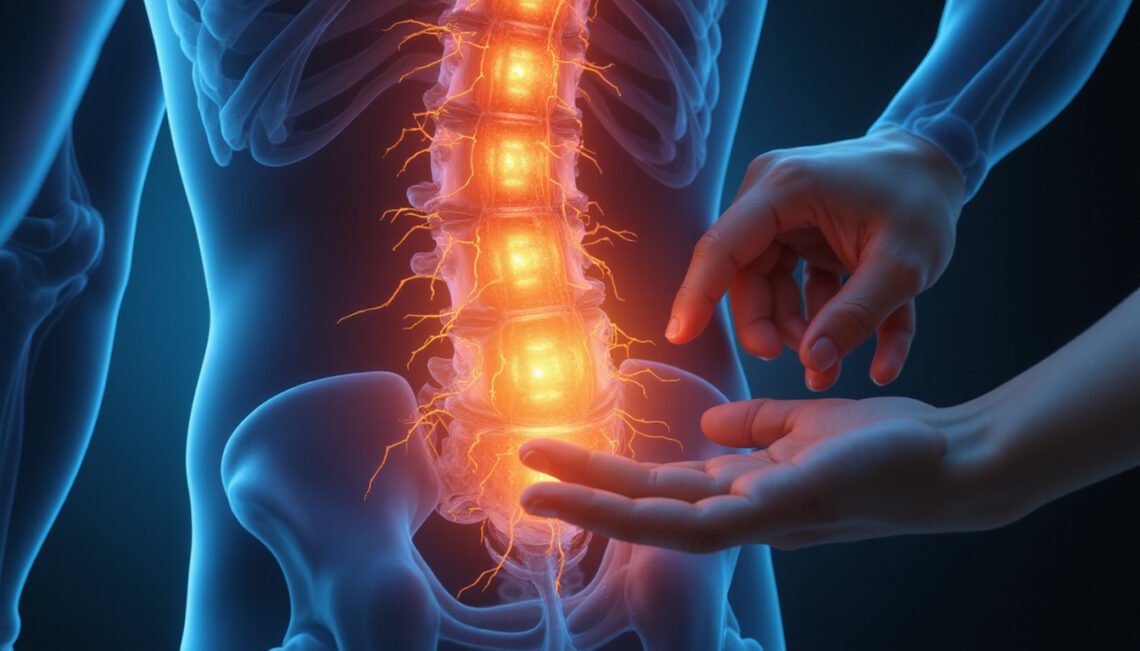
Between each vertebra in your spine sits a disc that works like a cushion or shock absorber. Each disc has:
- A tough outer layer (annulus fibrosus)
- A gel-like center (nucleus pulposus)
A bulging disc happens when the outer layer weakens or is compressed and the disc extends outward beyond its normal boundary. Unlike a herniated disc, the inner gel doesn’t necessarily leak out—it just pushes the disc wall outward.
This bulge can:
- Narrow the space in the spinal canal
- Irritate or compress nearby spinal nerves
- Cause pain, numbness, tingling, or weakness along the nerve pathway
Common Areas and Symptoms
Bulging discs can occur anywhere along the spine, but most often in:
- Lumbar spine (lower back) – Pain in the low back, buttocks, hips, and legs (sciatica).
- Cervical spine (neck) – Neck pain, headaches, and pain radiating into shoulders, arms, and hands.
Symptoms can include:
- Sharp or aching back or neck pain
- Radiating pain into arms or legs
- Pins-and-needles or numbness
- Muscle weakness or heaviness in a limb
- Pain that worsens with sitting, bending, or twisting
The good news: many bulging discs are treatable and manageable without surgery when addressed early and consistently.
Do You Always Need Surgery for a Bulging Disc?
In most cases, no. Studies suggest that many disc problems improve with time and conservative treatment. The body can reduce inflammation, and the disc can partially “settle” or adapt as surrounding tissues strengthen and mobility improves (source: NIH / NCBI).
Surgery is usually considered only if:
- There is significant or progressive muscle weakness
- There’s loss of bowel or bladder control (a medical emergency)
- Severe pain persists for months despite thorough nonsurgical care
- Imaging matches serious symptoms (e.g., severe nerve compression)
For many people, a combination of targeted exercises, posture changes, pain management, and lifestyle modifications can offer lasting relief—without the risks, downtime, or cost of spinal surgery.
Key Principles to Relieve Bulging Disc Pain Without Surgery
To relieve a bulging disc, you want to:
- Decrease inflammation and nerve irritation
- Reduce mechanical stress on the disc
- Strengthen supporting muscles
- Restore healthy movement patterns
When you work on all four, you give your spine its best chance to heal and stabilize.
Movement and Exercise: Your First Line of Defense
It’s tempting to rest when pain flares, but long-term bed rest can weaken muscles and worsen stiffness. Gentle, guided movement is one of the most powerful tools for bulging disc recovery.
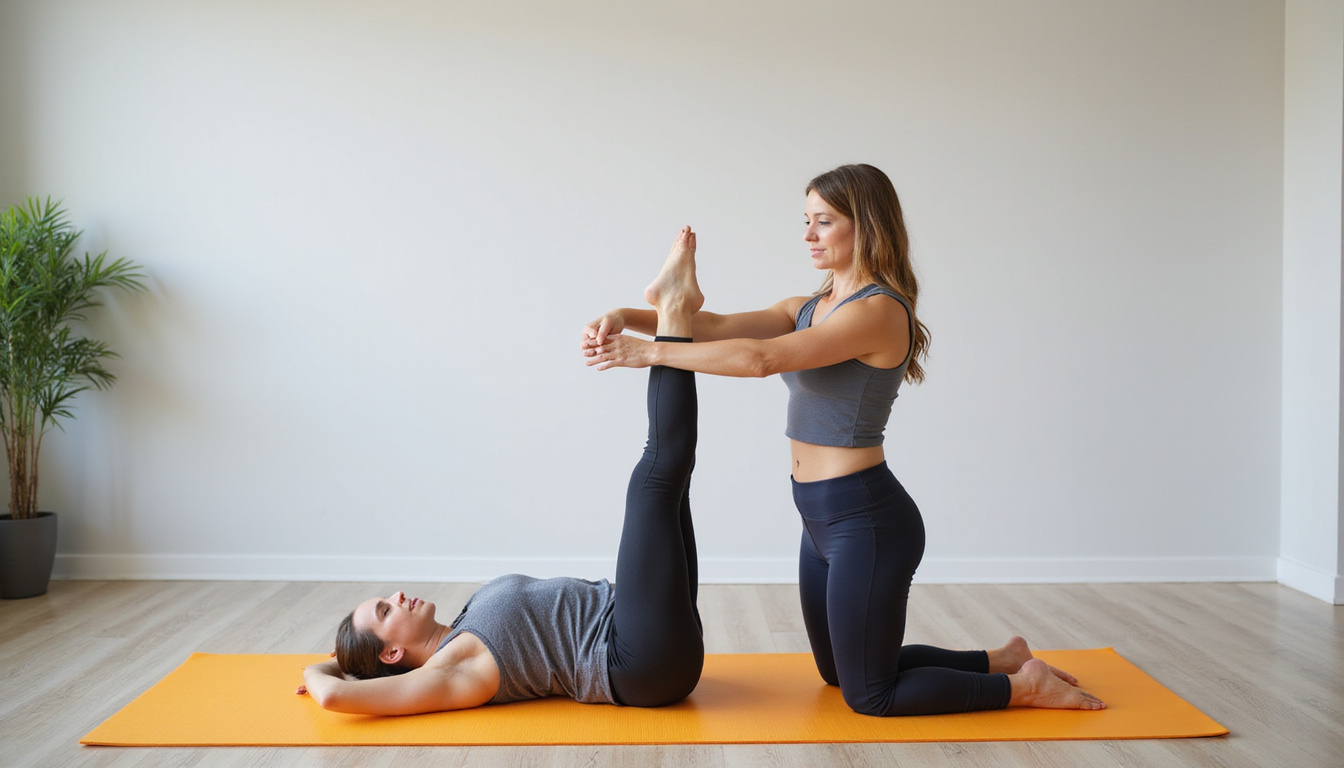
1. Guided Physical Therapy
A physical therapist (PT) experienced in spine care can:
- Assess which movements aggravate or relieve your symptoms
- Design a personalized exercise plan
- Teach you safe body mechanics for daily activities
- Progress you as pain decreases and strength improves
Therapy often includes:
- McKenzie extension exercises (for certain lumbar bulges)
- Gentle core stabilization
- Hip and thoracic spine mobility work
- Nerve gliding exercises for irritated nerves
2. Core Stabilization Exercises
A strong, coordinated core offloads pressure from the affected disc. Your “core” includes the deep muscles of the abdomen, back, and hips.
Common starter exercises (performed pain-free, with professional guidance if possible):
- Pelvic tilts
- Dead bugs
- Bird-dogs
- Side-lying clamshells (for hip stability)
Focus on slow, controlled movements and proper breathing. Pain should not sharply increase during or after these exercises.
3. Low-Impact Cardiovascular Activity
Movement increases blood flow, which can help reduce stiffness and support tissue healing. Consider:
- Walking on level ground
- Stationary cycling with neutral back position
- Aquatic exercise or pool walking
Start with short durations (5–10 minutes) and build gradually as tolerated.
Daily Habits That Protect Your Spine
Your daily posture and movements can either aggravate a bulging disc or help calm it down. Small changes throughout the day often add up to big relief.
1. Ergonomic Sitting and Standing
Sitting increases disc pressure, especially if you slump or lean forward.
For sitting:
- Keep feet flat on the floor or a footrest
- Hips and knees roughly at 90 degrees
- Use a small lumbar roll or cushion to maintain the natural curve of your lower back
- Sit back in the chair—avoid perching on the edge
- Stand up and walk for 2–3 minutes every 30–45 minutes
For standing:
- Distribute weight evenly on both feet
- Avoid locking your knees
- If you stand for long periods, rest one foot on a small stool and alternate sides
2. Safer Bending and Lifting
Bending and lifting are common triggers for bulging disc pain.
Use this checklist when lifting:
- Get close to the object.
- Keep your back near-neutral (avoid deep rounding).
- Hinge at hips and bend knees, not back.
- Engage your core before lifting.
- Lift with your legs, not your spine.
- Avoid twisting while holding weight; move your feet instead.
For everyday tasks—picking something up, dressing, loading the dishwasher—apply these same principles to protect your disc.
Nonsurgical Pain Relief Options
Pain relief matters. When pain is controlled, you can move more, strengthen better, and break the pain-spasm cycle. Work with your healthcare provider to choose safe options for your situation.
1. Anti-Inflammatory Medications
Over-the-counter nonsteroidal anti-inflammatory drugs (NSAIDs), like ibuprofen or naproxen, may help reduce pain and inflammation. Always:
- Follow dosing instructions
- Discuss with your doctor, especially if you have kidney, heart, or stomach issues or take blood thinners
2. Heat and Cold Therapy
- Cold (ice packs) – Useful in the first days or with acute flare-ups to reduce inflammation. Apply for 10–15 minutes with a cloth barrier.
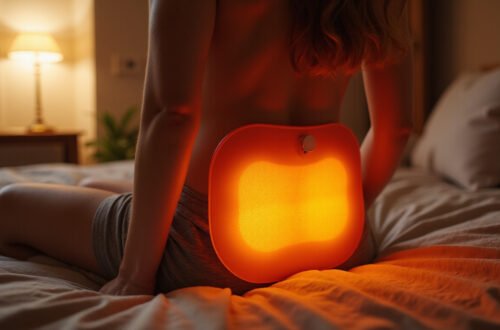
- Heat (heating pads, warm showers) – Helps after the initial acute phase to relax muscles and improve blood flow.
Alternate heat and ice as needed, paying attention to what your body responds to best.
3. Manual Therapy and Soft Tissue Work
Some people benefit from:
- Spinal mobilization (gentle joint movements)
- Soft tissue massage
- Myofascial release techniques
- Trigger point therapy
These methods aim to reduce muscle tension, improve mobility, and decrease pain, especially when combined with exercise.
4. Epidural Steroid Injections
For severe, persistent nerve pain from a bulging disc, your doctor may suggest a spinal epidural steroid injection.
- A corticosteroid is injected near the affected nerve root
- It can reduce inflammation and provide temporary relief (weeks to months)
- This window of relief can make it easier to participate in physical therapy and rehabilitation
Injections are not a cure, but a tool within a larger nonsurgical strategy.
Lifestyle Changes That Support Healing
Long-term disc health isn’t just about exercises and pain meds; it’s about creating an environment where your spine can thrive.
1. Weight Management
Extra body weight increases mechanical load on your lumbar discs. Even modest weight loss can:
- Reduce low back pressure
- Make movement and exercise easier
- Lower inflammation levels in the body
Focus on:
- Whole, minimally processed foods
- Lean proteins, vegetables, fruits, and healthy fats
- Reducing sugary drinks and highly processed snacks
2. Anti-Inflammatory Nutrition
Some foods can support an anti-inflammatory environment:
- Fatty fish (salmon, sardines), flaxseeds, and walnuts (omega-3s)
- Colorful vegetables and fruits (antioxidants)
- Olive oil, nuts, and seeds
Limiting excessive alcohol, sugar, and trans fats can also help reduce systemic inflammation.
3. Sleep Position and Mattress Support
Sleep is when your body repairs itself. A poor sleep setup can keep your bulging disc irritated.
- Side sleepers: Place a pillow between your knees; use a supportive pillow to keep the neck in line with the spine.
- Back sleepers: Place a small pillow under knees to reduce lumbar strain; use a medium pillow under head and neck.
- Mattress: Medium-firm is often best for spinal support; excessive sagging can worsen symptoms.
When to Seek Immediate Medical Attention
A bulging disc can usually be managed conservatively, but certain red-flag symptoms require prompt evaluation:
- Sudden, severe weakness in a leg or arm
- Loss of bowel or bladder control or severe difficulty urinating
- Numbness in the groin or inner thighs (saddle anesthesia)
- High fever along with back pain
- History of cancer with new, unexplained back pain
These signs can indicate serious conditions like cauda equina syndrome or spinal infection and need emergency care.
FAQs About Bulging Discs and Nonsurgical Relief
1. How long does a bulging disc take to heal without surgery?
Healing time varies widely. Many people notice improvement in 4–12 weeks with consistent conservative care—physical therapy, posture changes, and pain management. Some symptoms can linger longer but become much more manageable over time. The disc itself may not “go back to perfect,” but your body can adapt, and pain can reduce significantly.
2. Can a bulging disc go back to normal with conservative treatment?
Sometimes the visible bulge on imaging can shrink, especially if inflammation subsides and the disc rehydrates. Even when the bulge remains, symptoms often improve with better muscle support, joint mobility, and reduced irritation of the nerve. The goal of conservative treatment is lasting relief and function, not necessarily a “perfect” MRI.
3. What are the best exercises for a bulging disc in the lower back?
The best exercises depend on your specific pattern of pain and which movements help or hurt. Commonly recommended exercises for lumbar disc bulges include:
- McKenzie-style gentle back extensions (if extension relieves your pain)
- Core stabilization (bird-dog, dead bug, pelvic tilts)
- Hip mobility and glute strengthening (bridges, clamshells)
- Gentle hamstring and hip flexor stretches
Always get clearance from a healthcare professional before starting, and stop any movement that significantly worsens or radiates your pain.
Take the Next Step Toward Healing Your Bulging Disc
A bulging disc diagnosis doesn’t have to mean a life of pain or an inevitable surgery. With smart, consistent action—targeted exercise, daily posture improvements, thoughtful pain relief strategies, and supportive lifestyle changes—you can dramatically reduce symptoms and regain control of your life.
If you’re struggling with disc pain right now, don’t wait for it to “just go away.” Reach out to a spine-informed physical therapist or musculoskeletal specialist, get a personalized assessment, and build a step-by-step nonsurgical plan. The sooner you start, the better your chances of calming the pain, protecting your nerves, and getting back to the activities you love—without going under the knife.