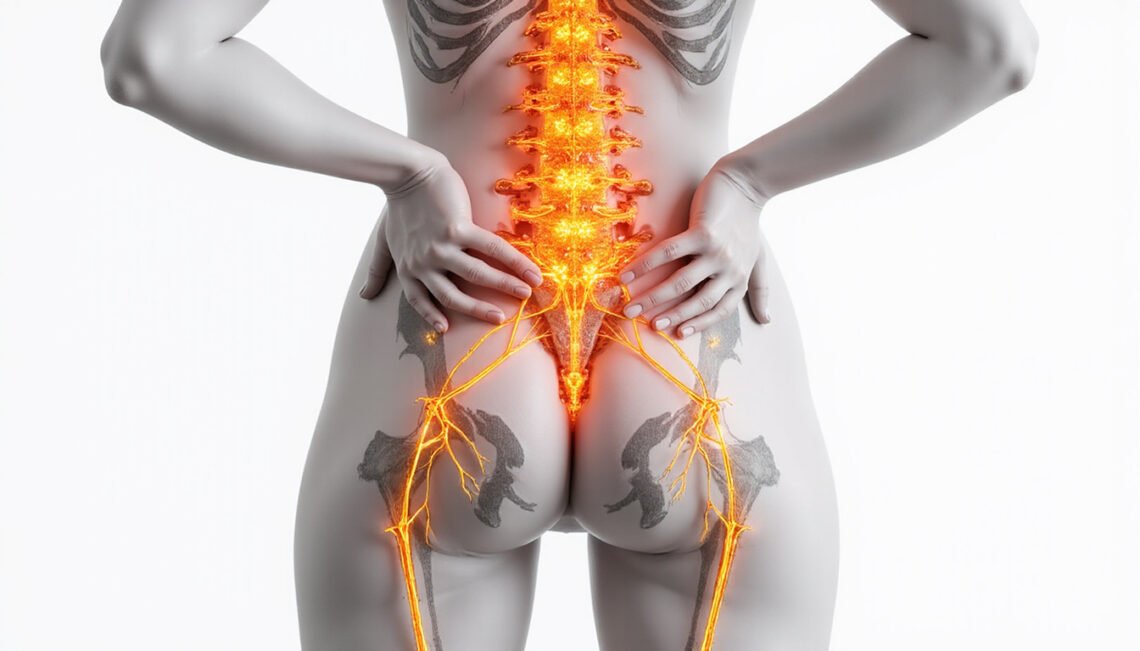
Buttock numbness can be unsettling, especially when it appears out of nowhere, lingers for days, or comes with pain, tingling, or weakness. While occasional “pins and needles” from sitting too long is usually harmless, persistent or recurrent buttock numbness can signal deeper issues in your spine, nerves, muscles, or even circulation. Understanding what’s behind that loss of sensation is the first step to finding real, lasting relief.
Below are nine often-overlooked causes of buttock numbness, how to recognize them, and practical steps you can take—starting today—to feel better.
1. Sciatica and Lumbar Nerve Root Compression
One of the most common causes of buttock numbness is irritation or compression of the sciatic nerve or its roots in the lower spine. This large nerve runs from your lower back through your buttocks and down the back of each leg.
How it feels
- Numbness, tingling, or burning in one buttock
- Pain radiating from the lower back to the buttock and leg
- Symptoms often worse when sitting, bending, or twisting
Why it happens
- Herniated disc in the lumbar spine
- Bone spurs (osteophytes)
- Spinal stenosis (narrowing of the spinal canal)
Quick relief tips
- Apply cold or heat packs for 15–20 minutes at a time
- Try gentle walking to reduce pressure on the nerve
- Avoid prolonged sitting; use a lumbar-supportive chair
- Over-the-counter NSAIDs (if safe for you) may reduce inflammation
If you also notice leg weakness, difficulty walking, or loss of bowel/bladder control, seek emergency medical care.
2. Piriformis Syndrome: A Deep Muscle Culprit
Piriformis syndrome occurs when the piriformis muscle—located deep in the buttock—spasms or tightens and compresses the sciatic nerve beneath or through it.
Typical symptoms
- Deep ache or numbness in one buttock, often worse when sitting
- Pain that may radiate down the back of the thigh
- Increased discomfort when climbing stairs or getting out of a car
Why it’s “hidden”
Piriformis syndrome is often misdiagnosed as sciatica from the spine, because the symptoms overlap. The difference: your spine may appear normal on imaging, and pressing on the piriformis area often reproduces the pain or numbness.
Quick relief tips
- Gentle piriformis and hip stretches (e.g., figure-4 stretch)
- Avoid thick wallets or phones in back pockets that press on the area
- Use a foam roller or massage ball (with caution) to release tight muscles
- Short-term anti-inflammatory medications may help
3. Prolonged Sitting and Poor Posture
Sometimes, buttock numbness is as simple as mechanical pressure. Long hours of sitting—especially on hard surfaces or with poor posture—can compress nerves and blood vessels supplying your gluteal area.
Signs this may be the cause
- Numbness appears after sitting for 30–60 minutes or more
- Sensation improves after standing, stretching, or walking
- No significant back or leg pain
The problem with “wallet sciatica”
Sitting on a bulky wallet, phone, or accessory in your back pocket can compress the sciatic nerve and surrounding tissues, causing localized numbness and discomfort.
Quick relief tips
- Stand up and move every 30–45 minutes
- Use an ergonomic chair or cushion to support your pelvis and lower back
- Keep back pockets clear while sitting
- Adjust your screen and desk height to minimize slouching
Over time, improving your sitting habits can dramatically reduce recurrent buttock numbness.
4. Gluteal Muscle Strain or Overuse
Overworked or strained gluteal muscles (gluteus maximus, medius, and minimus) can become tight and inflamed, affecting nearby nerves and creating a sensation of numbness or heaviness.
When this is likely
- Recent increase in running, squats, lunges, or hill walking
- Local soreness in the buttock along with intermittent numbness
- Symptoms worsen after workouts or prolonged standing
Quick relief tips
- Temporarily reduce high-impact or glute-intensive activities
- Use alternating ice and heat on painful muscles
- Gentle stretching of the hip flexors and glutes
- Consider a sports massage or physical therapy assessment
Addressing muscle imbalances in the hips and core is key to long-term prevention.
5. Spinal Stenosis and Degenerative Changes
As we age, wear-and-tear in the spine can narrow the spaces where nerves travel, a condition known as spinal stenosis. This can irritate nerves that supply the buttocks and legs.
Common signs
- Buttock numbness or weakness with standing or walking
- Symptoms improve when bending forward or sitting (e.g., leaning over a shopping cart)
- Possible back pain and leg heaviness
Why it matters
Untreated spinal stenosis can gradually limit mobility and quality of life. It’s more common in adults over 50 but can appear earlier, especially after injury.
Quick relief tips
- Short, frequent walks instead of long, continuous ones
- Forward-flexed postures (slight leaning forward) may ease symptoms
- Physical therapy exercises to strengthen the back and core
- Discuss with your doctor about medications or injections for pain control
Persistent or worsening numbness requires a specialist evaluation and imaging (MRI or CT).
6. Peripheral Neuropathy and Diabetes
Damage to peripheral nerves—often due to diabetes—can cause numbness, tingling, or burning in various areas, including the buttocks, thighs, and legs.
How neuropathy might present
- Gradual onset of numbness in both buttocks or legs
- Burning, electric, or “ants crawling” sensations
- Worse at night or after long periods of inactivity
- May also involve feet and hands
Key risk factors
- Diabetes or prediabetes
- Alcohol misuse
- Vitamin B12 deficiency
- Certain medications and toxins
Quick relief tips
- Optimize blood sugar control if you have diabetes
- Ask your doctor about nerve-protective supplements (e.g., B vitamins, if deficient)
- Gentle exercise (like walking or swimming) to improve circulation
- Avoid tight clothing that may further compress nerves
Because neuropathy can worsen over time, early diagnosis and intervention are crucial (source: National Institute of Neurological Disorders and Stroke).

7. Sacroiliac (SI) Joint Dysfunction
Your sacroiliac joints connect the base of your spine (sacrum) to your pelvic bones. Inflammation or misalignment here can refer pain, tingling, or numbness into the buttocks.
What it feels like
- Deep, often one-sided buttock pain or numbness
- Pain when standing on one leg, climbing stairs, or rolling in bed
- Tenderness over the back of the hip, near the dimples of the lower back
Common triggers
- Pregnancy and postpartum changes
- Uneven leg length or gait abnormalities
- Prior pelvic or lumbar injuries
Quick relief tips
- Use a sacroiliac belt (under professional guidance) for support
- Avoid activities that involve twisting or uneven loading
- Strengthen core and hip stabilizers through guided exercises
- Ice the joint area for 10–15 minutes after activity
A physical therapist or chiropractor familiar with SI joint issues can provide targeted treatments.
8. Vascular Problems and Poor Circulation
Not all buttock numbness originates from nerves alone; circulation issues can also play a role. Conditions like peripheral artery disease (PAD) may reduce blood flow to the pelvis and legs.
Warning signs
- Buttock or thigh pain and numbness when walking that improves with rest (claudication)
- Coolness, color changes, or hair loss on the legs
- History of smoking, high blood pressure, high cholesterol, or diabetes
Why it’s serious
Vascular causes can increase your risk of heart attack or stroke. They require prompt medical evaluation and management.
Quick relief tips (supportive, not curative)
- Gentle, supervised walking programs to promote collateral circulation
- Stop smoking and manage cardiovascular risk factors
- Ensure proper hydration and avoid sitting in positions that compress arteries
Any suspicion of circulation problems merits a visit to your doctor or a vascular specialist.
9. Rare but Serious Causes: Tumors, Infections, and Cauda Equina Syndrome
In a small number of cases, buttock numbness may signal a serious underlying condition:
- Spinal tumors or pelvic masses compressing nerves
- Infections such as spinal epidural abscess or severe discitis
- Cauda equina syndrome, a surgical emergency involving compression of the nerve bundle at the base of the spine
Red-flag symptoms
Seek emergency or urgent care if buttock numbness occurs with:
- Sudden or rapidly worsening weakness in the legs
- Loss of bowel or bladder control, or difficulty starting urination
- Numbness in the “saddle” area (inner thighs, groin, around anus)
- Unexplained fever, severe back pain, or recent major trauma
- Unexplained weight loss or history of cancer
Timely treatment in these scenarios can prevent permanent nerve damage.
At-Home Strategies to Ease Buttock Numbness
While you should always rule out serious causes with a healthcare professional, several simple habits can reduce everyday buttock numbness:
- Move regularly: Stand, stretch, or walk every 30–45 minutes.
- Check posture: Keep feet flat on the floor, hips slightly higher than knees, and shoulders relaxed.
- Optimize your workspace: Use a chair with lumbar support and consider a sit-stand desk.
- Stretch daily: Focus on hip flexors, hamstrings, glutes, and lower back.
- Sleep smart: Use a pillow between your knees when side-sleeping or under your knees when on your back.
- Stay active: Low-impact exercise improves blood flow and supports spinal health.
- Manage weight and stress: Both affect posture, inflammation, and nerve sensitivity.
When to See a Doctor About Buttock Numbness
Schedule an appointment promptly if:
- Numbness persists for more than a week without clear cause
- Symptoms keep recurring or gradually worsen
- You experience weakness, clumsiness, or changes in walking
- Pain or numbness spreads down one or both legs
- Over-the-counter pain relievers or home remedies offer little relief
Prepare to discuss:
- Onset and pattern of your symptoms
- What makes numbness better or worse
- Recent injuries, new exercises, or changes in work routine
- Existing medical conditions and medications
Your provider may recommend imaging (X-ray, MRI), nerve studies, or blood tests to pinpoint the cause.
Quick Reference: Possible Causes of Buttock Numbness
Here’s a simple overview of common triggers and clues:
- Sciatica / Disc Problems – Radiating leg pain, worse with bending or sitting.
- Piriformis Syndrome – Deep buttock pain, worsens with sitting; spine often normal.
- Prolonged Sitting / Posture – Numbness after long sitting; improves with movement.
- Gluteal Muscle Overuse – Recent workout changes; soreness plus occasional numbness.
- Spinal Stenosis – Older age; relief when bending forward; leg heaviness.
- Peripheral Neuropathy – Gradual, often symmetrical numbness; diabetes common.
- SI Joint Dysfunction – One-sided buttock symptoms; pain with standing on one leg.
- Vascular Issues – Pain/numbness with walking; cardiovascular risk factors.
- Serious Conditions – Red-flag signs: saddle anesthesia, bladder/bowel changes, fever.
FAQ About Buttock Numbness and Related Symptoms
1. Why do I get buttock numbness when sitting for a long time?
Prolonged pressure on nerves and blood vessels in the gluteal region can temporarily impair nerve signaling, causing numbness or tingling. Hard chairs, poor posture, and items in your back pocket make this more likely. Usually, sensation returns once you stand and move, but frequent episodes suggest you should adjust your workspace and movement habits.
2. Can lower back issues cause numbness in the buttocks and legs?
Yes. Herniated discs, spinal stenosis, or other lumbar spine problems can compress nerve roots that serve the buttocks and legs. This may produce buttock numbness, radiating leg pain, or weakness. If symptoms persist, worsen, or involve both legs, a spine evaluation is important.
3. Is buttock numbness during pregnancy normal?
Mild buttock numbness in pregnancy is relatively common due to weight gain, posture changes, and pressure on the sciatic nerve or sacroiliac joints. However, severe or sudden numbness, especially with leg weakness or bladder changes, should be assessed by your healthcare provider to rule out more serious conditions.
Persistent buttock numbness is not something you have to “just live with.” Identifying whether your symptoms stem from posture, muscles, nerves, circulation, or joints opens the door to targeted treatment and real relief.
If numbness in your buttocks is interfering with your work, sleep, or daily activities—or if you’ve noticed any red-flag symptoms—schedule an appointment with a qualified healthcare professional or physical therapist. With the right evaluation and a personalized plan, you can protect your nerve health, restore comfort, and get back to moving with confidence.