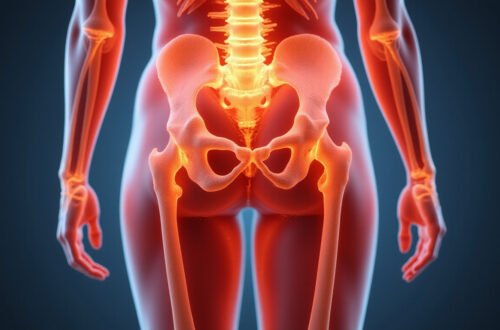
Central sensitization is a powerful but often misunderstood process in the nervous system that can turn short-term pain into a long-lasting, frustrating problem. If you live with ongoing pain that doesn’t match your test results or injury, central sensitization may be playing a role. Understanding what it is—and what you can do about it—can be a turning point in your recovery.
This guide explains central sensitization in clear, simple language and gives you practical, evidence-informed steps to help calm your nervous system and reduce persistent pain.
What Is Central Sensitization?
Central sensitization is a state where your brain and spinal cord (your central nervous system) become extra sensitive to pain signals. Over time, this sensitivity can grow so strong that things that shouldn’t hurt—or should only hurt a little—feel very painful.
You can think of it as your body’s “pain alarm system” getting stuck on high alert.
Key features of central sensitization:
- Pain lasts even after tissues have healed.
- Pain seems out of proportion to the original injury.
- Pain spreads to new areas over time.
- Sensations that shouldn’t hurt (like light touch or gentle pressure) may feel painful.
Researchers describe it as an “amplification of neural signaling within the central nervous system that elicits pain hypersensitivity” (source: NIH / NCBI).
How Central Sensitization Develops
Central sensitization doesn’t appear overnight. It usually develops gradually, often following a triggering event such as:
- An injury or surgery
- A period of high stress or trauma
- An infection or illness
- Repeated pain episodes (e.g., migraines, flare-ups)
When you experience ongoing pain, your nervous system adapts. Nerve cells become more responsive, pain pathways become more efficient, and your brain gets better at “noticing” danger signals.
Over time:
- Pain signals become stronger. Neurons in the spinal cord fire more easily and more often.
- Inhibitory systems weaken. The body’s natural pain-dampening systems become less effective.
- The brain rewires. The areas of the brain that process pain become more active and more easily triggered.
This is not your imagination, and it’s not psychological in the sense of “made up.” It’s a real, measurable change in how your nervous system is functioning.
Signs and Symptoms of Central Sensitization
Not everyone with chronic pain has clear central sensitization, but certain patterns suggest it may be involved.
Common signs include:
- Widespread pain that moves or covers large areas of the body
- Pain out of proportion to physical findings or imaging
- Pain from non-painful stimuli (e.g., clothing, light touch, or mild pressure)
- Exaggerated pain response to something that is only slightly irritating
- Increased sensitivity to light, sound, temperature, or smell
- Fatigue, poor sleep, and “brain fog”
- Multiple diagnoses such as fibromyalgia, irritable bowel, TMJ, chronic headaches, pelvic pain, or chronic low back pain without clear structural cause
- Worse pain during stress, poor sleep, or emotional upset
These symptoms don’t prove central sensitization on their own, but they strongly suggest your nervous system is involved in keeping pain going.
Conditions Commonly Linked With Central Sensitization
Central sensitization is not a diagnosis by itself. It’s a mechanism that shows up in many persistent pain conditions, including:
- Fibromyalgia
- Chronic low back or neck pain
- Temporomandibular disorders (TMJ/TMD)
- Chronic migraine and tension-type headache
- Irritable bowel syndrome (IBS)
- Interstitial cystitis / bladder pain syndrome
- Chronic pelvic pain
- Complex regional pain syndrome (CRPS)
- Some forms of osteoarthritis and rheumatoid arthritis pain
Different conditions may look very different on the surface, but they can share central sensitization as a common driver of ongoing pain.
Central Sensitization vs. “It’s All in Your Head”
One of the most harmful myths about central sensitization is that it means the pain is “psychological.” That is not what the science shows.
Key distinctions:
- The pain is real. Brain scans and neurophysiology studies show real, physical changes in how pain is processed.
- The brain is an organ, not a metaphor. Changes in the brain and spinal cord are no less real than changes in a joint or muscle.
- Thoughts and emotions influence pain—but don’t “fake” it. Stress, fear, and beliefs can turn the volume up or down on pain, just like they affect blood pressure or heart rate.
A helpful way to think of it: your nervous system has learned pain. The good news is that what is learned can also be unlearned.
Simple, Science-Based Steps to Calm Central Sensitization
Managing central sensitization usually works best with a multi-pronged approach. You don’t have to do everything at once; small, consistent changes can gradually retrain your system.
1. Learn About Pain (Pain Neuroscience Education)
Understanding how pain works can directly reduce pain intensity and fear. This process is called pain neuroscience education.
How it helps:
- Reduces catastrophizing (“I’m damaged beyond repair”)
- Lowers fear and threat perception, which turns down your brain’s alarm
- Encourages safe movement instead of avoidance
Look for:
- Books and videos by pain scientists and physical therapists
- Programs that explain the difference between tissue damage and sensitization
- Clinicians who talk about pain as “protection,” not just a symptom
When your brain feels less threatened, it often stops sounding the alarm so loudly.
2. Gentle, Graded Movement
Avoiding movement usually makes central sensitization worse. The nervous system becomes even more protective, and muscles and joints get deconditioned.
Instead, use graded exposure:
- Start with movements that are safe and only mildly uncomfortable, not unbearable.
- Do them regularly, at a low volume (short duration, low intensity).
- Progress gradually as your tolerance improves.
This might include:
- Short walks
- Gentle stretching or yoga
- Light strengthening with resistance bands
- Water-based exercise
The goal is to teach your system: “Movement is safe. I can do this without harm.” Over time, your pain threshold can rise.

3. Improve Sleep Quality
Poor sleep and central sensitization feed into each other. Lack of deep, restorative sleep makes the nervous system more sensitive; more pain makes sleep worse.
Helpful strategies:
- Keep a consistent sleep and wake time.
- Create a wind-down routine: dim lights, quiet activities, no screens for 30–60 minutes before bed.
- Limit caffeine and heavy meals in the evening.
- Talk with your clinician about sleep apnea, restless legs, or medications if sleep is severely disrupted.
Even modest improvements in sleep can lower pain intensity and reduce flare-ups.
4. Calm the Stress Response
Stress and anxiety are like fuel for central sensitization. When your body is stuck in “fight-or-flight,” pain systems stay on high alert.
Simple ways to turn down the stress response:
- Breathing exercises: Slow, diaphragmatic breathing (e.g., 4-second inhale, 6-second exhale) for 5–10 minutes.
- Mindfulness or meditation: Observing thoughts and sensations without judgment.
- Progressive muscle relaxation: Gently tensing and releasing muscle groups.
- Pleasurable activities: Time in nature, hobbies, social connection, music.
You don’t need to be perfectly calm. The goal is frequent small signals of safety to your nervous system throughout the day.
5. Reframe Pain Thoughts and Fears
In central sensitization, thoughts like “This pain means more damage” or “I’ll never get better” can keep the alarm turned up.
Cognitive and behavioral strategies can help:
- Notice worry or catastrophic thoughts when they appear.
- Ask: “Is this pain definitely a sign of damage—or could it be sensitization?”
- Replace all-or-nothing thinking (“I’m broken”) with more accurate statements (“My system is sensitive, but it can change.”).
Working with a psychologist or therapist familiar with chronic pain and cognitive-behavioral therapy (CBT) can be especially helpful.
6. Address Coexisting Conditions
Central sensitization often coexists with:
- Anxiety or depression
- PTSD or past trauma
- Other chronic health conditions (e.g., autoimmune disease, gut issues)
Treating these conditions—through therapy, medical care, or a combination—can significantly reduce the load on your nervous system and make pain more manageable.
7. Consider Medications and Clinical Treatments
Medications do not “cure” central sensitization, but certain types can help calm the system for some people, especially when combined with lifestyle changes.
Common options your clinician might discuss:
- Certain antidepressants (e.g., SNRIs, TCAs) used specifically for pain modulation
- Anti-seizure medications that stabilize nerve firing
- Short-term sleep aids in select cases
It’s important to work closely with a healthcare provider who understands chronic pain, as medication responses vary and side effects must be monitored.
Putting It Together: A Simple Action Plan
To make this more practical, here’s a sample starter plan you can adapt:
- Learn
- Spend 10–15 minutes a day for a week learning about central sensitization and pain science.
- Move
- Choose one gentle activity (e.g., a 5–10 minute walk) and do it at the same time each day.
- Breathe
- Practice 5 minutes of slow breathing or relaxation once or twice a day.
- Sleep
- Set a fixed bedtime and wake time within a 30-minute window and stick to it for two weeks.
- Reflect
- When pain spikes, briefly ask: “Could this be my alarm system being loud, rather than new damage?”
You can build from there, adding small changes rather than overwhelming yourself with a complete life overhaul.
Frequently Asked Questions About Central Sensitization
1. How is central sensitization syndrome diagnosed?
There is no single blood test or scan for central sensitization syndrome. Diagnosis is usually based on:
- Your symptom pattern (widespread or disproportionate pain, sensitivity)
- Clinical exam
- Questionnaires that assess pain sensitivity and related symptoms
- Ruling out other serious causes
A pain specialist, rheumatologist, neurologist, or knowledgeable primary care doctor can often recognize the pattern and discuss central sensitization as part of your condition.
2. Can central sensitization be reversed?
Evidence suggests central sensitization can be reduced or at least significantly improved. The nervous system is plastic—meaning it can change:
- Symptoms can lessen in intensity and frequency.
- Your tolerance for activity and movement can increase.
- Flare-ups can become shorter and less severe.
Complete elimination of pain isn’t guaranteed for everyone, but many people achieve a much better quality of life by combining education, movement, sleep, stress management, and appropriate medical care.
3. What’s the best treatment for central sensitization pain?
There is no single “best” treatment, but multimodal care works best for central sensitization pain. This often includes:
- Pain education and reassurance
- Graded exercise or physical therapy
- Psychological or behavioral therapies (CBT, ACT, mindfulness-based approaches)
- Sleep and lifestyle changes
- Medications when appropriate
The key is an integrated approach that aims to calm the entire nervous system rather than only chasing one painful body part.
You’re Not Broken—and You’re Not Alone
Central sensitization can make pain feel overwhelming, confusing, and deeply discouraging. But understanding what’s happening in your nervous system is a powerful first step toward change. Your pain is real. Your suffering is valid. And your system can learn to be less reactive.
If this description fits what you’re experiencing, consider taking action today:
- Share this information with your healthcare provider and ask whether central sensitization may play a role in your pain.
- Seek out clinicians—such as pain-informed physical therapists, psychologists, and physicians—who understand modern pain science.
- Choose one small step from this guide and start it this week: a short daily walk, a new bedtime routine, or a 5-minute breathing practice.
You don’t have to “fix” everything at once. With consistent, compassionate steps, you can begin to turn down the alarm, reclaim your movement, and rebuild a life that’s no longer ruled by persistent pain.