Deep Gluteal Syndrome: Surprising Cause of Chronic Butt and Hip Pain
If you’ve had nagging buttock or hip pain that just won’t quit, you might assume it’s sciatica, a herniated disc, or arthritis. But there’s another, often overlooked culprit: deep gluteal syndrome. This underdiagnosed condition can cause sharp, burning, or aching pain deep in the butt, around the hip, and often down the leg—yet standard scans like X-rays and MRIs can look normal.
Understanding what deep gluteal syndrome is, why it happens, and how to treat it can be the difference between ongoing frustration and finally getting lasting relief.
What Is Deep Gluteal Syndrome?
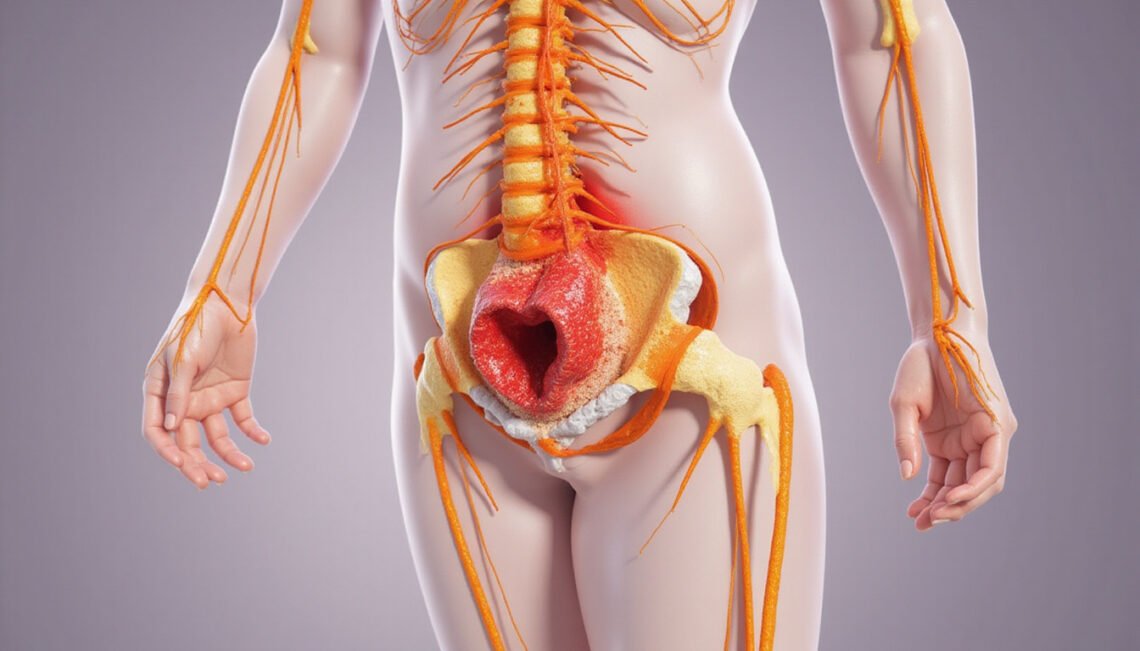
Deep gluteal syndrome (DGS) refers to pain and nerve-related symptoms caused by compression or irritation of the sciatic nerve and other structures in the deep buttock region, outside the spine. Instead of the nerve being pinched in the lower back (as in typical sciatica from a disc), the problem occurs in the deep layers of the buttock muscles and soft tissues.
Key features of deep gluteal syndrome include:
- Pain deep in the buttock, sometimes one-sided
- Pain that can radiate to the hip, groin, or down the leg
- Symptoms often worse with sitting, driving, or certain hip movements
- Normal or minimally abnormal spinal imaging
DGS is an umbrella term covering several specific causes of sciatic nerve entrapment in the buttock, including the well-known piriformis syndrome, but it can involve other muscles and structures too.
Deep Gluteal Syndrome vs Sciatica: What’s the Difference?
Many people are told they have “sciatica” when they have pain down the leg, but sciatica is a symptom, not a diagnosis. It simply means the sciatic nerve is irritated.
- In lumbar radiculopathy (classic sciatica), the nerve is compressed in the lower spine—often from a herniated disc or spinal stenosis.
- In deep gluteal syndrome, the sciatic nerve is compressed outside the spine, usually deep in the buttock area, as it passes under or between muscles and connective tissues.
This difference matters. If the nerve irritation is coming from the buttock but all attention is on your spine, you may undergo unnecessary tests, medications, or even back procedures that don’t fix the real problem.
Common Causes and Types of Deep Gluteal Syndrome
The sciatic nerve travels from your lower spine through a narrow, complex tunnel of muscles and connective tissues in the buttock. Anything that narrows this space or creates excessive pressure can cause deep gluteal syndrome.
1. Piriformis Syndrome
This is probably the best-known subset of deep gluteal syndrome.
- The piriformis muscle runs from your sacrum (tailbone area) to the top of your thigh bone.
- The sciatic nerve usually runs under the piriformis, but in some people it passes partially or completely through the muscle.
- Overuse, tightness, spasm, or injury of the piriformis can squeeze or irritate the sciatic nerve.
Symptoms often worsen with:
- Sitting on hard surfaces
- Crossing the leg over the opposite knee
- Rotating the hip outward (like when getting out of a car)
2. Other Muscular Entrapments
It’s not just the piriformis. Other deep rotator muscles can compress the sciatic nerve, including:
- Obturator internus
- Gemellus superior and inferior
- Quadratus femoris
These muscles help rotate and stabilize the hip. Overuse (e.g., in athletes, dancers, runners), trauma, or imbalances can cause thickening, tightness, or scarring that narrows the space around the nerve.
3. Fibrous Bands and Connective Tissue
Tough bands of connective tissue (fascia) can also entrap the nerve:
- Fibrous bands near the greater trochanter (outer hip bone)
- Scar tissue from past injuries or surgeries
- Thickened tissues from chronic inflammation or repetitive strain
4. Vascular Causes
In some cases, blood vessels in the deep gluteal region can compress or irritate the sciatic nerve, especially during certain movements or positions.
5. Trauma and Overuse
Events that may trigger deep gluteal syndrome include:
- Falls onto the buttock
- Car accidents
- Repetitive high-impact activities (running, jumping sports)
- Sudden increases in training volume
- Direct blows during contact sports
Sometimes, prolonged sitting—especially on uneven or hard surfaces—can gradually lead to symptoms, particularly in people with postural imbalances or weak hip stabilizers.
Symptoms: How Deep Gluteal Syndrome Feels
Deep gluteal syndrome can mimic other conditions, which is part of why it’s often misdiagnosed. Common symptoms include:
- Deep buttock pain: dull ache, burning, or sharp stabs
- Pain radiating down the back of the leg (sciatic-like pain), sometimes to the calf or foot
- Hip pain or feeling of tightness, particularly with rotation or prolonged sitting
- Numbness, tingling, or “pins and needles” in the buttock or leg
- Worsening with sitting, driving, or leaning forward slightly
- Relief with standing or walking (though sometimes walking can aggravate it in more severe cases)
- Pain when:
- Climbing stairs
- Squatting
- Getting out of a car
- Crossing legs or pivoting on one leg
In contrast to classic lumbar disc-related sciatica, some people with deep gluteal syndrome have:
- A normal neurological exam in the lower back
- Pain that pinpoints more clearly to the deep buttock
- A direct tenderness over specific deep gluteal structures when pressed
How Is Deep Gluteal Syndrome Diagnosed?
There is no single definitive test for deep gluteal syndrome. Diagnosis is usually based on a combination of history, physical exam, and targeted imaging or injections.
1. Detailed History
A knowledgeable clinician (often a sports medicine doctor, physiatrist, orthopedic specialist, or pain specialist) will ask about:
- When and how symptoms started
- What aggravates or relieves the pain
- Past injuries, surgeries, or sports activities
- Response to previous treatments (like back therapy, injections, or medications)
2. Physical Examination
They may:
- Palpate (press) specific deep points in the buttock to reproduce pain
- Assess hip range of motion and strength
- Perform special tests that tension or compress the sciatic nerve in the buttock, such as:
- FAIR test (Flexion, Adduction, Internal Rotation)
- Pace test (resisted hip abduction and external rotation)
- Seated or supine piriformis stretch tests
If these reproduce your typical pain, it can support a diagnosis of deep gluteal syndrome.

3. Imaging
Standard imaging of the lumbar spine may be normal or show incidental findings not related to symptoms (which can be misleading). More targeted tests include:
- MRI of the pelvis or hip to visualize:
- Deep gluteal muscles
- Sciatic nerve path
- Signs of muscle hypertrophy, tears, or scarring
- Ultrasound for dynamic evaluation and guidance for injections
Evidence suggests that pelvic MRI can help identify structural causes of deep gluteal syndrome and rule out other serious pathology (source: National Center for Biotechnology Information).
4. Diagnostic Injections
A local anesthetic injection around a suspected structure (e.g., piriformis) under ultrasound or fluoroscopy guidance can be both:
- Diagnostic (if pain temporarily resolves, it confirms the source), and
- Therapeutic (it can reduce pain and muscle spasm).
Treatment Options for Deep Gluteal Syndrome
The good news: most people improve with conservative (non-surgical) treatment. The key is targeting the actual source in the deep gluteal region rather than just treating the lower back in a generic way.
1. Targeted Physical Therapy
A physical therapist familiar with deep gluteal syndrome can be invaluable. Treatment often includes:
- Gentle stretching of:
- Piriformis
- Obturator internus
- Other deep external rotators
- Strengthening of:
- Gluteus medius and minimus (hip abductors)
- Core stabilizers
- Hip extensors and external rotators
- Nerve gliding (neurodynamics) exercises to mobilize the sciatic nerve without over-stretching it
- Posture and movement retraining to reduce constant compression—e.g., avoiding sitting on one side, crossing legs, or standing with hips dropped to one side
Manual therapy (hands-on techniques), such as myofascial release or trigger point work, can complement exercise.
2. Activity Modification
In the short term, you may need to:
- Reduce prolonged sitting; stand and move every 20–30 minutes
- Use a cushion or wedge seat to offload pressure from the deep buttock
- Avoid:
- Deep squats
- Heavy lunges
- Aggressive hip stretching that sharply provokes pain
- Modify workouts to maintain fitness while symptoms calm
3. Medications
Under a clinician’s guidance:
- NSAIDs (e.g., ibuprofen) may reduce inflammation and pain
- Short-term use of muscle relaxants can help with spasm
- Neuropathic pain agents (like gabapentin) may be considered in more stubborn nerve-related cases
4. Injections
If symptoms are not improving with therapy alone, options include:
- Local anesthetic + corticosteroid injections around the piriformis or other deep rotator muscles
- Botulinum toxin (Botox) injections to reduce muscle spasm and pressure on the nerve in certain cases
These are typically done under ultrasound or fluoroscopic guidance to maximize accuracy and safety.
5. Surgical Options (for Refractory Cases)
Surgery is usually reserved for:
- People with clear evidence of sciatic nerve entrapment
- Those who have not responded to months of comprehensive non-surgical care
- Cases associated with tumors, significant scarring, or anatomical anomalies
Procedures may involve:
- Releasing (decompressing) the sciatic nerve
- Cutting or lengthening tight fibrous bands or portions of impinging muscles
Minimally invasive and endoscopic techniques are increasingly used in specialized centers but are not first-line treatment.
Self-Help Strategies: What You Can Do at Home
Alongside professional care, you can take steps to support recovery from deep gluteal syndrome:
-
Dial in your sitting posture
- Sit on both sit bones evenly.
- Avoid slumping or leaning to one side.
- Use a cushion, especially on hard chairs.
-
Gentle daily mobility
- Light walking (if tolerated) throughout the day.
- Gentle hip rotations and stretches that don’t provoke sharp pain.
-
Heat or ice
- Some people find heat relaxes tight muscles.
- Others prefer ice to calm soreness after activity.
-
Sleep position adjustments
- Side sleepers: place a pillow between knees to align hips and reduce strain.
- Back sleepers: slight elevation under knees can take tension off the hips and lower back.
-
Progress slowly
- Avoid “no pain, no gain” thinking; nerve-related pain can worsen with overly aggressive stretching or strengthening.
- Track what movements help vs. aggravate, and share this with your therapist or doctor.
When to Seek Medical Help
You should seek professional evaluation promptly if:
- Pain persists beyond a few weeks despite rest and basic self-care
- Symptoms are interfering with walking, work, or sleep
- You notice progressive weakness, significant numbness, or loss of coordination
- Symptoms are bilateral (both sides) or associated with bowel/bladder changes (these may indicate spinal or other serious issues and require urgent care)
A specialist who understands deep gluteal syndrome can help differentiate it from other causes of hip and leg pain and guide a targeted treatment plan.
FAQ About Deep Gluteal Syndrome and Related Conditions
1. Is deep gluteal syndrome the same as piriformis syndrome?
Not exactly. Piriformis syndrome is one specific form of deep gluteal syndrome where the piriformis muscle compresses the sciatic nerve. Deep gluteal syndrome is a broader term that includes piriformis syndrome plus other causes of sciatic nerve entrapment in the buttock, such as quadratus femoris or obturator internus entrapment and fibrous band compression.
2. How is deep gluteal pain different from hip joint pain?
Deep gluteal pain typically feels behind the hip joint, in the buttock, and may radiate down the leg along the sciatic nerve. True hip joint problems (like arthritis or labral tears) usually cause pain in the groin or front of the hip, often worse with weight-bearing and specific joint movements. Some people, however, experience both hip joint issues and deep gluteal syndrome, which is why expert assessment is important.
3. Can deep gluteal syndrome be cured without surgery?
In many cases, yes. With correct diagnosis, tailored physical therapy, activity modifications, and (if needed) targeted injections, a large percentage of people experience significant improvement or complete resolution of symptoms without surgery. The timeline varies, but consistent, guided rehabilitation and addressing contributing factors (posture, strength imbalances, training errors) give the best chance of full recovery.
Take the Next Step Toward Relief
Living with persistent buttock and hip pain can be exhausting, especially when standard imaging and treatments don’t provide clear answers. Deep gluteal syndrome is a surprisingly common yet frequently overlooked reason for chronic butt and leg pain—but once identified, it is often very treatable.
If your pain hasn’t improved with generic “back” treatments or basic rest, consider consulting a clinician or physical therapist who understands deep gluteal conditions and sciatic nerve entrapment outside the spine. Getting a precise diagnosis is the first step toward a targeted plan that can finally relieve your symptoms, restore your mobility, and help you get back to the activities you love.
Don’t settle for “it’s just sciatica” when your gut tells you there’s more to the story. Seek a thorough evaluation focused on the hip and deep gluteal region—and start moving toward lasting relief.