
Recovering from disc replacement surgery can feel overwhelming, but the right approach in the first days, weeks, and months makes a huge difference. While your surgeon’s instructions are always the priority, there are proven strategies that can help you heal more comfortably, get back to normal activities sooner, and protect your new disc for the long term.
Below are practical, evidence-informed tips you can start using before and after surgery to support a faster, safer recovery.
Understanding Disc Replacement and Your Recovery Timeline
Disc replacement (also called artificial disc replacement or total disc replacement) is a surgery where a damaged spinal disc is removed and replaced with an artificial one. It’s most commonly done in the cervical (neck) or lumbar (lower back) spine to relieve pain and restore motion.
Typical recovery milestones (these vary by person and by cervical vs. lumbar procedures):
- First week: Hospital stay (often 1–3 days), walking short distances, managing pain and swelling.
- 2–6 weeks: Gradual return to light daily activities, short walks several times a day, early physical therapy.
- 6–12 weeks: Increased strength and flexibility work, possible return to desk work and light exercise.
- 3–6+ months: Return to most normal activities, with continued conditioning and spine protection.
Your individual path depends on your general health, fitness level, the complexity of your disc replacement, and how closely you follow your rehab plan.
Tip 1: Prepare Your Body Before Surgery
A better pre-op condition often leads to a faster post-op recovery. Think of this as “prehab” for your disc replacement.
Focus on:
-
Core and hip strength
Under guidance from a physical therapist, do gentle core stabilization exercises and hip strengthening. Strong surrounding muscles help support the spine after surgery. -
Cardiovascular fitness
Low-impact cardio (walking, stationary bike, pool walking if allowed) in the weeks leading up to surgery can improve circulation and endurance, which supports healing. -
Weight management
If recommended by your surgeon, modest weight loss before surgery can reduce stress on your spine post-op. -
Stop smoking or vaping
Nicotine decreases blood flow and can hinder healing of the spine and surrounding tissues. Many surgeons strongly advise quitting before disc replacement (source: American Academy of Orthopaedic Surgeons). -
Medication review
Go over all prescriptions, supplements, and over-the-counter meds with your surgical team. Some, like blood thinners, may need to be adjusted before surgery.
Tip 2: Set Up a Recovery-Friendly Home
Preparing your environment before disc replacement surgery saves you from painful movements and frustration later.
Consider:
-
Sleeping space:
- A bed that’s easy to get in and out of (not too low or high).
- Extra pillows to support your knees (for lumbar) or neck (for cervical).
-
Bathroom safety:
- Non-slip mats.
- A shower chair and hand-held showerhead if recommended.
- Raised toilet seat or grab bars if mobility will be limited.
-
Living room and work area:
- A firm, supportive chair with armrests and lumbar support.
- Frequently used items placed at waist or chest height to avoid bending or reaching.
-
Assistive devices (if suggested by your care team):
- Reacher/grabber tool.
- Long-handled shoehorn.
- Sock aid.
Small changes like these can reduce strain on your spine while you’re healing.
Tip 3: Respect Post-Op Restrictions (They Matter)
After disc replacement, it’s tempting to do more as soon as you feel a little better. But your artificial disc and the surrounding structures need time to settle and heal.
Common early restrictions (always follow your own surgeon’s list):
- No heavy lifting – often nothing more than 5–10 pounds for the first few weeks.
- No bending, twisting, or sudden jerking motions.
- Limit overhead reaching (especially for cervical disc replacement).
- Avoid prolonged sitting – get up and move regularly as advised.
- No driving until cleared (often after you’re off narcotic pain meds and can turn your head/torso safely).
These rules are designed to protect the surgical area, reduce complications, and give your new disc the best chance to function properly long term.
Tip 4: Use Pain Management Strategically
Pain after disc replacement is normal, but it should be manageable. Good pain control actually helps you move more, breathe deeply, and sleep better—key aspects of faster recovery.
Smart pain management strategies:
-
Follow your medication schedule
Take pain meds as prescribed in the first few days; don’t wait until pain is severe. This can prevent spikes that are harder to control. -
Transition gradually
As your pain improves, work with your doctor to taper off stronger medications and rely more on milder options like acetaminophen or approved anti-inflammatories if they’re allowed for your specific case. -
Use cold or heat appropriately
- Ice packs in the first days can reduce swelling and discomfort.
- Later, some people find gentle heat helpful for muscle tightness (follow your team’s guidance, especially near the incision).
-
Watch for red flags
Call your medical provider if pain suddenly worsens, becomes sharp and new, or is accompanied by fever, wound redness, or drainage.
Tip 5: Walk Early and Often (Within Limits)
One of the biggest “secrets” to faster recovery after disc replacement is consistent, gentle movement—usually starting with walking.
Benefits of walking:
- Improves circulation and reduces risk of blood clots.
- Prevents stiffness in muscles and joints.
- Supports mental health and sleep.
- Helps gradually rebuild endurance.
Typical plan (your timeline may differ):
- Hospital phase: short assisted walks in the hall as soon as your surgeon allows.
- At home, Week 1–2: several short walks daily (e.g., 5–10 minutes, 3–5 times a day).
- Weeks 3–6: gradually increase time and distance, as long as pain and fatigue are manageable.
Stick to flat, stable surfaces early on and avoid steep hills, uneven terrain, or long distances until cleared.
Tip 6: Commit Fully to Physical Therapy
Physical therapy is central to a successful disc replacement recovery. It helps you regain strength, flexibility, and safe movement patterns that protect your spine.
A typical PT progression may include:
-
Early stage (weeks 2–6):
- Gentle range-of-motion exercises.
- Basic core activation (not aggressive sit-ups).
- Posture and body mechanics training.
-
Middle stage (weeks 6–12):
- Progressive strengthening of core, hips, glutes, and upper back.
- Balance work and gait training.
- Gradually increased flexibility exercises.
-
Later stage (3+ months):
- Return-to-work or sport-specific training.
- Education on long-term spine care and injury prevention.
The key is consistency. Doing your home exercise program as prescribed often matters as much as your in-clinic sessions.
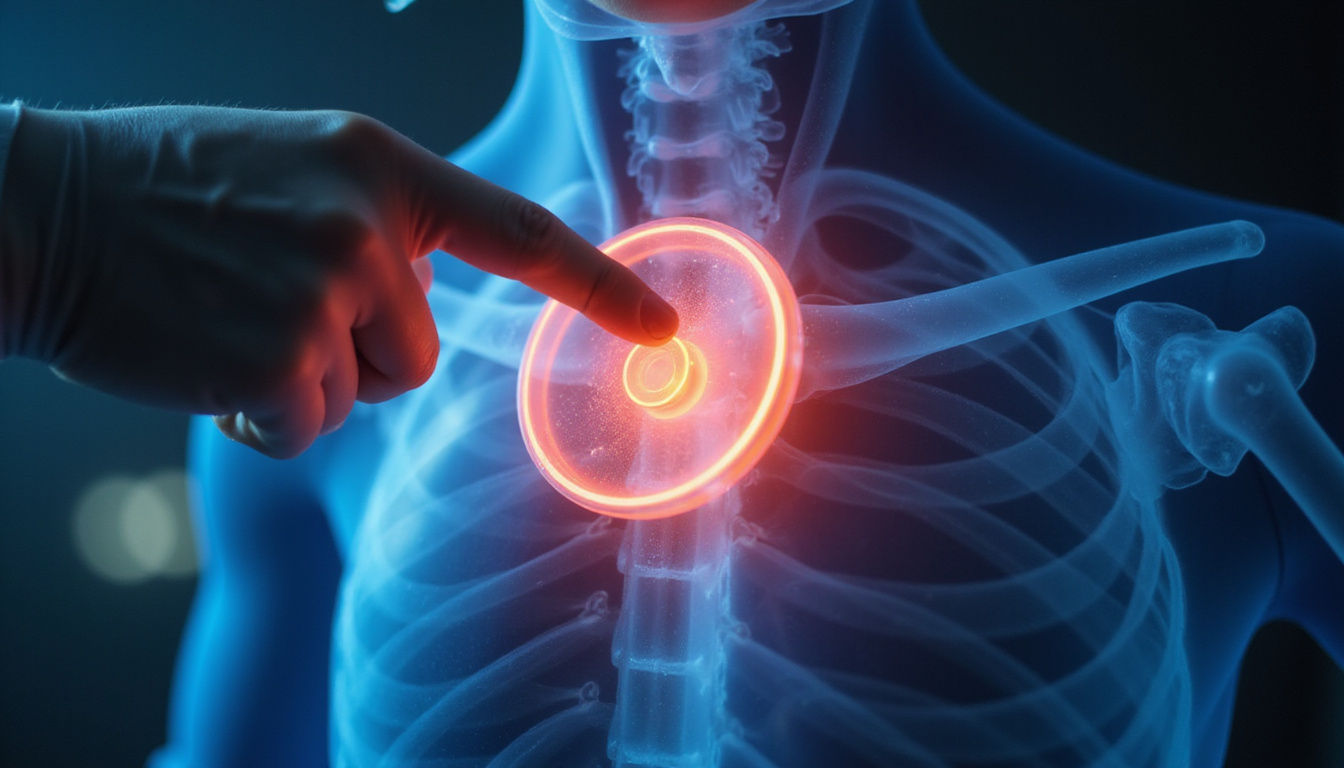
Tip 7: Protect Your Spine with Better Everyday Mechanics
Your artificial disc is designed to move, but that doesn’t make it indestructible. The way you sit, stand, lift, and move daily has a huge impact on your long-term results.
Posture basics
-
Neck (cervical disc replacement):
- Keep screens at eye level.
- Avoid prolonged forward head posture (looking down at phones/laptops).
- Use a headset instead of cradling the phone between shoulder and ear.
-
Lower back (lumbar disc replacement):
- Sit with feet flat on the floor, hips and knees about 90 degrees.
- Use a small cushion or roll behind your lower back.
- Avoid slouching or perching on the edge of the chair.
Lifting and bending
- Bend at the hips and knees, not through your spine.
- Keep objects close to your body when lifting.
- Avoid twisting while holding weight—turn your whole body instead.
These habits are vital both in the early healing period and for decades afterward.
Tip 8: Nourish Your Recovery with Smart Nutrition and Hydration
Your body needs building blocks to repair tissues after surgery.
Focus on:
-
Protein-rich foods
Lean meats, eggs, dairy, beans, lentils, tofu to support muscle repair. -
Colorful fruits and vegetables
Provide vitamins, minerals, and antioxidants that support healing and immune function. -
Whole grains and healthy fats
Oats, quinoa, brown rice, nuts, seeds, olive oil for steady energy. -
Adequate hydration
Water helps with circulation, medication tolerance, and preventing constipation, which is common after surgery and pain meds.
If you have conditions like diabetes or kidney disease, coordinate any dietary changes with your doctor or dietitian.
Tip 9: Support Recovery with Quality Sleep and Stress Management
Healing accelerates when your nervous system is calmer and you’re getting enough rest.
Sleep tips after disc replacement:
-
For lumbar disc replacement:
- Often best on your back with a pillow under your knees, or on your side with a pillow between your knees.
- Avoid stomach sleeping early on unless your surgeon says it’s okay.
-
For cervical disc replacement:
- Use a supportive pillow that keeps your neck in a neutral position.
- Avoid very high or very flat pillows that force the neck into flexion or extension.
Stress management ideas:
- Gentle breathing exercises or guided relaxation.
- Short walks in fresh air.
- Light, approved stretching.
- Journaling pain levels and progress to notice improvement over time.
Anxiety and tension can intensify pain; calming strategies can indirectly help you recover faster.
Tip 10: Know What’s Normal—and When to Call Your Doctor
Understanding what to expect after disc replacement takes away some fear and helps you act quickly if something isn’t right.
Often normal (but still discuss at follow-ups):
- Aching or soreness near the incision.
- Stiffness and muscle tightness in neck or lower back.
- Mild fatigue and lower energy in the first weeks.
- Gradual ups and downs in pain as you increase activity.
Contact your surgeon or medical team urgently if you notice:
- Fever, chills, or feeling very unwell.
- Increasing redness, warmth, swelling, or discharge from the incision.
- Sudden increase in pain, especially sharp or new pain.
- New or worsening numbness, tingling, or weakness in arms or legs.
- Loss of bladder or bowel control, or difficulty urinating.
- Shortness of breath or chest pain.
Prompt attention can prevent small issues from becoming serious complications.
Quick Checklist: Faster Recovery After Disc Replacement
Use this as a simple reminder:
- [ ] Follow your surgeon’s and therapist’s instructions exactly.
- [ ] Walk short distances several times a day, as allowed.
- [ ] Protect your spine—no heavy lifting, bending, or twisting early on.
- [ ] Set up a safe, ergonomic home and work environment.
- [ ] Take pain meds as prescribed and taper responsibly.
- [ ] Commit to your physical therapy program and home exercises.
- [ ] Eat well, hydrate, and prioritize sleep.
- [ ] Watch for warning signs and contact your medical team if needed.
FAQ: Disc Replacement Recovery Questions
1. How long does it take to fully recover from disc replacement surgery?
Many people feel significantly better by 6–12 weeks after disc replacement, especially for everyday activities and desk work. Full recovery, including rebuilding strength and returning to more demanding physical tasks or sports, can take 3–6 months or longer, depending on age, fitness, type of work, and whether the surgery was cervical or lumbar.
2. What activities can I do after artificial disc replacement?
Early on, walking is typically the main activity. As you progress, your care team may add gentle stretching, core stabilization, stationary cycling, and later low-impact exercises like swimming. High-impact sports, heavy lifting, and contact activities should only be resumed with your surgeon’s explicit approval.
3. Is disc replacement better than spinal fusion for recovery time?
For some patients, disc replacement offers a potentially faster return to motion and may reduce stress on nearby spinal levels compared with fusion. However, it’s not automatically “better” for everyone. The best option depends on your specific diagnosis, anatomy, age, and overall health, and should be decided with your spine surgeon.
Move Forward with Confidence After Disc Replacement
A successful outcome after disc replacement isn’t just about what happens in the operating room—it’s driven by your daily choices in the weeks and months that follow. By preparing your body, setting up a supportive home environment, respecting restrictions, walking regularly, and committing to physical therapy, you can significantly improve your odds of a smoother, faster recovery.
If you’re considering disc replacement or are already scheduled for surgery, now is the time to plan your recovery strategy. Talk with your surgeon and physical therapist about how to personalize the tips above to your situation, and start putting your support system in place. The more intentional you are today, the sooner you can get back to the active, pain-reduced life you’re aiming for.