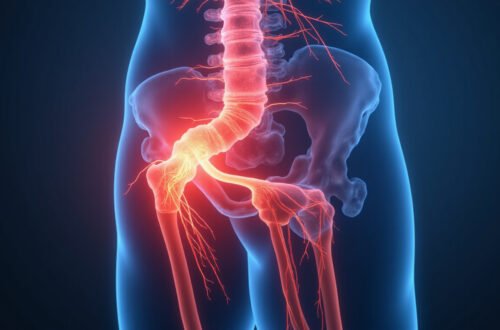
If you’ve been dealing with stubborn muscle pain, tightness, or nagging injuries, you may have heard people talk about dry needling as a fast-acting solution. Popular in physical therapy and sports rehab clinics, dry needling is often mentioned alongside acupuncture, but the two are not the same. Understanding how it works, what it can (and can’t) do, and whether it’s safe for you is essential before booking an appointment.
This guide breaks down the surprising benefits and real risks of dry needling, plus exactly what to expect during and after a session.
What Is Dry Needling?
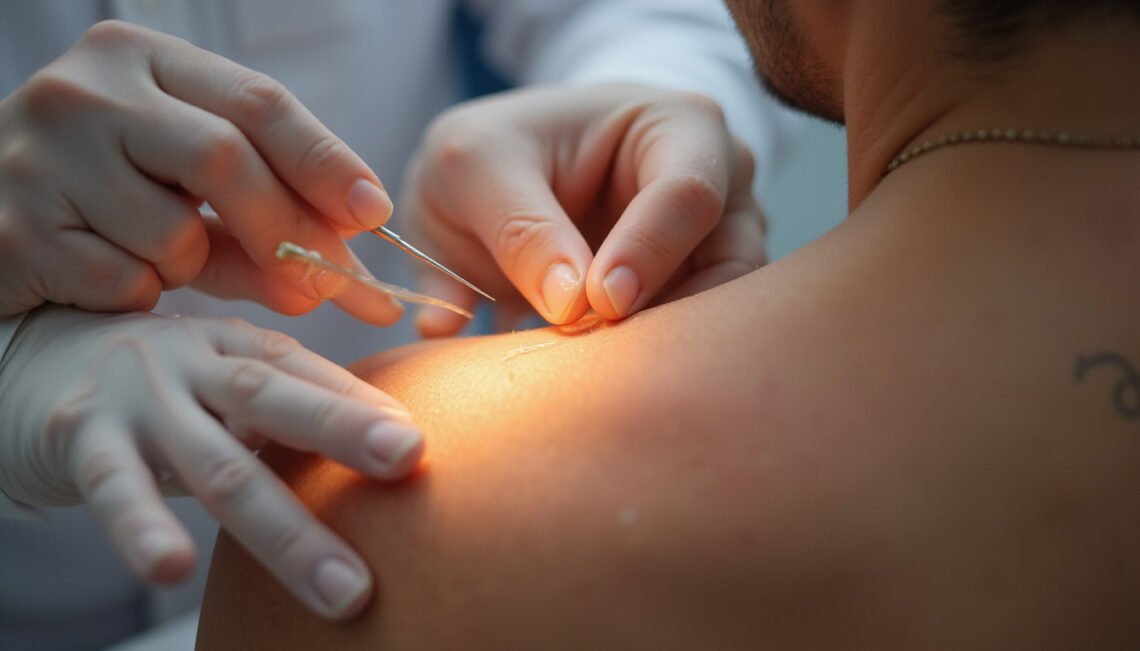
Dry needling is a technique in which a trained clinician inserts thin, solid needles into specific points in your muscles—usually tight, painful bands called trigger points. Unlike injections, there is no medication in the needle, which is why it’s called “dry.”
The main goals are to:
- Release or deactivate trigger points
- Reduce pain and muscle tension
- Restore normal movement and function
Most commonly, dry needling is performed by physical therapists, athletic trainers (where allowed), chiropractors, or other rehab professionals who have taken specialized training courses. Regulations vary by region and state, so not every clinician is permitted to offer it.
Although it uses similar needles to acupuncture, dry needling is based on modern Western anatomy and neuromuscular science, not traditional Chinese medicine or meridians.
How Dry Needling Works (In Simple Terms)
Researchers are still studying the exact mechanisms behind dry needling, but several theories help explain why it can reduce pain and improve mobility:
-
Trigger point disruption
When a needle penetrates a trigger point, it can provoke a “local twitch response”—a brief, involuntary muscle contraction. This appears to help reset the muscle fiber, reduce tightness, and improve blood flow. -
Improved circulation and healing
Microtrauma from the needle stimulates increased blood flow to the area. This may help flush out metabolic waste and bring in oxygen and nutrients your body needs for tissue repair. -
Nervous system modulation
Needling can influence how nerves send and process pain signals. It may downregulate overactive pain pathways and stimulate the release of endorphins and other natural pain-relieving chemicals. -
Changes in muscle tone and motor patterns
By releasing chronic tension, dry needling can help restore more normal muscle activation patterns, allowing better posture, movement quality, and strength.
While not a “magic cure,” these combined effects explain why many people report rapid improvement in pain and range of motion after just a few sessions.
Conditions That May Benefit from Dry Needling
Dry needling is often used as part of a broader rehab program, not as a standalone cure. It can be helpful for a variety of musculoskeletal issues, including:
- Myofascial pain syndrome (chronic muscle pain with trigger points)
- Neck and shoulder pain, including tension headaches
- Lower back pain and sacroiliac (SI) joint-related discomfort
- Tendinopathies (e.g., tennis elbow, golfer’s elbow, Achilles tendinopathy)
- Hip and glute pain, including piriformis syndrome
- Knee pain, IT band syndrome, and runner’s knee
- Plantar fasciitis and foot pain
- Postural-related pain from desk work or repetitive tasks
- Sports injuries like strains or overuse conditions
- Post-surgical stiffness (when cleared by your doctor and therapist)
Evidence suggests dry needling can reduce pain and improve function for many of these conditions, especially when combined with exercise and other physical therapy interventions (source: Journal of Orthopaedic & Sports Physical Therapy).
Surprising Benefits of Dry Needling
Most people consider dry needling only for pain relief, but its potential benefits go beyond simply “making things hurt less.”
1. Faster Pain Reduction
Many patients feel some level of relief within 24–48 hours after a session, especially when dry needling targets well-defined trigger points. For athletes or active individuals, this quicker reduction in symptoms can help them return to training sooner (with appropriate modifications).
2. Increased Range of Motion
By releasing tight muscles and trigger points, dry needling often improves mobility around joints. For example:
- Shoulder rotation can improve after needling the rotator cuff and surrounding muscles.
- Hip flexion and extension may increase after addressing hip and glute trigger points.
This enhanced range of motion creates a better foundation for strength and mobility exercises.
3. Better Muscle Activation and Control
Chronic tightness and pain can cause your body to “guard,” altering how muscles fire. After dry needling releases hyperactive trigger points, your therapist can retrain proper muscle activation patterns using targeted exercises. This combination can improve movement quality and performance.
4. Complement to Other Therapies
Dry needling can enhance the effects of:
- Manual therapy (joint mobilizations, soft tissue work)
- Corrective and strengthening exercises
- Postural training and ergonomic changes
- Modalities like heat, ice, or electrical stimulation
Rather than replacing these methods, it often acts as a catalyst that makes other treatments more effective.
5. Potential Reduction in Medication Use
For some, effective dry needling treatments reduce reliance on pain medications or anti-inflammatories. This can be especially beneficial if you’re trying to minimize long-term drug use, provided you do so under medical guidance.
Risks and Side Effects of Dry Needling
While generally considered safe when performed by a qualified practitioner, dry needling is not risk-free. Understanding potential side effects helps you make an informed choice.
Common, Mild Side Effects
These are the most frequently reported and usually resolve on their own:
- Soreness or aching at the needling site for 24–48 hours
- Minor bruising or small spots of bleeding
- Temporary fatigue or feeling “worn out” after treatment
- Temporary increase in pain before improvement
Mild soreness is often described as a post-workout feeling rather than sharp pain.
Less Common but More Serious Risks
Although rare, more significant complications can occur:
- Infection: Any time the skin is penetrated, there’s a small risk. This is minimized with single-use, sterile needles and proper technique.
- Nerve irritation or injury: If a needle contacts a nerve, you may feel an electric or shooting sensation. Trained clinicians are taught to avoid major nerves.
- Organ puncture (e.g., pneumothorax): Needling around the chest wall or upper back carries a small risk of puncturing the lung, leading to pneumothorax (collapsed lung). Symptoms include sudden chest pain and shortness of breath and require emergency care. This is rare when performed by properly trained professionals using safe techniques.
Who Should Avoid or Use Caution with Dry Needling
Dry needling may not be appropriate, or needs special caution, if you:
- Are pregnant (particularly in the first trimester or near certain points)
- Have a bleeding disorder or are on blood thinners
- Have a compromised immune system
- Have a strong needle phobia or history of fainting with needles
- Have lymphedema in the area to be treated
- Have an active infection or open wound at the site
- Are unable to give informed consent (e.g., certain cognitive impairments)
Always discuss your medical history thoroughly with your provider before starting dry needling.
What to Expect During a Dry Needling Session
If you’re considering trying dry needling, knowing the step-by-step experience can reduce anxiety and help you prepare.
Before the Session
Your clinician will:
- Review your medical history and medications
- Ask about your current symptoms and goals
- Perform a physical exam, looking for trigger points, muscle tightness, and movement restrictions
- Discuss risks, benefits, and alternatives, and answer your questions
You should have the opportunity to opt in or out of dry needling—and remember, you can always say no or ask to stop at any time.
During the Treatment
-
Positioning
You’ll be positioned lying or sitting so the target muscles are easily accessible and you’re comfortable. -
Skin preparation
The clinician cleans the area with an alcohol swab. -
Needle insertion
They insert a very thin, sterile needle into the skin and then into the muscle. You may feel:- A quick pinch or prick as it enters
- A dull ache or deep pressure in the muscle
- A brief “twitch” if the needle hits a trigger point
-
Needle manipulation
The clinician may move the needle slightly (pistoning, twisting, or redirecting) to elicit twitches and release the trigger point. Needles may stay in place from a few seconds to several minutes depending on the technique. -
Number of needles
This varies widely—from just a few to many in one session—depending on your condition, sensitivity, and treatment goals. -
Duration
A dry needling component of a session typically lasts 5–20 minutes, within a longer visit that includes assessment and other treatments.
You should always be able to communicate if something feels too intense, sharp, or unsafe.
Aftercare: How You’ll Feel and What to Do
Mild soreness after dry needling is common and usually temporary. To support recovery and maximize benefits:
- Keep moving lightly: Gentle walking or mobility work can help.
- Hydrate well: Drinking water may help your body process metabolic waste.
- Use heat or ice as recommended: Some prefer moist heat for muscle relaxation; others benefit from ice to calm soreness.
- Follow your exercise plan: Your clinician may give you specific stretches or strengthening exercises to reinforce the release gained from dry needling.
- Watch for warning signs: Seek medical care if you experience severe or worsening pain, shortness of breath, chest pain, fever, or signs of infection (increasing redness, swelling, warmth).
Most people can return to normal activities the same day, possibly with minor modifications depending on soreness and your clinician’s advice.
How Many Sessions Will You Need?
The number of dry needling sessions varies based on:
- The severity and duration of your condition
- How your body responds to the first few treatments
- Whether you also address contributing factors (posture, workload, strength deficits, etc.)
Some people feel noticeably better after 1–3 sessions; others need a longer course as part of comprehensive rehab. Your provider should reassess regularly and adjust the plan to avoid overly prolonged or unnecessary treatment.
Choosing a Qualified Dry Needling Provider
Because regulations and training standards differ, it’s important to vet your provider carefully. Consider asking:
- What is your professional license (PT, chiropractor, etc.)?
- How many hours of specific dry needling training have you completed?
- How long have you been performing dry needling?
- What safety protocols do you use (e.g., single-use needles, infection control)?
- Have you treated my specific condition with dry needling before?
A good clinician will welcome questions, explain their reasoning, and emphasize that dry needling is just one tool within a broader, active treatment plan.
FAQ: Dry Needling, Costs, and Comparisons
Is dry needling the same as acupuncture?
No. While both use thin needles, dry needling is based on Western anatomy and targets trigger points and neuromuscular dysfunction. Acupuncture is rooted in traditional Chinese medicine and focuses on meridians and energy flow (Qi). Some techniques can look similar, but the underlying theories and many applications differ.
Does insurance cover intramuscular dry needling?
Coverage for intramuscular dry needling varies. Some insurers cover it when billed as part of physical therapy, while others exclude it or require special documentation. Always check with both your clinician and your insurance provider beforehand so you understand potential out-of-pocket costs.
Is trigger point dry needling right for chronic pain?
Trigger point dry needling can be helpful for many types of chronic musculoskeletal pain, especially when there are clear, palpable trigger points and associated movement issues. However, it’s usually most effective when combined with exercise therapy, education, and lifestyle changes rather than used as a standalone, repeated “quick fix.”
Is Dry Needling Right for You?
Dry needling can offer meaningful relief and improved mobility for many people struggling with muscle pain and tightness—especially as part of a comprehensive rehab plan. Understanding its benefits, risks, and realistic expectations helps you make an informed decision instead of chasing a quick but temporary fix.
If you’re curious whether dry needling could help your specific condition, the next best step is to speak with a licensed physical therapist or rehab professional who is properly trained in the technique. Ask questions, share your goals, and make sure any plan includes not just symptom relief, but also exercises and strategies to address the root causes of your pain.
Ready to explore whether dry needling can fit into your recovery or performance plan? Schedule a consultation with a qualified provider in your area and start building a clear, evidence-informed path toward moving and feeling better.