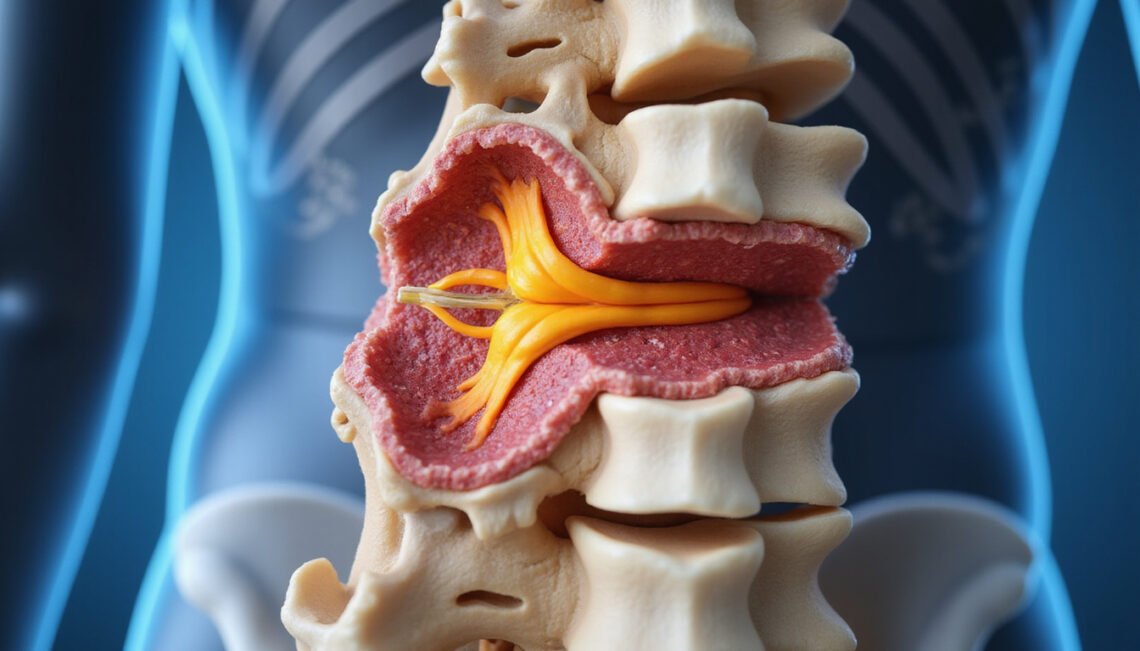
Foraminal stenosis can turn simple daily activities—like walking, bending, or even sleeping—into a painful challenge. Whether your diagnosis is new or you’ve been struggling with nerve pain for years, understanding what foraminal stenosis is and how to treat it is the first step toward relief. The good news: many people improve significantly with targeted treatments and exercises that reduce pressure on the nerves and support a healthier spine.
Below you’ll find clear explanations, evidence-informed treatment options, and practical exercises you can start discussing with your healthcare provider today.
What Is Foraminal Stenosis?
Foraminal stenosis refers to a narrowing of the openings (foramina) between your vertebrae where spinal nerves exit the spinal canal. When these openings shrink, the nerves can become compressed or irritated, leading to pain and other symptoms.
Common Locations
- Cervical foraminal stenosis – in the neck
- Thoracic foraminal stenosis – in the upper/mid-back (less common)
- Lumbar foraminal stenosis – in the lower back (most common)
Typical Symptoms
Symptoms vary depending on which nerves are affected, but common complaints include:
- Local neck or lower back pain
- Radiating pain into the arms (cervical) or legs (lumbar)
- Numbness or tingling in hands, fingers, feet, or toes
- Muscle weakness or “heaviness” in limbs
- Symptoms that worsen with certain positions (e.g., standing or walking) and ease with others (e.g., sitting, bending forward)
Red-flag symptoms like severe weakness, loss of bladder/bowel control, or sudden severe pain require urgent medical attention.
What Causes Foraminal Stenosis?
Several age- and lifestyle-related changes can contribute to foraminal stenosis:
- Degenerative disc disease – As discs lose height with age, the foramina can narrow.
- Bone spurs (osteophytes) – Extra bone forms around joints and can invade nerve spaces.
- Facet joint arthritis – Swollen or enlarged joints reduce the space for nerves.
- Disc herniation – Part of the disc bulges into the foramen, pressing on the nerve.
- Thickening of ligaments – Over time, spinal ligaments can thicken and encroach on the foramina.
- Spinal misalignment or scoliosis – Curvature can change the angle and size of nerve openings.
- Trauma – Fractures or injuries can alter vertebral alignment and foraminal size.
Risk factors include aging, heavy physical work, prolonged sitting, obesity, smoking, and a history of spine injuries.
How Is Foraminal Stenosis Diagnosed?
A thorough diagnosis is crucial before starting treatment.
Clinical Evaluation
Your clinician will typically:
- Review your medical history and symptom pattern
- Perform a physical and neurological exam (strength, reflexes, sensation)
- Use posture and movement tests to see which positions aggravate or relieve symptoms
Imaging and Tests
Common diagnostic tools include:
- X-ray – Shows disc height, bone spurs, and spinal alignment.
- MRI – Best view of discs, nerves, and soft tissues; often key for diagnosis.
- CT scan – Detailed bone imaging, sometimes used with myelography.
- Electrodiagnostic tests (EMG/NCS) – Assess nerve function and pinpoint nerve irritation.
These findings help determine whether your foraminal stenosis is mild, moderate, or severe, and guide the choice of treatment.
Non-Surgical Treatments for Foraminal Stenosis
Most people with foraminal stenosis do not need surgery. A combination of conservative treatments often provides meaningful relief and improves function.
1. Activity Modification and Postural Changes
Certain positions can open the foramina and reduce nerve compression:
-
Lumbar stenosis often feels better when:
- Sitting vs. standing
- Leaning forward (on a cart, counter, or walker)
- Lying with knees slightly bent
-
Cervical stenosis may improve with:
- Neutral neck posture (avoiding prolonged looking up or down)
- Supportive pillows and ergonomically adjusted computer screens
Adjust your routine to spend more time in “relief” positions and less in aggravating ones while working on longer-term solutions like strengthening and flexibility.
2. Medications
Your healthcare provider may recommend:
- NSAIDs (e.g., ibuprofen, naproxen) to reduce inflammation and pain
- Acetaminophen for pain relief if NSAIDs are not tolerated
- Short-term muscle relaxants for associated muscle spasms
- Neuropathic pain medications (e.g., gabapentin, pregabalin) for nerve pain
- Short steroid tapers in some cases to calm acute inflammation
Always follow medical guidance and be cautious with long-term medication use due to potential side effects.
3. Physical Therapy
Targeted physical therapy is one of the most effective non-surgical tools for managing foraminal stenosis. Goals include:
- Improving spinal mobility and posture
- Strengthening the core, hip, and shoulder girdle muscles
- Teaching nerve-friendly body mechanics
- Reducing muscle tension and guarding
A physical therapist can also apply manual therapy techniques, traction, and progressive exercise to create more space and reduce irritation around the affected nerves.
4. Epidural and Nerve Root Injections
For moderate to severe pain, interventional procedures may be considered:
- Epidural steroid injections – Steroids are injected near the irritated nerves to reduce inflammation and pain.
- Selective nerve root blocks – Target a specific nerve as both a diagnostic and therapeutic measure.
These injections do not “cure” foraminal stenosis but can significantly reduce symptoms, often helping patients fully engage in rehab exercises. Effects may last weeks to months.
5. Lifestyle and Complementary Approaches
Helpful adjuncts include:
- Weight management to reduce spinal loading
- Smoking cessation to improve disc and bone health
- Low-impact aerobic exercise (walking, cycling, swimming) to keep blood flow and mobility
- Heat or ice therapy for symptom flares
- Mind-body approaches (relaxation, breathing, mindfulness) to manage chronic pain
According to the American Academy of Orthopaedic Surgeons, conservative management can effectively reduce symptoms of spinal stenosis for many patients (source: AAOS).

When Is Surgery for Foraminal Stenosis Necessary?
Surgery is generally considered when:
- Pain or weakness remains severe despite several months of conservative treatment
- There is progressive neurologic deficit (worsening weakness, loss of function)
- Daily activities and quality of life are significantly limited
- There are red-flag signs (urgent)
Common Surgical Options
- Foraminotomy – The surgeon removes bone or tissue around the foramen to enlarge the opening and relieve pressure on the nerve.
- Laminectomy plus foraminotomy – More extensive decompression of the spinal canal and foramina.
- Spinal fusion – In cases of instability or severe degeneration, vertebrae may be fused with screws and rods after decompression.
Minimally invasive techniques aim to reduce muscle damage and speed up recovery, but surgery still carries risks and requires careful discussion with a spine specialist.
Best Exercises for Foraminal Stenosis Relief
Always consult your provider before starting new exercises, especially if you have significant pain or neurologic symptoms. The exercises below are general examples that many patients with foraminal stenosis find helpful when properly supervised.
Key Principles
- Move slowly and smoothly, staying well below sharp or radiating pain.
- Stop if symptoms worsen significantly or if new numbness or weakness appears.
- Aim for daily gentle movement vs. occasional intense sessions.
1. Pelvic Tilts (for Lumbar Foraminal Stenosis)
Helps strengthen deep abdominal muscles and gently mobilize the lower back.
- Lie on your back with knees bent, feet flat, and arms at your sides.
- Gently tighten your abdominal muscles and flatten your lower back toward the floor.
- Hold 3–5 seconds, breathing normally.
- Relax and return to neutral.
- Repeat 10–15 times, 1–2 sets per day.
2. Double-Knee-to-Chest (Flexion Relief)
Can open the lower lumbar foramina and relieve leg symptoms for some people.
- Lie on your back with knees bent.
- Bring one knee toward your chest, then the other.
- Gently hug your knees to your chest without forcing the stretch.
- Hold 10–20 seconds, then slowly lower your feet.
- Repeat 5–10 times if comfortable.
If both legs together are too much, perform a single-knee-to-chest stretch, alternating sides.
3. Cat–Camel (Spinal Mobility)
Promotes controlled movement and reduces stiffness.
- Start on hands and knees, wrists under shoulders, knees under hips.
- Arch your back gently toward the ceiling (cat), tucking your chin.
- Slowly drop your belly toward the floor and lift your head/chest slightly (camel), without overextending.
- Move back and forth 10–15 times, focusing on a comfortable range of motion.
4. Seated Flexion Stretch (Lumbar Stenosis)
Relieves pressure on nerves that worsen with standing or arching.
- Sit on a stable chair with feet flat on the floor.
- Slowly bend forward, reaching your hands toward the floor or ankles.
- Let your head and neck relax, breathing calmly.
- Hold 10–20 seconds, then slowly roll back up.
- Repeat 5–10 times.
5. Chin Tucks (for Cervical Foraminal Stenosis)
Improves neck posture and can reduce nerve irritation.
- Sit or stand tall with shoulders relaxed.
- Gently draw your chin straight back, as if making a “double chin,” without tilting your head up or down.
- Hold 3–5 seconds, then relax.
- Repeat 10–15 times, several times a day.
Avoid pushing the head excessively; the motion should be small and comfortable.
6. Cervical Flexion Stretch
Helps open the back of the neck and create space around cervical nerves.
- Sit or stand with good posture.
- Slowly lower your chin toward your chest until you feel a gentle stretch at the back of your neck.
- Hold 15–20 seconds, breathing steadily.
- Return to neutral; repeat 3–5 times.
If this causes any arm pain, tingling, or electric-like pain, stop and consult your provider.
7. Core Strength: Modified Dead Bug
Builds core stability to support the spine.
- Lie on your back with hips and knees bent to 90 degrees (tabletop position), arms pointing toward the ceiling.
- Tighten your core as if bracing gently.
- Slowly lower your right heel toward the floor while extending your left arm overhead.
- Return to the starting position and switch sides.
- Perform 8–10 reps per side, 1–2 sets.
Stop if your lower back arches excessively or if pain increases.
Simple Daily Routine for Foraminal Stenosis
Here’s a sample starter routine many people tolerate well (with medical clearance):
-
Morning
- Pelvic tilts – 10–15 reps
- Cat–camel – 10–15 reps
-
Midday
- Seated flexion stretch – 5–10 reps
- Chin tucks – 10–15 reps
-
Evening
- Double- or single-knee-to-chest – 5–10 reps
- Modified dead bug – 8–10 reps per side
Combine this with gentle walking or stationary cycling for 10–20 minutes most days, as tolerated.
Living with Foraminal Stenosis: Practical Tips
- Use supportive seating with lumbar support and armrests.
- Adjust your workstation so your screen is at eye level and your keyboard within easy reach.
- Take micro-breaks every 30–45 minutes to stand, walk, or stretch briefly.
- Sleep smart: try a side-lying position with a pillow between your knees for lumbar issues, or a supportive pillow for your neck for cervical issues.
- Pace activities: spread chores and tasks throughout the day instead of all at once.
Small, consistent changes add up to less irritation and more comfort over time.
FAQ About Foraminal Stenosis and Nerve Pain
1. Is foraminal stenosis the same as spinal stenosis?
Foraminal stenosis is a type of spinal stenosis, but more specific. “Spinal stenosis” is a broad term for any narrowing of spaces in the spine that can compress nerves. Foraminal stenosis refers specifically to narrowing of the foramina—the openings where nerve roots exit the spine.
2. Can foraminal narrowing improve without surgery?
Yes, symptoms from foraminal narrowing can improve significantly with non-surgical care. While bone spurs and structural changes may not fully reverse, swelling and inflammation can decrease, muscles can be strengthened, posture can be improved, and nerve irritation can be reduced. Many people manage their foraminal stenosis effectively through conservative treatment.
3. What activities should I avoid with cervical or lumbar foraminal stenosis?
In general, avoid activities that consistently trigger or worsen nerve pain, such as heavy lifting with poor form, high-impact sports, prolonged standing or sitting without breaks, and extreme neck or back extension. Your provider or physical therapist can give a customized list of movements to limit and safe alternatives based on the specifics of your condition.
Take the Next Step Toward Relief
Foraminal stenosis doesn’t have to dictate your day-to-day life. With a clear diagnosis, a focused treatment plan, and a consistent exercise routine, many people reduce their pain, improve mobility, and avoid or delay surgery. If you recognize your symptoms in this guide, your best move is to:
- Schedule a visit with your primary care provider or spine specialist.
- Ask specifically about foraminal stenosis and appropriate imaging.
- Request a referral to a physical therapist experienced in spine conditions.
Start small with the exercises and posture changes outlined here—and do them under professional guidance whenever possible. The sooner you take action, the sooner you can relieve pressure on your nerves and reclaim the activities you enjoy.