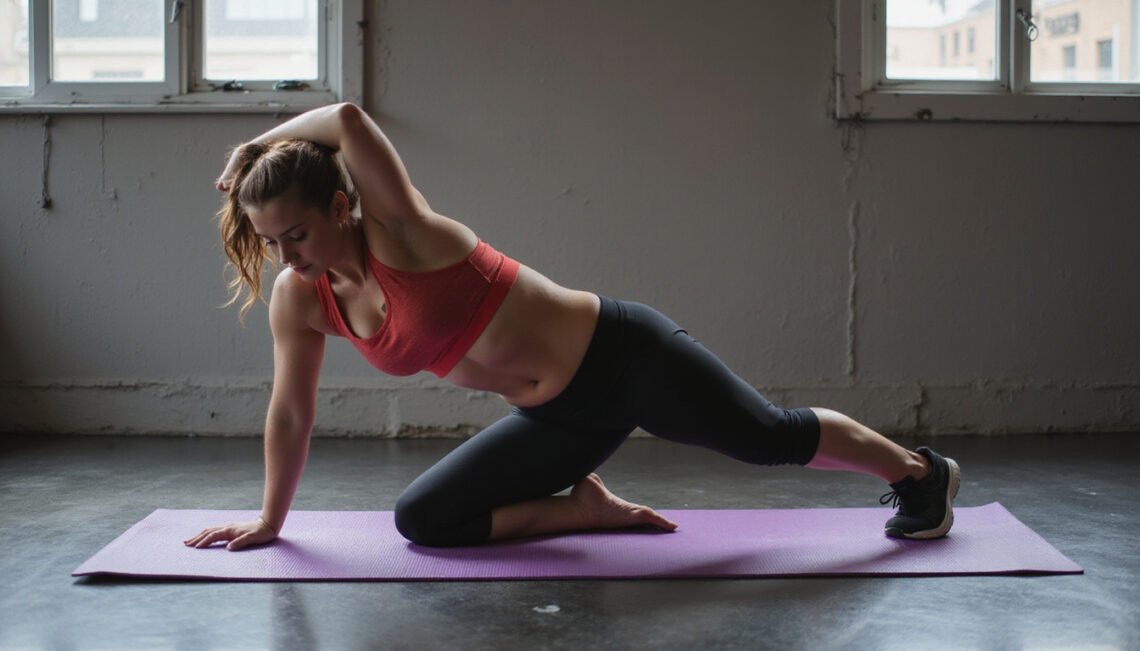
The classic glute bridge is one of the simplest and most effective moves you can use to build stronger, rounder glutes—without needing much equipment or time. Whether you’re a beginner learning to “find” your glutes or a lifter trying to grow bigger, more powerful hips, understanding how to do the exercise correctly and how to progress it is key.
This guide walks you through proper glute bridge form, the best variations for different goals, and practical tips to get the most out of every rep.
Why the Glute Bridge Deserves a Spot in Your Routine
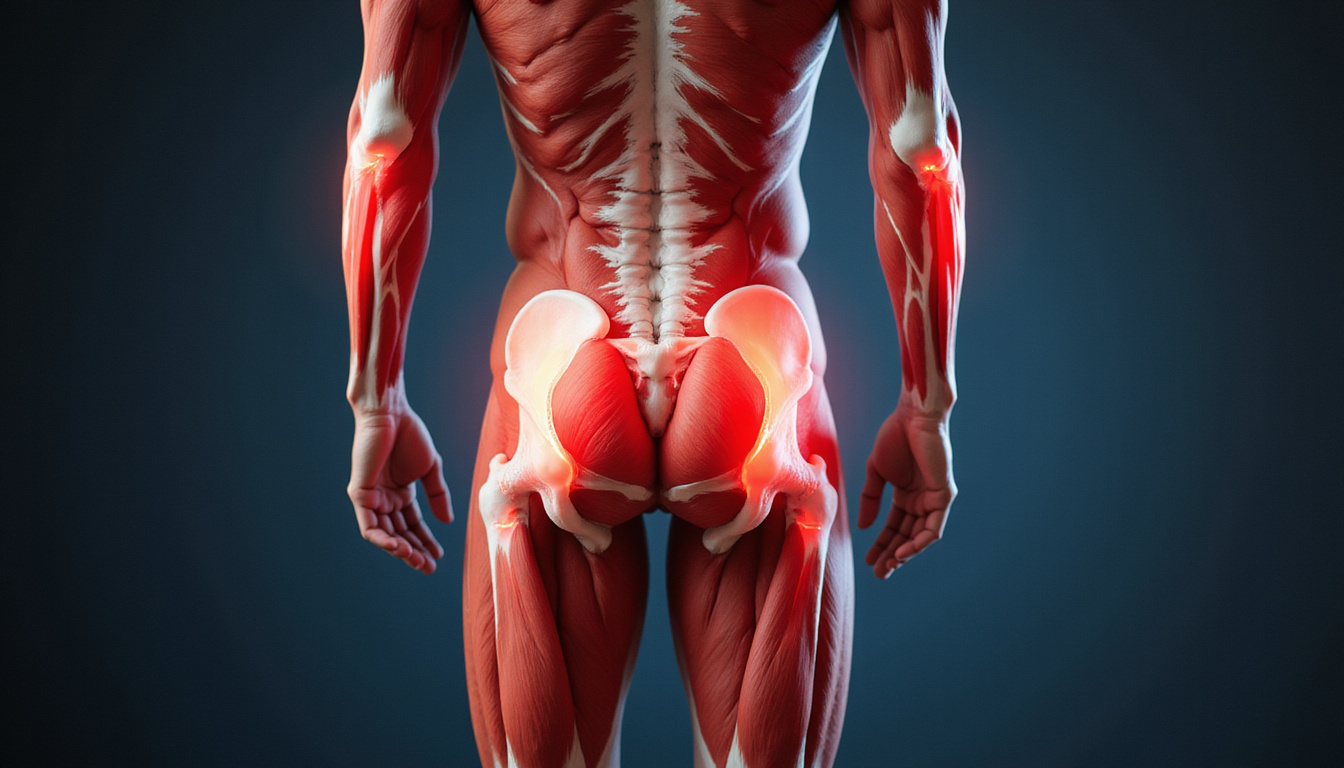
The glute bridge targets:
- Gluteus maximus (primary mover)
- Gluteus medius and minimus (stability and hip control)
- Hamstrings
- Core and lower back (for stabilization)
When done well, the glute bridge helps:
- Improve hip strength and power for squats, deadlifts, and athletic movements
- Build shape and roundness in the butt
- Reduce lower-back strain by teaching your glutes to do more of the work
- Counteract tight hip flexors from long hours of sitting
Research shows that hip thrusts and bridging patterns activate the gluteus maximus very effectively, often more than traditional squats at similar relative loads (source: Journal of Strength and Conditioning Research).
Mastering the Basic Glute Bridge
Before trying advanced variations, you need to own the standard glute bridge. Proper technique ensures your glutes—not your lower back or hamstrings—do the work.
Step-by-Step Form
-
Set up
- Lie on your back with knees bent, feet flat on the floor.
- Feet should be hip-width apart, heels about a hand-length away from your glutes.
- Arms by your sides, palms down for stability.
-
Brace and align
- Take a breath in.
- Gently tuck your pelvis (imagine zipping up tight jeans) to flatten your lower back lightly toward the floor.
- Engage your core.
-
Drive up
- Press through your heels and squeeze your glutes to lift your hips.
- Hips, knees, and shoulders should form a straight line at the top—no hyper-arching.
- Avoid pushing your ribs up; keep your core braced.
-
Squeeze and lower
- Hold the top position for 1–2 seconds, actively squeezing your glutes.
- Lower your hips slowly with control until they lightly touch the floor.
- Repeat for 8–15 reps.
Key Form Cues
- “Push through your heels, not your toes.”
- “Tuck your tail slightly before lifting.”
- “Squeeze your butt cheeks together at the top.”
- “Ribs down, core tight—don’t overarch.”
If you feel mostly hamstrings or lower back, adjust foot distance (usually a bit closer to your body) and focus more on the pelvic tuck and controlled squeeze.
Common Glute Bridge Mistakes (and Fixes)
Even a simple glute bridge can be done poorly. These are the most frequent issues and how to correct them.
-
Overarching the lower back
- Problem: You feel your spine compress more than your glutes working.
- Fix: Pre-tuck your pelvis, keep ribs down, and stop at a straight-line hip height instead of overextending.
-
Pushing through toes
- Problem: Quads and knees take over; glutes underwork.
- Fix: Lift toes slightly off the ground during sets to reinforce heel drive.
-
Feet too far or too close
- Feet too far: Mostly hamstrings.
- Feet too close: Pressure on knees.
- Fix: Adjust until you feel maximum glute squeeze with minimal discomfort.
-
Letting knees cave in
- Problem: Instability, less glute medius activation.
- Fix: Imagine gently spreading the floor apart with your feet, keeping knees in line with toes.
-
Racing through reps
- Problem: Momentum instead of muscle tension.
- Fix: Slow the tempo; take about 1–2 seconds up, 2–3 seconds down.
Glute Bridge Variations for Every Level
Once you’re comfortable with the bodyweight glute bridge, progress to variations that challenge your muscles in new ways—more load, more range of motion, or more stability demand.
1. Elevated Glute Bridge (Feet on Bench or Step)
Goal: Increase hamstring and glute recruitment by changing the angle.
- Lie on your back and place your heels on a low bench or sturdy step.
- Perform the same glute bridge motion.
- Keep your hips in line with shoulders and knees; don’t let them sag.
This variation is great for building posterior chain strength and mimics the bottom position of a hip thrust.
2. Banded Glute Bridge
Goal: Improve lateral glute activation and knee control.
- Loop a mini-band above your knees.
- Perform a standard glute bridge.
- Throughout the movement, gently push knees outward against the band.
This is excellent for people whose knees cave in or who want to focus on the glute medius and minimus.
3. Weighted Glute Bridge (Dumbbell or Barbell)
Goal: Add progressive overload to drive muscle growth and strength.
- Place a dumbbell or barbell across your hips.
- Hold the weight securely in place with your hands.
- Perform controlled bridges, focusing on full lockout and glute squeeze.
Start light to master balance and control, then gradually increase load over time.
Single-Leg Glute Bridge Variations for Unilateral Strength
Single-leg versions of the glute bridge are brutally effective for building strength, ironing out imbalances, and boosting glute activation.
4. Single-Leg Glute Bridge
- Set up as a normal glute bridge.
- Lift one leg off the ground, either straight or with a 90-degree bend.
- Drive through the heel of the planted leg to lift your hips.
- Keep hips level; avoid twisting or dropping one side.
If your hips tilt, reduce your range of motion until you can control it.
5. Marching Glute Bridge
Goal: Train stability while challenging each side alternately.
- Start in a bridge position with hips lifted.
- While holding the bridge, slowly lift one knee toward your chest.
- Lower it back down and repeat with the other leg.
- Keep hips as level and steady as possible.
This anti-rotation challenge teaches your glutes and core to stabilize together.
Hip Thrust vs. Glute Bridge: What’s the Difference?
You’ll often hear the hip thrust mentioned alongside the glute bridge. Both are hip extension exercises targeting the glutes, but there are key differences:
- Glute bridge: Shoulders on the floor, shorter range of motion, easier to learn, great for beginners or warm-ups.
- Hip thrust: Upper back supported on a bench, hips travel through a larger range of motion, generally allows heavier loading and greater peak glute activation.
If you’re new or training at home, start with the glute bridge. As you get stronger and maybe have access to a bench and barbell, hip thrusts can become your primary heavy lift, with glute bridges as an accessory.
Programming Glute Bridges for Strength and Growth
How you structure sets, reps, and variations determines what results you’ll see.
For Muscle Growth and Shape (Hypertrophy)
- 2–4 sets of 8–15 reps
- Use a weighted glute bridge or challenging variation.
- Focus on:
- Full hip extension each rep
- 1–2 second squeeze at the top
- Slow, controlled lowering
For Strength
- 3–5 sets of 5–8 reps
- Go heavier with weights (dumbbell or barbell on hips).
- Rest longer between sets (1.5–3 minutes).
- Maintain crisp form—no sloppy reps.
For Activation and Warm-Up
- 1–3 sets of 10–20 reps (bodyweight or banded)
- Use before squats, deadlifts, or running.
- Focus on feeling the glutes “turn on” and contract hard.
Sample Glute Bridge Workout You Can Use Today
Here’s a simple lower-body or glute-focused session that centers on the glute bridge:
-
Activation
- Banded glute bridge – 2 sets of 15 reps
- Clamshells or side-steps with band – 2 sets of 15 each side
-
Strength/Hypertrophy
- Weighted glute bridge – 3–4 sets of 8–12 reps
- Single-leg glute bridge – 3 sets of 8–10 reps per leg
-
Finisher
- Marching glute bridge – 2 sets of 20 total marches (10 each leg)
- 30–45 seconds rest between sets
Adjust volume and load based on your level and recovery.
Tips to Maximize Glute Activation in the Glute Bridge
You’ll get more out of the glute bridge by focusing on quality rather than just doing lots of reps.
-
Pre-activate glutes
Do a light set of bridges or band walks before your main sets so your glutes are “awake.” -
Use internal focus
Think about contracting your glutes to move your hips, not just lifting your body. -
Control your breathing
Exhale as you drive your hips up, inhale as you lower. -
Time under tension
Add pauses at the top (2–3 seconds) or slow eccentrics (3–4 seconds lowering) to increase tension without adding weight. -
Train 2–3 times per week
Consistency matters more than any single workout if you want noticeable shape and strength changes.
Who Should Be Careful with the Glute Bridge?
The glute bridge is generally safe, but consider modifications if:
- You have acute lower-back pain or disc issues
- You experience sharp hip joint pain when lifting your hips
- You’re pregnant in later trimesters and supine exercises feel uncomfortable or cause dizziness
In these cases, reduce range of motion, shorten sets, or try standing hip extensions and consult with a healthcare or qualified exercise professional as needed.
Quick FAQs About the Glute Bridge
1. How often should I do the glute bridge to grow my glutes?
Training the glute bridge 2–3 times per week is ideal for most people. Combine heavier, weighted bridge sessions (8–12 reps) with lighter, higher-rep sets for activation. Give at least 48 hours between intense glute sessions to recover.
2. Is a hip thrust better than a glute bridge for glute growth?
The hip thrust often allows a greater range of motion and heavier loads, which can be better for maximal hypertrophy. However, the glute bridge exercise is easier to set up, more accessible at home, and still very effective. Many people use both: hip thrusts as the main heavy lift and bridges as a secondary or accessory movement.
3. Why do I feel hamstrings more than glutes in my glute bridge?
If your glute bridge workout feels hamstring-dominant, your feet may be too far from your hips, you may be overextending your back, or your glutes might be under-activating. Bring your feet a bit closer, tuck your pelvis before lifting, and think about squeezing your glutes hard at the top while keeping your ribs down.
Start Bridging Your Way to Stronger, Rounder Glutes
You don’t need fancy machines or a full gym to build powerful, well-shaped glutes. With a technically sound glute bridge, smart progression into different variations, and consistent programming, you can significantly improve both the strength and appearance of your glutes.
Start by mastering the basic glute bridge, then gradually add banded, single-leg, and weighted versions as you get stronger. Track your reps, loads, and how your glutes feel during and after your workouts. If you commit to just a few focused glute bridge sessions each week, you’ll feel—and see—the difference in how you move, perform, and look.
Set a plan, pick 2–3 glute bridge variations from this guide, and begin your next workout with intent. Your stronger, rounder glutes are built one controlled bridge at a time.