Glute Strengthening Secrets for Stronger, Shapelier Hips and Better Performance
If you want more powerful workouts, pain‑free movement, and a firmer backside, glute strengthening should be at the heart of your training. Strong glutes don’t just look good—they stabilize your hips and spine, protect your knees, and boost performance in almost every sport and daily activity.
This guide breaks down how your glutes work, the best exercises to build them, and how to design a smart plan for stronger, shapelier hips and better performance.
Why Glute Strength Matters More Than You Think
Your glutes are a powerful trio of muscles:
- Gluteus maximus – the largest muscle in your body; main driver of hip extension (standing up, jumping, sprinting).
- Gluteus medius – stabilizes the pelvis; critical for single‑leg balance, walking, and running.
- Gluteus minimus – assists the medius with hip stability and internal rotation.
When these muscles are weak or underused:
- Your lower back may overcompensate, leading to pain.
- Your knees can cave inward, increasing injury risk.
- Your hips may feel unstable, especially on one leg.
- Your performance in running, lifting, and sports suffers.
Research shows that targeted glute strengthening can help reduce knee pain and improve lower-limb alignment, especially in activities like running and jumping (source: Journal of Orthopaedic & Sports Physical Therapy).
Signs Your Glutes Are Weak or Underactive
You may need more focused glute strengthening if you notice:
- Lower back discomfort during squats or deadlifts.
- Knees collapsing inward when you jump, land, or climb stairs.
- Difficulty feeling your glutes “switch on” during leg exercises.
- One hip dropping or your torso twisting when you stand on one leg.
- A lot of quad or hamstring soreness, but rarely sore glutes.
If you recognize more than one of these, building glute strength and activation should be a priority.
Glute Activation vs. Glute Strength: You Need Both
Two concepts get thrown around often:
- Activation: Teaching your glutes to “turn on” properly and at the right time.
- Strength: Building the muscle size and force output once activation is solid.
Many people jump straight into heavy hip thrusts or squats without first learning to actively contract their glutes. Without good activation, your body cheats with quads and lower back, limiting growth and increasing injury risk.
Rule of thumb:
Start every lower-body day with 5–10 minutes of focused glute activation before your heavy glute strengthening work.
Best Glute Activation Exercises (Warm-Up Essentials)
Use these at the start of your workout or on recovery days:
-
Glute Bridges (bodyweight)
- Lie on your back, knees bent, feet hip‑width.
- Tilt your pelvis slightly (flatten lower back), then drive through your heels to lift hips.
- Squeeze your glutes hard at the top for 2–3 seconds.
- 2–3 sets of 10–15 reps.
-
Clamshells (with or without mini band)
- Lie on your side, knees bent at 90°, heels together.
- Keeping feet touching and hips stacked, open your top knee without rotating your trunk.
- Targets the glute medius.
- 2–3 sets of 12–20 reps per side.
-
Banded Lateral Walks
- Place a mini band around ankles or just above knees.
- Soft knees, hips slightly back, step sideways under control.
- You should feel a burn in the side of your hips.
- 2–3 sets of 10–15 steps each way.
-
Quadruped Hip Extensions (“Donkey Kicks”)
- On hands and knees, brace your core.
- Lift one foot toward the ceiling, keeping a 90° knee angle and avoiding low‑back arching.
- 2–3 sets of 10–15 reps per side.
Focus on feeling the glutes work. If you only feel low back or hamstrings, lighten resistance or adjust your form.
Foundational Glute Strengthening Exercises
Once activation is dialed in, build strength with compound movements that train your glutes through full range of motion.
1. Hip Thrusts
One of the most direct glute strengthening moves.
- Sit with your upper back on a bench, feet flat, knees bent.
- Barbell or dumbbell across the hips (or start bodyweight).
- Drive through your heels, lifting hips until your body forms a straight line shoulder–hip–knee.
- Strong squeeze at the top, control on the way down.
Why it’s great:
Maximally loads the gluteus maximus in its strongest range (near full hip extension), perfect for both strength and hypertrophy (muscle growth).
2. Squats (Back or Front)
Squats are a full lower-body staple, hitting quads and glutes together.
- Stand shoulder‑width, toes slightly out.
- Sit hips down and back, keeping chest up and knees tracking over toes.
- Drive up by pushing through mid‑foot and heel, squeezing the glutes at the top.
Glute emphasis tips:
- Use a slightly wider stance if comfortable.
- Go to a full, controlled depth that your hips and ankles allow.
- Think “spread the floor with your feet” as you stand.
3. Deadlifts (Romanian or Conventional)
Deadlifts are powerful posterior-chain developers.
- Hinge at the hips, pushing them back like closing a car door with your butt.
- Keep spine neutral, bar close to your legs.
- Stand by driving hips forward and squeezing the glutes.
Romanian Deadlift (RDL) variation:
- Start from standing, lower the bar down your thighs to mid‑shin with slightly bent knees.
- Ideal for loading the glutes and hamstrings with a deep stretch.
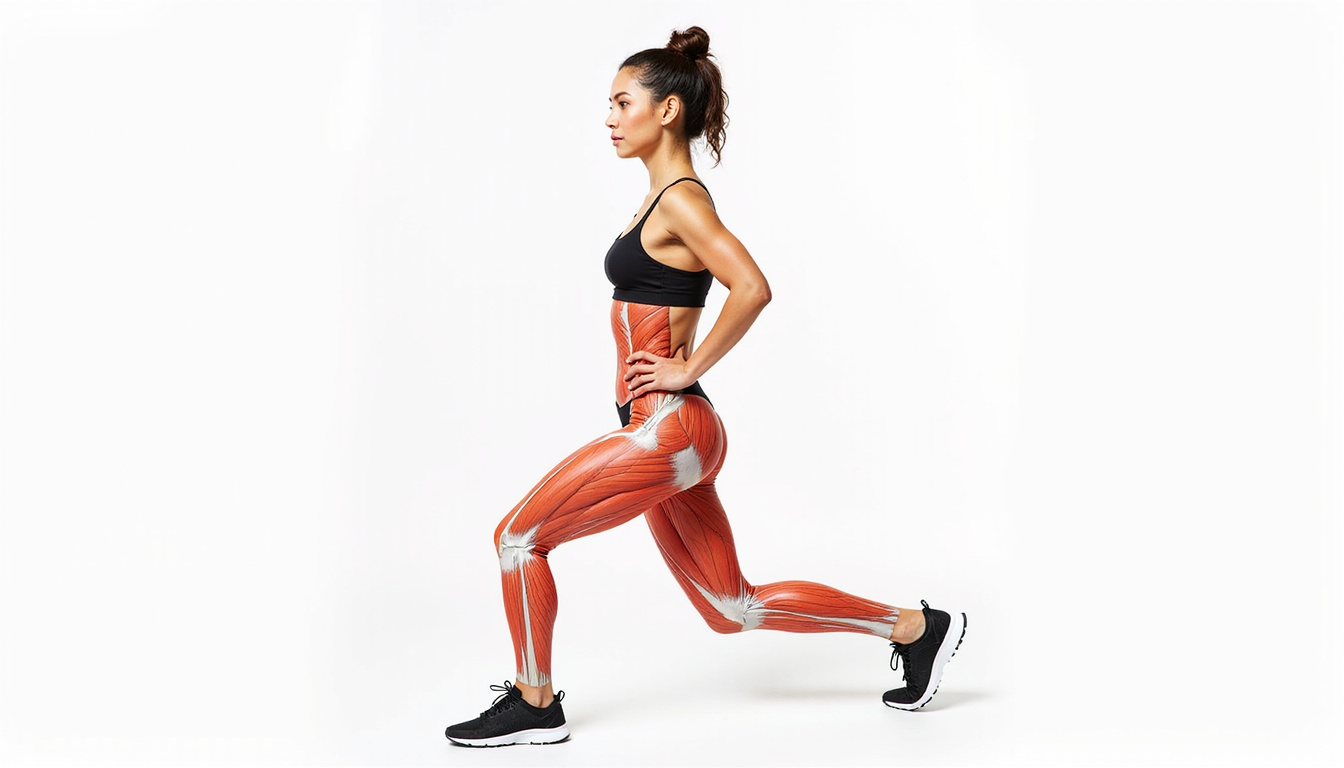
4. Lunges and Split Squats
Unilateral (single-leg) work is critical for real‑world strength and hip stability.
- Walking Lunges: Step forward and lower until both knees are at about 90°, then push through front heel to step through.
- Bulgarian Split Squats: Rear foot elevated on bench, front foot forward; drop straight down and drive through the front heel.
Glute emphasis tip:
Lean your torso slightly forward (not rounded) in split squats—this increases hip flexion and glute demand.
Accessory Moves for Shapelier Hips
To fully sculpt the glutes, add targeted isolation or lighter accessory work:
- Cable Kickbacks – Great for constant tension through hip extension.
- 45° Back Extensions (Glute Focused) – Round upper back slightly, think “push hips into pad and squeeze glutes to lift,” not just arching the spine.
- Curtsy Lunges – Hit glute medius and minimus, creating side-hip shape and stability.
- Step-Ups – Use a box where your knee is at or just above 90°; drive through heel and avoid pushing off the back leg excessively.
These movements help refine shape and improve endurance, especially when used for higher reps (12–20) with good control.
A Sample 3-Day Glute Strengthening Program
Here’s a simple weekly structure to prioritize glute strengthening while balancing total lower-body work. Adjust weights and volume to your level.
Day 1 – Heavy Strength (Glute-Dominant)
- Activation: Bridges + Lateral Walks – 2 sets each
- Barbell Hip Thrust – 4 × 5–8
- Back Squat – 4 × 5–8
- Romanian Deadlift – 3 × 6–8
- Bulgarian Split Squat – 3 × 8–10 per leg
- Cable Kickbacks – 2–3 × 12–15
Day 2 – Lighter / Volume & Stability
- Activation: Clamshells + Donkey Kicks – 2 sets each
- Walking Lunges – 3 × 12–15 steps per leg
- Step-Ups – 3 × 10–12 per leg
- Banded Hip Thrusts (lighter) – 3 × 15–20
- Curtsy Lunges – 2–3 × 12–15 per leg
Day 3 – Power & Athletic Performance
- Activation: Bridges + Lateral Walks – 2 sets each
- Box Jumps (moderate height) – 4 × 3–5
- Kettlebell Swings – 4 × 10–15
- Front Squats – 3 × 5–8
- Hip Thrust (moderate weight) – 3 × 8–10
Rest 48 hours between heavy lower-body days when possible, and listen to your recovery.
Technique Tips to Maximize Glute Growth and Safety
To get the most from your glute strengthening program:
-
Prioritize the mind–muscle connection.
Think of driving your hips forward and squeezing your glutes hard on every rep, especially at the top. -
Control the eccentric (lowering) phase.
Lower with control (2–3 seconds). This builds more strength and muscle and reduces injury risk. -
Use full, comfortable range of motion.
Don’t artificially cut depth short. Work within the deepest range your mobility allows while maintaining form. -
Progress load gradually.
Increase weight, reps, or sets over time; avoid big jumps that your joints and connective tissues aren’t ready for. -
Don’t neglect single-leg work.
It improves hip symmetry, balance, and real‑world strength more than bilateral movements alone.
Common Glute Training Mistakes to Avoid
Even well-intentioned glute strengthening can fall flat if you:
-
Rely only on machines.
Cable and machine work can help, but free weight hip hinges, squats, and lunges should be your foundation. -
Skip activation.
If your glutes don’t fire properly, other muscles take over. Five extra minutes can change your entire session. -
Chase only the burn.
Endless high‑rep band work may burn, but progressive overload with challenging weights is what builds lasting strength and shape. -
Ignore pain signals.
Sharp knee, hip, or back pain isn’t “normal soreness.” Adjust technique, reduce load, or consult a professional. -
Train glutes once every 10 days.
Most people build better with 2–3 targeted glute sessions per week, especially if volume is managed well.
Nutrition and Recovery for Better Glute Gains
Muscle growth isn’t just about workouts. Your glute strengthening progress depends heavily on:
-
Adequate protein:
Aim for roughly 1.6–2.2 g of protein per kg of bodyweight daily if you’re training hard (general guideline, not medical advice). -
Slight calorie surplus (for maximum growth):
If muscle gain is your main goal, eating slightly above maintenance calories supports hypertrophy. -
Sleep:
Strive for 7–9 hours per night; growth hormone and repair processes peak during quality sleep. -
Recovery days:
Light walking, mobility work, or gentle band exercises can boost blood flow without overtaxing your glutes.
FAQ: Glute Strengthening
1. How often should I do glute strengthening exercises?
Most people see solid results with 2–3 dedicated glute strengthening sessions per week, spaced out to allow recovery. You can include light activation daily, but heavy hip thrusts, squats, and deadlifts should have at least 48 hours between intense efforts for the same muscles.
2. What are the best glute strengthening exercises for beginners?
Start with bodyweight hip bridges, bodyweight squats, step-ups, and banded lateral walks. Once form is solid and you can control your movements without pain, gradually add resistance: dumbbell hip thrusts, goblet squats, Romanian deadlifts, and stationary lunges are excellent next steps.
3. Can I do glute strengthening at home without equipment?
Yes. Combine glute bridges, single-leg bridges, donkey kicks, fire hydrants, bodyweight squats, and reverse lunges. Add inexpensive tools like mini bands or a single kettlebell to expand your options and increase difficulty over time.
Start Building Stronger, Shapelier Hips Today
Stronger glutes elevate nearly everything you do: lifting, running, jumping, hiking, and even standing and walking without pain. With a smart mix of activation drills, heavy compound lifts, and targeted accessory work, your glute strengthening plan can deliver both performance and aesthetics.
Don’t wait for knee or back pain to force you into action. Pick 4–6 exercises from this guide, schedule 2–3 focused sessions for the next four weeks, and commit to gradually increasing the challenge. Your hips will feel stronger, your movements more powerful, and your physique more defined—proof that consistent glute strengthening pays off where it matters most.