Gluteus Maximus Activation Hacks to Build Stronger, Sculpted Glutes
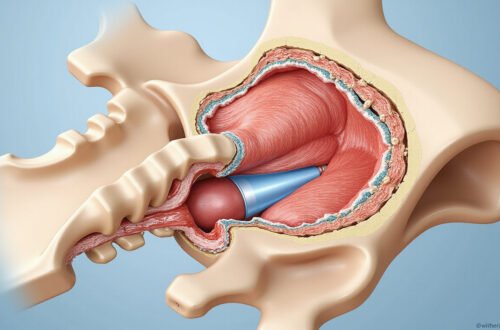
If you want rounder, stronger, sculpted glutes, you must learn how to truly activate your gluteus maximus—not just “feel the burn” in random leg exercises. The gluteus maximus is the largest muscle in your butt and one of the most powerful muscles in your entire body. When it’s firing properly, you lift heavier, move better, and shape your lower body more effectively.
This guide walks you through practical, science-backed activation hacks so you can finally feel your glutes doing the work—and see the results.
Why the Gluteus Maximus Matters So Much
The gluteus maximus is the primary hip extensor—meaning it’s responsible for driving your hip backward, as in standing up from a squat, climbing stairs, or sprinting. It also contributes to hip external rotation and abduction (moving your leg out and slightly turning it outward).
When your gluteus maximus is strong and active, you get:
- More power in squats, deadlifts, and athletic movements
- Better hip stability and injury resistance
- Improved posture and reduced lower back strain
- A fuller, higher, more sculpted butt
On the flip side, “sleepy” glutes can lead to overworked hamstrings, tight hip flexors, knee pain, and low back issues (source: American Council on Exercise).
Common Reasons Your Glutes Aren’t Firing
Before jumping into activation hacks, it helps to understand why the gluteus maximus often fails to pull its weight.
1. Too much sitting
Long hours in a chair shorten the hip flexors and place the glute muscles in a lengthened, less active position. Over time, your brain gets better at using other muscles instead.
2. Dominant quads and lower back
If your training is heavily quad-focused (tons of squats and leg presses without intentional glute work), or you “muscle” movements with your lower back, the glutes never get top billing.
3. Poor mind-muscle connection
If you rush through reps without control, your body will recruit whatever muscles are most “ready,” which might not be your gluteus maximus.
4. Limited hip mobility
Tight hip flexors or restricted internal/external rotation can make it harder to reach positions where the glutes can fully contract.
Activation Hack #1: Start Every Lower-Body Workout With Glute Primers
Think of glute activation drills as a wake-up call for your gluteus maximus. Do them at the start of your workout to ensure your glutes are switched on before heavy lifts.
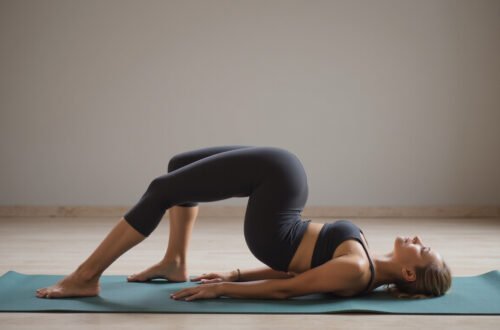
A. Glute Bridge (Bodyweight)
- Lie on your back, knees bent, feet flat hip-width apart.
- Tilt your pelvis slightly toward your ribs (flatten your lower back).
- Drive through your heels and squeeze your glutes to lift your hips.
- Pause 1–2 seconds at the top, then lower with control.
Form cues to emphasize the gluteus maximus:
- Think “tuck tail slightly and squeeze butt cheeks together.”
- Don’t overarch your lower back—if you feel your spine, not your glutes, reset.
Sets/Reps: 2–3 sets of 12–15 reps.
B. Banded Lateral Walks
- Place a mini-band above your knees or around your ankles.
- Hinge slightly at the hips, soft bend in the knees.
- Step sideways, keeping tension on the band and feet pointed straight ahead.
- Keep your hips level—avoid bouncing or leaning.
Sets/Reps: 2 sets of 10–15 steps each direction.
C. Quadruped (All-Fours) Hip Extensions
- On hands and knees, spine neutral.
- Keep knee bent at 90°, drive your heel toward the ceiling.
- Avoid twisting your pelvis or arching your back.
Sets/Reps: 2 sets of 10–12 reps per side, slow and controlled.
These drills don’t need to exhaust you; they just need to light up your gluteus maximus so it participates more in your main lifts.
Activation Hack #2: Use Mind-Muscle Connection and Tempo
How you do an exercise often matters more than which exercise you choose.
Slow Down the Eccentric
On movements like squats, hip thrusts, and deadlifts, slow the lowering phase to 2–3 seconds. This gives your nervous system more time to feel and control the glutes.
Squeeze Hard at Peak Contraction
At the top of hip thrusts, bridges, and step-ups:
- Pause for 1–2 seconds.
- Visualize your gluteus maximus wrapping around your hip joint.
- Actively “crush a coin” between your butt cheeks.
This intentional squeeze reinforces glute recruitment instead of letting the lower back or hamstrings dominate.
Reduce the Load Temporarily
If you’re not feeling your glutes, lighten the weight. Use a challenging load you can control with perfect form and a clear glute squeeze instead of just moving heavy numbers with compensation patterns.
Activation Hack #3: Choose Glute-Max-Biased Exercises
Some exercises simply hit the gluteus maximus harder than others, especially when set up correctly.
1. Barbell Hip Thrusts
- Upper back on a bench, barbell across your hips.
- Feet slightly wider than hip-width, shins vertical at the top.
- Drive through your heels and fully extend your hips.
- Keep ribs down; avoid arching the lower back.
Why it works: Hip thrusts place max tension on the glutes at full hip extension, where the gluteus maximus is heavily involved.
2. Romanian Deadlifts (RDLs)
- Hold dumbbells or barbell in front of your thighs.
- Soft knee bend, hinge your hips back, maintaining a neutral spine.
- Feel a deep stretch in your hamstrings and glutes.
- Drive hips forward and stand tall, squeezing glutes at the top.
Glute-bias tip: Think about pushing the floor away with your heels and “pulling” your hips through with your glutes—not just standing up.
3. Bulgarian Split Squats
- Back foot elevated on a bench or step.
- Front foot far enough forward so your knee tracks over mid-foot.
- Drop straight down, torso slightly leaned forward.
- Push through the front heel to stand and squeeze the front-side glute.
Leaning slightly forward increases hip flexion and makes the gluteus maximus work harder through the movement.
4. Step-Ups (Hip-Dominant)
- Use a box/bench about knee height.
- Step up with one foot fully on the box, lean slightly forward.
- Drive through your heel and avoid pushing off your back foot.
- Control the way down.
Focus on one leg doing all the work; this unilateral emphasis helps ensure the glutes are firing.
Activation Hack #4: Optimize Foot and Hip Positioning
Small stance tweaks can dramatically influence how much your gluteus maximus is engaged.
Stance Width and Toe Angle
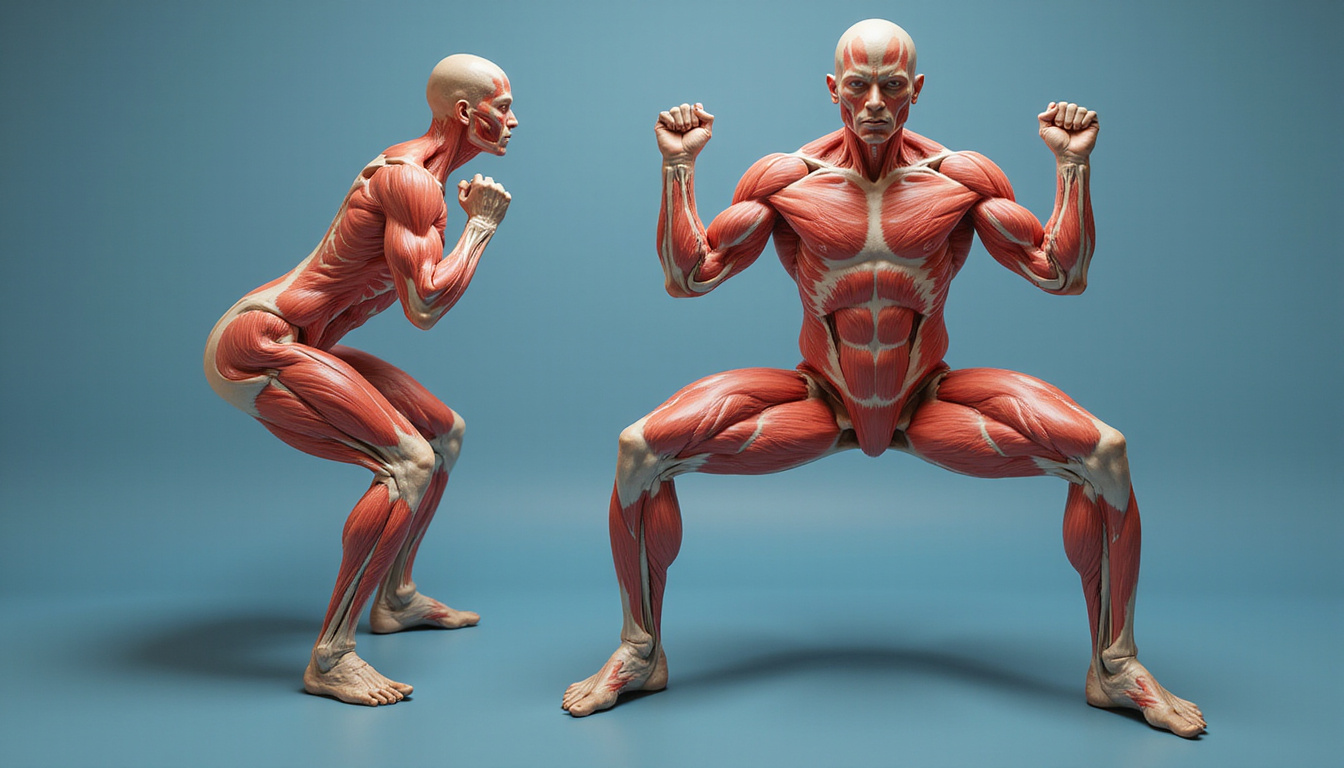
- Hip thrusts and bridges: Slightly wider than hip-width stance, toes slightly turned out can help many lifters feel more glute engagement.
- Squats: A shoulder-width to slightly wider stance with mild toe-out often lets the hips open and glutes contribute more, especially when you sit “back and down,” not just straight down.
Experiment within a comfortable range—no pain, no forced positions.
Use the “Spread the Floor” Cue
On squats, leg presses, and hip thrusts:
- Imagine you’re trying to rip the floor apart by driving your feet outward (without actually moving them).
- This cue promotes external rotation, a key function of the gluteus maximus, leading to greater activation.
Activation Hack #5: Fix the Front Side—Open Up Hip Flexors
Tight hip flexors can limit how strongly the glutes can contract. Pair glute activation with hip-flexor mobility.
Half-Kneeling Hip Flexor Stretch
- Kneel on one knee, other foot in front.
- Tuck your tailbone slightly under (posterior tilt).
- Gently shift hips forward until you feel a stretch in the front of the hip.
- Hold 20–30 seconds, then switch sides.
Do 1–2 sets per side before your lower-body sessions. Avoid over-arching your lower back—keep ribs stacked over hips.
Active Mobility: Leg Swings
- Stand next to a wall for balance.
- Swing one leg forward and backward in a controlled arc.
- Aim for 10–15 reps per leg, keeping torso stable.
By loosening the front of your hips, you give your gluteus maximus more room to extend and fully contract.
Activation Hack #6: Program for Frequency and Progression
Glute growth and strength come from consistent, progressively challenging work—not random “burner” workouts.
Weekly Structure Example
Aim to target your gluteus maximus 2–3 times per week:
Day 1 – Heavy/Strength Focus
- Barbell hip thrusts
- Romanian deadlifts
- Bulgarian split squats
Day 2 – Volume & Isolation
- Single-leg hip thrusts or glute bridges
- Cable pull-throughs
- Banded lateral walks and kickbacks
Day 3 – Mixed Stimulus (Optional)
- Squats or leg presses (glute-biased)
- Step-ups
- Hip abduction work (band or machine)
Progressive Overload Principles
Progress one or more of these over time:
- Load (heavier weights with good form)
- Volume (more sets/reps)
- Range of motion (deeper, controlled movement)
- Tempo (slower lowers, longer holds at the top)
Tracking your weights and reps helps ensure your gluteus maximus is getting a gradually increasing challenge, which is essential for sculpting and strength.
Activation Hack #7: Clean Up Recovery and Daily Habits
Training is only half the equation. Your lifestyle affects how well your glutes function and grow.
- Break up long sitting periods. Stand up, walk, or perform 10–15 bodyweight hip hinges or glute squeezes every 60–90 minutes.
- Sleep enough. Muscles grow and repair during sleep; aim for 7–9 hours per night.
- Eat for recovery. Get adequate protein and overall calories to support muscle building.
- Mind posture. Standing and walking with a neutral pelvis and tall posture can reduce overreliance on your lower back and hips flexors.
Simple daily glute squeezes—standing or sitting, 3–5 sets of 10–20 gentle max contractions—can help keep your gluteus maximus “online” even outside the gym.
Sample Glute Activation & Training Circuit
Here’s a quick template you can plug into your routine 2–3 times per week:
-
Glute Activation (Warm-Up)
- Glute bridges – 2 × 15
- Banded lateral walks – 2 × 12 steps each way
- Quadruped hip extensions – 2 × 10/leg
-
Strength Block
- Barbell hip thrusts – 3–4 × 6–10
- Romanian deadlifts – 3 × 8–10
-
Accessory Block
- Bulgarian split squats – 3 × 8–12/leg
- Step-ups – 3 × 10/leg
-
Finisher (Optional)
- Banded glute bridges – 2 × 20 (short rest)
Focus on quality reps, strong hip extension, and peak glute contraction each set.
FAQ: Gluteus Maximus Training and Activation
Q1: How often should I train my gluteus maximus for best results?
Most people see solid progress training their gluteus maximus 2–3 times per week, with at least one day of rest between intense sessions. This frequency balances the need for stimulus with enough recovery for muscle growth.
Q2: Why do I feel my quads and hamstrings more than my glutes during glute exercises?
This usually comes down to technique, load selection, and poor glute activation. If your setup isn’t hip-dominant (e.g., knees traveling too far forward, torso too upright, or excessive lower-back arching), the quads and hamstrings can take over. Start with lighter weights, use activation drills, and emphasize slow eccentrics and hard glute squeezes to shift the work back to the gluteus maximus.
Q3: Can I build a rounder butt without heavy weights if I focus on gluteus maximus exercises?
Yes, you can grow and sculpt your glutes with bodyweight and bands if you apply progressive overload—more reps, more sets, slower tempo, longer holds, and progressively harder variations. That said, over time, adding external load (like dumbbells or a barbell) makes it easier to continue challenging the gluteus maximus and often leads to faster results.
Turn Glute Activation Into Glute Transformation
You don’t need endless “booty workouts” or random online routines. You need targeted, consistent engagement of your gluteus maximus with smart activation, technique, and progression.
Start by layering in the hacks above: pre-workout glute primers, glute-biased exercises, stance tweaks, hip-flexor mobility, and structured weekly programming. Then track your progress and refine as you go.
If you’re ready to transform your glutes from underactive to undeniably strong and sculpted, build your next 8–12 weeks of training around these principles—and commit. Your gluteus maximus will respond.