Gluteus Minimus Secrets: Unlock Stronger Hips and Pain-Free Movement
If your hips feel stiff, your lower back is cranky, or your knees complain during walks or workouts, your gluteus minimus may be quietly involved. This small but powerful hip muscle rarely gets attention, yet it plays a major role in hip stability, walking mechanics, and pain-free movement. Unlocking its potential can dramatically change how you move, perform, and feel day to day.
In this guide, you’ll learn what the gluteus minimus does, how to tell if it’s weak or tight, and the best ways to strengthen, stretch, and protect it for long-term hip health.
What Is the Gluteus Minimus and Why Does It Matter?
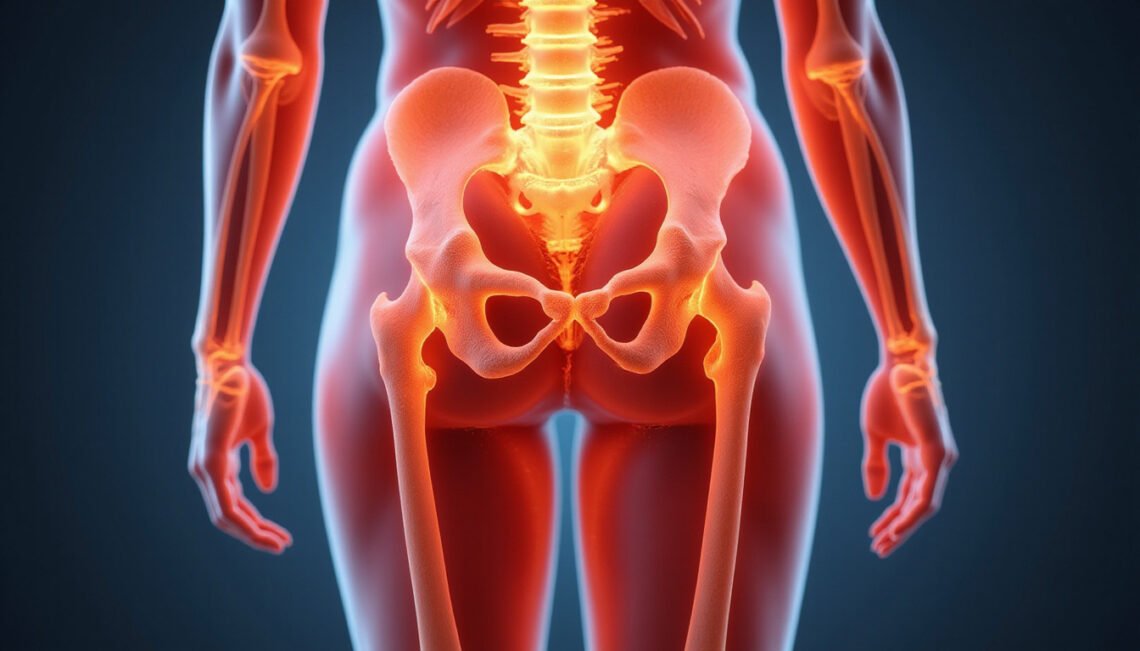
The gluteus minimus is the smallest of the three main glute muscles (gluteus maximus, gluteus medius, gluteus minimus). It sits deep beneath the gluteus medius on the side of your hip, attaching from the outer surface of the ilium (hip bone) to the greater trochanter of the femur (top of the thigh bone).
Main functions of the gluteus minimus
The gluteus minimus helps to:
- Abduct the hip – move your leg out to the side.
- Stabilize the pelvis – especially when you’re standing on one leg (walking, running, climbing stairs).
- Assist hip internal rotation – turning your thigh inward slightly.
- Support the hip joint – it helps center the femoral head in the socket for smooth motion.
In everyday life, your gluteus minimus works every time you:
- Take a step.
- Stand on one leg to put on pants or shoes.
- Go up or down stairs.
- Shift weight from one leg to the other.
When it’s strong and well-coordinated, your hips feel stable, your gait is smooth, and your knees and lower back are better protected.
Common Problems When the Gluteus Minimus Fails
Because the gluteus minimus sits deep and doesn’t “burn” like big muscles during workouts, it’s often overlooked. But when it becomes weak, tight, or irritated, several issues can appear.
Signs your gluteus minimus might be weak
- Hip drop when walking (Trendelenburg gait): your hip on the non-weight-bearing side drops when you step.
- Knee cave-in during squats, lunges, or running.
- Wobbling or instability when standing on one leg.
- Fatigue or heaviness in the hips during longer walks or runs.
Pain patterns linked to the gluteus minimus
Trigger points or irritation in the gluteus minimus can cause:
- Achy or sharp pain on the side of the hip.
- Pain radiating down the outer thigh, sometimes toward the knee.
- Discomfort when lying on the affected side.
- Pain that worsens with walking, stairs, or prolonged standing.
These symptoms are often confused with sciatica, greater trochanteric pain syndrome, or general “hip bursitis.” Research has shown that gluteal tendinopathies and lateral hip pain are frequently linked with dysfunction of gluteus medius and minimus (source: British Journal of Sports Medicine).
Why the Gluteus Minimus Becomes Weak or Overloaded
Understanding why this muscle struggles helps you fix the root cause, not just the symptoms.
Sedentary lifestyles
Sitting for long hours shifts your weight backward and reduces the demand on the gluteus minimus. Over time, you can experience:
- Decreased neuromuscular activation (your brain “forgets” how to recruit the muscle).
- Stiff hip flexors, which alter hip mechanics and overload other structures.
Poor movement patterns
- Knee valgus (knees collapsing inward).
- Over-reliance on quadriceps and lower back instead of glutes.
- Lack of single-leg stability in training.
These patterns cause the gluteus medius and minimus to underperform, weakening them while surrounding tissues take the brunt of the load.
Overuse without strength
Runners, dancers, and hikers often log many miles or hours without targeted hip strengthening. The gluteus minimus is forced to work harder than it’s conditioned for, leading to irritation, tightness, and pain.
How to Assess Your Gluteus Minimus Function at Home
This isn’t a replacement for a professional exam, but simple checks can reveal if your gluteus minimus needs attention.
1. Single-leg stance test
- Stand barefoot near a wall or counter for support if needed.
- Lift one foot slightly off the ground and hold for 30 seconds.
- Watch in a mirror or have someone observe from behind.
What to look for:
- Does your pelvis drop on the non-standing side?
- Do you wobble excessively or have to put the foot down?
- Does your knee collapse inward?
If yes, your hip abductors—especially gluteus medius and minimus—likely need strengthening.
2. Side-lying hip abduction
- Lie on your side, bottom leg bent, top leg straight.
- Lift the top leg straight up 30–45 degrees and lower slowly.
- Repeat 10–15 times.
Red flags:
- Burning fatigue much sooner on one side.
- Cramping or pain on the outside of the hip.
- Need to swing the leg instead of a controlled lift.
Best Gluteus Minimus Exercises for Strength and Stability
Training the gluteus minimus is about quality of movement and progressive loading. Start with basic activation, then build to more challenging single-leg and dynamic patterns.
1. Side-lying hip abduction (foundation drill)
- Lie on your side, bottom leg bent, top leg straight in line with the body.
- Slightly rotate the top foot downward (to avoid overusing the TFL).
- Lift the top leg slowly 30–45 degrees, then lower with control.
Perform 2–3 sets of 12–15 reps per side.
Coaching cues:
- Don’t twist your pelvis backward.
- Focus on feeling the side of your hip, not your thigh.
2. Clamshells (with progression)
- Lie on your side, hips and knees bent ~90 degrees, heels together.
- Keep feet touching and open your top knee like a clamshell.
- Avoid rolling your pelvis backward.
Progression: add a resistance band above the knees.
Perform 2–3 sets of 12–20 reps.
3. Banded lateral walks
- Place a mini-band around your ankles or just above the knees.
- Slightly bend hips and knees into an athletic stance.
- Step sideways, maintaining band tension, then bring the trailing foot in without letting knees cave.
Walk 10–15 steps each direction for 2–3 rounds.
Focus on controlled, small steps so the gluteus minimus stays engaged.
4. Single-leg Romanian deadlift (SL RDL)
- Stand on one leg, slight knee bend.
- Hinge at the hips, sending your non-stance leg back as your torso leans forward.
- Keep hips square; don’t let the pelvis rotate or drop.
Start bodyweight; progress to holding a dumbbell or kettlebell.
Perform 2–3 sets of 8–10 reps per leg.
This builds powerful hip stability and challenges the gluteus minimus to keep the pelvis level.
5. Step-ups with hip control
- Use a bench or step at or just below knee height.
- Place one foot on the step, drive through the heel to stand tall.
- At the top, avoid letting the opposite hip sag—think “tall and level”.
- Lower with control.
Perform 2–3 sets of 8–12 reps per side.
A Simple Weekly Plan to Target the Gluteus Minimus
You can blend these drills into your existing routine. Here’s a sample structure:
2–3 days per week
-
Activation
- Clamshells – 2 x 15 each side
- Side-lying hip abduction – 2 x 12 each side
-
Strength
- Banded lateral walks – 2 x 10–15 steps each direction
- Step-ups – 3 x 8–10 per leg
- Single-leg RDL – 3 x 8 per leg
-
Movement prep
- Use 1–2 of these exercises as a warm-up before running, lower-body lifting, or sports.
As strength improves, gradually increase resistance, range of motion, and time spent on single-leg work.
Don’t Forget Mobility: Stretching the Gluteus Minimus
A strong gluteus minimus still needs good length and tissue quality to work efficiently.
Figure-4 glute stretch
- Lie on your back.
- Cross one ankle over the opposite knee.
- Thread your hands through to grab the back of the thigh and gently pull toward your chest.
- Hold 20–30 seconds, repeat 2–3 times.
You’ll feel this in the outer hip and buttock.
Seated hip stretch
- Sit upright on a chair.
- Cross one ankle over the opposite knee.
- Gently lean forward from your hips while keeping your back straight.
- Hold 20–30 seconds, repeat 2–3 times.
Gentle self-massage
Use a small ball (lacrosse or tennis):
- Sit or lie on your side.
- Place the ball at the side/back of the hip (not directly on bone).
- Gently roll or hold pressure on tight spots for 30–60 seconds.
Avoid aggressive pressure that reproduces sharp or radiating pain.
Everyday Habits to Protect Your Gluteus Minimus
Strength and stretching matter, but your daily habits shape how this muscle functions long-term.
1. Break up sitting time
- Stand or walk for 2–3 minutes every 30–45 minutes.
- Use walking meetings, standing desks, or short stretch breaks.
2. Train in single-leg positions
- Incorporate lunges, split squats, and single-leg balance drills into your workouts.
- Focus on knee alignment and hip stability, not just pushing heavy weights.
3. Watch your walking and running form
- Aim for a quiet, smooth gait.
- Avoid excessive side-to-side trunk lean.
- Strengthen your hips and core to support better mechanics rather than forcing an artificial stride.
FAQ: Gluteus Minimus and Hip Health
1. What causes gluteus minimus pain?
Gluteus minimus pain often comes from a combination of weakness, overuse, and poor movement mechanics. Repetitive activities like running or climbing stairs without adequate hip strength can irritate the tendon and trigger points in the muscle, leading to pain on the side of the hip and outer thigh.
2. How do I quickly strengthen my gluteus medius and minimus?
Start with targeted exercises such as clamshells, side-lying hip abductions, and banded lateral walks 2–3 times per week. Then progress to single-leg movements like step-ups and single-leg deadlifts. Consistent practice over 4–8 weeks can significantly improve strength and hip stability.
3. Can gluteus minimus dysfunction cause knee or back pain?
Yes. When the gluteus minimus and medius don’t stabilize the pelvis effectively, your knees may collapse inward and your lower back may compensate for poor hip control. Over time, this can contribute to knee strain, IT band issues, and lower back discomfort. Improving gluteus minimus strength and endurance often reduces stress on these areas.
Unlock Your Gluteus Minimus for Stronger, Pain-Free Hips
Your gluteus minimus may be small, but its impact on how you walk, run, lift, and move every day is huge. When it’s weak, your hips feel unstable, and pain can show up in surprising places. When it’s strong, coordinated, and mobile, everything from climbing stairs to hitting personal records in the gym becomes easier and more comfortable.
Start today by adding just a few focused exercises—clamshells, side-lying abductions, and banded lateral walks—to your weekly routine. Build up to single-leg strength moves and maintain your mobility with simple stretches. If you’re dealing with persistent hip, thigh, or knee pain, consider working with a physical therapist or qualified movement professional to assess your gluteus minimus and create a personalized plan.
Don’t wait for pain to force you to pay attention to your hips. Take proactive control now, unlock the full power of your gluteus minimus, and move with confidence, strength, and ease for years to come.