Introduction: what heat therapy does and why it works
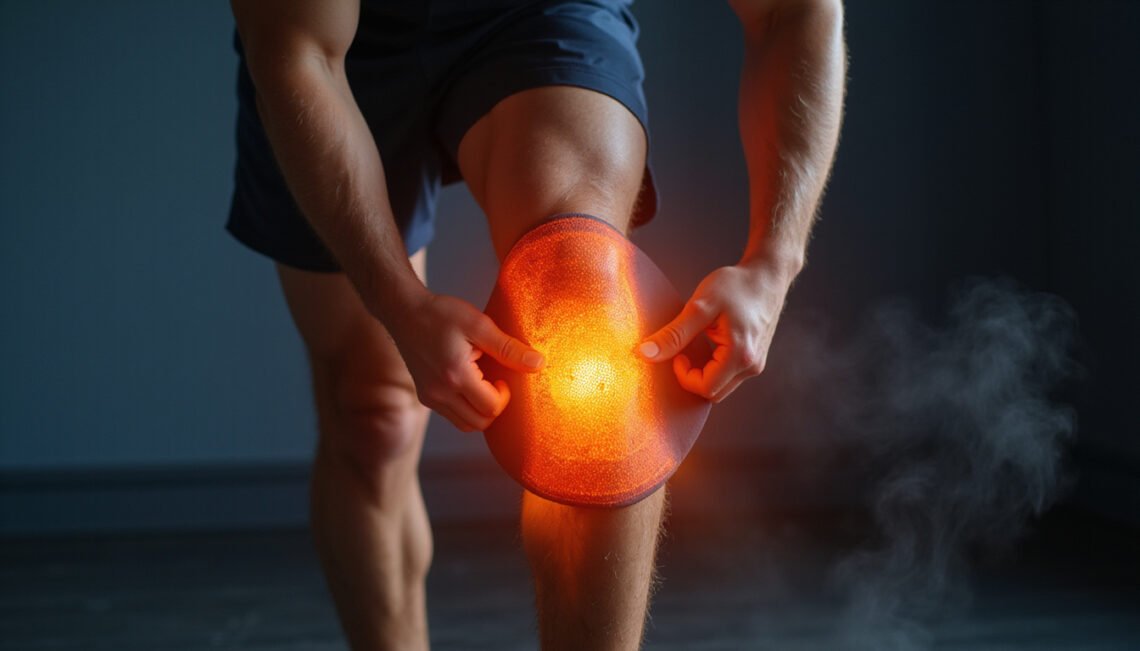
Heat therapy is a simple, evidence-based way to reduce pain, loosen tight muscles, and speed recovery after exercise or minor injury. By increasing blood flow, relaxing muscle fibers, and easing stiffness, heat can help you move more comfortably and support the body’s natural healing processes. This guide explains when to use heat therapy, how to apply it safely, and how to combine it with other treatments for the best results.
How heat therapy helps the body
Applying warmth to a sore area does three important things:
- Dilates blood vessels, improving circulation and delivering more oxygen and nutrients to tissues.
- Reduces muscle tension, helping tight fibers relax and spasms subside.
- Dulls pain signals and increases tissue elasticity, which can improve range of motion.
These mechanisms explain why heat therapy often feels comforting and effective for chronic aches (like arthritis or long-standing back pain), stiff muscles, and post-exercise tightness.
Types of heat therapy: dry vs. moist, superficial vs. deep
Not all heat is the same. Choose the right type based on your condition:
- Dry heat: Electric heating pads, dry heat wraps, and heat packs provide surface warmth that’s convenient and controlled.
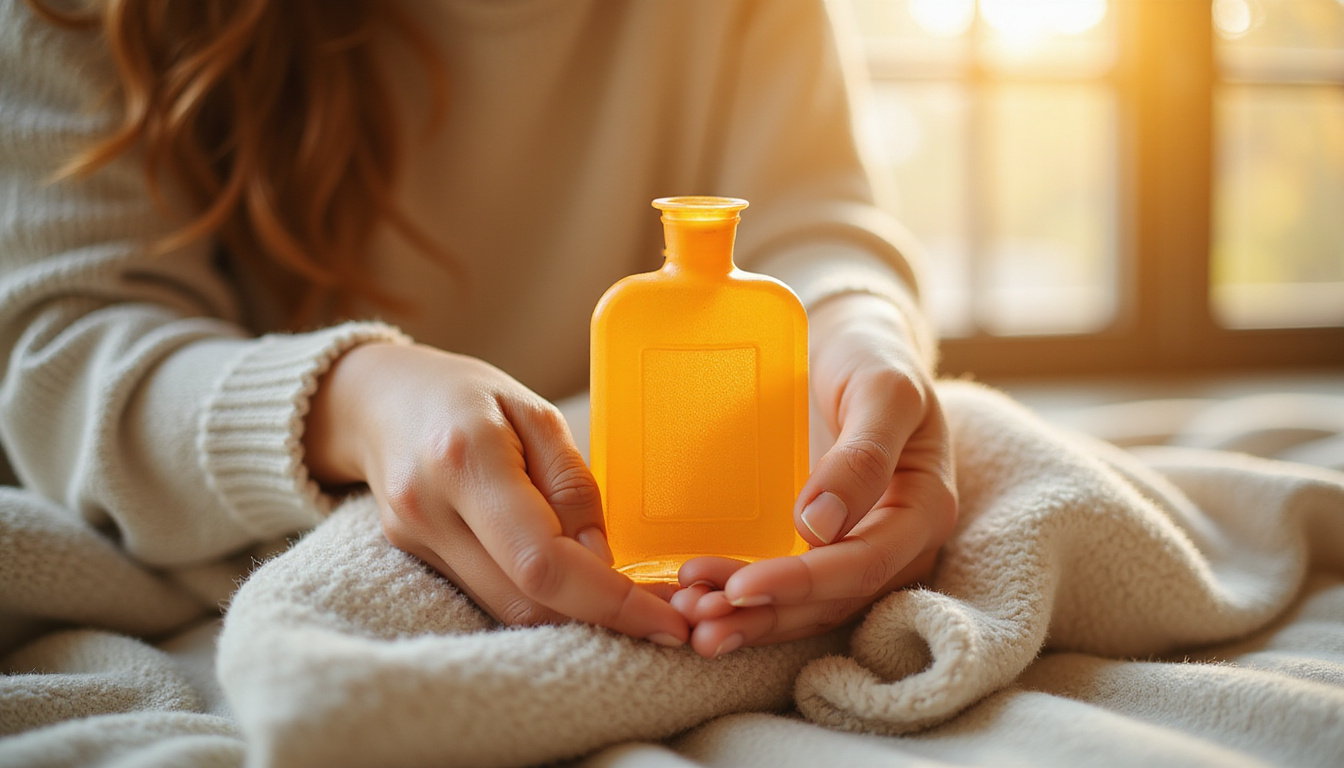
- Moist heat: Hot water bottles, steamed towels, or moist heating pads penetrate slightly deeper and are often perceived as more soothing.
- Deep heat: Therapies like ultrasound, diathermy, or deep tissue laser used by clinicians heat deeper tissues and require professional application.
For home use, moist or dry superficial heat works well for muscle tightness and chronic joint pain. For deeper or persistent problems, consult a clinician about professional deep heat options.
When to use heat therapy — timing and conditions
Knowing when to apply heat is crucial:
- Use heat therapy for chronic pain (lasting weeks to months), tight muscles, stiff joints (like arthritis), menstrual cramps, and to loosen up before stretching or activity.
- Avoid heat for new injuries within the first 48–72 hours (acute inflammation, swelling, or bruising) — cold therapy is usually preferable initially.
- Don’t apply heat to areas with decreased sensation, open wounds, or where infection is suspected.
How long and how hot: practical guidelines
Safe, effective application matters more than intense heat. Follow these general rules:
- Aim for a comfortably warm temperature — not scalding. If it’s too hot to hold, it’s too hot.
- Apply heat for 15–20 minutes at a time. Repeat every 2–3 hours as needed.
- Use a barrier (towel or thin cover) between the heat source and your skin to prevent burns.
- Check the skin regularly for excessive redness, blistering, or numbness.
A simple step-by-step routine for safe home use
- Choose your heat source (electric pad, hot water bottle, warm bath, or microwavable pack).
- Test temperature against your inner forearm before placing it on the sore area.
- Place a thin towel between the heat source and skin.
- Apply for 15–20 minutes while relaxing; avoid falling asleep with an active heating pad.
- Remove and allow skin to cool; reapply after a couple of hours if needed.
- Stop use and seek medical advice if you notice persistent redness, numbness, or worsening pain.
Combine heat therapy with movement and other treatments
Heat therapy is most helpful when paired with gentle activity or therapeutic exercises. Warm the area for 10–15 minutes to loosen tissues, then perform range-of-motion and strengthening exercises your clinician recommends. For flare-ups, alternate heat with gentle stretching, massage, or topical analgesics if appropriate. Heat is often complementary to physical therapy and can increase tolerance for exercise-based rehab.
Common uses: back pain, neck pain, arthritis, cramps, and sports recovery
- Low back pain: A 15–20 minute heating pad session before gentle movement can ease stiffness and improve mobility.
- Neck and shoulder tightness: Moist heat from a warm shower or steamed towel helps relax trigger points.
- Osteoarthritis: Regular, moderate heat can reduce morning stiffness and improve function.
- Menstrual cramps: A warm patch or hot water bottle over the lower abdomen is an effective, low-risk option.
- Post-exercise soreness: Heat can be useful after the acute inflammatory period to relieve tight, aching muscles.
When to avoid heat therapy and safety tips
Heat can worsen swelling or bleeding in recent injuries. Avoid heat if you have:
- Acute injury with swelling or bruising (use cold instead).
- Reduced skin sensation (diabetes-related neuropathy) — you may not feel burns.
- Circulation problems, open wounds, or skin infections.
- Use caution with topical analgesics that create heat sensations; avoid combining with high heat sources.
If in doubt, consult a clinician. The Mayo Clinic provides helpful safety and usage information for heat and cold treatments (source).
Practical equipment: what to buy and how to care for it
Consider these options for home heat therapy:
- Electric heating pads with automatic shutoff for safety.
- Microwavable gel packs or rice packs for moist/dry heat.
- Hot water bottles with secure lids.
- Reusable heat wraps designed for lower back or joints.
Keep devices clean, follow manufacturer instructions, and replace packs when they leak or show wear.
Quick checklist: when to use heat therapy
- Chronic soreness or stiffness: Yes
- Acute injury with swelling: No (use cold)
- To warm up before exercise: Yes, 10–15 minutes
- To reduce swelling or bleeding: No
- For menstrual cramps: Yes
Evidence snapshot and professional guidance
Research supports heat therapy for short-term relief of musculoskeletal pain and improved function in conditions like low back pain and osteoarthritis. Clinical resources recommend combining heat with exercise and other modalities for longer-lasting benefits. For specific medical advice, trusted sources such as the Mayo Clinic offer practical guidance on safe home use (source).
FAQ — short Q&A using keyword variations
Q: What is heat therapy and how does it work?
A: Heat therapy (also called thermotherapy) uses warmth to increase blood flow, relax muscles, and decrease stiffness. It’s effective for chronic muscle pain, stiff joints, and menstrual cramps, but not for acute swollen injuries.
Q: How long should I use heat therapy for muscle pain?
A: Use a comfortably warm application for 15–20 minutes at a time, repeating every 2–3 hours as needed. Always place a thin barrier between the heat source and skin and avoid falling asleep with electric pads.
Q: Can heat therapy help back pain and when should I avoid it?
A: Yes, heat therapy can relieve chronic low back pain and stiffness and is useful before stretching. Avoid heat after a sudden injury with swelling or if you have numbness or poor circulation.
When to seek medical attention
If pain is severe, persistent, or accompanied by fever, numbness, weakness, or unexplained swelling, see a healthcare provider. Heat might mask symptoms temporarily but won’t treat underlying serious conditions that need medical evaluation.
Real-world tips from patients and clinicians
- Heat before activity, cold after acute injury: Many people find the combination helps both prepare tissues and manage inflammation.
- Use moist heat for deeper comfort: A steamed towel or warm bath often feels more penetrating than a dry pad.
- Keep a routine: For chronic pain such as osteoarthritis, a consistent pre-activity warm-up with heat plus gentle exercises can improve daily function.
Conclusion and call to action
Heat therapy is an accessible, low-cost tool that can reduce pain, loosen tight muscles, and support recovery when used correctly. Start with safe, short sessions of 15–20 minutes using a reliable heat source and a barrier to protect your skin. Combine warmth with gentle movement or the exercises recommended by your clinician for better, longer-lasting results. If you’re unsure which type of heat or routine is best for your condition, schedule a consultation with your healthcare provider or physical therapist to create a personalized plan — then try a guided heat routine for two weeks and notice how your pain and mobility change.