Using a heating pad seems simple: plug it in, turn it on, and feel the warmth. But there are many lesser-known ways to use a heating pad that can dramatically improve pain relief, speed recovery, and even prevent future flare-ups—when you know what you’re doing. This guide explains how to get more from your heating pad safely and effectively, based on pain science and physical therapy principles.
How Heat Actually Helps Pain
Before trying any “tricks,” it helps to understand what a heating pad does inside your body.
Targeted heat therapy can:
- Increase blood flow to the area
- Relax tight muscles and fascia
- Improve joint flexibility
- Reduce pain signals by “distracting” the nervous system
- Help tissue recover from minor strain or overuse
Research supports using superficial heat (like a heating pad) for conditions such as low back pain, muscle soreness, and stiffness (source: Mayo Clinic).
The key is using heat in the right way, at the right time, and on the right conditions.
Trick #1: Use Moist Heat, Not Just Dry Heat
Most people use their heating pad dry, directly over clothing. You’ll get better, deeper relief with moist heat.
Why it works: Moist heat penetrates tissues more effectively than dry heat, delivering warmth deeper into muscles and joints. That’s why physical therapy clinics often use moist hot packs.
How to do it at home:
- Lightly dampen a small hand towel (not dripping wet).
- Place it between your skin and the heating pad.
- Use a low to medium setting for 15–20 minutes.
For sensitive skin, keep the towel thicker and check the area every few minutes to avoid overheating.
Trick #2: Time Heat Therapy Around Your Day
A heating pad is more useful when you apply it strategically, instead of just when the pain is unbearable.
Try using your heating pad:
- Morning: To loosen stiff joints or a tight lower back before getting out of bed.
- Before activity: 10–15 minutes of heat before exercise, chores, or work can improve flexibility and reduce the risk of flare-ups.
- Evening: To relax tight muscles after a long day of sitting, standing, or repetitive motion.
Heat is especially helpful before movement; it prepares muscles and tissues for stretching or exercise.
Trick #3: Combine Heat With Gentle Movement
Your heating pad shouldn’t replace movement—use it to make movement easier.
For example:
- Apply heat to your lower back for 15 minutes.
- Immediately follow with gentle stretches (pelvic tilts, knee-to-chest, cat-cow).
- Walk for 5–10 minutes if you can.
This combination can:
- Improve range of motion
- Reduce stiffness
- “Retrain” your nervous system to move without as much pain
Think of the heating pad as your warm-up tool, not just a pain crutch.
Trick #4: Layer Heat With Targeted Pressure
Many muscle-related pains come from tight “knots” or trigger points. Heat plus gentle pressure can be more effective than either alone.
How to use this strategy:
- Place your heating pad over the sore muscle (neck, shoulder, glutes, etc.) for 10–15 minutes.
- After the muscles feel warmer and looser, use:
- A massage ball or tennis ball against the wall or floor, or
- Your fingers or a massage tool
- Apply slow, gentle pressure to the tight spots for 30–60 seconds each.
The heat softens the tissue, and the pressure helps release tension and improve circulation.
Trick #5: Use a Heating Pad for Stress-Related Pain
Not all pain comes from injury. Stress and anxiety often show up as muscle tension and headaches. Strategic heat can calm your nervous system as well as your muscles.
Try these calming placements:
- Upper back and shoulders: For tension from desk work and stress.
- Neck and base of skull: For certain tension headaches (avoid direct heat on the front of the neck).
- Across the mid-back or chest (front of body): Use low heat only and avoid the heart area if you have cardiac concerns—ask your doctor first.
Pair the heating pad with slow breathing (4 seconds in, 6 seconds out) to help lower overall tension and reduce pain perception.
Trick #6: Alternate Heat and Cold for Flare-Ups
You’ve probably heard: “Ice for the first 48 hours, then heat.” That’s a rough guideline, not a law.
For some muscular and joint pains, alternating a heating pad with cold packs can be very effective:
Contrast therapy example:
- 10 minutes of heat
- 10 minutes of cold pack
- Repeat 2–3 cycles
This can help:
- Reduce inflammation (from the cold)
- Improve circulation and nutrient delivery (from the heat)
- Soothe muscle spasms
If cold worsens your pain or you have circulation problems, stick with gentle heat and talk with a professional.
Trick #7: Pre-Warm Before Sleep, Don’t Sleep on the Heat
Many people fall asleep directly on a heating pad, which is one of the biggest risks for burns and skin damage.

A safer and more effective approach:
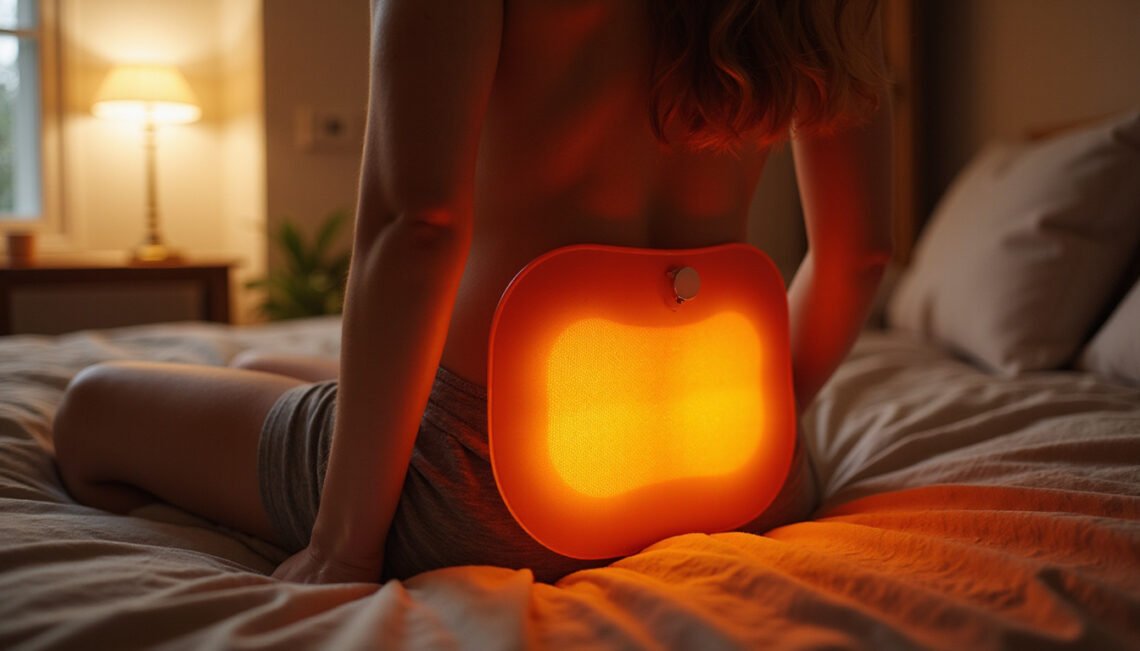
- Use your heating pad on your back, hips, or neck for 15–20 minutes before bed.
- Turn it off and remove it from the bed.
- Then lie down—your muscles are already relaxed and warm.
If you must use it in bed, choose a model with:
- An automatic shutoff (usually 20–60 minutes)
- Multiple heat settings
- A soft, washable cover
Never use a heating pad on high while sleeping or when you’re very drowsy.
Trick #8: Use the Right Temperature and Duration
More heat is not always better. Excessive heat or time can increase inflammation and make pain worse.
Safe guidelines for most adults:
- Temperature: Low to medium is usually enough. You should feel comfortably warm, not hot.
- Duration: 15–20 minutes per session, up to a few times per day.
- Skin checks: Look at the skin every 5–10 minutes. It should be pink, not red or blotchy.
If you have reduced sensation (diabetes, nerve damage, elderly skin), be extra cautious and ask your doctor before using heat.
Trick #9: Match Pad Size to the Problem
A full-size heating pad on your whole back is soothing, but not always ideal if your pain is localized.
Consider different sizes and styles:
- Standard rectangular pad: Good for low back, abdomen, large muscle groups.
- Neck and shoulder wrap: Contoured pads are great for desk workers and tension.
- Small targeted pad: For knees, elbows, wrists, or small muscle groups.
- Microwavable wraps: Useful when you don’t want cords or an outlet.
Matching pad shape and size to the pain area improves contact and heat delivery.
Trick #10: Don’t Use a Heating Pad on These Conditions
Heat is not always appropriate. Skip or limit heating pad use and talk to a medical professional if you have:
- A suspected acute injury (fresh sprain, strain, or trauma with significant swelling and warmth)
- Open wounds, infection, or skin rashes in the area
- Severe swelling or bruising that just occurred
- Bleeding disorders or are on blood thinners and just injured the area
- Cancer in the area of pain (heat can sometimes affect blood flow to tumors)
- Circulation problems or significant neuropathy (reduced feeling)
In these situations, you might need medical evaluation, ice, or a different treatment plan.
Simple Checklist: Smarter Heating Pad Use
To get the most from your heating pad and reduce risk, follow this quick checklist:
- Use low to medium heat, not maximum.
- Limit to 15–20 minutes per session.
- Place a thin layer (cloth or damp towel) between skin and pad.
- Don’t lie directly on top of the pad with full body weight.
- Don’t use on broken skin, infections, or new injuries without guidance.
- Combine with gentle stretching and movement afterward.
- Turn off and unplug when not in use, especially in bed.
FAQs About Heating Pads and Pain Relief
1. Is a heating pad good for back pain every day?
Using a heating pad for chronic back pain daily can be safe if you follow basic precautions: low to medium heat, 15–20 minutes, and no sleeping on it. For long-term improvement, pair your heating pad routine with strengthening, stretching, and posture changes instead of relying on heat alone.
2. Which is better for muscle pain: heating pad or ice pack?
For tight, stiff, or chronic muscle pain, a heating pad often feels better and can relax tissues. For sudden injuries with swelling (like an ankle sprain), a cold pack is usually better in the first 24–48 hours. Some people benefit from alternating heat and cold, especially for ongoing joint and muscle issues.
3. Can I use an electric heating pad for period cramps?
Yes. A heating pad on the lower abdomen or lower back can significantly ease menstrual cramps by relaxing uterine muscles and improving blood flow. Use moderate heat, limit sessions to about 20 minutes, and avoid falling asleep on the pad. Microwavable heat packs are also a good cordless option.
Using a heating pad can be far more powerful than just “something warm on the sore spot.” When you apply heat at the right time, in the right way, and combine it with movement and good habits, it becomes a meaningful part of your pain-management toolkit—not just a temporary comfort.
If you’re dealing with recurring pain—back, neck, joints, or stress-related tension—start applying these heating pad strategies over the next week. Track which tricks help you the most, and discuss your results with a healthcare provider or physical therapist to build a personalized plan. Don’t settle for random relief; use your heating pad intentionally and reclaim more comfortable, active days.