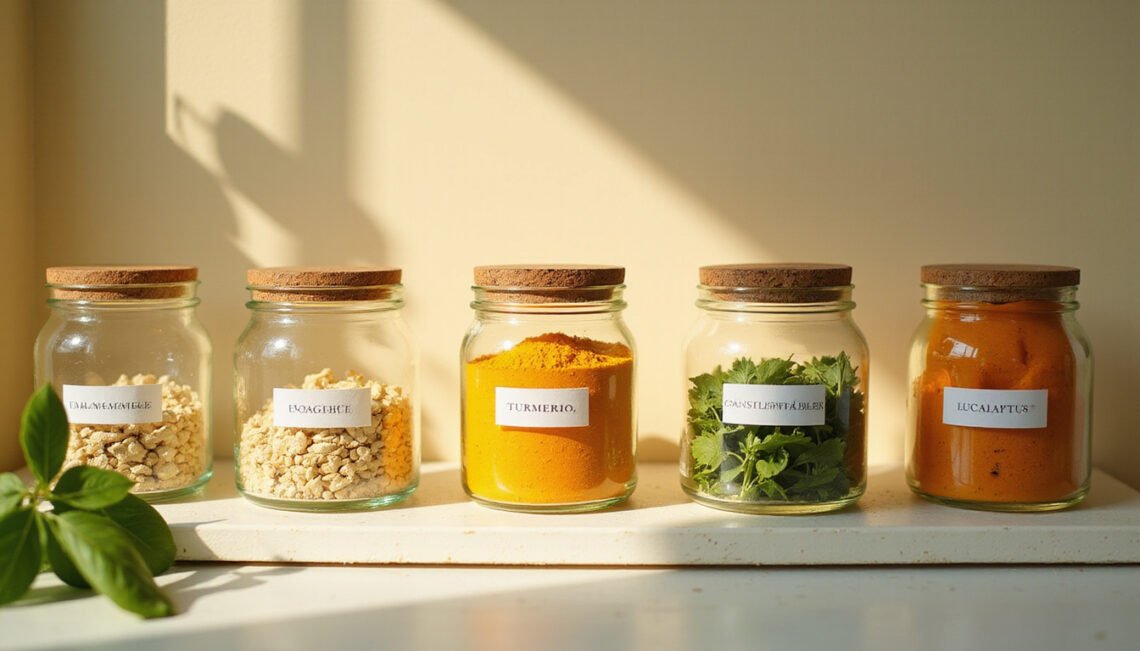
Herbal Remedies That Actually Work: Safe Natural Healing Tips
Herbal remedies have been used for thousands of years—and many of them truly do work when used correctly. Today, more people are turning to herbal remedies to complement conventional medicine, relieve everyday discomforts, and support long-term wellness in a gentler, more holistic way. The key is knowing which herbs are backed by evidence, how to use them safely, and when to seek professional care.
This guide walks you through trustworthy, research-supported herbs, safe usage tips, and practical ways to integrate natural healing into your daily life.
Why Use Herbal Remedies in the First Place?
Herbal medicine appeals to many people because it can:
- Support the body’s own healing processes
- Offer fewer side effects than some pharmaceuticals
- Address root causes rather than only symptoms
- Fit into a broader lifestyle of natural, preventive health
However, “natural” doesn’t always equal “safe” or “effective.” The most helpful herbal remedies are:
- Backed by traditional use and modern research
- Used at appropriate doses
- Chosen with your personal health conditions in mind
- Integrated alongside, not instead of, necessary medical care
Think of herbs as powerful allies—not magic bullets.
Evidence-Based Herbal Remedies for Common Issues
Below are some of the best-studied and most commonly used herbs, along with what science and traditional practice say about them.
1. Turmeric for Inflammation and Joint Pain
Turmeric (Curcuma longa) and its main active compound curcumin are known for strong anti-inflammatory and antioxidant properties.
Potential benefits:
- Mild to moderate joint pain and stiffness
- General inflammation support
- Exercise-related soreness
How to use:
- Capsules: Standardized curcumin supplements (often with black pepper extract for better absorption)
- Food: Add turmeric to curries, soups, eggs, or golden milk
Safety notes:
Generally safe in food amounts. High-dose supplements may interact with blood thinners or affect gallbladder issues. Discuss with your healthcare provider if you’re on medication.
2. Ginger for Nausea and Digestion
Ginger (Zingiber officinale) is one of the best-supported herbal remedies for various forms of nausea.
Research-backed uses include:
- Morning sickness in pregnancy (in appropriate doses)
- Motion sickness
- Post-surgery or chemotherapy-related nausea (as an adjunct)
- Indigestion and gas
How to use:
- Tea: Fresh ginger slices steeped in hot water
- Chews or capsules: Convenient for travel
- Food: Grated into stir-fries, smoothies, or soups
Safety notes:
Generally safe for most people in moderate amounts. Large doses may thin the blood and cause heartburn in some.
3. Peppermint for IBS and Headaches
Peppermint (Mentha × piperita) helps relax smooth muscle and ease digestive discomfort.
Potential benefits:
- Irritable bowel syndrome (IBS) cramping and pain (enteric-coated capsules)
- Gas and bloating
- Tension headaches (topical essential oil)
How to use:
- Peppermint tea: For mild indigestion
- Enteric-coated capsules: For IBS (these dissolve in the intestines instead of the stomach)
- Diluted essential oil: Applied to temples for tension headaches
Safety notes:
Peppermint oil should be diluted before skin application. Avoid in infants and very young children due to risk of breathing difficulties.
4. Chamomile for Sleep and Anxiety
Chamomile (Matricaria chamomilla) is a gentle, calming herb widely used for relaxation.
Potential benefits:
- Mild anxiety and stress
- Trouble falling asleep
- Digestive upset related to nervousness
How to use:
- Tea: 1–2 cups in the evening
- Extracts or capsules: For more concentrated support
Safety notes:
Avoid if you have a known allergy to plants in the daisy family (ragweed, chrysanthemums, etc.), as cross-reactivity can occur.
5. Valerian Root for Sleep Problems
Valerian (Valeriana officinalis) is a stronger calming herb often used for insomnia and restlessness.
Potential benefits:
- Difficulty falling asleep
- Light, easily disturbed sleep
- Situational anxiety
How to use:
- Capsules or tablets: Typically taken 30–60 minutes before bed
- Tincture: Liquid extract can be mixed in a small amount of water
Safety notes:
May cause grogginess or vivid dreams in some people. Avoid combining with other sedatives, alcohol, or sleep medications unless supervised by a professional.
6. Echinacea for Colds and Immune Support
Echinacea (Echinacea purpurea, among others) is often taken at the first sign of a cold.
Evidence suggests it may:
- Slightly reduce the duration or severity of colds in some people
- Support general immune function when used short-term
How to use:
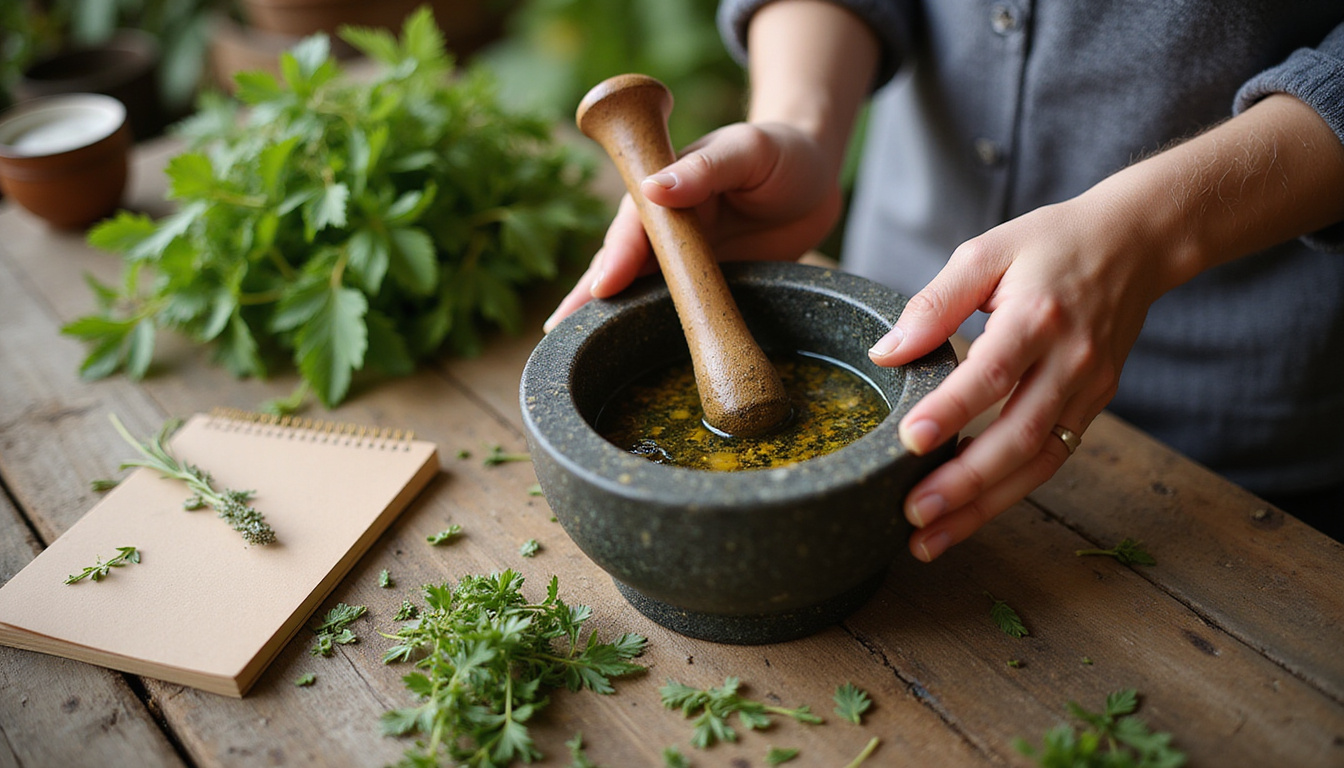
- Tincture or capsules: At the onset of cold symptoms
- Tea: For milder support and hydration
Safety notes:
Not for long-term continuous use. Avoid if you have autoimmune conditions unless guided by a practitioner.
7. St. John’s Wort for Mild to Moderate Depression
St. John’s wort (Hypericum perforatum) has good evidence for mild to moderate depression, comparable to some antidepressants in specific trials (source: National Center for Complementary and Integrative Health).
Potential benefits:
- Mild to moderate depressive symptoms
- Seasonal mood dips
How to use:
- Standardized extracts: Taken daily, often in divided doses
Critical safety notes:
- Can interact with many medications, including birth control pills, antidepressants, blood thinners, and HIV or transplant drugs
- Can increase sun sensitivity
- Should only be used under professional supervision, especially if you’re on any prescription medication or have a mental health diagnosis
8. Milk Thistle for Liver Support
Milk thistle (Silybum marianum) is traditionally used to support liver health.
Possible benefits:
- Adjunct support in certain liver conditions (under medical supervision)
- Support for those with high toxin exposure (e.g., certain medications, alcohol)
How to use:
- Standardized extract supplements: Containing silymarin, the main active component
Safety notes:
Generally well tolerated but should not replace medical care for serious liver disease.
How to Use Herbal Remedies Safely
Herbs can be powerful medicine. To use them safely and effectively, follow these principles.
Start Low and Go Slow
- Begin with the lowest effective dose
- Watch for reactions over a few days
- Increase gradually if needed and tolerated
This reduces the risk of side effects and helps you identify what truly works for you.
Know Your Form: Tea, Tincture, Capsule, or Topical?
Each form has pros and cons:
- Teas: Great for gentle, whole-body support and hydration (chamomile, peppermint, ginger)
- Tinctures (liquid extracts): Fast-acting, easy to dose precisely
- Capsules/tablets: Convenient, standardized doses (turmeric, valerian, milk thistle)
- Topicals: Creams, oils, salves for localized relief (arnica gel, peppermint oil for headaches)
Choose based on your needs, lifestyle, and any digestive issues.
Watch for Interactions and Contraindications
Some herbal remedies can:
- Change how your liver processes medications
- Increase or decrease the effect of drugs like blood thinners, antidepressants, or heart medications
- Affect blood pressure, blood sugar, or hormone balance
Always be extra cautious if you:
- Take prescription medications
- Are pregnant or breastfeeding
- Have chronic health conditions
- Are preparing for surgery
In these cases, talk to your healthcare provider or a qualified herbalist before starting anything new.
Quality Matters
Herbal quality varies widely. To choose safer products:
- Look for third-party testing (NSF, USP, ConsumerLab, or similar)
- Choose brands that list the Latin name, part of plant used, and standardized extract amounts
- Avoid proprietary blends that don’t show individual herb dosages
- Stick to reputable companies with transparent sourcing and testing
When Herbal Remedies Are Not Enough
Herbs are best used:
- As early, supportive measures for mild conditions
- Alongside lifestyle changes (sleep, nutrition, stress relief)
- In partnership with conventional care when needed
Seek prompt medical attention if you have:
- High fever, chest pain, shortness of breath
- Severe or worsening pain
- Sudden changes in vision, speech, or movement
- Suicidal thoughts or severe depression
- Symptoms that last more than a few weeks without improvement
Herbs can complement modern medicine, but they should not replace urgent or essential care.
Simple Daily Routine to Integrate Herbal Support
Here’s one way to weave herbal remedies into a healthy, low-risk routine:
-
Morning:
- Ginger or peppermint tea to gently wake digestion
- Turmeric in breakfast (smoothie, eggs, oatmeal) if you’re supporting joint health
-
Afternoon:
- Peppermint or chamomile tea for stress-related tension or bloating
- Milk thistle supplement if working on liver support (with practitioner guidance)
-
Evening:
- Chamomile tea to wind down
- Valerian (if appropriate) on nights when sleep is a problem
-
At First Sign of a Cold:
- Echinacea tincture or capsules as directed
- Plenty of fluids, rest, and nutrient-dense foods
Adjust to your personal needs, other medications, and professional guidance.
FAQ: Herbal Remedies and Natural Healing
Q1: What are the best herbal remedies for anxiety and stress?
Some commonly used herbs for stress and anxiety include chamomile, lemon balm, passionflower, and ashwagandha. Mild options like chamomile tea are usually safe for most people. Stronger herbs, such as kava or high-dose valerian, should be used cautiously and ideally with professional supervision due to side effects and potential liver concerns.
Q2: Which natural herbal remedies are good for colds and immunity?
For immune support, people often turn to echinacea, elderberry, and astragalus. Echinacea taken at the onset of symptoms may slightly shorten cold duration for some. Elderberry is popular for upper respiratory infections, while astragalus is used more for long-term immune resilience. These herbal remedies should complement, not replace, rest, hydration, and medical care when needed.
Q3: Are herbal remedies safe to use with prescription medications?
Some are, and some are not. St. John’s wort, for example, is a classic herb that can significantly reduce or alter the effects of many medications. Even gentler herbs like turmeric, ginkgo, or ginseng can affect blood thinners or blood sugar. Always check for interactions and talk to your healthcare provider or pharmacist before combining herbal medicine with prescriptions.
Take the Next Step Toward Safer Natural Healing
You don’t have to choose between modern medicine and nature. Used wisely, herbal remedies can offer real relief for everyday issues—better digestion, calmer nerves, improved sleep, and targeted support for inflammation and immunity.
Start small, choose evidence-backed herbs, pay attention to your body’s feedback, and involve your healthcare provider in the process—especially if you take medications or have chronic conditions. If you’re ready to go deeper, consider booking a session with a qualified herbalist or integrative practitioner who can tailor a plan to your unique health picture.
Begin today with one simple, well-chosen herb—such as ginger, chamomile, or turmeric—and experience how thoughtful, safe natural healing can support your long-term wellbeing.