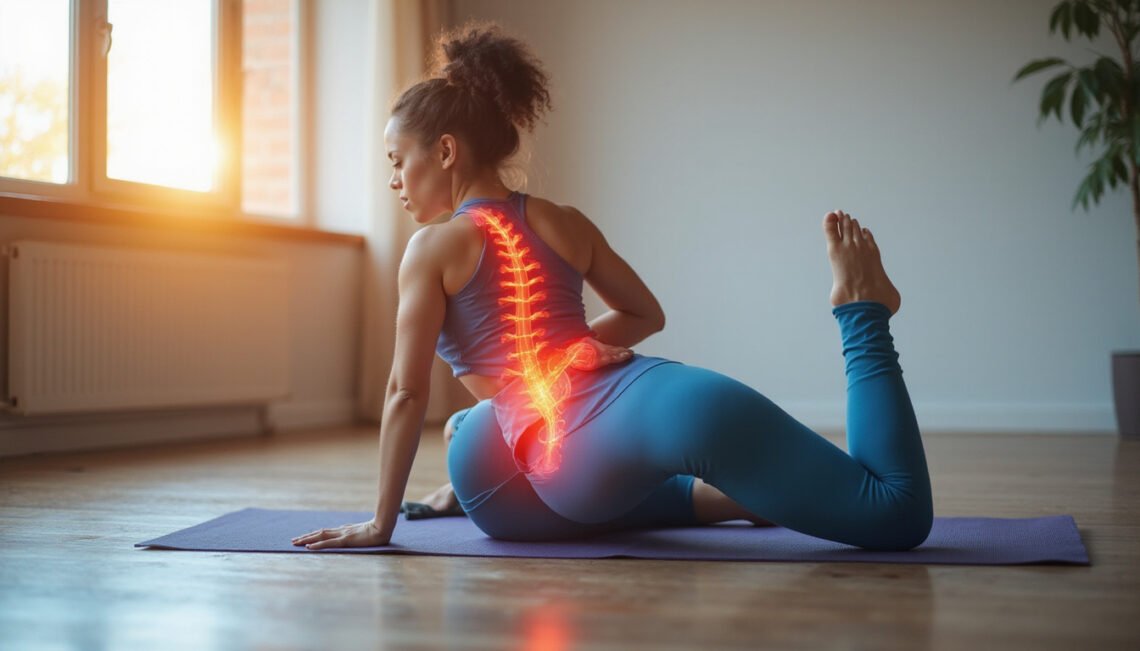
Hip Flexor Tightness: 10 Simple Stretches to Stop Pain
Hip flexor tightness can sneak up on you whether you sit all day, run regularly, lift weights, or simply live an active life. That dull ache or sharp pinch at the front of your hip can interfere with walking, climbing stairs, exercising, or even sleeping. The good news: with consistent, targeted stretching and a bit of strengthening, most people can reduce pain, restore mobility, and prevent future flare-ups.
Below you’ll find 10 simple stretches to relieve hip flexor tightness, plus tips on how to do them safely, how often, and what else you can do to keep your hips happy long term.
What Is Hip Flexor Tightness and Why Does It Happen?
Your hip flexors are a group of muscles at the front of your hips that help you lift your knee toward your chest and bend at the waist. The main players include:
- Iliopsoas (psoas major and iliacus)
- Rectus femoris (one of your quadriceps)
- Sartorius
- Tensor fasciae latae (TFL)
Hip flexor tightness usually means these muscles are shortened and overactive from too much time in a bent-hip position (sitting) and not enough time moving through their full range of motion.
Common causes include:
- Long hours sitting at a desk or in a car
- Repetitive sports (running, cycling, kicking)
- Weak glutes and core muscles
- Poor posture and movement habits
- Previous hip, low back, or pelvic injuries
Symptoms may show up as:
- A pulling, pinching, or ache at the front of the hip
- Tightness when you stand up after sitting
- Discomfort when you lunge, sprint, or climb stairs
- Low back tension or arching when standing straight
How to Stretch Hip Flexors Safely
Before jumping into the 10 stretches, keep these guidelines in mind:
- Warm up lightly first: 3–5 minutes of walking, marching in place, or easy cycling helps muscles respond better.
- Move into stretch slowly: Stop at a gentle pull, not sharp pain.
- Breathe: Inhale through the nose, exhale slowly through the mouth; avoid holding your breath.
- Hold 20–30 seconds, repeat 2–3 times per side, unless otherwise noted.
- Mild discomfort is okay; pain is not: Back off if you feel sharp, stabbing, or joint pain.
- Consistency beats intensity: Daily or near-daily practice works better than occasional long sessions.
If you have a history of hip replacement, labral tear, severe arthritis, or major back issues, check with a healthcare provider or physical therapist before starting a new routine (see guidelines from the American Academy of Orthopaedic Surgeons, AAOS (source)).
1. Half-Kneeling Hip Flexor Stretch
This is a foundational stretch that directly targets the front of the hip.
How to do it:
- Kneel on your right knee with your left foot in front, knee bent 90 degrees (like a lunge).
- Keep your torso upright and your pelvis level.
- Gently tuck your tailbone under (posterior pelvic tilt) as if trying to zip up tight pants.
- Shift your whole body slightly forward until you feel a stretch in the front of your right hip.
- Avoid arching your low back; the movement should come from your hip, not your spine.
- Hold 20–30 seconds; switch sides.
Tip: Place a pillow or folded towel under your back knee if it’s uncomfortable on the floor.
2. Standing Hip Flexor Stretch
Good if you don’t want to get down on the floor and ideal for quick breaks during the workday.
How to do it:
- Stand with your feet hip-width apart next to a wall or chair for balance.
- Step your right foot back into a short lunge stance, heel lifted.
- Soften your front knee and keep your torso tall.
- Gently tuck your tailbone and squeeze the right glute.
- Shift your weight forward slightly until you feel a stretch at the front of the right hip.
- Hold, then repeat on the other side.
Common mistake: Leaning forward at the waist instead of moving the pelvis forward. Keep the chest stacked over the hips.
3. Psoas Stretch on Bed or Couch (“Thomas Stretch” Variation)
This version uses gravity to stretch deep hip flexors, especially the psoas.
How to do it:
- Lie on your back near the edge of a bed or sturdy couch.
- Hug your left knee toward your chest with both hands.
- Let your right leg hang off the edge, knee relaxed and pointing down.
- You should feel a stretch at the front of your right hip and thigh.
- Keep your low back gently pressed toward the bed, not arched.
- Hold, then switch legs.
Adjust: If it’s too intense, slide a pillow under the hanging thigh to reduce the stretch.
4. Low Lunge (Runner’s Lunge) with Hip Flexor Focus
This stretch combines hip flexor lengthening with a bit of groin and hamstring mobility.
How to do it:
- Start in a high plank or on all fours.
- Step your left foot forward between your hands.
- Lower your right knee to the floor (use a pad if needed).
- Slide your right knee back slightly to feel a stretch in the front of the hip.
- Keep your chest lifted and gently tuck your tailbone under.
- For a deeper stretch, raise both arms overhead and slightly lean your torso back.
- Hold, then switch sides.
Variation: Reach the arm on the stretching side (back leg side) up and slightly over your head to bias the psoas even more.
5. Couch Stretch (Quad + Hip Flexor)
This is a powerful stretch for hip flexor tightness that also opens your quads. Start gently; it can be intense.
How to do it:
- Kneel facing away from a couch or wall.
- Place your right shin against the couch or wall with your right foot pointing up, knee close to the base.
- Bring your left foot forward into a half-kneeling lunge.
- Use your hands on your front thigh for support as you bring your torso more upright.
- You should feel a strong stretch through the front of the right thigh and hip.
- Keep your ribs down and tailbone tucked.
- Hold 20–30 seconds or shorter intervals if very tight; switch sides.
Safety note: If you feel knee pain, move your knee farther from the wall or start with a less intense stretch.
6. Supine Figure-4 with Pelvic Tilt
While often used for glutes, this variation can help reduce hip flexor compensation and promote better hip alignment.
How to do it:
- Lie on your back with knees bent, feet flat.
- Cross your right ankle over your left thigh (just above the knee).
- Gently tuck your tailbone and press your low back toward the floor.
- If comfortable, grab behind your left thigh and draw it toward your chest.
- Keep your hips level and shoulders relaxed.
- Hold, then switch sides.
This stretch helps balance the front and back of the hip, which can indirectly ease hip flexor tightness.
7. Butterfly Stretch with Hip Tilt
Opening the groin and allowing the pelvis to move can reduce some of the pull that contributes to tight hip flexors.
How to do it:
- Sit on the floor, bring the soles of your feet together, and let your knees drop out to the sides.
- Sit tall on your sit bones; if your back rounds, sit on a folded blanket.
- Gently tilt your pelvis forward (as if sticking your tailbone back) to feel a stretch in your inner thighs.
- You can rest your hands on your feet or gently press your knees toward the floor.
- Hold the stretch and keep breathing.
Tip: Avoid forcing your knees down. Let gravity and time do the work.
8. Standing Quad and Hip Flexor Stretch
This is a classic quad stretch that also hits the hip flexor when done with proper alignment.
How to do it:
- Stand near a wall or chair for balance.
- Shift weight onto your left leg.
- Bend your right knee and grab your right ankle behind you.
- Gently pull your heel toward your glute.
- Now tuck your tailbone and slightly push your hip forward; avoid arching your low back.
- You should feel a stretch in the front of your thigh and hip.
- Hold, then switch legs.
Modern tweak: Keep your knees close together instead of letting the bent knee drift out to the side.
9. 90–90 Hip Stretch with Gentle Lean
The 90–90 position opens up multiple hip muscles, helping restore overall mobility around the joint.
How to do it:
- Sit on the floor with your right leg in front, knee bent at about 90 degrees, shin parallel to your torso.
- Place your left leg to the side, also bent 90 degrees, with your shin pointing behind you.
- Sit tall and square your chest over the front shin.
- For a hip flexor element, gently lean your torso slightly back while keeping the back leg grounded and chest lifted.
- You’ll feel a mix of stretch through the front and side of the hips.
- Hold, then switch sides.
This builds rotational mobility, which can reduce compensations that overload the hip flexors.
10. Dynamic Leg Swings (Front-to-Back)
Dynamic mobility prepares your hip flexors for movement and can be a warm-up before workouts.
How to do it:
- Stand sideways near a wall or sturdy object and hold on for balance.
- Shift your weight onto your left leg.
- Swing your right leg gently forward and backward like a pendulum.
- Start small and gradually increase the range as your hip warms up.
- Keep your torso tall and avoid over-arching your lower back.
- Perform 10–15 swings, then switch legs.
Note: This is not a static stretch; you should feel loose, not strained. Stop if you feel any sharp pain.
A Simple Hip Flexor Stretch Routine
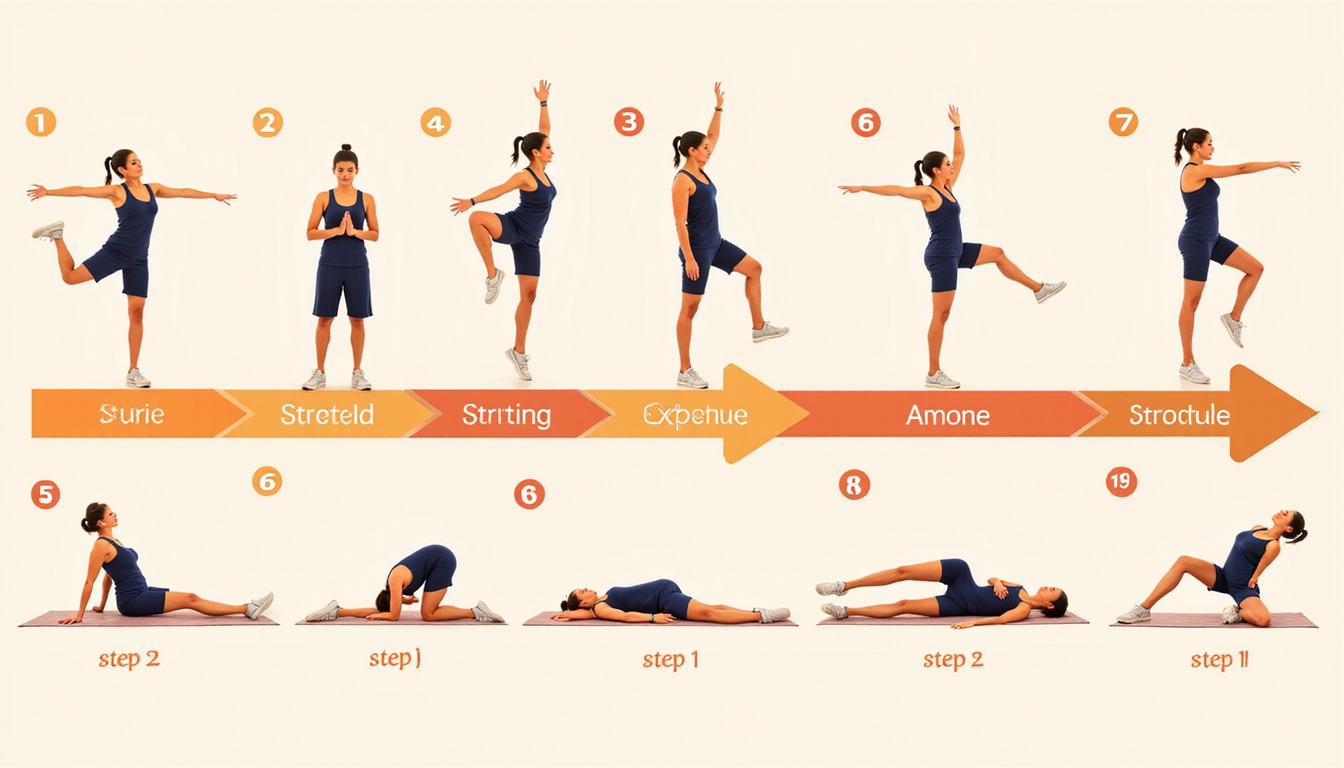
To make this practical, here’s one way to combine the above into a quick daily routine:
-
Warm-up (3–5 minutes)
- Brisk walking, marching in place, or gentle cycling.
-
Static Stretches (hold 20–30 seconds, 2–3 rounds each)
- Half-kneeling hip flexor stretch
- Couch stretch or standing hip flexor stretch
- Psoas stretch on bed
- Butterfly stretch
- Supine figure-4
-
Dynamic Mobility (10–15 reps)
- Dynamic leg swings (front-to-back)
-
Optional add-ons
- 90–90 hip stretch for rotational mobility
- Low lunge with overhead reach
Aim for 3–5 days per week. Many people feel relief in 1–2 weeks, with more lasting changes over 4–8 weeks of consistent work.
Don’t Forget Strength: The Other Half of Fixing Tight Hips
When muscles feel “tight,” they’re often overworked and under-supported. Weak glutes and core can force hip flexors to work overtime, creating chronic hip flexor tightness.
Consider adding:
- Glute bridges (2–3 sets of 10–15 reps)
- Clamshells or side-lying hip abductions
- Planks or dead bugs for core stability
- Hip thrusts if you’re more advanced
By strengthening the muscles that share the load, you help your hip flexors relax and function through a healthy range of motion.
Frequently Asked Questions About Hip Flexor Tightness
1. How do I know if hip flexor tightness is causing my pain?
Signs that hip flexors are involved include pain or tightness at the front of the hip when you stand up from sitting, lunge, or step forward, especially if stretching the area gives temporary relief. However, hip and groin pain can also come from the joint, labrum, or low back, so persistent or severe pain should be evaluated by a professional.
2. How long does it take to loosen tight hip flexors naturally?
With consistent stretching and strengthening 3–5 times per week, many people notice improvement in hip flexor tightness within 1–2 weeks. Lasting changes in flexibility and posture often take 4–8 weeks or more, depending on how long the issue has been present and how frequently you sit.
3. Can hip flexor tightness cause low back pain?
Yes. Tight hip flexors can pull the pelvis into an anterior tilt, increasing the arch in your lower back and stressing the lumbar spine. This can contribute to low back stiffness or pain. Combining hip flexor stretches with glute and core strengthening is especially helpful for addressing that pattern.
Take Control of Hip Flexor Tightness Today
You don’t have to live with that nagging, pinching feeling at the front of your hips. With just 10–15 minutes a day of targeted stretching and a few simple strength exercises, you can reduce hip flexor tightness, move more comfortably, and protect your hips and lower back for the long run.
Start by choosing 3–5 of the stretches above and practice them consistently this week. Notice how your hips feel when you get out of a chair, climb stairs, or work out. As you gain mobility, add in the remaining stretches and a couple of glute/core exercises for a complete, long-term solution.
If your pain is sharp, worsening, or not improving after a few weeks of consistent work, reach out to a physical therapist or qualified healthcare provider for a personalized assessment and plan. Your hips are central to almost every movement you make—give them the attention they deserve, and they’ll support you in everything else you want to do.