
If you’ve been searching for non-surgical options to ease chronic discomfort, inversion therapy offers an appealing — and sometimes controversial — approach. Inversion therapy involves positioning the body upside down or at a tilted angle to decompress the spine, reduce pressure on discs and nerves, and promote temporary pain relief. Some people report relief after minutes on an inversion table, while others see little benefit; understanding how it works, who it helps, and the risks can help you decide whether to try it.
What is inversion therapy and how does it work?
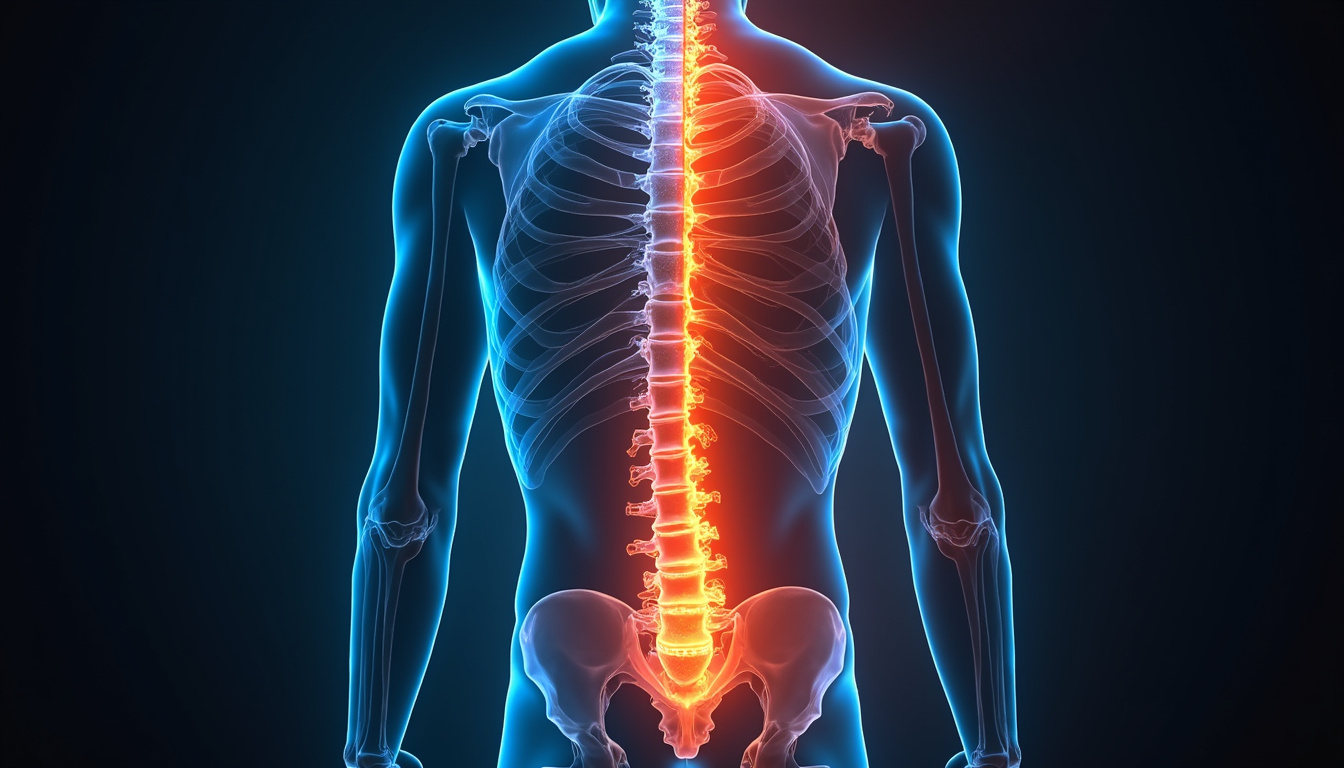
Inversion therapy is a technique that uses gravity to gently stretch the spine. Devices range from simple inversion tables and gravity boots to specialized chairs and traction systems. The idea is that by inverting the body, the vertebrae separate slightly, reducing intradiscal pressure and relieving nerve compression that can cause back pain. Most advocates recommend short sessions — often 1–5 minutes at a time — gradually increasing duration as tolerated.
How inversion therapy may relieve back pain
Many people try inversion therapy for lumbar (lower back) disc pain, degenerative disc disease, or sciatica. The proposed mechanisms include:
- Spinal decompression: Inversion increases the space between vertebrae, which may reduce pressure on discs and nerve roots.
- Improved circulation: Tilted positioning can promote blood flow and reduce swelling around irritated structures.
- Muscle relaxation: Stretching the spine can relax paraspinal and hip muscles that contribute to back pain.
- Short-term symptom relief: Users often feel immediate reduction in pain intensity or tightness following a session.
What the research says
Clinical evidence for inversion therapy is mixed and limited. Small trials and case reports suggest short-term improvements in pain and spinal height after inversion, but high-quality, long-term studies are lacking. Conservative sources such as the Mayo Clinic note that inversion therapy can provide temporary relief for some people but also warn of possible risks for others (Mayo Clinic). If you’re considering inversion therapy for chronic back pain, it’s reasonable to view it as a short-term adjunct to a broader treatment plan rather than a cure.
Potential benefits beyond back pain relief
Beyond immediate pain reduction, people report several additional benefits when inversion therapy is used safely:
- Increased mobility and range of motion in the lower back and hips.
- Reduction in muscle tension and spasms.
- Temporary relief of nerve-related leg pain (sciatica) in some cases.
- Psychological benefits: feeling empowered by taking active steps to manage pain.
Who is most likely to benefit?
Inversion therapy may help people with mild-to-moderate mechanical lower back pain or those with intermittent disc-related symptoms who have no significant cardiovascular or ocular issues. It tends to be more effective as a short-term, symptom-relieving tool combined with exercise, posture education, and other conservative measures.
Risks and contraindications — who should avoid inversion therapy
While inversion therapy can be helpful for some, it isn’t safe for everyone. Inverting the body increases blood pressure and intraocular pressure, and can alter heart rate. People with the following conditions should avoid inversion therapy or consult a physician first:
- Uncontrolled high blood pressure or cardiovascular disease
- Glaucoma or other eye conditions
- Pregnancy
- Recent stroke or detached retina
- Severe osteoporosis or vertebral fractures
- Hernias or other abdominal issues
How to try inversion therapy safely
If you decide to try inversion therapy, follow these guidelines to reduce risk:
- Consult your healthcare provider first, especially if you have medical conditions or take blood-thinning medications.
- Start slowly. Begin with a mild angle (15–30 degrees) and short sessions (1–2 minutes).
- Use a well-built, stable inversion table or device with ankle restraints and safety features.
- Have a spotter or exercise in a supervised setting for your first sessions.
- Avoid sudden movements when returning upright; sit briefly to let blood pressure normalize.
- Stop immediately if you feel dizziness, chest pain, visual disturbances, sudden headache, or worsening symptoms.
Practical tips for getting the most from inversion therapy
- Combine inversion sessions with core-strengthening exercises and posture work for longer-term benefits.
- Use inversion as a bridge to activity: a short session can reduce pain briefly and allow you to perform therapeutic exercises or stretching.
- Keep track of symptom changes to determine whether experience is consistently positive or if problems develop.
Quick comparison: inversion table vs. other traction methods
- Inversion table: Accessible, relatively affordable, allows gradual angle control. Requires space and caution when getting on/off.
- Spinal decompression machines (clinical): Performed by professionals, used for targeted traction, more expensive but controlled.
- Gravity boots: Provide a more complete inversion and full-body hang; more intense and riskier for beginners.
Bulleted checklist before your first inversion session
- Get medical clearance if you have heart, eye, or vascular conditions.
- Choose a quality inversion table with safety straps.
- Practice getting in and out with help.
- Start at a shallow incline for 1–2 minutes.
- Breathe steadily; don’t hold your breath.
- Track how you feel immediately after and over the next 24–48 hours.
Short FAQ: common questions about inversion therapy
Q: Is inversion therapy safe for back pain?
A: Inversion therapy can be safe for people without cardiovascular, ocular, or other contraindicating conditions and may provide short-term relief for some types of back pain. Always consult your healthcare provider before starting.
Q: Can inversion therapy help sciatica?
A: In some cases, inversion therapy temporarily reduces nerve compression and may ease sciatica symptoms, but results vary and it’s not a guaranteed cure.
Q: How often should I use an inversion table?
A: Start with brief sessions (1–2 minutes) a few times per day if tolerated; work up slowly. Long or frequent sessions aren’t necessary and may increase risk.
When to stop and seek medical help
If inversion therapy causes worsening pain, numbness, new weakness in a limb, dizziness, fainting, chest pain, or visual changes, stop immediately and contact a healthcare professional. These can be signs of serious complications or that the therapy is not suited to you.
Integrate inversion therapy into a balanced plan
For many people, the most sensible approach is to use inversion therapy as one element of a comprehensive back-care plan that includes:
- Supervised physical therapy and targeted exercises
- Posture and ergonomic improvements at work and home
- Weight management and aerobic conditioning
- Pain-relieving strategies like heat, cold, or topical medications as advised by a clinician
Authoritative guidance and final considerations
Authoritative sources caution that while inversion therapy may offer temporary relief, it’s not appropriate for everyone and should not replace medical evaluation for serious back problems. For balanced guidance, consult a reputable medical source or your clinician (Mayo Clinic).
Conclusion and call to action
If chronic back pain is limiting your life, exploring safe, non-surgical options makes sense — and inversion therapy might be one of them. Before you try any inversion device, get medical clearance, start slowly, and combine short inversion sessions with a strong rehabilitation program. Curious to try? Talk to your doctor or physical therapist about whether inversion therapy fits your care plan, and consider a supervised trial to see if it gives you the relief you’re looking for. Take the next step toward a less painful day: book a consultation with a qualified clinician today and ask specifically about supervised inversion options and how they might complement your treatment.