
Isometric exercises are one of the most underrated ways to build strength, stability, and muscle definition—without needing a gym, a rack of dumbbells, or any bulky equipment. By using nothing more than your body weight and a bit of space, you can create a time-efficient, joint-friendly workout that fits into even the busiest schedule.
This guide breaks down what isometric training is, why it works, and exactly how to use it to transform your body at home, at work, or on the go.
What Are Isometric Exercises?
Isometric exercises are movements where your muscles contract without changing length and your joints don’t move. In simple terms: you generate tension, but you don’t “lift” or “lower” anything.
Examples:
- Holding a plank
- Pushing against a wall
- Sitting in a wall sit position
- Pausing and holding at the bottom of a squat
Instead of repeated reps, you hold a position for a set period of time (often 10–45 seconds). This static contraction still recruits muscle fibers, challenges your nervous system, and can dramatically improve strength and stability.
Why Isometric Exercises Work So Well
Isometric training isn’t just a “quick fix” for days when you can’t get to the gym. There’s real science behind its effectiveness.
1. Increased Strength in Specific Joint Angles
Isometric exercises strengthen you in the exact position you hold. For example, a 90-degree wall sit boosts strength specifically at that knee angle. That’s powerful for:
- Stabilizing joints
- Improving posture
- Enhancing performance in specific sports positions (e.g., cycling, martial arts, climbing)
Research shows isometric training can significantly improve maximal strength and blood pressure control when programmed properly (source: National Institutes of Health).
2. Time-Efficient and Accessible
Most isometric moves require:
- Zero or minimal equipment
- Very little space
- Just your body weight
This makes them perfect for:
- Home workouts
- Office “micro-workouts”
- Travel and hotel rooms
- Rehab and low-impact training days
A solid isometric workout can take 10–20 minutes and still leave your muscles shaking.
3. Joint-Friendly but Intense
Because joints don’t move through a full range of motion, isometric exercises can be easier on:
- Knees
- Shoulders
- Lower back
This makes them valuable if you’re:
- Returning from an injury (with professional guidance)
- Dealing with chronic joint pain
- New to strength training and building a base
Yet, despite being low-impact, they can be brutally challenging due to sustained tension.
Key Benefits of Isometric Exercises
Here’s what consistent isometric training can do for you:
- Build strength and muscle definition – particularly in core, glutes, quads, and shoulders.
- Improve posture – by strengthening stabilizing muscles in your mid-back, hips, and core.
- Enhance mind-muscle connection – you learn to “feel” the target muscles working.
- Increase muscular endurance – holding positions longer builds your ability to sustain effort.
- Support balance and stability – isometrics often challenge your ability to hold steady.
- Fit into micro-sessions – even 3–5 minutes of holds scattered through the day help.
How to Do Isometric Exercises Safely
Before you jump in, keep these fundamentals in mind.
Breathe (Don’t Hold Your Breath)
One common mistake is holding your breath during intense holds. This can cause a spike in blood pressure. Instead:
- Inhale through the nose for 3–4 seconds.
- Exhale slowly through the mouth for 4–6 seconds.
- Maintain steady, rhythmic breathing throughout the hold.
Adjust Intensity Without Equipment
You can make most isometric exercises easier or harder by:
- Changing leverage (e.g., high plank on an incline vs. floor)
- Switching body angles (e.g., deeper wall sit = harder)
- Increasing or decreasing hold duration
- Adding or removing support (e.g., one leg vs. two legs)
Stop If You Feel Sharp Pain
Muscle burning and shaking? Normal.
Sharp pain in a joint, pinching, or numbness? Stop and adjust or skip that move.
If you have high blood pressure, cardiovascular conditions, or a recent injury, consult a healthcare professional before starting intense isometric training.
Full-Body Isometric Exercises You Can Do Anywhere
Use these moves to target your entire body. Aim for 2–4 sets per exercise.
1. Plank (Core & Shoulders)
How to do it:
- Start on your forearms with elbows under shoulders.
- Extend legs behind you, toes on the floor.
- Form a straight line from head to heels.
- Brace your core as if preparing for a light punch to the stomach.
- Hold.
Beginner: 10–20 seconds
Intermediate: 30–45 seconds
Advanced: 60+ seconds
2. Wall Sit (Quads & Glutes)
How to do it:
- Stand with your back against a wall.
- Walk feet forward and slide down until knees are about 90 degrees.
- Keep knees over ankles, not past toes.
- Press your lower back gently into the wall.
- Hold with arms crossed or by your sides.
Beginner: 20–30 seconds
Intermediate: 45–60 seconds
Advanced: 60–90+ seconds
To make it harder, lift one heel or one foot off the floor.
3. Glute Bridge Hold (Glutes & Hamstrings)
How to do it:
- Lie on your back, knees bent, feet flat and hip-width apart.
- Press through your heels, lifting hips until shoulders–hips–knees form a straight line.
- Squeeze glutes and keep ribs down (don’t overarch your back).
- Hold at the top.
Beginner: 20–30 seconds
Intermediate: 45–60 seconds
Advanced: Single-leg bridge hold, 20–40 seconds per leg
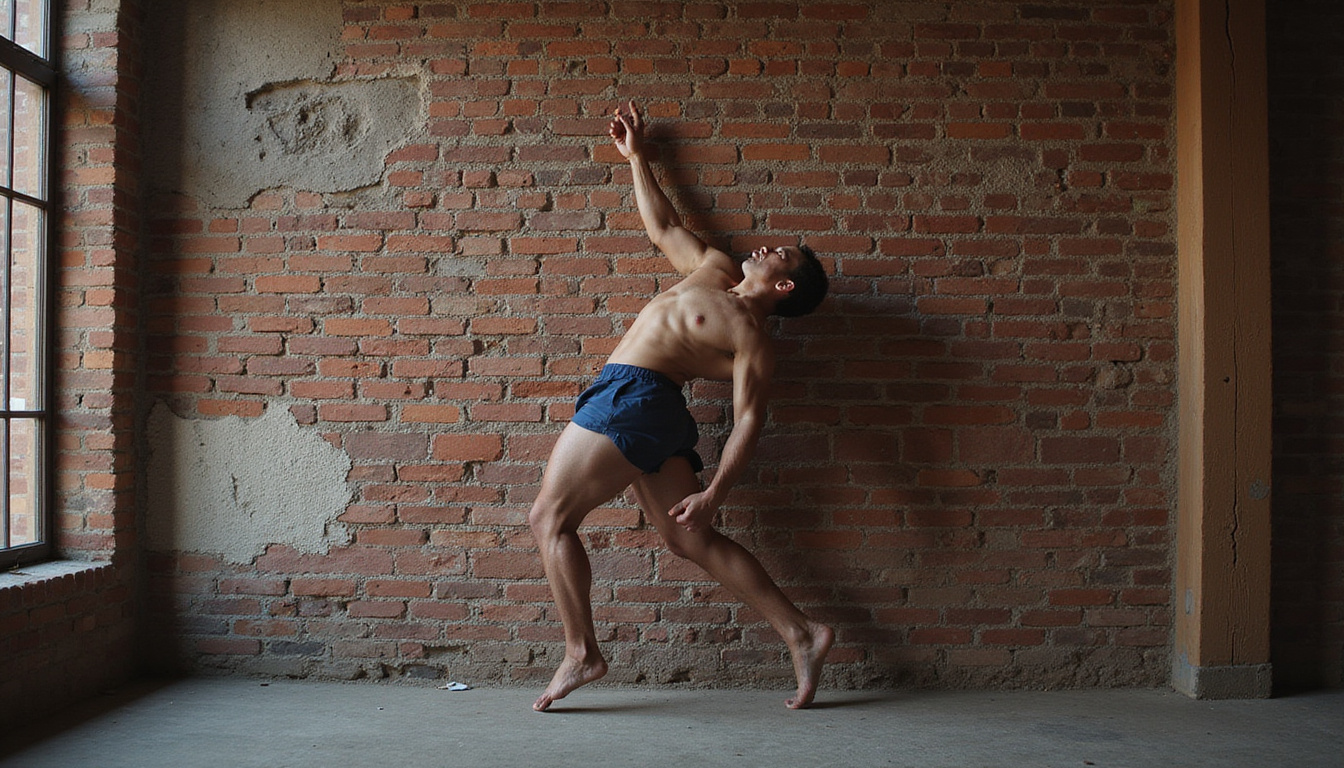
4. Isometric Push-Up Hold (Chest, Triceps, Core)
How to do it:
- Get into a push-up position (hands under shoulders, body straight).
- Lower yourself halfway down—elbows bent around 45 degrees.
- Stop there and hold, keeping elbows slightly tucked.
- Maintain a braced core and neutral neck.
Beginner: 10–15 seconds (on knees if needed)
Intermediate: 20–30 seconds
Advanced: 30–45 seconds or one-arm elevated hold
5. Static Lunge Hold (Quads, Glutes, Hip Stability)
How to do it:
- Step one foot forward into a lunge stance.
- Lower until front knee is about 90 degrees, back knee hovering above the floor.
- Keep torso upright and weight evenly through the front foot.
- Hold without letting the front knee cave inward.
Beginner: 15–20 seconds per side
Intermediate: 30–40 seconds per side
Advanced: 45–60 seconds per side, or hold with arms overhead
6. Hollow Body Hold (Core & Hip Flexors)
How to do it:
- Lie on your back, arms overhead, legs straight.
- Press your lower back into the floor.
- Lift shoulders and legs a few inches off the ground.
- Keep ribs tucked and hold a “banana” shape.
Beginner: Tuck knees in closer to chest
Intermediate: 15–30 seconds
Advanced: 30–45 seconds with full extension
Sample 15-Minute Isometric Workout (No Equipment)
Perform the following as a circuit. Rest 20–30 seconds between exercises, 1 minute between rounds. Complete 2–3 rounds.
- Plank – 30 seconds
- Wall Sit – 40 seconds
- Glute Bridge Hold – 30 seconds
- Isometric Push-Up Hold – 20 seconds
- Static Lunge Hold (right) – 25 seconds
- Static Lunge Hold (left) – 25 seconds
- Hollow Body Hold – 20–30 seconds
This routine hits your entire body with just bodyweight isometric exercises and can be done in a small space.
How to Progress Isometric Exercises Over Time
To keep getting results, you must progressively challenge your muscles. Use this simple progression strategy:
-
Weeks 1–2:
- 2 sets per exercise
- Holds of 15–25 seconds
-
Weeks 3–4:
- 3 sets per exercise
- Holds of 25–40 seconds
-
Weeks 5–6:
- 3–4 sets per exercise
- Holds of 40–60 seconds or switch to harder variations
You can also:
- Change angles (e.g., deeper lunge or wall sit)
- Reduce points of contact (e.g., one-leg or one-arm versions)
- Add light resistance bands later if available
Track your hold times; aim to add 5–10 seconds every week or two, depending on the exercise and your fitness level.
When to Use Isometric Exercises in Your Routine
Isometrics can be used in several ways:
- Standalone workouts – perfect for busy days or travel.
- Warm-ups – brief holds to “wake up” specific muscles (e.g., glute bridges, planks).
- Finishers – end your usual workout with 2–3 isometric exercises to fully fatigue muscles.
- Rehab and prehab – under guidance, they help rebuild strength around vulnerable joints.
- Skill support – climbers, martial artists, and gymnasts often use isometric holds to mimic sport positions.
You don’t need to choose between dynamic and static training. Many people see the best results combining isometric exercises with traditional strength training or cardio.
Common Mistakes to Avoid
To get the most from isometric training, watch out for these pitfalls:
- Letting form collapse just to hold longer. Prioritize alignment over time.
- Holding your breath, especially on hard holds.
- Ignoring warm-up — even 3–5 minutes of light movement helps prep your joints and muscles.
- Training only one angle – if possible, hold different positions (for example, top, middle, and near-bottom of a squat over separate sets or workouts).
- Skipping rest – your nervous system still needs recovery from intense static work.
Quick Reference: Beginner-Friendly Isometric Exercises
Here’s a simple list you can save and use:
- Wall sit
- Forearm plank
- Incline push-up hold (hands on desk or bench)
- Glute bridge hold
- Static lunge hold (shallow range)
- Standing calf raise hold (holding on to support)
- Seated abdominal brace (sit tall, brace core for 10–20 seconds)
Rotate through these 3–4 times a week and gradually increase hold times.
FAQ: Isometric Exercises and Your Fitness Goals
Q1: Are isometric exercises good for building muscle?
Yes, isometric exercises can help build muscle, especially for beginners or people returning to training. They increase time under tension and recruit muscle fibers effectively. For maximal muscle growth, many people combine isometrics with dynamic resistance training and adequate protein intake.
Q2: Can isometric training help with lower back pain?
Isometric core exercises, like planks and glute bridge holds, can strengthen the muscles that support the spine and may reduce lower back discomfort. However, if you already have back pain or a diagnosed condition, work with a physical therapist or healthcare provider before changing your routine.
Q3: How often should I do isometric workouts for best results?
Most people do well with 2–4 isometric-focused sessions per week, with at least one rest or light movement day between intense sessions for the same muscle groups. Short, low-intensity holds throughout the day (like 10-second posture resets) can be done more frequently.
Isometric exercises give you a powerful way to transform your strength, posture, and muscle definition without a single piece of bulky equipment. All you need is your body, a little space, and the willingness to hold challenging positions for just a bit longer than feels comfortable.
Start with a handful of the moves above, commit to 10–15 minutes a few times per week, and track your hold times. As your numbers go up, your strength, control, and confidence will rise right along with them.
If you’re ready to put this into action, pick three exercises from this guide right now, set a timer, and complete your first mini isometric workout today. Your future, stronger self starts with that first 20-second hold.