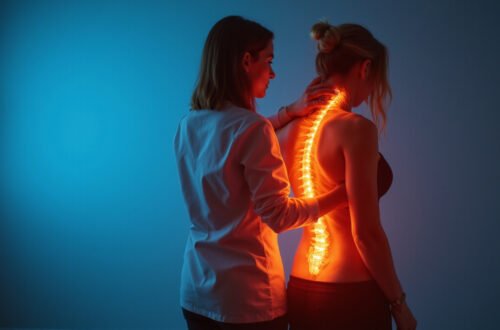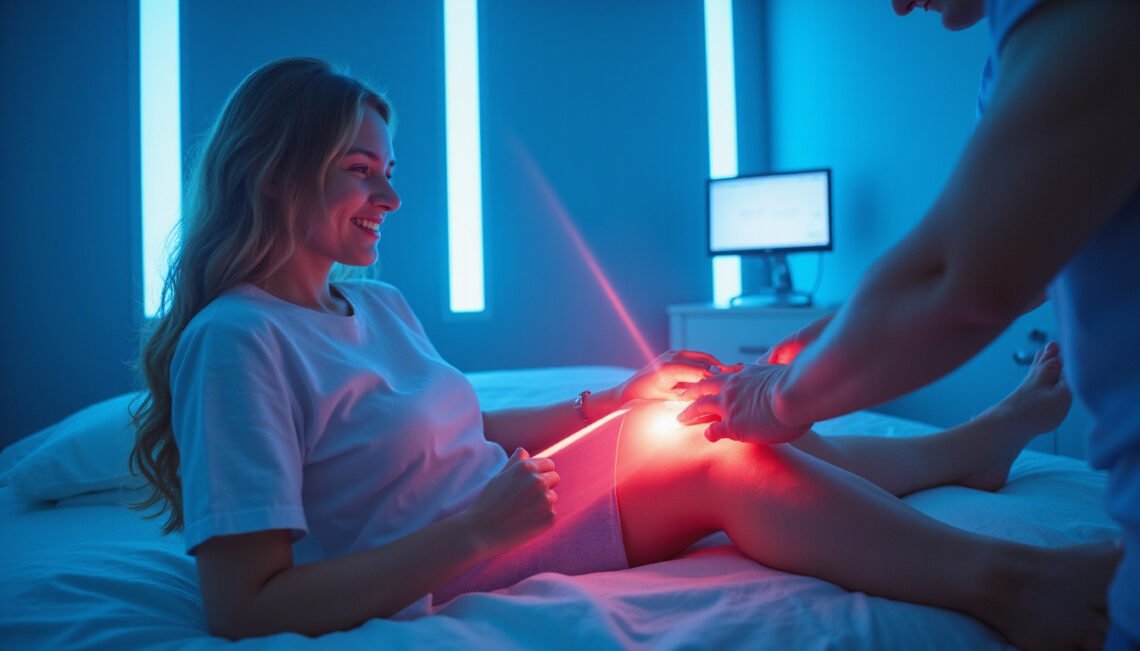
Laser therapy is rapidly becoming a mainstream option for people who want powerful pain relief and faster healing without relying on drugs. From athletes to arthritis sufferers, more patients and clinicians are turning to laser therapy to reduce inflammation, accelerate tissue repair, and improve mobility with minimal side effects.
This article walks you through what laser therapy is, how it works, what conditions it helps, and what to expect from treatment—so you can decide whether it might be right for you.
What Is Laser Therapy?
In a medical context, “laser therapy” usually refers to low-level laser therapy (LLLT) or photobiomodulation (PBM). Unlike surgical lasers that cut or burn tissue, these devices use low-intensity light to:
- Reduce pain
- Decrease inflammation
- Stimulate cellular repair and regeneration
The light is applied to the skin over the target area using a handheld device. The treatment is non-invasive, painless, and typically requires no downtime.
Types of Laser Therapy Devices
You may come across several terms:
- Cold laser therapy – another name for LLLT; the laser doesn’t heat or burn tissue.
- Class III & Class IV lasers – classifications based on power output. Class IV lasers can treat deeper tissues but must be used by trained professionals.
- LED-based devices – use light-emitting diodes instead of true lasers; these may be used in clinics or home units for milder conditions.
How Laser Therapy Works in the Body
The core principle behind laser therapy is photobiomodulation—light energy changes how cells function.
Cellular Mechanisms
When specific wavelengths of light penetrate the skin, they are absorbed by structures inside cells, particularly mitochondria (the cell’s “power plants”). This can:
- Increase ATP production (cellular energy)
- Modulate reactive oxygen species (ROS), reducing oxidative stress
- Influence nitric oxide levels, which improves blood flow
- Trigger gene expression changes that promote repair
The result: faster tissue healing, reduced inflammation, and often noticeable pain relief.
Effects on Pain Pathways
Laser therapy appears to reduce pain via several mechanisms:
- Anti-inflammatory effects – decreases pro-inflammatory cytokines and swelling
- Improved circulation – enhances oxygen and nutrient delivery to damaged tissue
- Neuromodulation – can alter nerve conduction, reducing pain signal transmission
- Endorphin release – may stimulate the body’s own natural painkillers
Evidence suggests it can be particularly effective for chronic musculoskeletal pain when applied with appropriate dose and frequency (source: NIH / NCBI).
Key Benefits: Why People Choose Laser Therapy
People often seek laser therapy as a safer, more natural alternative or complement to medications, injections, or surgery.
1. Drug-Free Pain Relief
Laser therapy allows patients to manage pain without dependence on painkillers, including opioids and NSAIDs. This is especially valuable for:
- Individuals with sensitivity to medications
- People at risk for GI, kidney, or cardiovascular side effects from NSAIDs
- Those looking to reduce or avoid opioids
2. Faster Tissue Healing and Recovery
By stimulating cellular repair, laser therapy can shorten recovery times from:
- Sports injuries
- Post-surgical wounds
- Soft tissue tears and sprains
- Chronic overuse conditions
Many athletes and active individuals incorporate laser sessions into rehab programs to get back to training or competition sooner.
3. Reduced Inflammation and Swelling
Laser therapy helps calm inflammatory processes that drive pain and stiffness. This makes it particularly useful in joint and tendon conditions where swelling limits movement.
4. Non-Invasive and Low-Risk
Unlike injections or surgery, laser therapy:
- Does not break the skin
- Requires no anesthesia
- Has minimal side effects when used properly
Mild warmth, tingling, or temporary symptom flare-ups are possible but typically short-lived.
Conditions Commonly Treated with Laser Therapy
Laser therapy is used in physical therapy, sports medicine, chiropractic, pain clinics, and some dental and veterinary practices.
Musculoskeletal and Joint Problems
Laser therapy is widely used to manage:
- Osteoarthritis (knee, hip, hand, spine)
- Rheumatoid arthritis and other inflammatory joint diseases
- Back and neck pain
- Tendonitis and tendinopathies (e.g., Achilles, rotator cuff)
- Bursitis
- Plantar fasciitis
- Carpal tunnel syndrome
Patients often report less pain and stiffness, improved range of motion, and better function.
Sports Injuries and Overuse Syndromes
For athletes and active individuals, laser therapy can help with:
- Muscle strains and tears
- Ligament sprains
- Shin splints
- Tennis or golfer’s elbow
- IT band syndrome
When combined with proper rehab, it may reduce downtime and support safer return to activity.
Nerve-Related Pain
Though more complex, laser therapy is also used as part of treatment strategies for:
- Peripheral neuropathy (e.g., diabetic neuropathy)
- Radiculopathy (pinched nerves)
- Post-surgical nerve pain
Some patients experience improved sensation and reduced burning or tingling.
Wound Healing and Skin Conditions
In some settings, laser therapy assists with:
- Slow-healing wounds
- Pressure ulcers
- Diabetic foot ulcers
- Certain post-surgical incisions
By improving circulation and cell activity, it can promote faster closure and reduce infection risk when part of a comprehensive wound-care plan.
What a Typical Laser Therapy Session Is Like
If you’re considering laser therapy, here’s what you can expect during treatment.
Before Your First Session
A clinician will:
- Review your medical history and medications
- Assess your symptoms, pain levels, and function
- Determine whether you’re a good candidate and create a treatment plan
They will also choose appropriate parameters: wavelength, power, time, and frequency of sessions.
During Treatment
A standard session usually looks like this:
- You’re positioned comfortably, with the target area exposed.
- You and the clinician may wear protective eyewear depending on the device.
- The handheld laser device is placed on or moved over your skin.
- You may feel gentle warmth, tingling, or nothing at all.
- Sessions typically last 5–20 minutes, depending on the area and condition.
There is no downtime; most people resume normal activities immediately.

Frequency and Duration of Care
Treatment plans vary, but a common pattern is:
- Acute conditions: 2–3 sessions per week for 1–3 weeks
- Chronic conditions: 1–3 sessions per week for 3–8+ weeks
Some people feel relief after the first couple of sessions; others notice changes more gradually.
Is Laser Therapy Safe? Side Effects and Contraindications
Laser therapy is generally considered safe when administered by trained clinicians using appropriate devices.
Possible Side Effects
Most side effects are mild and temporary:
- Slight redness or warmth at treatment site
- Temporary increase in pain or soreness (usually resolves within 24–48 hours)
- Fatigue after sessions in some individuals
Serious complications are rare when guidelines are followed.
Who Should Avoid or Use Caution
Laser therapy may not be appropriate, or may require special precautions, if you:
- Are pregnant (avoid use over the abdomen/low back)
- Have active cancer in the treatment area (unless supervised in specialized oncology protocols)
- Have active hemorrhage or bleeding disorders in target tissue
- Are taking photosensitizing medications (e.g., some antibiotics, acne drugs)
- Have untreated thyroid conditions (avoid direct application over thyroid)
Always discuss your full medical history with the provider before starting.
How to Choose a Laser Therapy Provider
Because results depend heavily on proper dosing and technique, provider selection matters.
Look for:
- Qualified clinician – physical therapist, chiropractor, physician, sports medicine specialist, or other licensed professional trained in laser therapy.
- Medical-grade equipment – ask what class and type of laser they use and what conditions they treat most often.
- Evidence-based approach – they should explain expected outcomes, time frames, and integrate therapy with exercise, ergonomics, or lifestyle changes when appropriate.
- Clear treatment plan and costs – know how many sessions are recommended, how progress will be measured, and what you’ll pay.
If something sounds like a miracle cure for everything, be skeptical. Laser therapy is powerful, but it’s not magic.
At-Home Laser Therapy Devices: Are They Worth It?
Consumer laser and LED devices are increasingly marketed for pain relief and healing at home. They can be helpful in some situations, but keep in mind:
- Lower power output – often less powerful than clinic devices, so results may be milder or slower.
- User-dependent dosing – effectiveness depends on correct use (time, frequency, distance from skin).
- Best for mild to moderate conditions – more serious or complex issues usually require professional evaluation and treatment.
If you’re considering a home device, it’s wise to consult a clinician first, especially if you have chronic disease, prior surgery, or nerve issues.
Who Is Most Likely to Benefit From Laser Therapy?
While individual responses vary, you may be a good candidate if you:
- Have chronic joint or muscle pain not fully controlled by other conservative measures
- Prefer non-drug, non-surgical options
- Want to shorten recovery time after injury or surgery
- Are already in a rehab program and want to enhance results
- Have medical reasons to limit pain medications
Laser therapy is often used as a complement—not a replacement—for quality physical therapy, strength training, and healthy lifestyle changes.
FAQ: Common Questions About Laser Therapy
1. Does cold laser therapy really work for pain?
Cold laser therapy (a form of low-level laser therapy) has shown meaningful pain reduction in many musculoskeletal conditions, including osteoarthritis, tendonitis, and chronic back or neck pain, when used with appropriate settings and protocols. Results vary by condition and individual, but clinical research supports its use as part of a multi-modal pain management strategy.
2. How many laser treatments are needed for back pain?
For chronic back pain, many patients begin to notice improvement after 3–6 sessions, with more consistent, durable results after 6–12 sessions, depending on severity, duration of symptoms, and other treatments used. Acute flare-ups may require fewer visits, while longstanding conditions can take longer.
3. Is laser therapy for arthritis safe for older adults?
Yes. Laser therapy for arthritis is generally safe for older adults and is often a good option for those who can’t tolerate higher doses of pain medications or frequent injections. A thorough assessment is still important to rule out contraindications and to integrate treatment with exercise, weight management, and joint protection strategies.
Take the Next Step Toward Drug-Free Pain Relief
If you’re living with persistent pain or a slow-healing injury, you don’t have to choose between “just living with it” and relying solely on medications. Modern laser therapy offers a non-invasive, drug-free way to reduce pain, calm inflammation, and speed recovery—backed by growing scientific evidence and real-world results.
Talk with a qualified provider—such as a physical therapist, sports medicine specialist, or chiropractor—about whether laser therapy fits your specific diagnosis and goals. Ask how it can be integrated with exercise, posture or movement retraining, and other therapies for a comprehensive plan.
Don’t wait for pain to keep limiting your life. Explore laser therapy as a proactive step toward moving better, healing faster, and reclaiming the activities that matter most to you.