Leg cramps are sudden, involuntary contractions of one or more muscles in the leg, often causing intense pain and discomfort. Whether you experience these cramps during the day or they strike while you sleep, finding quick and lasting relief is essential. In this article, we will explore effective remedies and prevention tips for sudden leg cramps relief, helping you manage this common condition with confidence.
Understanding Leg Cramps: Causes and Symptoms
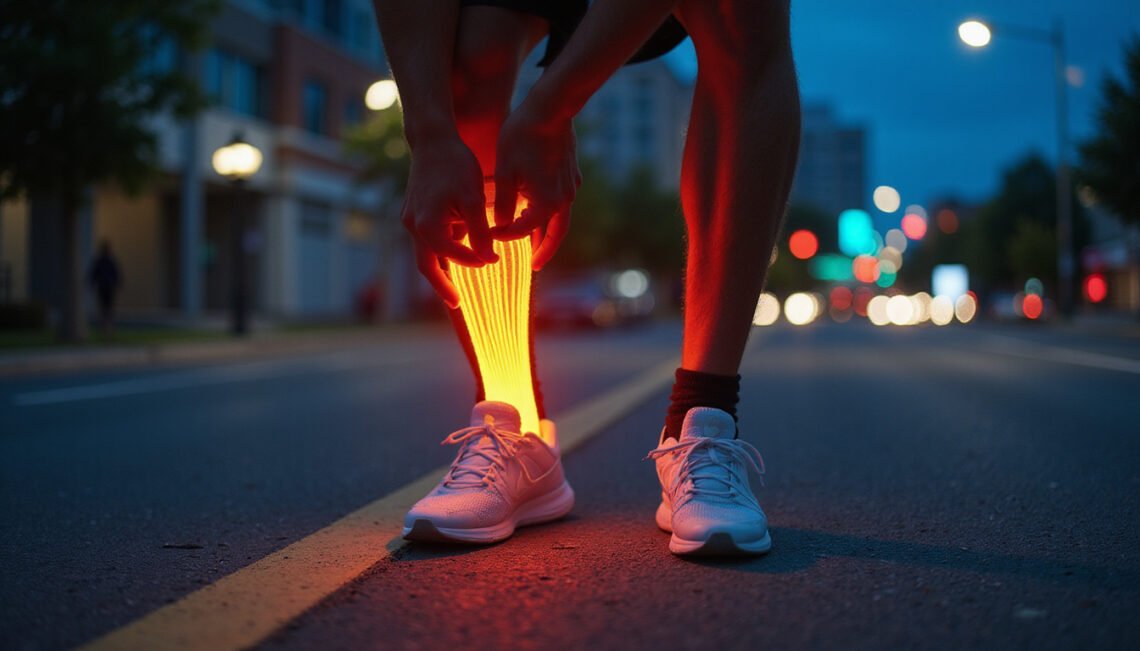
Leg cramps typically occur in the calf muscles but can also affect the thighs or feet. They often strike without warning and can vary in intensity from mild twitches to severe pain that lasts several minutes. Knowing the underlying causes can guide you in preventing or minimizing their occurrence.
Common causes of leg cramps include:
- Muscle fatigue or overuse during exercise
- Dehydration or electrolyte imbalances
- Poor circulation or nerve compression
- Mineral deficiencies such as low magnesium, potassium, or calcium
- Prolonged sitting or standing in one position
- Certain medications or health conditions like diabetes or peripheral artery disease
Understanding these factors can help you tailor the right approach to sudden leg cramps relief.
Immediate Remedies for Sudden Leg Cramps Relief
When a leg cramp hits suddenly, quick action can reduce pain and prevent the muscle from tightening further. Here are some effective remedies you can try immediately:
-
Stretch the Affected Muscle
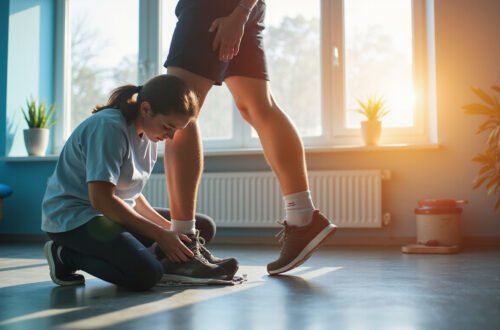
Gently stretch the cramped muscle. For calf cramps, try straightening your leg and flexing your foot upward toward your knee. This helps relieve the contraction by lengthening the muscle fibers. -
Massage the Muscle
Apply firm pressure and massage the cramping muscle. This stimulates blood flow and eases tension. -
Apply Heat or Cold
Use a warm towel or heating pad to relax tight muscles. Alternatively, an ice pack can numb the pain and reduce inflammation. -
Move Around
If possible, walk or gently move your leg to promote circulation. -
Hydrate
Drinking water can help if dehydration is a contributing factor.
These remedies are simple yet highly effective in delivering immediate leg cramps relief.
Long-Term Prevention Tips for Leg Cramps
Preventing leg cramps means adopting healthy habits that reduce risk factors. You can incorporate these prevention tips into your daily routine:
- Stay Hydrated: Drink plenty of fluids, especially during exercise, to keep muscles hydrated and electrolyte levels balanced.
- Maintain a Balanced Diet: Incorporate foods rich in potassium (bananas, sweet potatoes), magnesium (nuts, seeds, leafy greens), and calcium (dairy, fortified alternatives).
- Warm Up and Stretch: Before and after physical activity, stretch your legs to reduce muscle stiffness.
- Wear Comfortable Footwear: Supportive shoes improve circulation and reduce muscle strain.
- Avoid Prolonged Sitting or Standing: Take breaks to move and stretch if you work in a sedentary or standing position.
- Manage Medical Conditions: If you have health issues that may contribute to cramps, such as diabetes, consult your healthcare provider to manage them effectively.
Considering your sleep environment and posture can also decrease the frequency of night cramps. Elevate your legs slightly while sleeping and avoid sleeping with your feet pointed downward.

When to See a Doctor
While most leg cramps are benign, frequent or severe cramps might indicate underlying health issues. Seek medical advice if your cramps:
- Occur regularly and disrupt your sleep
- Persist despite home remedies and lifestyle changes
- Are accompanied by swelling, redness, or muscle weakness
- Happen alongside other symptoms like numbness or tingling
A healthcare professional can evaluate your symptoms and recommend treatments such as physical therapy, supplements, or medications.
FAQ: More About Leg Cramps Relief
Q1: What is the best way to prevent leg cramps at night?
A1: To prevent night leg cramps, ensure you’re well-hydrated, stretch your leg muscles before bed, and keep your sleeping environment comfortable. Wearing loose clothing and avoiding heavy meals or caffeine before sleep can also help.
Q2: Can certain exercises help reduce leg cramps?
A2: Yes, exercises like gently stretching the calves, yoga, and low-impact cardio improve circulation and muscle flexibility, reducing the likelihood of cramps.
Q3: Are there any supplements that can help with leg cramps?
A3: Supplements containing magnesium, potassium, and calcium may help if you have deficiencies. However, consult your doctor before starting any supplement, especially if you have underlying health conditions.
Conclusion: Take Control of Your Leg Cramp Discomfort Today
Leg cramps can be sudden and painful, but with the right remedies and prevention strategies, you can significantly reduce their impact. By staying hydrated, maintaining a balanced diet, stretching regularly, and knowing how to treat cramps promptly, you’ll enjoy greater muscle comfort and mobility. Remember, persistent or severe leg cramps deserve professional evaluation to rule out more serious conditions. Don’t let leg cramps limit your life — take proactive steps today for lasting relief and improved leg health.
For comprehensive guidance and further information, trusted medical sources such as the Mayo Clinic offer extensive insights into leg cramps and muscle health (source).
Start implementing these effective remedies and prevention tips now, and reclaim freedom from sudden leg cramps!