Pain related to the lumbosacral plexus can be confusing, scary, and deeply disruptive to everyday life. Because these nerves sit at the crossroads between the lower spine and the legs, problems here can cause complex patterns of pain, weakness, or numbness that are easy to misdiagnose as “just sciatica” or “just a back problem.” Understanding what the lumbosacral plexus is, how it can become irritated or damaged, and what you can do about it is the first step toward real relief.
What Is the Lumbosacral Plexus?
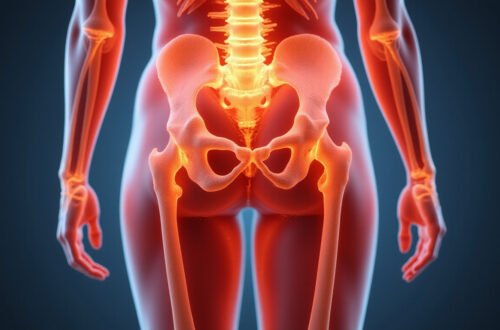
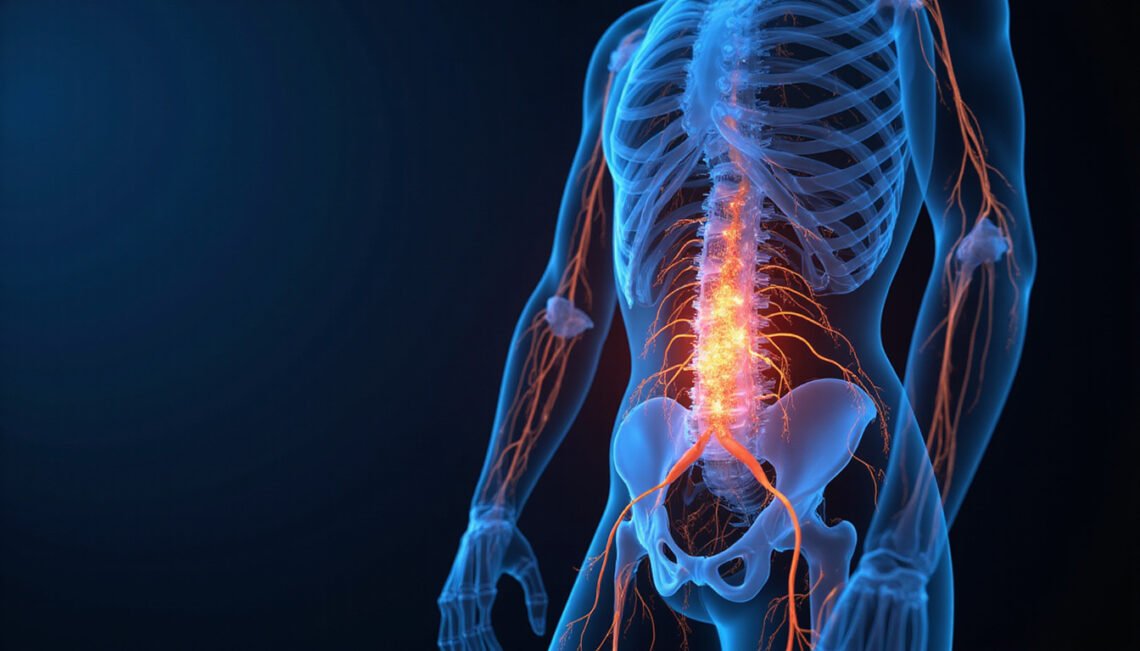
The lumbosacral plexus is a network of nerve roots that emerge from the lower part of your spinal cord and travel deep through your pelvis into your legs. It is formed from:
- Lumbar nerve roots: L1–L4 (lumbar plexus)
- Sacral nerve roots: L4–S4 (sacral plexus)
Together, these nerves:
- Control major leg muscles (thigh, hip, calf, foot)
- Provide sensation to the groin, thighs, legs, and feet
- Help coordinate walking, standing, and balance
- Carry autonomic fibers affecting blood flow and other functions
Important nerves that originate from the lumbosacral plexus include the femoral nerve, sciatic nerve, obturator nerve, and superior and inferior gluteal nerves.
How Lumbosacral Plexus Pain Feels: Common Signs and Symptoms
Because the plexus is a hub that branches into multiple nerves, symptoms can vary widely. Pain from the lumbosacral plexus may be:
- Deep and aching in the lower back, pelvis, buttock, or hip
- Sharp or shooting, radiating into the thigh, leg, or foot
- Burning or electric, especially with certain movements or positions
Other possible symptoms include:
- Numbness or tingling in the groin, thigh, leg, or foot
- Weakness when lifting the leg, climbing stairs, or standing from a chair
- Difficulty walking or a “wobbly” leg
- Reduced reflexes in the knee or ankle
- Muscle wasting in the thigh, calf, or buttock if the problem is chronic
Patterns often differ from typical “sciatica” (single nerve root irritation). Lumbosacral plexus issues can affect multiple regions at once, sometimes involving both motor (movement) and sensory (feeling) changes in complex ways.
Red flags that need urgent medical evaluation include:
- Sudden, severe leg weakness
- Loss of bladder or bowel control
- Profound numbness in the saddle area (inner thighs, perineum)
- Fever, weight loss, or history of cancer with new leg or pelvic pain
What Causes Lumbosacral Plexus Pain?
Problems in the lumbosacral plexus can arise from direct injury, compression, inflammation, or systemic disease. Common causes include:
1. Trauma and Mechanical Injury
- Pelvic fractures
- High-impact accidents (car crashes, falls)
- Hip dislocation or major hip surgery
- Direct blows to the pelvis or buttock
These can stretch, crush, or tear nerve fibers in the plexus.
2. Tumors and Mass Lesions
- Primary tumors in the pelvis
- Metastases (spread) from cancers like colorectal, prostate, or gynecologic cancers
- Benign masses such as cysts or nerve sheath tumors
These may compress sections of the lumbosacral plexus, causing pain, weakness, or both.
3. Diabetic Lumbosacral Radiculoplexus Neuropathy
Sometimes called “diabetic amyotrophy,” this is a painful condition where inflammation and reduced blood flow damage the lumbosacral plexus in people with diabetes. It can cause:
- Severe thigh or hip pain
- Rapid-onset leg weakness
- Weight loss
- Often starts on one side, but may become bilateral
4. Post-Surgical or Iatrogenic Injury
- Pelvic, colorectal, spine, and gynecologic surgeries
- Improper placement of retractors or instruments
- Prolonged surgical positioning
These can put pressure on or injure parts of the plexus.
5. Inflammatory and Autoimmune Conditions
- Immune-mediated plexitis (lumbosacral plexopathy)
- Vasculitis affecting the small vessels that supply the nerves
- Post-infectious immune reactions
These conditions may cause intense, often rapidly progressive pain followed by weakness.
6. Compression from Pelvic Structures
- Pregnancy-related positional pressure
- Large uterine fibroids or ovarian masses
- Significant spinal deformity altering nerve course
Though less common, these can create chronic low-level irritation of the plexus.
How Doctors Diagnose Lumbosacral Plexus Problems
Because symptoms can mimic lumbar disc disease or isolated peripheral nerve injuries, careful evaluation is essential.
Step 1: Detailed History and Physical Examination
A clinician will review:
- Onset and character of pain (sudden vs gradual, burning vs aching)
- Distribution of pain, numbness, and weakness
- Recent trauma, surgery, infection, or weight loss
- Medical history (especially diabetes, cancer, autoimmune disease)
The neurological exam focuses on:
- Muscle strength in hip, knee, ankle, and toes
- Reflexes (knee-jerk and ankle-jerk)
- Sensation over specific skin zones (dermatomes and nerve territories)
- Gait analysis and balance
Findings that don’t match a single nerve root or single peripheral nerve often point toward the lumbosacral plexus.
Step 2: Imaging Studies
- MRI of the pelvis and lumbosacral plexus – Best for visualizing nerve roots, plexus segments, tumors, inflammation, and post-traumatic changes.
- Lumbar spine MRI – Helps rule out disc herniation or spinal stenosis as the primary cause.
- CT scan – Useful for evaluating pelvic fractures or bony abnormalities.
In suspected tumors or complex cases, additional imaging such as CT of the abdomen/pelvis or PET scans may be used.
Step 3: Electrodiagnostic Testing
Electromyography (EMG) and nerve conduction studies can:
- Confirm a lesion in the lumbosacral plexus rather than in the spinal cord, root, or peripheral nerve
- Identify which portions of the plexus are affected
- Estimate the severity and potential for recovery
These tests measure how well electrical signals travel through the nerves and muscles.
Step 4: Laboratory Tests
Depending on the suspected cause, doctors may order:
- Blood sugar and A1C (for diabetes)
- Inflammatory markers (ESR, CRP)
- Autoimmune panels
- Cancer markers in some cases
In complex inflammatory or neoplastic cases, a multidisciplinary team (neurology, orthopedics, oncology, rheumatology) may be involved.

For more on plexus disorders and diagnosis, the American Academy of Neurology provides clinical resources and guidelines (source: AAN).
Treatment Options for Lumbosacral Plexus Pain
Treatment is tailored to the underlying cause and the severity of symptoms. For many, the goal is to control pain, restore function, and prevent long-term damage.
1. Medications
-
Pain relievers
- NSAIDs (ibuprofen, naproxen) for mild to moderate pain
- Short-term opioids for severe, acute pain (typically under close medical supervision)
-
Neuropathic pain medications
- Gabapentin or pregabalin
- Duloxetine or amitriptyline
These can help burning or electric nerve pain more effectively than simple painkillers.
-
Steroids (corticosteroids)
- Sometimes used in inflammatory or immune-mediated plexopathies
- May also be used around the time of injury or surgery to reduce swelling
-
Disease-specific therapies
- Tight glucose control plus pain management for diabetic lumbosacral radiculoplexus neuropathy
- Chemotherapy, radiation, or surgery for tumor-related plexopathy
2. Physical and Occupational Therapy
Rehabilitation is central to most recovery plans:
- Strengthening weakened muscles in the hip, thigh, and leg
- Stretching to maintain range of motion and reduce stiffness
- Gait training and balance exercises
- Training in safe transfers and use of aids (cane, walker, brace) if needed
- Occupational therapy to adapt daily activities and protect vulnerable limbs
A skilled therapist experienced with complex nerve injuries can design a program that progresses safely as your lumbosacral plexus heals.
3. Interventional Pain Procedures
In selected cases:
- Nerve blocks (e.g., plexus blocks) with anesthetic and steroid can provide temporary but sometimes significant relief.
- Epidural steroid injections may help when there is overlapping spine and plexus irritation.
These procedures should be performed by experienced pain specialists and are usually part of a broader rehab strategy.
4. Surgical Treatment
Surgery is not needed for most lumbosacral plexus problems, but it may be considered when:
- A tumor or mass is compressing the plexus
- Scar tissue or a structural lesion is clearly pinching nerve bundles
- There is an unstable pelvic fracture with nerve entrapment
Surgical goals can be decompression (relieving pressure), removal of masses, or stabilization of fractures.
Recovery and Prognosis
Outcome depends heavily on:
- Cause (traumatic vs diabetic vs tumor vs inflammatory)
- Severity and extent of nerve damage
- How quickly diagnosis and treatment began
Some key points:
- Traumatic injuries may show gradual improvement over months to years, especially if nerves were stretched or bruised rather than severed.
- Diabetic lumbosacral radiculoplexus neuropathy is often very painful at first but can partially improve over 6–18 months with good diabetes management and rehab.
- Tumor-related plexopathy depends on cancer type, stage, and response to treatment; early recognition improves pain control and function.
- Inflammatory plexopathies may respond well to immunotherapy and steroids when treated early.
Regular follow-up with neurology or physiatry (PM&R) is important to track nerve recovery and adjust therapy.
Preventing Lumbosacral Plexus Problems
Not all causes are preventable, but you can reduce your risk of plexus-related pain and support nerve health with targeted lifestyle and safety strategies.
Everyday Prevention Strategies
-
Protect against trauma
- Use seatbelts and appropriate child restraints
- Follow safety protocols at work and during sports
- Wear protective gear when cycling, skating, or doing high-risk activities
-
Optimize diabetes control
- Maintain blood sugar within target range
- Follow medication, diet, and exercise plans
- Get regular check-ups for early signs of neuropathy
-
Manage overall nerve health
- Avoid smoking, which impairs blood flow to nerves
- Limit excessive alcohol, which can worsen neuropathy
- Maintain a balanced diet rich in B vitamins and antioxidants
-
Ergonomics and posture
- Use proper technique when lifting heavy objects
- Avoid prolonged positions that cause deep pelvic or buttock pressure
- Take breaks from sitting; alternate sitting and standing when possible
Before and After Surgery
If you’re scheduled for pelvic, hip, or spinal surgery:
- Discuss with your surgeon any risks to the lumbosacral plexus.
- Ensure proper positioning and padding during long procedures.
- Follow post-operative rehab advice closely to avoid stiffness and compensate for any temporary weakness.
Practical Self-Care When You Have Plexus-Related Pain
Under the guidance of your healthcare team, some home strategies may help:
- Use heat or cold packs on painful areas (not directly on bare skin, and check sensation first).
- Pace activities to avoid flare-ups—alternate activity with rest.
- Use prescribed braces or supports to protect weak joints and prevent falls.
- Prioritize sleep and stress management; chronic pain is often worsened by poor rest and high stress.
Always check with your clinician before starting new exercises or treatments, especially if your diagnosis is recent or unclear.
FAQ: Lumbosacral Plexus Pain and Related Issues
1. What is lumbosacral plexus neuropathy and how is it different from sciatica?
Lumbosacral plexus neuropathy refers to damage or dysfunction affecting the entire plexus or substantial portions of it, often involving multiple nerves at once. Sciatica usually involves one nerve root (often L5 or S1) or the sciatic nerve itself. Plexus neuropathy tends to cause more complex patterns of weakness and numbness in the hip, thigh, and leg, not just down the back of the leg.
2. How is lumbosacral plexus syndrome diagnosed?
Lumbosacral plexus syndrome is typically diagnosed through a combination of clinical exam, MRI of the pelvis and plexus, and electrodiagnostic tests (EMG and nerve conduction). These help distinguish plexus involvement from spinal cord, nerve root, or isolated peripheral nerve problems and can identify underlying causes such as tumors, inflammation, or diabetes-related damage.
3. Can lumbosacral plexus injuries fully heal?
Some lumbosacral plexus injuries, especially those caused by stretch or mild trauma, can partially or fully heal over time, often over many months. Others, such as severe crush injuries or those due to ongoing tumor compression, may lead to lasting deficits. Early diagnosis, targeted treatment, and comprehensive rehabilitation give the best chance for meaningful recovery.
Take the Next Step Toward Relief
Pain or weakness in the hips and legs that doesn’t fit a simple pattern isn’t something to ignore. If your symptoms suggest a problem with the lumbosacral plexus—especially if they’re getting worse, affecting your mobility, or accompanied by weight loss or other systemic signs—now is the time to act. Schedule an appointment with a neurologist, physiatrist, or spine specialist, ask specifically about possible plexus involvement, and request a clear diagnostic plan. With the right evaluation and a tailored treatment strategy, many people can significantly reduce their pain, regain function, and protect their long-term nerve health.