
Medical marijuana is now legal in many states and countries, and millions of people use it to manage pain, anxiety, insomnia, seizures, and other health conditions. Yet, even though medical marijuana can be highly effective for some patients, it’s not risk-free—and it’s not a one-size-fits-all solution. To get the most relief with the fewest downsides, you need to approach it like any other serious treatment: informed, cautious, and guided by evidence.
Below are practical, expert-backed tips to help you maximize benefits while minimizing risks.
1. Start With a Clear Medical Goal
Before you buy your first product or take your first dose, define why you’re considering medical marijuana. Vague goals like “feel better” make it hard to measure whether it’s helping.
Common evidence-supported uses include:
- Chronic pain (especially neuropathic pain)
- Muscle spasticity in multiple sclerosis
- Chemotherapy-induced nausea and vomiting
- Appetite loss in certain chronic conditions
- Some seizure disorders (e.g., specific epilepsies with CBD)
Write down:
- Your main symptom (e.g., nerve pain in feet)
- How severe it is (e.g., 0–10 scale)
- How often it occurs
- How it affects your daily life (sleep, work, mood, mobility)
This “baseline” lets you—and your doctor—evaluate whether medical marijuana is truly making a difference.
2. Work With a Knowledgeable Healthcare Professional
Self-medicating with cannabis is common, but it’s not ideal, especially if you:
- Take multiple medications
- Have heart, liver, kidney, or lung disease
- Have a personal or family history of psychosis, bipolar disorder, or substance use disorder
- Are pregnant, trying to conceive, or breastfeeding
A clinician experienced with medical marijuana can:
- Review drug interactions (e.g., with blood thinners, seizure meds, sedatives)
- Help you choose appropriate products and doses
- Monitor side effects and long-term effects
- Document results for ongoing care
If your usual doctor is unfamiliar or uncomfortable with cannabis, consider a specialist clinic that focuses on cannabinoid medicine. Always share your cannabis use with all your providers, so they have the full picture.
3. Understand THC vs. CBD (and Why Ratios Matter)
Medical marijuana is not just “strong” or “weak.” The two main cannabinoids—THC and CBD—have different effects and risk profiles.
-
THC (tetrahydrocannabinol)
- Psychoactive: causes the “high”
- May help pain, nausea, appetite, muscle spasms
- Higher risk of anxiety, paranoia, impaired coordination, and cognitive effects
- More likely to affect heart rate and blood pressure
-
CBD (cannabidiol)
- Non-intoxicating (doesn’t make you feel high)
- May help seizures, anxiety, inflammation, some types of pain
- Can counter some unwanted effects of THC (e.g., anxiety), depending on dose and ratio
- Still interacts with other medications (e.g., some antidepressants, anticonvulsants)
THC:CBD ratio is a critical factor:
- 20:1 THC:CBD – very intoxicating; higher side-effect risk
- 1:1 THC:CBD – balanced; often used for pain and spasticity
- 1:10 or 1:20 THC:CBD – more CBD-dominant; may help anxiety, mild pain, and daytime use with fewer cognitive effects
For most beginners and many medical users, starting with CBD-dominant or balanced products is safer than high-THC options.
4. Choose the Right Delivery Method for Your Condition
How you use medical marijuana affects both relief and risk. Different methods have different onset times, durations, and side-effect profiles.
Inhalation (vaping or smoking flower)
- Onset: 5–15 minutes
- Duration: ~2–4 hours
- Pros: rapid relief; easier to “titrate” by taking small puffs
- Cons: smoking can irritate lungs; vaping requires proper temperature and quality devices; not ideal for lung disease or cardiovascular risk
Oral (oils, capsules, edibles, tinctures swallowed)
- Onset: 30–120 minutes
- Duration: 4–8+ hours
- Pros: longer-lasting; discreet; easier for consistent dosing
- Cons: delayed onset increases risk of taking “too much”; effects can feel stronger and longer
Sublingual (drops or strips under the tongue)
- Onset: 15–45 minutes
- Duration: 4–6 hours
- Pros: faster onset than edibles; easier dose control
- Cons: taste can be unpleasant; absorption varies between individuals
Topicals (creams, balms, patches)
- Onset: 15–60 minutes (variable)
- Duration: several hours
- Pros: localized effect; minimal systemic side effects; no intoxication with most products
- Cons: may not work well for deep or widespread pain
Match the method to your need:
- Sudden, breakthrough pain → consider inhalation or sublingual (with caution)
- Persistent, all-day pain → oral or long-acting formulations
- Localized joint or muscle pain → topical plus another route if needed
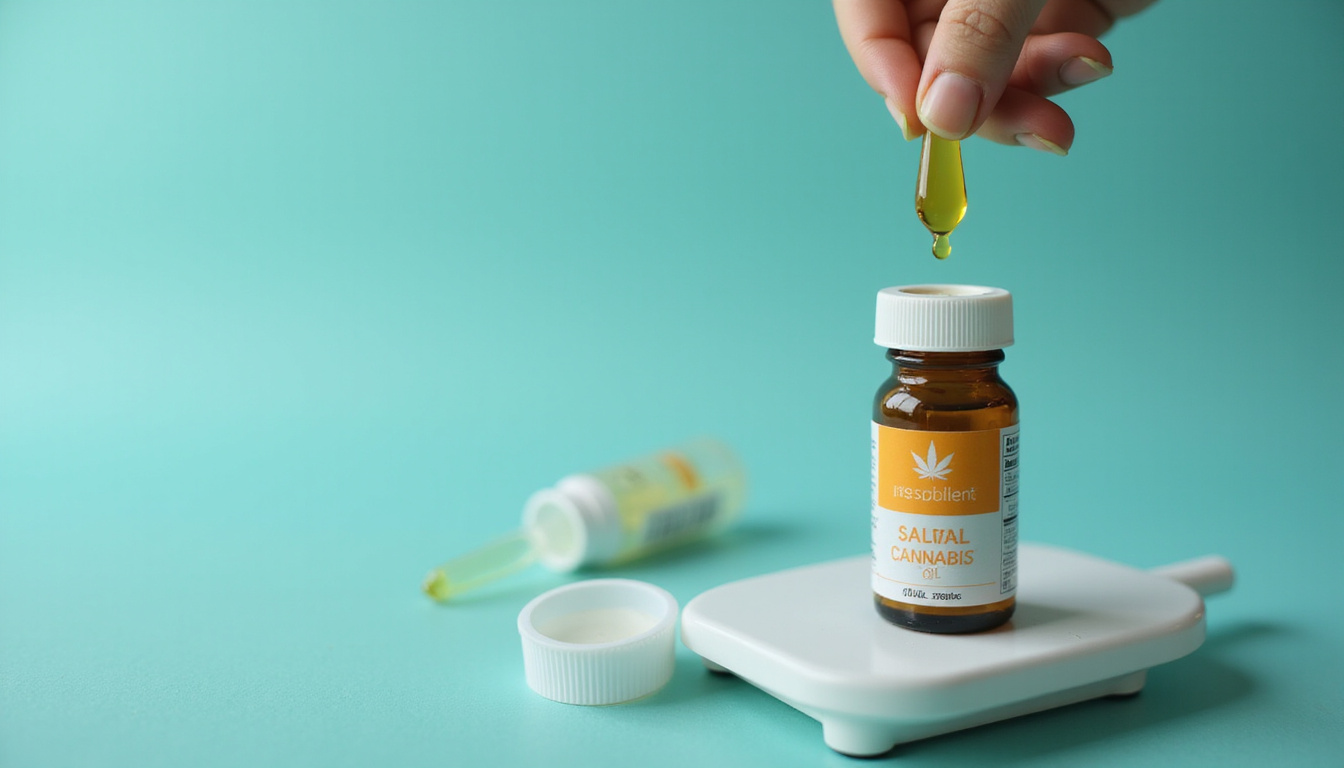
5. Follow the “Start Low, Go Slow, Stay Consistent” Rule
Dose is where many people run into trouble. Too much THC, especially too quickly, is the most common cause of bad experiences.
General principles:
-
Start low
- THC-naïve users: 1–2.5 mg THC per dose (or even less)
- CBD: 5–10 mg per dose as a starting point for many conditions
-
Go slow
- Maintain the same dose for at least 2–3 days before adjusting
- Increase by small increments (e.g., 1–2.5 mg THC or 5–10 mg CBD)
-
Stay consistent
- Take doses at the same times each day when using for chronic conditions
- Track responses in a journal: symptom relief, side effects, mood, sleep, and functional changes
Never re-dose oral THC too quickly. Wait at least 2 hours before considering more, because edibles and capsules can take a while to peak.
6. Recognize and Manage Side Effects Early
Even at medical doses, side effects can occur. Knowing what to watch for helps you act before minor issues become big problems.
Common side effects of THC-dominant products:
- Drowsiness or sedation
- Dry mouth and dry eyes
- Faster heart rate, palpitations
- Dizziness, especially when standing up
- Anxiety, paranoia, or feeling “out of control”
- Impaired memory and attention
CBD-dominant products can cause:
- Fatigue or drowsiness
- Diarrhea or stomach upset in some users
- Changes in appetite
- Elevated liver enzymes at high doses, especially with certain meds
If you experience unpleasant effects:
- Lower your dose or switch to a higher CBD:THC ratio
- Avoid mixing with alcohol, benzodiazepines, or other sedatives
- Use in a safe environment with someone you trust if you’re new or trying a higher dose
Severe symptoms—chest pain, severe confusion, hallucinations, or suicidal thoughts—require immediate medical attention.
For a comprehensive overview of risks and medical uses, the National Academies of Sciences provides a detailed review of cannabis and health (source: National Academies).
7. Protect Your Lungs and Heart
Even for medical use, how you consume cannabis matters for long-term safety.
To protect your lungs:
- Prefer vaporization of flower at controlled temperatures or non-inhaled routes over smoking
- Avoid high-temperature dabbing and unregulated vape cartridges
- Do not use cannabis if you have severe lung disease without specialist input
To protect your heart and circulation:
- Use caution if you have heart disease, arrhythmias, or uncontrolled high blood pressure
- Avoid high-THC doses, especially in one large exposure
- Monitor your heart rate and blood pressure when starting or adjusting doses
If you notice chest discomfort, a racing heart, or feeling faint, seek immediate medical care.
8. Be Honest About Dependence and Misuse Risk
Medical marijuana can still be habit-forming, especially with high-THC, high-frequency use. Cannabinoid use disorder is real and more likely when:
- You use large doses of THC every day
- You use it for non-medical reasons (e.g., to escape feelings, boredom)
- You have a personal or family history of addiction
- You experience withdrawal-like symptoms (irritability, sleep disturbance, craving) when you stop
Risk-reduction strategies:
- Keep doses as low as possible to achieve relief
- Avoid using cannabis as your only coping method for stress or emotions
- Take periodic “tolerance breaks” under medical supervision if appropriate
- Involve a therapist or addiction specialist if you worry about your use
9. Safely Store and Time Your Medical Marijuana Use
To minimize risk to others and avoid accidents:
-
Store securely
- Use child-resistant, locked storage
- Keep products in original labeled containers
- Never leave edibles or gummies where children or pets can access them
-
Time your doses
- Avoid dosing close to responsibilities that require full attention (e.g., work, caregiving)
- Take sedating products in the evening if possible
- Avoid combining with alcohol or recreational drugs
If a child or pet ingests cannabis, contact emergency services or poison control right away.
10. Know the Legal and Workplace Rules in Your Area
Even when your medical marijuana use is fully legal under state law, there may be:
- Employer policies that prohibit any cannabis use
- Professional licensing rules about impairment
- Restrictions on driving under the influence
Key tips:
- Learn your state or country’s specific medical marijuana regulations
- Understand that driving while impaired is illegal—and dangerous—even with a medical card
- If you hold a safety-sensitive job (e.g., commercial driver, pilot, healthcare provider), check relevant regulations before starting treatment
When in doubt, ask an attorney or workplace HR about your rights and obligations.
11. Combine Medical Marijuana With Other Evidence-Based Care
For many conditions, cannabis works best as part of a broader treatment plan, not as a standalone cure.
Examples:
-
Chronic pain
- Combine with physical therapy, strength training, ergonomic adjustments, and cognitive-behavioral therapy for pain
- Consider it as an adjunct to reduce—but not abruptly replace—other medications, under medical guidance
-
Anxiety or PTSD
- Use alongside psychotherapy (CBT, EMDR, etc.)
- Monitor carefully for any worsening of anxiety or mood with THC
-
Insomnia
- Start with sleep hygiene strategies (dark, cool room, consistent bedtime)
- Use low-dose, carefully timed products if needed, and reassess regularly
This integrated approach improves results and reduces the chance of relying solely on medical marijuana for complex medical issues.
Quick Checklist: Safer Medical Marijuana Use
Use this list as a practical reference:
- Defined my medical goal and baseline symptoms
- Consulted a knowledgeable clinician and disclosed all my medications
- Chosen a product with an appropriate THC:CBD ratio
- Selected the right delivery method for my condition
- Started with a very low dose and increased slowly
- Monitored and recorded symptom changes and side effects
- Protected my lungs and heart with safer use methods
- Stored products securely away from children and pets
- Studied local laws and workplace policies
- Integrated cannabis with other treatments, not as a standalone cure
FAQ About Medical Marijuana and Safe Use
1. Is medical cannabis safer than recreational marijuana?
Medical cannabis products are typically used with more structure (defined doses, specific ratios, clinician oversight), which can make them safer in practice. However, the plant itself is the same, and the risks—impaired driving, dependence potential, side effects—are still present, especially with high-THC products or heavy use.
2. How do I know if I’m taking the right medical marijuana dosage?
The “right” dose is the lowest amount that meaningfully improves your symptoms without causing side effects that disrupt your life. Use a symptom diary, adjust slowly, and review regularly with your healthcare provider. If higher doses are not improving function and are adding side effects, it’s likely too much.
3. Can CBD alone replace medical marijuana with THC?
For some conditions—particularly certain seizure disorders, mild anxiety, or inflammatory issues—CBD-only products may be enough. For others, especially some types of chronic pain or spasticity, a small amount of THC can add benefit. The best approach is individualized, starting with CBD-dominant products and carefully exploring whether adding low-dose THC is necessary and safe.
Medical marijuana can be a powerful tool—when used thoughtfully. If you’re considering it, or already using it but unsure you’re getting the most benefit, now is the time to take a more structured, informed approach.
Talk with a clinician experienced in cannabinoid medicine, review your goals, and create a personalized plan that includes careful dosing, monitoring, and integration with other therapies. With the right guidance, you can maximize relief, protect your health, and make medical marijuana a responsible, effective part of your treatment strategy.