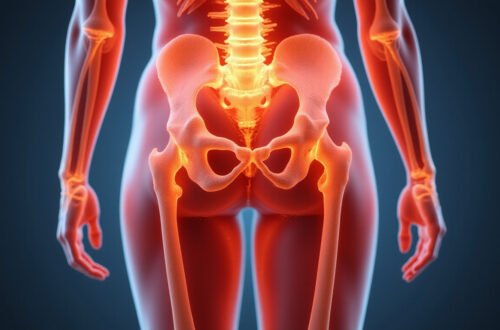
Muscle atrophy—also called muscle wasting—is the loss of muscle mass, strength, and size over time. It can happen slowly and silently, or it can appear suddenly after an injury or illness. The good news: in many cases, muscle atrophy is at least partially reversible with the right strategy. Understanding why it happens and how to respond early is critical for protecting your mobility, independence, and long‑term health.
What Is Muscle Atrophy?
Muscle atrophy is a reduction in muscle tissue that leads to weaker, smaller muscles. Under a microscope, individual muscle fibers actually shrink, and over time, the body may even break down muscle protein to use as energy.
There are two broad types:
-
Disuse atrophy
- Caused by inactivity: bed rest, sedentary lifestyle, desk jobs, limb immobilization, or long recovery after surgery.
- Common in older adults, people with chronic pain, or anyone who stops regular activity abruptly.
-
Neurogenic atrophy
- Caused by damage or disease affecting the nerves that control muscles.
- Seen with conditions such as spinal cord injury, peripheral neuropathy, ALS, or nerve compression.
- Typically progresses faster and can be more severe.
In both cases, you lose strength, power, and endurance—making daily tasks like climbing stairs, lifting groceries, or getting up from a chair more difficult.
Why Muscle Atrophy Matters More Than You Think
Muscle is more than “aesthetic.” It’s a vital organ for movement, metabolism, and protection.
Unchecked muscle atrophy can lead to:
- Loss of independence – Difficulty walking, standing, or completing basic self-care.
- Higher fall and fracture risk – Weaker muscles means less stability and worse reaction time.
- Slower metabolism – Muscle tissue burns more calories at rest; losing it can encourage fat gain.
- Poorer recovery from illness or injury – Less “reserve” to support healing.
- Greater risk of chronic disease – Low muscle mass is linked to increased mortality and conditions like type 2 diabetes and cardiovascular disease (source: NIH).
Because muscle naturally declines with age (a process called sarcopenia), staying ahead of atrophy is especially important after age 40. —
Common Causes and Risk Factors
1. Inactivity and Sedentary Lifestyle
Extended periods of low activity are the most common cause of muscle atrophy:
- Sitting most of the day
- Avoiding load-bearing movement due to pain
- Long-term bed rest
- Post-surgical or injury immobilization (casting, bracing)
Research suggests muscle strength can start to decline noticeably after just 1–2 weeks of near-complete inactivity.
2. Aging (Sarcopenia)
From around age 30, adults can lose 3–8% of muscle mass per decade, with an acceleration after 60 if no action is taken. Factors include:
- Hormonal changes (e.g., reduced growth hormone and testosterone)
- Lower physical activity
- Nutrient absorption issues
- Chronic inflammation
3. Poor Nutrition
Muscles require sufficient building blocks. Atrophy is more likely if you have:
- Low protein intake
- Chronic dieting or sudden, large calorie cuts
- Deficiencies in vitamin D, B vitamins, or other key nutrients
- Chronic diseases that impair appetite or absorption (e.g., GI disorders, cancer)
4. Illness, Injury, and Chronic Conditions
Some conditions directly or indirectly drive muscle wasting:
- Cancer, COPD, heart failure, kidney/liver disease
- Autoimmune or inflammatory disorders
- Prolonged infection or sepsis
- Fractures, ligament tears, or joint injuries limiting movement
5. Neurological Conditions
Neurogenic forms of muscle atrophy arise from:
- Nerve compression (severe herniated disc, carpal tunnel)
- Spinal cord injuries
- Neuropathies (e.g., from diabetes)
- Motor neuron diseases like ALS
- Stroke
These cases require close medical and rehabilitation oversight.
Early Signs and Symptoms of Muscle Atrophy
Catching muscle atrophy early greatly improves your chances of reversing it. Watch for:
- Noticeable weakness – Tasks that were once easy (stairs, standing from the floor, carrying laundry) now feel harder.
- Reduced muscle size or definition – Arms, legs, or glutes look smaller or “soft.”
- Clothes fitting differently – Looser around thighs or arms without intentional weight loss.
- Loss of balance or stability – Feeling unsteady, especially when turning quickly or stepping off curbs.
- Fatigue with simple activity – Needing more rest after short walks or basic chores.
If atrophy appears rapidly, affects just one limb, or is accompanied by numbness, pain, or loss of control, seek medical evaluation promptly.
Can Muscle Atrophy Be Reversed?
In many cases, yes—at least partially. The degree of reversibility depends on:
- Type (disuse vs. neurogenic)
- Duration (months vs. decades)
- Age and overall health
- Underlying medical conditions
Disuse atrophy from inactivity or aging often responds well to:
- Progressive resistance training
- Adequate protein and calorie intake
- Consistent movement throughout the day
Neurogenic atrophy is more complex but may still improve with:
- Treatment of the underlying nerve issue (e.g., decompression surgery, medications)
- Specialized physical and occupational therapy
- Adaptive strengthening and neuromuscular re-education
The sooner you begin targeted intervention, the more muscle you can preserve or rebuild.

How to Stop Muscle Atrophy and Regain Strength
1. Get a Proper Diagnosis
Before starting a plan, especially if your muscle loss is substantial or sudden:
- Visit your primary care doctor or a physiatrist (rehabilitation doctor).
- You may need:
- Physical exam and strength testing
- Blood work (to check inflammation, hormones, and nutritional status)
- Imaging or nerve studies if neurological issues are suspected
Knowing whether you’re dealing with simple disuse or a more serious underlying problem is crucial.
2. Build a Smart Strength-Training Program
Resistance training is the most powerful, evidence-based tool against muscle atrophy.
Principles to follow
- Frequency: Aim for 2–4 days per week of strength training.
- Intensity: Use weight or resistance that makes the last 2–3 reps of a set challenging.
- Progression: Gradually increase weight, resistance, or repetitions over time.
- Form first: Prioritize control and technique over heavy loads.
Focus on compound movements
These recruit multiple muscle groups and mimic daily actions:
- Squats or sit-to-stand from a chair
- Lunges or step-ups
- Hip hinges (deadlift variations, Romanian deadlifts)
- Push-ups (wall, counter, or floor depending on level)
- Rows (bands, dumbbells, cable machine)
- Overhead presses (light dumbbells/bands)
If you’re deconditioned or older, working with a physical therapist or qualified trainer is invaluable to design a safe, tailored progression.
3. Optimize Your Daily Movement
Formal workouts matter, but movement across the day is just as important:
- Stand up and walk for a few minutes every 30–60 minutes.
- Use stairs when possible.
- Carry your groceries instead of using a cart for small loads.
- Do simple exercises (calf raises, wall sits, seated marches) during TV breaks.
Think of your muscles as an account: every bit of movement is a “deposit” that counters atrophy.
4. Get Enough Protein and Calories
Your body can’t rebuild muscle without raw materials.
Protein targets
For people dealing with muscle atrophy or age-related loss, many experts recommend:
- 1.2–1.6 grams of protein per kilogram of body weight per day
(e.g., 80–105 g daily for a 150-lb / 68-kg person), unless restricted by kidney or other medical conditions.
Spread protein across meals:
- 20–40 g of high-quality protein at each meal can stimulate muscle protein synthesis.
Good sources:
- Lean meats, poultry, fish
- Eggs and dairy (Greek yogurt, cottage cheese)
- Beans, lentils, tofu, tempeh, edamame
- Protein powders (whey, casein, or plant-based) if food alone is difficult
Overall calories
Severe calorie restriction accelerates muscle loss. If you’re under-eating due to low appetite, illness, or dieting, muscle preservation becomes difficult. A registered dietitian can help you balance fat loss with muscle maintenance.
5. Support Recovery and Hormonal Health
Muscle repair and growth happen when you rest, not when you train.
Key factors:
- Sleep: Aim for 7–9 hours per night. Poor sleep reduces growth hormone and increases muscle breakdown.
- Stress management: Chronic stress and high cortisol can worsen muscle wasting.
- Hormones: For some, low testosterone, estrogen, or thyroid function contribute to muscle atrophy. Discuss testing and treatment options with your healthcare provider if appropriate.
- Micronutrients: Vitamin D, magnesium, and B vitamins support muscle and nerve function; supplement only under guidance if deficient.
6. Work with Rehabilitation Professionals When Needed
If muscle atrophy is moderate to severe, or if you have complex medical issues, a multidisciplinary rehab approach is ideal:
- Physical therapists – Strength, mobility, gait training, balance work, individualized exercises.
- Occupational therapists – Strategies and tools for daily activities, energy conservation, and independence.
- Physiatrists (PM&R doctors) – Oversee rehab plans, prescribe therapies, and coordinate care.
These experts can help you progress without overloading vulnerable joints, nerves, or healing tissues.
Sample Weekly Plan to Combat Muscle Atrophy
Always adjust based on your health status and professional advice, but a general framework might look like:
-
Strength Training (3 days/week)
- Day 1: Lower body focus (squats/sit-to-stand, step-ups, glute bridges, calf raises)
- Day 2: Upper body focus (rows, presses, push-ups, biceps/triceps work)
- Day 3: Full body (lighter, combining both with higher reps)
-
Daily Movement (7 days/week)
- 6,000–8,000 steps if tolerated (or any improvement from your current baseline)
- Brief mobility or stretching routines
-
Balance and Core Work (2–3 days/week)
- Single-leg stands by a counter for support
- Heel-to-toe walking along a hallway
- Planks (on knees or elevated), bird-dogs, dead bugs
-
Recovery
- At least one full rest day from intense exercise
- Light walking or gentle stretching on off days
Frequently Asked Questions About Muscle Atrophy
1. How long does it take to reverse muscle wasting?
Recovery time varies widely. Mild disuse muscle atrophy from a few weeks of inactivity may show improvements in strength and size within 4–8 weeks of consistent, progressive strength training. Long-standing atrophy, especially in older adults or those with chronic illness, can take several months or more to see substantial changes. Neurogenic cases may regain function more slowly and sometimes only partially, depending on nerve recovery.
2. Can you rebuild muscle after severe muscle loss?
In many cases you can rebuild at least part of what was lost, even if atrophy has been severe. Muscle fibers can grow larger (hypertrophy) and neighboring muscles can compensate. Age does not eliminate the ability to build muscle—older adults still respond strongly to resistance training. That said, if muscle tissue and nerve connections have been extensively damaged, full restoration might not be possible; a rehab specialist can give you a realistic outlook.
3. What is the best exercise for muscle wasting in the legs?
The best exercises for leg muscle atrophy are those that load the major lower-body muscles safely and progressively. Examples include:
- Chair sit-to-stands or squats
- Step-ups onto a low step
- Glute bridges
- Leg presses (in a gym setting)
- Calf raises while holding onto a support
Start with bodyweight, assisted versions (e.g., using a countertop or rail), and increase resistance over time. If balance is an issue, working under supervision is especially important.
Take Action Now: Don’t Wait for Muscle Atrophy to Get Worse
Muscle atrophy rarely improves by itself. The longer you wait, the harder it becomes to regain strength, stability, and independence. The upside is that your muscles are remarkably adaptable at any age when you give them the right signals: move them, challenge them, and fuel them.
If you’ve noticed weakness, shrinking muscle, or increasing difficulty with daily tasks, now is the time to act. Talk with your healthcare provider, seek a referral to physical therapy, and begin a structured plan that combines resistance training, daily movement, and proper nutrition.
Every step, every repetition, and every good meal is a vote against decline and for a stronger, more capable future. Start today—your future mobility and independence depend on the actions you take now.