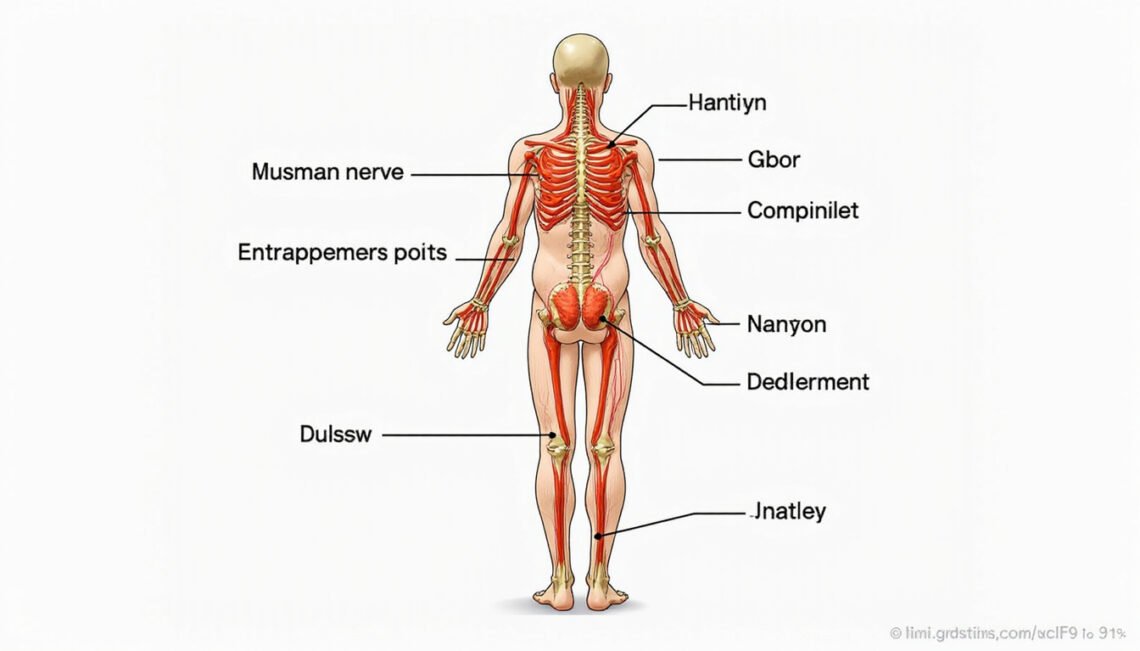
Nerve entrapment syndrome is a common yet often misunderstood condition that can cause significant discomfort and impair daily activities. Understanding nerve entrapment syndrome, its symptoms, causes, and effective treatments is essential for those experiencing unexplained nerve pain or dysfunction. This article will provide a comprehensive overview, helping you identify signs early and seek appropriate care.
What Is Nerve Entrapment Syndrome?
Nerve entrapment syndrome occurs when a nerve becomes compressed or pinched by surrounding tissues such as muscles, bones, tendons, or cartilage. This compression disrupts normal nerve function, leading to pain, numbness, tingling, or weakness in the affected area. While it can occur anywhere in the body, it frequently affects the hands, wrists, elbows, knees, and feet.
The underlying issue arises when prolonged pressure on the nerve impairs signal transmission between the brain and muscles or skin, often worsening when performing repetitive activities or maintaining certain postures.
Common Symptoms of Nerve Entrapment Syndrome
Recognizing the symptoms of nerve entrapment syndrome early can be crucial for preventing permanent nerve damage. Symptoms commonly include:
- Pain: Often sharp, shooting, or burning along the nerve’s pathway.
- Tingling or “Pins and Needles”: A prickly sensation commonly felt in the fingers or toes.
- Numbness: Partial or complete loss of sensation in the area the nerve supplies.
- Muscle Weakness: Difficulty performing tasks requiring dexterity or strength.
- Swelling or Tenderness: Sometimes visible in the affected area due to inflammation.
Symptoms may worsen during activities that compress the nerve and improve with rest.
Causes of Nerve Entrapment Syndrome
Understanding what causes nerve entrapment syndrome is key to prevention and treatment. Common causes include:
- Repetitive Motion: Activities that involve repeated wrist, elbow, or knee movements (e.g., typing, assembly line work).
- Injury or Trauma: Fractures, dislocations, or direct blows can trap nerves within swollen or displaced tissues.
- Prolonged Pressure: Habitual postures like resting elbows on hard surfaces compress nerves over time.
- Inflammatory Conditions: Conditions such as rheumatoid arthritis can lead to swelling and nerve compression.
- Anatomical Variations: Some individuals have narrower spaces through which nerves travel, making them more susceptible.
- Obesity: Excess body weight may increase pressure on peripheral nerves.
- Tumors or Cysts: Growths may physically squeeze nerves.
Examples of nerve entrapment syndromes include carpal tunnel syndrome (median nerve compression in the wrist) and cubital tunnel syndrome (ulnar nerve compression at the elbow).
Diagnosing Nerve Entrapment Syndrome
Accurate diagnosis is essential to tailor effective treatment strategies. A healthcare provider typically uses:
- Medical History and Physical Exam: To assess symptom location, severity, and onset.
- Nerve Conduction Studies and Electromyography (EMG): Measure electrical signals to detect nerve damage or compression.
- Imaging: MRI or ultrasound can visualize structural abnormalities affecting nerves.
Early diagnosis improves treatment outcomes and prevents irreversible nerve damage.
Treatment Options for Nerve Entrapment Syndrome
Treatment for nerve entrapment syndrome depends on severity and underlying cause. It typically follows a stepwise approach:
1. Conservative Management
Many cases respond well to non-invasive methods:
- Rest and Activity Modification: Avoiding activities that provoke symptoms to reduce nerve irritation.
- Physical Therapy: Exercises to stretch and strengthen muscles, improve posture, and relieve pressure on nerves.
- Splinting or Bracing: Immobilizing affected joints to limit movement and protect nerves.
- Medications: NSAIDs (non-steroidal anti-inflammatory drugs) or corticosteroids to reduce inflammation and pain.
- Ergonomic Adjustments: Modifying workstation setups or tools to minimize nerve compression.
2. Minimally Invasive Procedures
If conservative treatment fails, options may include:
- Nerve Blocks: Injection of anesthetics and steroids around the nerve to reduce inflammation.
- Ultrasound-Guided Hydrodissection: Injecting fluid to separate nerve from surrounding tissues.
3. Surgical Intervention
Surgery is considered when symptoms are severe or persistent despite other treatments. Procedures aim to release the pressure on the nerve by cutting or widening the constricting tissues.
- Carpal Tunnel Release: Most common surgical procedure for median nerve entrapment.
- Ulnar Nerve Decompression: Typically performed at the elbow.
- Peripheral Nerve Neurolysis: Removing scar tissue around nerves.
Postoperative rehabilitation is important to restore function and prevent recurrence.
Preventing Nerve Entrapment Syndrome
Prevention focuses on reducing risk factors:
- Maintain good posture and ergonomics during work and daily tasks.
- Take frequent breaks during repetitive activities.
- Use supportive splints if needed during activities.
- Maintain a healthy weight and overall fitness.
- Manage underlying medical conditions like diabetes or arthritis.
Key Takeaways: Understanding Nerve Entrapment Syndrome
To summarize, here are the critical points to remember about nerve entrapment syndrome:
- Compression of nerves causes characteristic symptoms such as pain and numbness.
- Commonly affected sites include wrists, elbows, and knees.
- Repetitive motion, injury, and inflammatory diseases are major causes.
- Early diagnosis via nerve tests and imaging helps prevent damage.
- Most cases improve with rest, therapy, and ergonomic changes.
- Surgery is reserved for severe or resistant cases.
FAQs About Nerve Entrapment Syndrome
Q1: How is nerve entrapment syndrome different from neuropathy?
Nerve entrapment syndrome refers to localized nerve compression causing symptoms in a specific area. Neuropathy is a broader term for nerve dysfunction which can be caused by systemic conditions like diabetes.
Q2: Can nerve entrapment syndrome heal on its own?
In mild cases, symptoms may resolve with rest and avoiding aggravating activities. However, persistent cases require medical evaluation and intervention.

Q3: What lifestyle changes help manage nerve entrapment syndrome?
Incorporating ergonomic work habits, regular breaks, exercises to improve flexibility and strength, and maintaining a healthy weight can all reduce nerve compression risk.
Expert Resource for Further Reading
For detailed clinical guidelines on peripheral nerve entrapments, you may consult the American Academy of Orthopaedic Surgeons (AAOS) which provides evidence-based recommendations on diagnosis and treatment (source).
Take Control of Your Nerve Health Today!
If you suspect you have symptoms of nerve entrapment syndrome, don’t wait for the pain to worsen. Early evaluation by a healthcare provider can help pinpoint the problem and start you on the path to relief. Whether through physical therapy, ergonomic adjustments, or advanced interventions, effective treatments exist to restore comfort and function. Take charge of your nerve health now and enjoy a better quality of life free from the limiting effects of nerve entrapment syndrome.