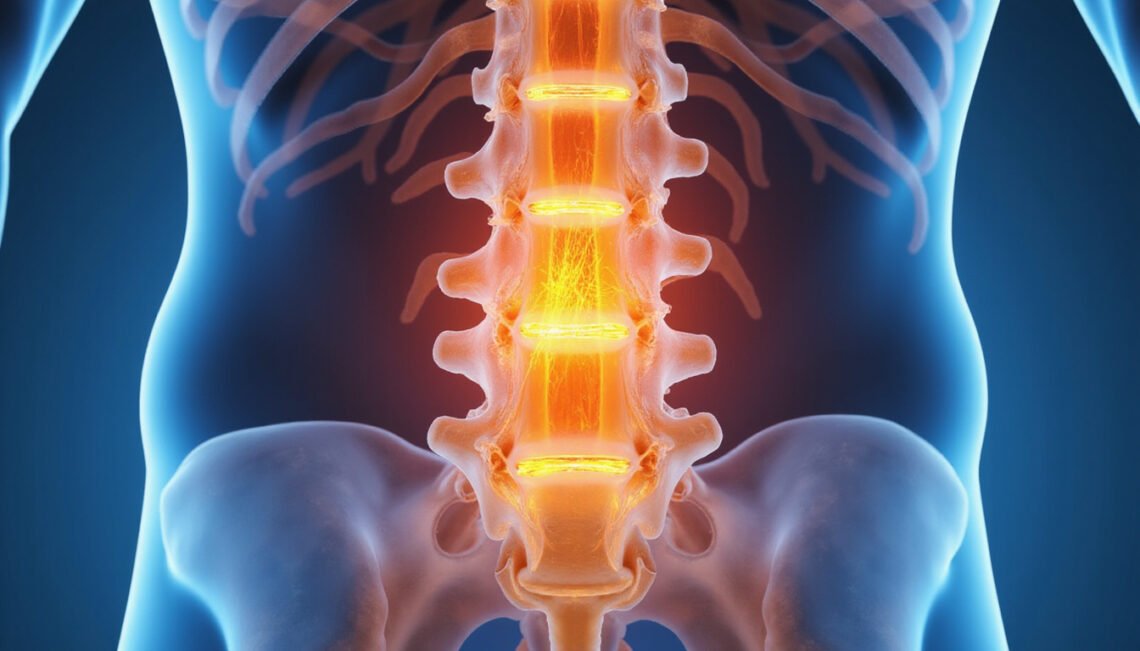
Nerve root compression syndrome is a common medical condition that affects the spinal nerves as they exit the spinal column. This syndrome can cause significant discomfort, pain, and functional limitations, impacting the quality of life for those affected. Understanding nerve root compression syndrome, including its symptoms, causes, and treatments, is essential for timely diagnosis and effective management.
What Is Nerve Root Compression Syndrome?
Nerve root compression syndrome occurs when one or more nerve roots emerging from the spinal cord are compressed or pinched. These nerve roots are responsible for transmitting sensory and motor signals between the spinal cord and the rest of the body. Compression can disrupt these signals, leading to pain, numbness, or weakness in the areas served by the affected nerves.
Commonly referred to as a "pinched nerve," this syndrome can affect any region of the spine but is most frequently seen in the cervical (neck) and lumbar (lower back) areas. The severity of symptoms varies depending on the degree and location of nerve compression.
Symptoms of Nerve Root Compression Syndrome
Recognizing the symptoms of nerve root compression syndrome is important for early intervention. Typical symptoms include:
- Localized pain: Sharp or burning pain near the site of compression, such as the neck or lower back.
- Radiating pain: Pain that travels along the path of the involved nerve, often down the arms or legs.
- Numbness and tingling: A "pins and needles" sensation in the limbs served by the compressed nerve.
- Muscle weakness: Difficulty in moving muscles or performing daily activities due to weakened nerve signals.
- Reduced reflexes: Decreased reflex responses in the affected limb.
Symptoms often worsen with certain movements or positions, such as bending, turning, or sitting for extended periods.
Causes of Nerve Root Compression Syndrome
Several factors can lead to nerve root compression syndrome. Understanding these causes helps in both prevention and treatment planning.
- Herniated Disc: One of the most common causes of nerve root compression is the herniation or bulging of intervertebral discs, which can press against nearby nerve roots.
- Degenerative Disc Disease: Age-related wear and tear may cause discs to lose height and cushioning capacity, leading to narrowing of the spaces through which nerve roots exit.
- Spinal Stenosis: This refers to the narrowing of the spinal canal or nerve root canals, often due to bone spurs, thickened ligaments, or other spinal changes.
- Injury or Trauma: Accidents or falls can displace vertebrae or lead to swelling that compresses nerve roots.
- Tumors or Infections: Growths or infections near the spine can also cause compression.
Risk factors include age, poor posture, repetitive strain, obesity, and certain occupational hazards.
Diagnosing Nerve Root Compression Syndrome
A healthcare provider will diagnose nerve root compression syndrome based on medical history, physical examination, and diagnostic tests. Key diagnostic tools include:
- Neurological examination: Evaluates sensory and motor function, reflexes, and muscle strength.
- Imaging tests: MRI scans are particularly useful in visualizing soft tissues such as discs and nerves. CT scans and X-rays may also help assess bony structures.
- Electrodiagnostic tests: Electromyography (EMG) and nerve conduction studies measure electrical activity in muscles and nerves to determine the extent of nerve impairment.
Accurate diagnosis is crucial to differentiate nerve root compression from other conditions with similar symptoms.
Treatment Options for Nerve Root Compression Syndrome
Treatment strategies depend on the severity of symptoms, the underlying cause, and individual patient factors. Approaches can be broadly categorized into conservative (non-surgical) and surgical options.
Conservative Treatments
- Physical therapy: Tailored exercises aim to strengthen supportive muscles, improve posture, and increase flexibility.
- Medications: Nonsteroidal anti-inflammatory drugs (NSAIDs), muscle relaxants, or corticosteroids can alleviate pain and inflammation.
- Activity modification: Avoiding actions that exacerbate symptoms can help reduce nerve irritation.
- Epidural steroid injections: Targeted injections can reduce inflammation around compressed nerves.
Most patients respond well to conservative treatments, especially when initiated promptly.

Surgical Treatments
Surgery may be considered if conservative measures fail to relieve symptoms, or if there is significant muscle weakness, loss of function, or intractable pain. Surgical options include:
- Discectomy: Removal of the herniated portion of a disc to relieve nerve pressure.
- Laminectomy: Removal of part of the vertebra (lamina) to enlarge the spinal canal.
- Foraminotomy: Widening the foraminal canal where the nerve root exits.
- Spinal fusion: Stabilizing the spine if instability is present.
Surgical decisions should be made in consultation with a spine specialist, balancing benefits against potential risks.
Preventing Nerve Root Compression Syndrome
While some causes are unavoidable, lifestyle changes can reduce the risk of developing this syndrome:
- Maintain good posture, especially during prolonged sitting or computer work.
- Engage in regular exercise to strengthen back and core muscles.
- Use ergonomic furniture and tools at work.
- Maintain a healthy weight to reduce spinal stress.
- Avoid heavy lifting or learn proper lifting techniques.
Frequently Asked Questions About Nerve Root Compression Syndrome
Q1: Can nerve root compression syndrome heal on its own?
Yes, mild cases often improve with rest, physical therapy, and anti-inflammatory medications. However, persistent or severe cases may require further intervention.
Q2: Is nerve root compression syndrome the same as sciatica?
Sciatica is a specific type of nerve root compression affecting the sciatic nerve in the lower back and leg. Nerve root compression syndrome can involve any spinal nerve root.
Q3: How long does treatment for nerve root compression syndrome typically last?
Treatment duration varies widely. Conservative therapy can last from weeks to months, while recovery from surgery may take several months depending on the procedure.
Conclusion
Nerve root compression syndrome is a condition that, while potentially painful and limiting, is manageable with the right knowledge and treatment. Early recognition of symptoms and appropriate medical evaluation can lead to effective relief and improved quality of life. Whether through physical therapy, medications, or surgery, comprehensive care tailored to individual needs offers a pathway to recovery.
If you or a loved one are experiencing symptoms suggestive of nerve root compression syndrome, don’t delay seeking professional assessment. Consult a healthcare provider to explore your options and reclaim comfort and mobility.
For more detailed information on spinal nerve issues and advancements in treatment, the Mayo Clinic offers extensive resources and expert guidance (source). Take action today to protect your spine and overall well-being!