
Neurodynamic testing is one of the most powerful—yet often overlooked—tools for identifying nerve entrapments, guiding treatment, and speeding recovery from stubborn pain conditions. If you’ve struggled with symptoms like tingling, burning, shooting pain, or unexplained weakness, understanding how nerve mechanics are assessed can be a game-changer for both diagnosis and rehabilitation.
This guide explains what neurodynamic testing is, how it works, what conditions it can help with, and how it fits into a complete recovery plan.
What Is Neurodynamic Testing?
Neurodynamic testing is a group of clinical tests used to assess the mechanical and physiological behavior of the nervous system. In simpler terms, it evaluates:
- How well your nerves glide and move through the body
- Whether they are sensitive, irritated, or compressed
- How nerve tension changes when your joints and spine move
The nervous system isn’t a rigid wiring system. Nerves must slide, elongate, and adapt as you bend, reach, and walk. When nerves get “stuck”—due to tension, inflammation, scarring, or compression—symptoms can show up far away from the actual problem.
Neurodynamic tests help clinicians figure out whether your pain is related to nerve issues or more to muscles, joints, or other tissues.
Why Nerve Mobility Matters
Healthy nerves can:
- Stretch and glide through tunnels and between muscles
- Tolerate normal compression and tension
- Transmit signals reliably without causing pain
When nerve mobility is compromised, you may experience:
- Tingling or pins-and-needles
- Numbness
- Burning or electric shock-like pain
- Weakness or heaviness in an arm or leg
- Pain that follows a nerve path (e.g., down the leg or arm)
Many common problems have a neurodynamic component, including:
- Sciatica
- Carpal tunnel syndrome
- Cervical radiculopathy (pinched nerve in the neck)
- Ulnar nerve entrapment (elbow)
- Thoracic outlet syndrome
- “Hamstring tightness” that doesn’t respond to stretching
- Post-surgical nerve irritation
Neurodynamic testing helps distinguish whether your pain is truly coming from a nerve and where along its path the problem is likely located.
How Neurodynamic Testing Works
Neurodynamic tests involve systematically positioning the body to put controlled tension on specific nerves, then modifying that tension with movements in the spine or limbs. The examiner looks for:
- Reproduction of your familiar symptoms
- Changes when certain joints are moved (called “sensitizing maneuvers”)
- Differences between sides of the body
- Range of motion at which symptoms begin
The aim is not to cause pain, but to see how the nervous system responds to normal or slightly increased mechanical stress.
Key Principles Behind the Tests
-
Sequential positioning
Joints are placed in a step-by-step manner (e.g., shoulder, elbow, wrist, neck) to load a target nerve. -
Symptom reproduction
Clinicians ask, “Does this feel like your usual pain?” This is critical; random discomfort isn’t enough to make the test positive. -
Sensitivity to change
If moving the neck or spine changes the intensity or spread of symptoms, it suggests nerve involvement rather than a purely local muscle or joint issue. -
Side-to-side comparison
Comparing the symptomatic side with the unaffected side helps identify abnormal nerve sensitivity or mobility.
These principles come from the field of neurodynamics, significantly advanced by David Butler and others, and are supported in modern musculoskeletal practice (source: Physiopedia / neurodynamics overview).
Common Types of Neurodynamic Tests
Different tests target different nerves. Here are some of the most widely used clinical neurodynamic tests.
1. Straight Leg Raise (SLR) – Sciatic Nerve
Used mainly for leg pain, low back pain, and suspected sciatica.
- You lie on your back.
- The clinician raises your straight leg, stretching the sciatic nerve.
- Variations include ankle dorsiflexion (toes up) or neck flexion (chin to chest) to see if symptoms change.
Positive sign: Reproduction of your typical leg pain or nerve-like symptoms in a specific range, especially if neck or ankle position strongly influences it.
2. Slump Test – Neural Tension in the Spine and Sciatic Nerve
Useful for more subtle or chronic neural sensitivity.
- You sit upright, hands behind your back.
- You “slump” forward, flexing the spine.
- The neck is gently flexed.
- One knee is straightened, then the ankle brought into dorsiflexion.
The examiner may adjust neck and spine positions to see how symptoms change.
Positive sign: Your familiar symptoms appear or intensify in this sequence and ease when tension is reduced (e.g., by extending the neck).
3. Upper Limb Neurodynamic Tests (ULNTs) – Arm Nerves
Several standardized upper limb tests selectively stress different nerves:
-
ULNT1 (Median nerve bias):
Shoulder abduction and external rotation, wrist and finger extension, elbow extension, and sometimes neck side-bending away or toward. -
ULNT2a (Median nerve – alternative) and ULNT2b (Radial nerve bias)
Use different shoulder and forearm positions to bias specific nerves. -
ULNT3 (Ulnar nerve bias):
Elbow flexion, wrist extension, shoulder abduction, and external rotation, often called the “waiter’s tray” position.
Positive sign: Clear reproduction of your usual arm/hand symptoms, especially when neck side-bending changes the intensity.
What a Positive Neurodynamic Test Means
A positive neurodynamic test suggests that:
- A nerve is mechanically sensitive (irritated by movement or tension).
- There may be entrapment or compression along the nerve’s path (e.g., at the spine, a tight fascia tunnel, or muscular interface).
- The nervous system is hypersensitive—it may be reacting to normal movement as if it’s threatening.
However, a single positive test is not enough to give a complete diagnosis. Neurodynamic testing is combined with:
- Neurological exam (strength, reflexes, sensation)
- Orthopedic tests (for joints, discs, ligaments)
- History (onset, behavior of symptoms, aggravating factors)
- Imaging if needed (MRI, ultrasound, etc.)
The result: a clearer picture of whether the nerve is the main pain generator or just part of a bigger puzzle.
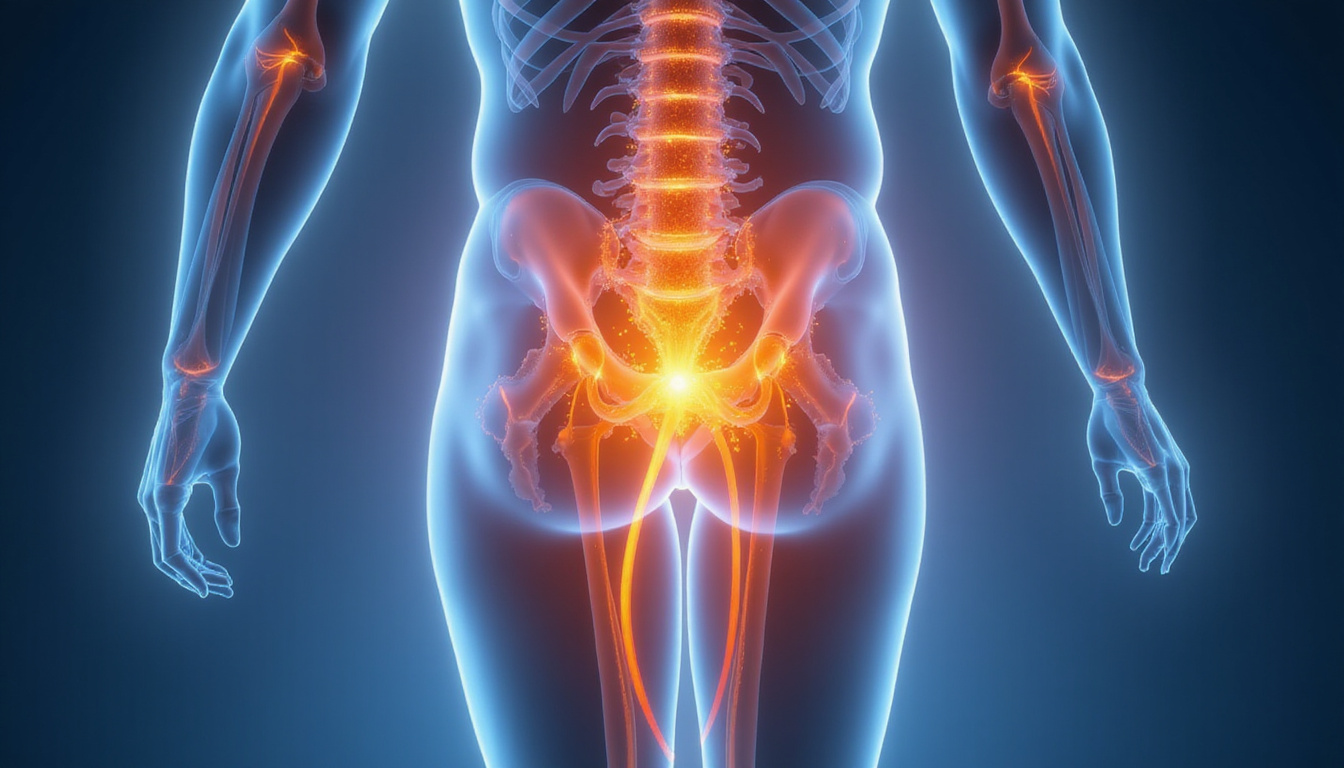
Nerve Entrapment vs. Muscle Tightness
Many people stretch muscles for months with limited progress because the root problem isn’t just tight muscles—it’s irritated nerves.
Key differences:
-
Muscle tightness
- Often feels like a stretch or dull ache in the muscle belly
- Usually improves with stretching and soft tissue work
- Less influenced by neck or spine positions
-
Nerve-related symptoms
- Tingling, burning, sharp, or electric shock-like pain
- Can radiate along a line or specific path (dermatome or nerve distribution)
- Strongly influenced by positions of the spine or key joints
- Often reproduced with neurodynamic testing
When neurodynamic tests are positive, treatment must address nerve health—not just muscle flexibility.
How Neurodynamic Testing Speeds Recovery
By identifying nerve involvement early, neurodynamic testing can:
-
Refine diagnosis
Differentiate between disc-related pain, peripheral nerve entrapment, or muscular strain. -
Guide targeted treatment
Directs clinicians to use nerve-focused strategies (sliders, tensioners, posture, load management) instead of endlessly stretching or strengthening the wrong structures. -
Monitor progress
Repeating tests over time shows changes in:- Range of motion before symptoms start
- Intensity and quality of symptoms
- Symmetry between sides
-
Prevent flare-ups
Understanding which movements sensitize your nerves helps you modify activities and use better ergonomics.
Neurodynamic Treatment: Nerve Glides and More
Once neurodynamic testing confirms nerve involvement, clinicians often use neurodynamic techniques (sometimes called nerve glides or nerve flossing) to restore normal mobility and sensitivity.
Nerve Sliders vs. Tensioners
-
Sliders (gliding):
One end of the nerve is lengthened while the other is shortened, promoting gentle movement without significantly increasing overall tension.- Example: Straightening the knee while lifting the head, then bending the knee while tucking the chin.
-
Tensioners:
Both ends of the nerve are moved in a way that increases overall length and tension, used cautiously and often later in rehab.
Your provider chooses the right approach based on irritability, severity, and your response to testing.
Other Key Components of Treatment
- Posture and ergonomic changes (desk setup, lifting technique)
- Gradual return to loading (strength training, walking, sports)
- Manual therapy to address interfaces (muscles, fascia, joints)
- Education on symptom management and pacing
Done correctly, neurodynamic treatment aims to desensitize the nervous system, improve nerve mobility, and restore confident movement.
What to Expect During Neurodynamic Testing
If you see a physical therapist, chiropractor, sports physician, or other musculoskeletal clinician, neurodynamic testing may be part of your exam.
You can expect:
- Detailed questions about your pain pattern and triggers
- Gentle, progressively applied limb and spine positions
- Frequent check-ins: “What do you feel?” “Is this your usual pain?”
- Stopping if symptoms become too intense
A good clinician will:
- Explain what they’re doing and why
- Compare both sides of the body
- Integrate test findings into a broader plan, not rely on them alone
If the testing is very provocative, your provider may start with conservative, low-load nerve sliders and gradually progress as you improve.
When to Seek Professional Help
You should seek assessment (including possible neurodynamic testing) if you notice:
- Persistent tingling, numbness, or burning in an arm, leg, hand, or foot
- Pain shooting down a limb, especially with spinal movements
- Weakness or clumsiness in a specific area (e.g., grip strength, foot drop)
- “Hamstring tightness” that doesn’t improve with stretching
- Symptoms that worsen with sitting, driving, or certain head/neck positions
Red flags—such as sudden loss of bladder/bowel control, severe weakness, or rapidly progressing numbness—require urgent medical evaluation.
Simple Self-Care Principles (Not a DIY Diagnosis)
While formal neurodynamic testing must be done by a trained professional, you can support nerve health with a few general guidelines:
- Avoid staying in one posture for long periods (especially slumped sitting).
- Introduce movement breaks throughout the day (neck, shoulders, hips).
- Progress activity gradually—avoid sudden spikes in training volume.
- Be cautious with aggressive stretching when you have nerve-like symptoms; more stretch isn’t always better.
These are broad principles, not substitutes for personalized care. If symptoms persist or worsen, consult a qualified clinician.
Quick FAQ About Neurodynamic Testing and Nerve Pain
1. What is a neurodynamic test for the sciatic nerve?
A common neurodynamic test for the sciatic nerve is the Straight Leg Raise and its variations. By lifting the straight leg and adding ankle and neck movements, clinicians can see whether your sciatic nerve is sensitive or entrapped along its path.
2. How is neural tension testing in the upper limb performed?
Upper limb neural tension tests (ULNTs) position the shoulder, elbow, wrist, and neck in specific sequences to bias different nerves (median, ulnar, radial). The examiner looks for reproduction of your typical arm or hand symptoms and how they change when the neck or shoulder position is adjusted.
3. Are nerve glides from neurodynamic assessment safe to do at home?
Nerve glides can be very effective when prescribed correctly after a proper neurodynamic assessment. However, doing random nerve flossing exercises from the internet can aggravate symptoms. It’s best to get individualized instructions on frequency, range, and symptom limits from a healthcare professional.
Move Beyond Guesswork: Get Your Nerves Properly Assessed
If you’ve been stretching, resting, or strengthening for weeks without meaningful improvement, your nervous system might be the missing piece. Neurodynamic testing provides a structured way to identify nerve entrapments, clarify the true source of your symptoms, and build a targeted plan to recover faster.
Don’t settle for trial-and-error with persistent tingling, burning, or radiating pain. Seek out a physiotherapist, chiropractor, or musculoskeletal specialist trained in neurodynamic assessment. With the right testing and a tailored treatment program, you can restore normal nerve mobility, reduce pain, and return to the activities that matter most—confidently and without fear of flare-ups.