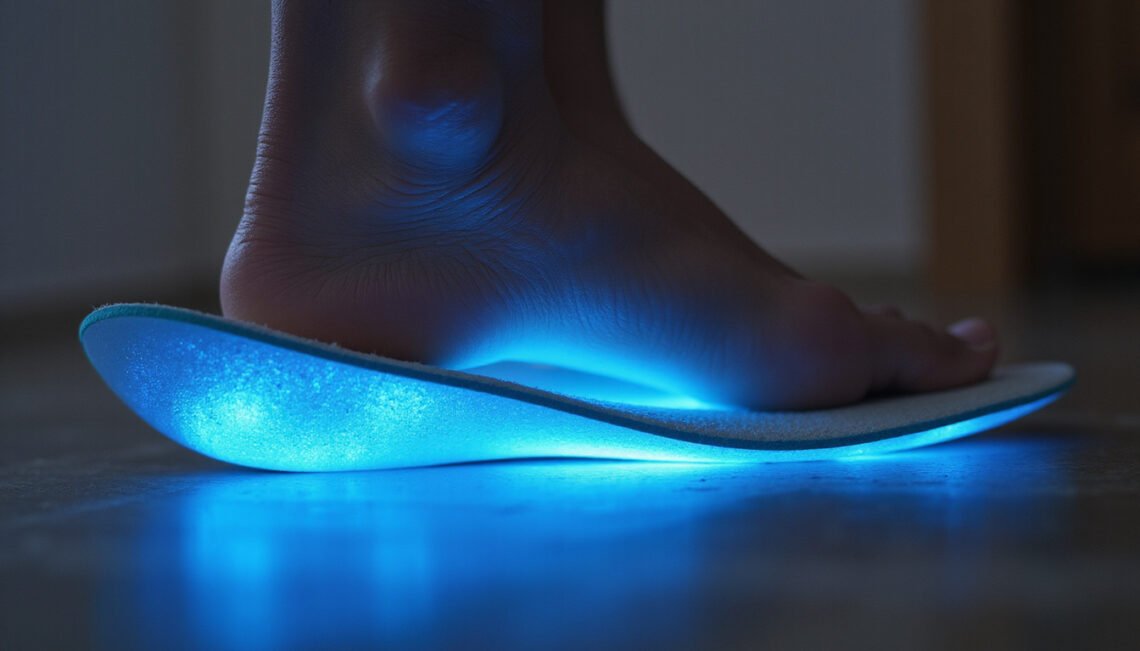
If every step brings a twinge of pain, stiffness, or burning under your feet, the right orthotics can feel life‑changing. Whether you’re on your feet all day for work, training for a race, or simply trying to walk without discomfort, orthotics can support, cushion, and realign your feet so your whole body moves more efficiently.
This guide breaks down how orthotics actually work, who needs them, how to choose between custom and over‑the‑counter options, and expert tips to get all‑day comfort—not just a few pain‑free minutes.
What Are Orthotics, Really?
“Orthotics” is an umbrella term for devices worn inside shoes to support and align the feet, relieve pressure, and improve how you walk or run. They can be:
- Rigid or semi‑rigid (for control and alignment)
- Cushioned or soft (for shock absorption and pressure relief)
- Off‑the‑shelf inserts or fully custom, prescription devices
Importantly, orthotics are not just “arch supports.” They can influence how your ankle, knees, hips, and even lower back move. That’s why the right pair can dramatically reduce pain, while the wrong type can make matters worse.
How Orthotics Help: Key Benefits for Foot and Body Pain
When properly chosen and fitted, orthotics can:
1. Reduce Foot Pain at the Source
Conditions commonly helped by orthotics include:
- Plantar fasciitis (sharp heel pain, especially in the morning)
- Flat feet / fallen arches
- High arches
- Metatarsalgia (pain in the ball of the foot)
- Bunions and hammertoes (by redistributing pressure)
- Morton’s neuroma
- Heel spurs
By redistributing weight, supporting the arch, and stabilizing the heel, orthotics help calm overworked tissues and ease inflammation.
2. Improve Alignment and Gait
If your feet roll inward (overpronation) or outward (supination), that misalignment travels upward, affecting knees, hips, and lower back. Orthotics can:
- Guide your foot into a more neutral position
- Reduce twisting forces through the knees
- Encourage a smoother, more efficient stride
Over time, this can lessen joint strain and reduce injury risk.
3. Absorb Shock and Reduce Fatigue
Standing or walking on hard surfaces all day takes a toll. Shock‑absorbing orthotics help by:
- Cushioning each heel strike
- Spreading forces across a larger area
- Reducing “hot spots” under the heel and ball of the foot
Many people report not just less pain, but less end‑of‑day exhaustion in their legs and back.
Custom vs Over‑the‑Counter Orthotics: Which Do You Need?
A common question: Are expensive custom orthotics really necessary, or can you get by with quality over‑the‑counter options?
Over‑the‑Counter Inserts
These are pre‑made insoles available in pharmacies, sports stores, and online.
Pros:
- Much more affordable
- Immediately available
- Good starting point for mild‑to‑moderate issues
Cons:
- Not tailored to your exact foot shape
- May compress and wear out faster
- Limited ability to correct significant biomechanical problems
Look for brands that offer different arch heights and firmness levels, not just flimsy foam “comfort” insoles.
Custom Orthotics
These are made from a prescription by a podiatrist or other foot specialist, usually using a 3D scan, cast, or digital pressure map.
Pros:
- Precisely matched to your foot shape and gait
- Can address complex or severe issues
- Often more durable long‑term
Cons:
- Higher upfront cost
- Requires evaluation and fitting visits
- May need adjustments after a break‑in period
Custom orthotics tend to be best for:
- Persistent or severe foot pain
- Complex conditions (e.g., significant deformity, longstanding diabetes)
- When over‑the‑counter options have already failed
Research suggests that both custom and prefabricated orthotics can be effective, depending on the condition and individual needs (source: American Academy of Orthopaedic Surgeons).
Matching Orthotics to Your Foot Type and Lifestyle
To transform foot pain, you need orthotics that match your foot mechanics and how you live, work, and move.
Know Your Foot Type
Broadly, feet fall into three categories:
-
Flat feet / low arches: Foot rolls inward; often linked with plantar fasciitis, shin splints, or knee pain.
- Best suited to: Orthotics with strong arch support and heel control.
-
Neutral arches: Moderate arch height; relatively efficient mechanics.
- Best suited to: Moderate support and cushioning for comfort and prevention.
-
High arches: Foot tends to be rigid and doesn’t absorb shock well.
- Best suited to: Softer, more cushioned orthotics that disperse pressure.
A simple “wet footprint test” on paper can give a rough idea, but a professional gait and foot exam provides a more accurate picture.
Consider Your Daily Demands
Think about where and how you use your feet:
-
All‑day standing (nurses, retail, manufacturing):
Look for shock absorption, heel and forefoot cushioning, and support that fits into work shoes. -
Active walking or hiking:
Choose durable, supportive orthotics that stabilize the heel and arch and fit well into walking or hiking boots. -
Running and sports:
Lightweight, sport‑specific orthotics can help with alignment and impact control. -
Dress shoes or heels:
Slim, low‑profile orthotics may be needed; sometimes a partial forefoot or heel insert is more practical.
Matching the orthotics to the shoe type is just as important as matching them to your foot.

Expert Tips to Get All‑Day Comfort from Orthotics
The right device still needs the right habits. These strategies help you avoid blisters, soreness, and disappointment.
1. Break Them In Gradually
Even perfect orthotics change how you move. Give your body time to adapt:
- Day 1–3: Wear for 1–2 hours at a time.
- Day 4–7: Increase to 3–4 hours.
- Week 2+: Aim for most of the day, as tolerated.
Mild muscle fatigue is normal. Sharp or worsening pain is not—if that happens, back off and consult the provider who fitted them.
2. Pair Orthotics with the Right Shoes
Supportive orthotics can’t fix unsupportive shoes. For best results, look for:
- A firm heel counter (the back of the shoe shouldn’t collapse when squeezed)
- Minimal twisting through the midfoot when you try to “wring” the shoe
- Enough depth and removable insoles so orthotics sit flat and secure
Trying to cram a full‑length orthotic into a tight, flimsy shoe is a recipe for discomfort.
3. Check Fit in Key Pressure Areas
When you first insert orthotics:
- Stand and walk around the room
- Note any rubbing at the arch, heel, or ball of the foot
- Check that your toes have room and aren’t jammed upward
Tailoring minor areas (e.g., adding top covers, smoothing edges) can dramatically improve comfort, especially with custom devices.
4. Keep an Eye on Wear and Tear
Even the best orthotics don’t last forever. Watch for:
- Cracks, flattening, or permanent compression
- Uneven wear patterns (more on one side than the other)
- Return of old pain or new discomfort
Over‑the‑counter orthotics may last 6–12 months of daily use; custom pairs often last 2–5 years, depending on materials and activity levels.
5. Combine Orthotics with Strength and Mobility Work
Orthotics support your feet, but they shouldn’t replace strong muscles and mobile joints. You can enhance their benefits with:
- Calf and plantar fascia stretching (for heel pain)
- Toe curls and towel scrunches (to strengthen intrinsic foot muscles)
- Balance work (single‑leg stands, gentle wobble‑board work)
- Hip and glute strengthening (which influences knee and foot alignment)
Think of orthotics as part of a complete plan, not a magic standalone solution.
Common Mistakes People Make with Orthotics
Avoid these pitfalls that often sabotage comfort:
-
Buying “cushy” insoles for structural problems:
Soft alone is not enough for plantar fasciitis or overpronation—you usually need real arch support and heel control. -
Using the same orthotics in every shoe type:
Running shoes, dress shoes, and work boots may each need different designs or thicknesses. -
Ignoring pain longer than 1–2 weeks:
Soreness should lessen, not worsen. Persistent discomfort may mean the device is wrong for you or needs adjustment. -
Never revisiting your prescription:
Foot shape and activity levels change over time; periodic reassessment helps keep your orthotics effective.
Who Should Consider Seeing a Specialist?
Self‑selected over‑the‑counter orthotics can help many people. However, you should consider seeing a podiatrist, orthopaedic specialist, or sports medicine professional if you:
- Have severe or sudden‑onset foot pain
- Experience numbness, burning, or color changes in the feet
- Have diabetes, poor circulation, or neuropathy
- Notice visible deformities (collapsed arch, bunion growth, toe changes)
- Tried multiple orthotics without relief
- Have knee, hip, or back pain that may be linked to foot mechanics
A thorough assessment—history, exam, and sometimes imaging—helps ensure the right diagnosis before you invest further in orthotics.
FAQs About Orthotics and Foot Pain
Are orthotic insoles really worth it for chronic foot pain?
For many people with chronic foot pain, especially from plantar fasciitis, flat feet, or high arches, orthotic insoles can significantly reduce symptoms and improve function. Their value depends on matching the right type of orthotic to your specific condition, foot shape, and footwear. Starting with quality over‑the‑counter orthotics is reasonable; if pain persists, custom devices and a professional evaluation are often worth the investment.
Can shoe inserts replace custom orthotics for plantar fasciitis?
High‑quality shoe inserts with firm arch support and heel cushioning can be very effective for mild to moderate plantar fasciitis. However, custom orthotics may be more effective if you have severe pain, complex foot mechanics, or if generic inserts haven’t helped. Combining inserts or orthotics with stretching, appropriate footwear, and activity modification usually yields the best results.
How long do foot orthotics typically last?
The lifespan of foot orthotics depends on materials, body weight, and activity level. Over‑the‑counter insoles used daily may need replacement every 6–12 months. Custom orthotics often last 2–5 years, though top covers and padding may need earlier refurbishment. If your original pain returns, or you notice visible wear or changes in fit, it’s time to reassess or replace them.
Take the Next Step Toward Pain‑Free Walking
You don’t have to accept foot pain as a normal part of your day. The right orthotics—chosen thoughtfully, fitted properly, and paired with supportive shoes and smart habits—can transform how you move, work, and live.
If you’re ready for all‑day comfort:
- Start by honestly assessing your foot type, daily demands, and current shoes.
- Try a quality pair of over‑the‑counter orthotics that match your needs, or
- Schedule an evaluation with a foot and ankle specialist for a personalized plan.
Every step you take is a chance to either irritate your feet or support them. Choose support. Invest in orthotics that work with your body, and reclaim the simple freedom of moving without pain.