Pain Neuroscience Education for Clinicians: Boost Patient Recovery and Resilience
Pain neuroscience education is transforming how clinicians understand and treat pain—especially chronic, complex, and “medically unexplained” cases. When used well, it can improve outcomes, reduce fear, and build long-term resilience in your patients. This guide is designed specifically for clinicians who want to integrate pain neuroscience education (PNE) into everyday practice in a practical, evidence-informed way.
What Is Pain Neuroscience Education?
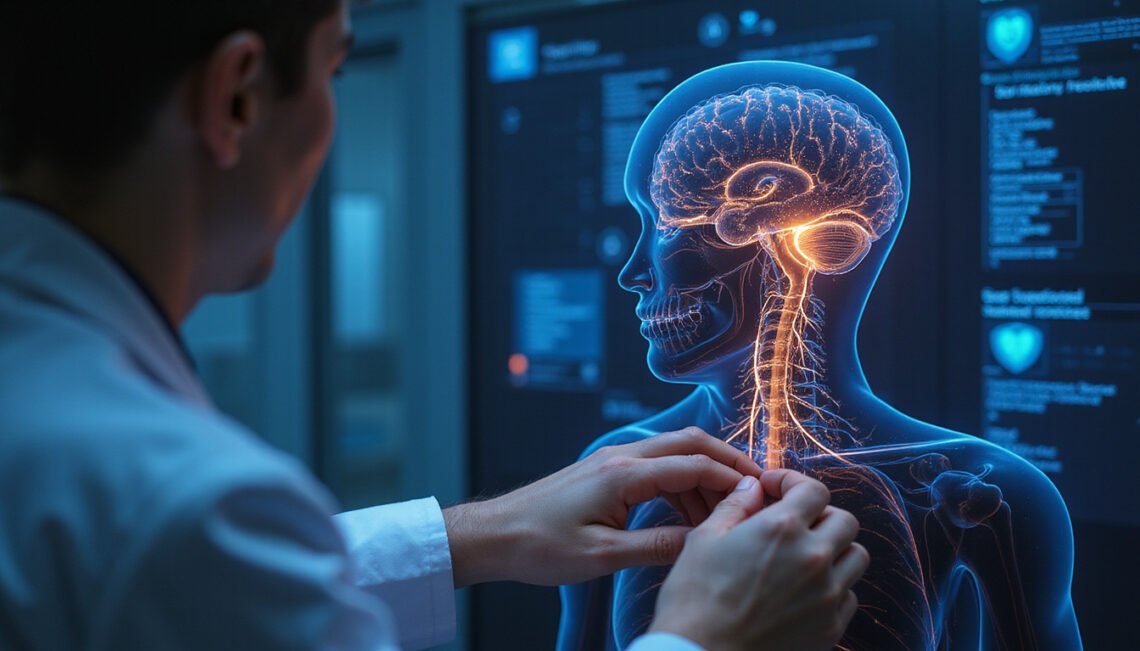
Pain neuroscience education is a structured, evidence-based way of explaining pain to patients using modern pain science rather than outdated, purely biomedical models.
Instead of framing pain as a direct measure of tissue damage, PNE teaches that:
- Pain is an output of the nervous system, not a perfect damage meter.
- The brain evaluates threat using biological, psychological, and social information.
- Pain can persist even after tissues have healed due to nervous system sensitization.
By shifting the narrative from “something is broken” to “your protective systems are overprotective,” PNE helps patients understand why they hurt and what they can do about it.
Why Clinicians Need Pain Neuroscience Education
Traditional explanations of pain often leave patients fearful, confused, and passive. Statements like “your disc is degenerated” or “you have the back of an 80-year-old” can unintentionally increase fear-avoidance, disability, and healthcare utilization.
Pain neuroscience education counters this by:
- Reducing catastrophic thinking and fear of movement
- Improving self-efficacy and engagement in active care
- Supporting behavior change, such as graded activity
- Aligning expectations around recovery and flare-ups
Multiple studies show that PNE, especially when combined with active rehab, can reduce pain, disability, and healthcare use in chronic pain populations (source: Journal of Orthopaedic & Sports Physical Therapy).
Core Principles of Pain Neuroscience Education
To use PNE effectively, it helps to ground yourself in a few key principles.
1. Pain Is Protective, Not Always Harmful
Pain is a protective alarm system designed to keep us safe. It’s often highly useful—but not always accurate.
- Acute pain is usually protective and related to tissue threat.
- Chronic pain often reflects a hypersensitive alarm system rather than ongoing damage.
This distinction helps patients understand how they can be “hurt but not harmed.”
2. The Brain Weighs Threat and Safety
The nervous system constantly weighs “danger” versus “safety” cues. Pain tends to rise when:
- Threat signals (e.g., stress, fear, prior trauma, social threat) are high.
- Safety signals (support, understanding, movement confidence) are low.
PNE helps patients see how thoughts, emotions, context, and past experiences all influence pain—not because it’s “in their head,” but because pain is a whole-person experience.
3. Sensitization Drives Persistent Pain
Central sensitization—an increased responsiveness of the nervous system—helps explain why:
- Mild movements or light touch can hurt a lot.
- Imaging findings don’t always match symptom severity.
- Pain persists long after expected tissue healing.
Educating patients on sensitization can normalize their experience: their pain is real, and their nervous system has simply become more protective.
4. Movement Is Medicine, Not a Threat
PNE reframes movement from something to avoid into something that can:
- Desensitize the nervous system
- Build confidence and self-efficacy
- Improve mood, sleep, and function
Linking PNE directly to a graded activity or exercise program is key for translating insight into action.
How to Integrate Pain Neuroscience Education in Clinical Practice
PNE isn’t a one-time lecture. It’s an ongoing process woven into every interaction. Here’s how to start.
Step 1: Start with the Patient’s Story
Before teaching, listen. Effective PNE is individualized.
- Ask about their understanding of what’s causing the pain.
- Explore their biggest fears and concerns.
- Identify unhelpful beliefs (“My back is destroyed”) and past experiences with healthcare.
This allows you to tailor your explanations to the beliefs that actually drive their behavior.
Step 2: Validate and Normalize
Patients must feel heard and believed before they can absorb new information.
- Acknowledge the reality and impact of their pain.
- Normalize common experiences: flare-ups, inconsistent symptoms, fear.
- Avoid minimizing or suggesting pain is “just psychological.”
Validation builds trust, the foundation for successful pain neuroscience education.
Step 3: Use Simple, Relatable Explanations
Avoid jargon and long lectures. Instead, use simple metaphors and analogies, such as:
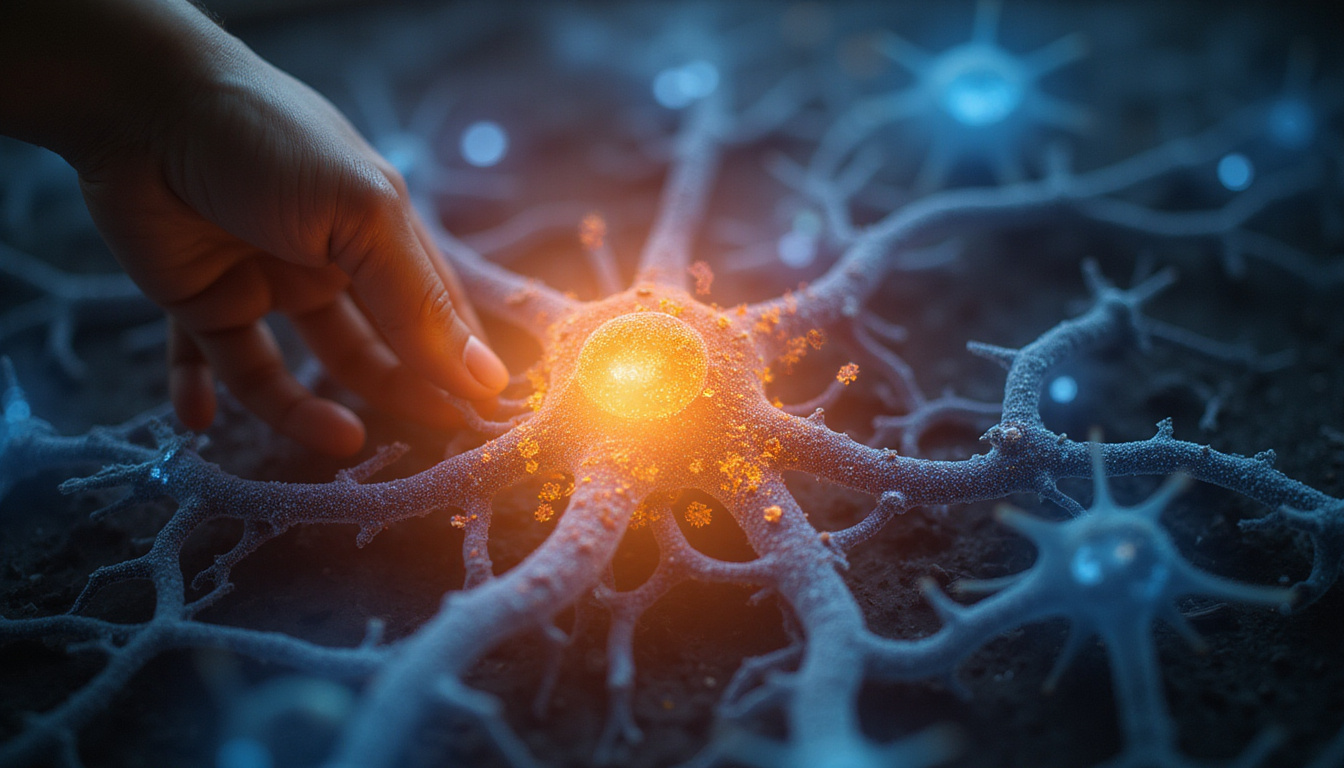
- Alarm System Analogy: Their nervous system is like a smoke alarm that’s too sensitive—it goes off when you burn toast.
- Volume Knob Analogy: Pain is like a volume knob. Stress, poor sleep, or fear can turn the volume up; safety, movement, and support can turn it down.
- Car Alarm Analogy: The car alarm keeps going off even when no one is breaking in.
Link these metaphors back to their personal experiences: “This might explain why your pain spikes when you’re stressed, even if you didn’t ‘injure’ anything new.”
Step 4: Connect PNE Directly to Action
Patients don’t just need to understand pain; they need to know what to do.
After explaining the science, explicitly tie it to a plan:
- “Because your system is overprotective, gentle, graded movement is like training it to be less jumpy.”
- “Because stress can turn up pain volume, we’ll also work on breathing and sleep strategies.”
- “Flare-ups don’t mean new damage; they mean your alarm has been triggered. Here’s your flare-up plan.”
This turns knowledge into confidence and behavior change.
Step 5: Reinforce, Repeat, and Build Over Time
People rarely “get it” in one session. Revisit concepts regularly:
- Ask them to explain pain in their own words.
- Reframe setbacks through a PNE lens (“This flare-up shows your alarm is sensitive; here’s how we respond.”).
- Celebrate small wins as evidence that the system can change.
Repetition builds a new narrative that competes with old, fear-based beliefs.
Practical Tools for Delivering Pain Neuroscience Education
Different patients will respond to different formats. Consider using a mix of:
- Visuals and Diagrams: Simple drawings of the nervous system, brain, and alarm systems.
- Handouts and Workbooks: Short, accessible summaries they can revisit.
- Metaphors and Stories: Especially helpful for patients with lower health literacy.
- Digital Resources: Short videos or apps explaining pain science.
- Homework: Asking patients to notice factors that increase or decrease their pain.
A Simple PNE Conversation Template
- Ask: “What do you think is causing your pain?”
- Validate: “That makes sense, given what you’ve been told and how much this has affected you.”
- Introduce New Understanding: “We now know that pain is your body’s alarm system. Sometimes it can become too sensitive…”
- Explain with Metaphor: Use an alarm or volume-knob analogy.
- Link to Behavior: “This is why we’ll use gentle movement and stress-reduction—to turn the alarm down.”
- Check Understanding: “How does this explanation fit with your experience?”
- Plan: “Here’s what we’ll try over the next week, based on this understanding.”
Common Pitfalls to Avoid with Pain Neuroscience Education
Even well-intentioned PNE can backfire if delivered poorly. Watch out for:
- Over-intellectualizing: Giving long lectures instead of short, relevant explanations.
- Minimizing pain: “It’s just your nervous system” can sound dismissive.
- Implying it’s “all in your head”: Emphasize that pain is real, always, and the nervous system is a body system, not just thoughts.
- Ignoring biology: PNE doesn’t replace good medical assessment; it complements it.
- One-size-fits-all scripts: Tailor the education to the patient’s beliefs, culture, and context.
The goal is not to convince patients they’re wrong, but to gently expand their model of pain to include nervous system sensitivity and whole-person factors.
Who Benefits Most from Pain Neuroscience Education?
While nearly any patient with pain can benefit from better explanations, PNE is especially useful for:
- Chronic musculoskeletal pain (back pain, neck pain, widespread pain)
- Fibromyalgia and centralized pain syndromes
- Persistent pain after surgery or injury
- Pain with high fear-avoidance or catastrophizing
- Patients with “nothing on the scan” but significant disability
- Those stuck in a passive care loop (relying solely on medications or passive treatments)
In these cases, pain neuroscience education can break unhelpful cycles and shift patients toward active self-management and resilience.
Measuring the Impact of PNE in Your Practice
To know if your pain neuroscience education is making a difference, track:
- Pain intensity and variability
- Function (e.g., walking tolerance, work participation, ADLs)
- Psychosocial factors (fear, catastrophizing, self-efficacy)
- Healthcare utilization (visits, imaging, medication reliance)
- Patient-reported understanding and confidence
You can use simple tools like the Pain Catastrophizing Scale (PCS) or fear-avoidance questionnaires, alongside functional goals like “standing for 20 minutes” or “returning to part-time work.”
Improvement in understanding and confidence often precedes changes in pain intensity—so don’t rely on pain scores alone.
FAQ: Pain Neuroscience Education for Clinicians
1. How do I explain pain science to patients without overwhelming them?
Use short, conversational explanations and metaphors instead of technical lectures. Ask what they already believe about their pain, validate it, and then add one or two new ideas at a time. For example, introduce the concept that “pain is your alarm system” and return to it in future sessions, building gradually.
2. Does pain neuroscience education work for acute pain, or only chronic pain?
Pain neuroscience education is most studied in chronic pain, but its principles can help in acute pain too. Explaining that acute pain is usually protective and time-limited, clarifying imaging findings, and setting expectations around recovery can reduce fear and the risk of long-term sensitization, even early on.
3. How can a busy clinician fit pain neuroscience education into short appointments?
You don’t need a formal 45-minute session. Integrate micro-doses of PNE into what you already do: one or two metaphors, a brief reframe of imaging language, a 2-minute explanation linking pain to stress or sleep, and a simple takeaway like, “Hurt doesn’t always equal harm—here’s what that means for today’s exercises.”
Your Next Steps: Bring Pain Neuroscience Education into Your Room
Modern pain neuroscience education gives you a powerful, humane way to help patients feel understood and regain control of their lives. Start by listening deeply to their story, validating their experience, and gently expanding their understanding of what pain is and how it works. Then connect that new understanding directly to an active, personalized plan.
If you’re ready to go further, choose one change to implement this week: adopt a favorite pain metaphor, revise how you explain imaging, or add a simple handout to your consults. Over time, these small shifts compound into better outcomes, fewer fear-driven decisions, and more resilient patients who see you not just as a technician, but as a partner in their recovery.
Begin integrating pain neuroscience education into your practice today, and turn each appointment into an opportunity to reduce fear, build confidence, and genuinely change the trajectory of your patients’ pain.