Pelvic tilt is a common but often overlooked cause of lower back pain and poor posture. Whether your pelvis tilts forward, backward, or unevenly to one side, small changes in muscle balance and daily habits can make a big difference. This guide explains straightforward fixes, easy exercises, and when to seek help so you can reduce pain and stand taller—without complicated routines or special equipment.
What is a pelvic tilt and why it matters
A pelvic tilt describes the angle of your pelvis relative to your spine and legs. The two most talked-about patterns are:
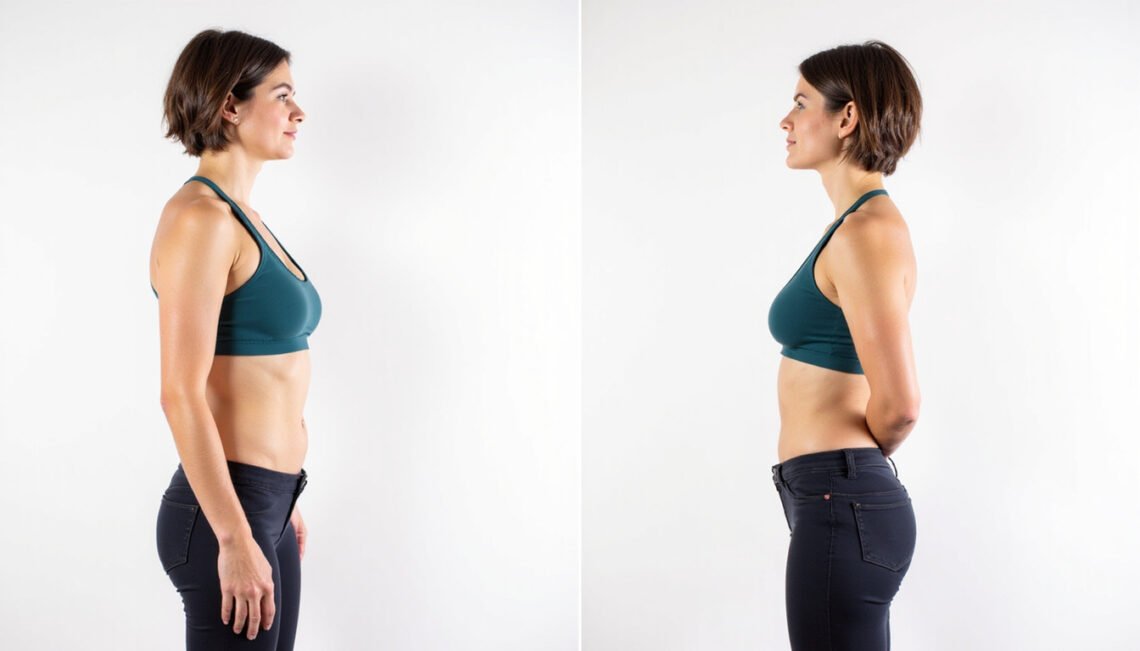
- Anterior pelvic tilt: the front of the pelvis drops and the back rises, increasing the curve in the lower back.
- Posterior pelvic tilt: the front of the pelvis rises and the back drops, flattening the lower back.
Even a subtle pelvic tilt changes how your spine, hips, and muscles share load. Over time this can lead to tight hip flexors, weak glutes and abdominals, hamstring tension, and the nagging lower back pain many people experience. Addressing pelvic tilt helps redistribute forces through the body, improves posture, and reduces strain during everyday movements like sitting, lifting, and walking.
Common signs of pelvic tilt
You might have a problematic pelvic tilt if you notice:
- Persistent lower back stiffness or aching.
- A pronounced sway in your lower back when standing (anterior pelvic tilt).
- A flattened lower back and tucked butt when standing (posterior pelvic tilt).
- Tight hips, groin, or hamstrings and weakness in the buttocks and core.
- Clothes not hanging evenly (waistbands sitting unevenly).
If these sound familiar, targeted strengthening and mobility work can often help.
Quick assessment you can do at home
Stand with your feet hip-width apart and place one hand on your lower back and one on your abdomen. Slightly arch your lower back—do your fingertips feel a bigger gap than usual between your lower back and the base of your hand? Or can you press the lower back flat toward your hand easily? These sensations give a rough idea whether your pelvis is tilting forward (more gap) or back (flatter).
Simple fixes: posture, habits, and movement
Correcting pelvic tilt usually means addressing muscle imbalances and daily habits that encourage poor alignment. Here are practical, sustainable changes you can make every day:
- Improve sitting posture
- Sit with a small natural curve in the lower back. Use a lumbar roll or folded towel if needed.
- Keep feet flat on the floor and knees at hip level or slightly lower.
- Stand up and walk for a few minutes every 30–45 minutes to relieve hip tightness.
- Strengthen weak muscles
- Focus on glutes and deep core (transverse abdominis) work to counter anterior pelvic tilt.
- For posterior pelvic tilt, emphasize hip flexor mobility and gentle spinal extension exercises.
- Loosen tight muscles
- Stretch tight hip flexors, quads, and hamstrings regularly, depending on which tilt you have.
- Use foam rolling on the hips and thighs to reduce tension.
- Adjust exercise technique
- When lifting, hinge from the hips with a neutral spine—don’t over-arch or over-round.
- In squats and deadlifts, cue glute engagement and a neutral pelvis before loading.
- Change daily movement patterns
- Avoid prolonged high-heeled shoes that promote anterior tilt.
- Carry weight close to your center of gravity rather than on one side.
Essential pelvic tilt exercises (do 3–4 times per week)
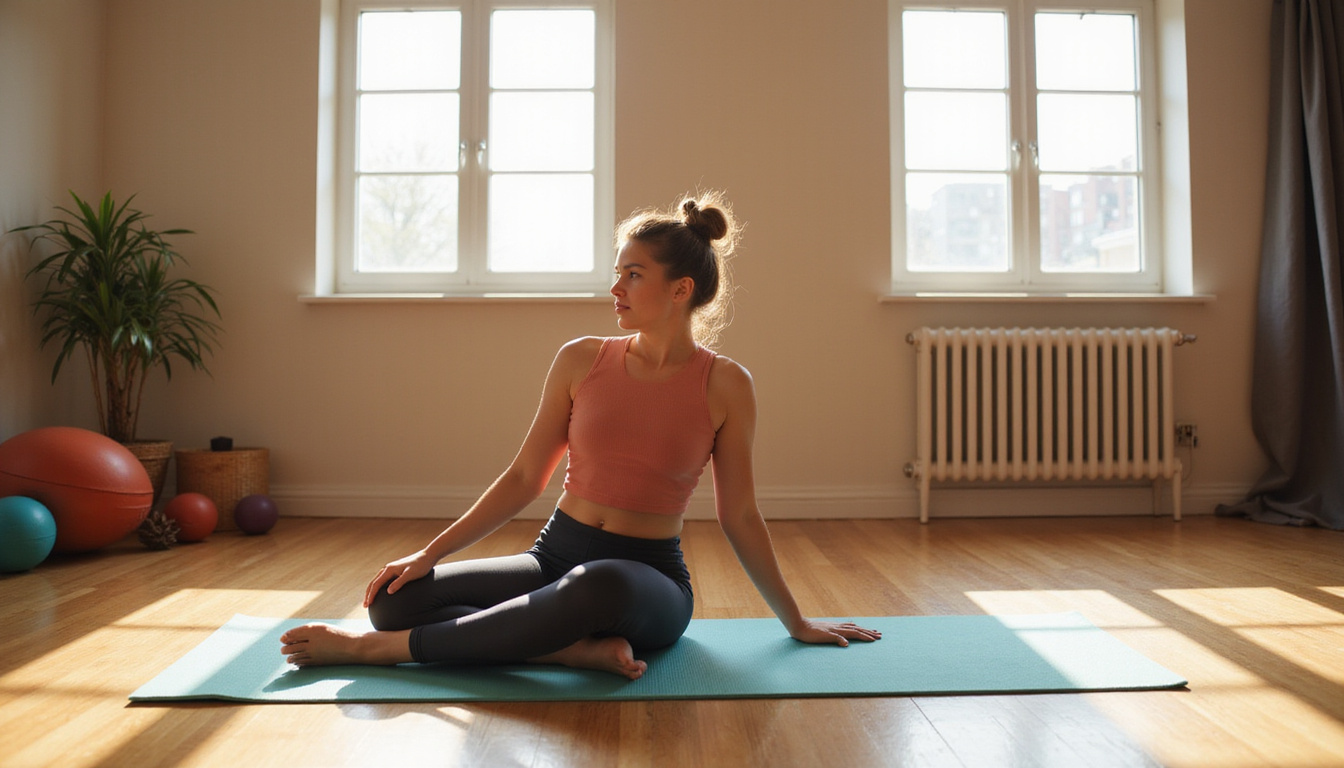
Below is a simple numbered routine you can start with. Perform 8–12 reps of each exercise, 2–3 sets, adjusting intensity as needed.
- Glute bridges — strengthens glutes and counters anterior tilt.
- Dead bugs — promotes deep core control without lumbar compensation.
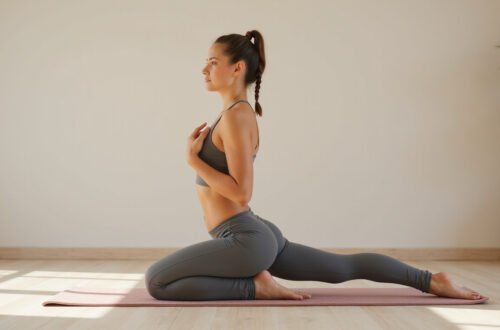
- Hip flexor half-kneel stretch — lengthens tight hip flexors that pull the pelvis forward.
- Bird dogs — builds coordinated spinal stability and glute activation.
- Standing pelvic tilts — small controlled tucks and tilts to practice pelvic awareness.
Do these exercises with slow, controlled movements. Focus on feeling the target muscle work rather than rushing through reps.
A sample weekly plan
- Monday: Glute bridges, dead bugs, light cardio (20 min).
- Wednesday: Bird dogs, hip flexor stretch, mobility work.
- Friday: Combined routine + focus on posture during daily tasks.
Consistency matters more than duration—10–15 minutes most days is better than infrequent long sessions.
Posture tips for work and home
- Ergonomic desk setup: monitor at eye level, keyboard close to body, lumbar support.
- Stairs and walking: take regular short walks to reset hip position and relieve stiffness.
- Sleeping: a pillow under knees when on your back can help maintain a neutral pelvis.
When to see a professional
If pain is severe, radiates down a leg, causes numbness/weakness, or doesn’t improve after several weeks of self-care, see a healthcare professional. A physical therapist can assess your specific pelvic tilt pattern, design a tailored exercise plan, and guide manual techniques if needed. For persistent or worsening symptoms, consult a physician—serious spinal conditions are uncommon but require prompt attention (https://www.mayoclinic.org/diseases-conditions/back-pain/symptoms-causes/syc-20369906).
Common mistakes to avoid
- Overstretching without strengthening: Flexibility without strength can leave the pelvis unstable.
- Ignoring daily posture: Doing exercises once a week but sitting poorly all day limits progress.
- Pushing through sharp pain: Discomfort is different from pain that signals injury—stop and seek guidance if you feel sharp or worsening pain.
Bulleted quick-reference checklist
- Identify your tilt type (anterior, posterior, or lateral).
- Strengthen glutes and core for anterior tilt; mobilize hip flexors for posterior tilt.
- Practice pelvic awareness with standing pelvic tilts and dead bugs.
- Improve sitting ergonomics and take movement breaks.
- See a physical therapist if symptoms don’t improve in 4–6 weeks or if neurological signs appear.
Three FAQs about pelvic tilt
Q: What causes anterior pelvic tilt and how can I fix it?
A: Anterior pelvic tilt is often caused by tight hip flexors and weak glutes and abdominals. Fixes include hip flexor stretches, glute-strengthening exercises like bridges and squats, and practicing a neutral pelvis during standing and lifting.
Q: How do I know if I have posterior pelvic tilt and what exercises help?
A: Posterior pelvic tilt shows as a flattened lower back and tucked buttocks. Gentle spinal extension movements, hip flexor mobility, and exercises that promote lumbar curvature (like controlled back extensions and hip hinge drills) help restore balance.
Q: Can pelvic tilt exercises reduce back pain?
A: Yes, targeted pelvic tilt exercises that strengthen underactive muscles and stretch tight ones often reduce mechanical back pain by improving spinal alignment and load distribution. If pain persists or radiates, consult a clinician.
Final thoughts and next steps
Pelvic tilt is a common, manageable contributor to back pain and posture problems. The most effective approach combines gentle mobility work, targeted strengthening, better daily posture, and consistent movement habits. Start small—commit to a short daily routine and ergonomic tweaks—and you’ll likely feel meaningful improvements within a few weeks.
Ready to stand taller and move with less pain? Start with the five exercises above this week, note any changes in your posture and comfort, and schedule a brief assessment with a physical therapist if you don’t improve. Small, consistent steps lead to big results—take the first one today.